
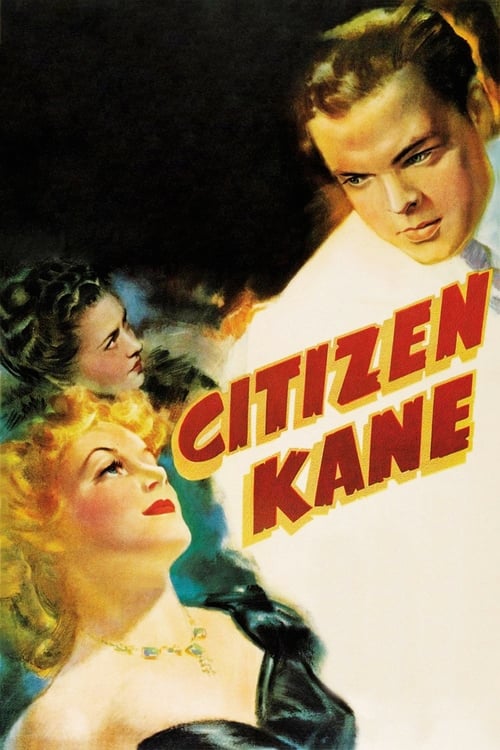
1. Citizen Kane
Orson Welles' audacious debut redefined cinematic language. Its non-linear narrative, deep focus cinematography, and innovative sound design weren't merely stylistic flourishes; they were essential tools to dissect a titan, exposing the profound loneliness and hollowness beneath ultimate ambition. This film remains a foundational masterclass in visual storytelling, its influence echoing through generations of filmmakers who dared to challenge and break established convention.
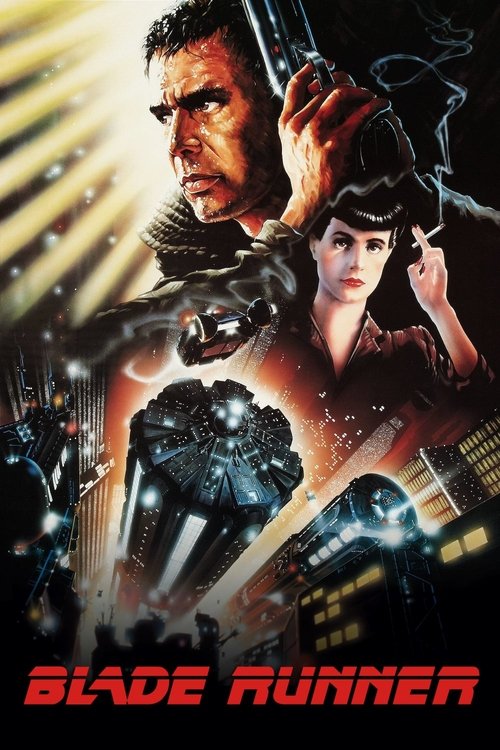
2. Blade Runner
Ridley Scott's neo-noir masterpiece wasn't simply science fiction; it was a profound meditation on humanity, memory, and artificial existence. Its rain-slicked, dystopian Los Angeles is an unparalleled feat of world-building, a vision so potent it permeated popular culture, shaping our collective imagination of the future. The film asks enduring questions, its ambiguity as haunting today as it was decades ago.
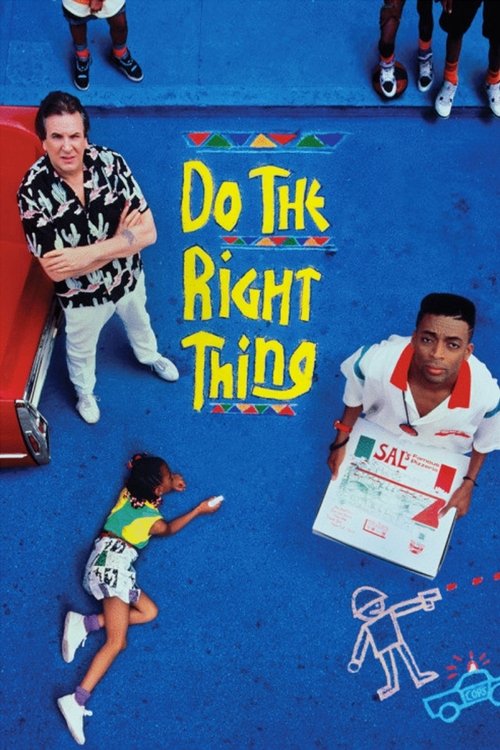
3. Do the Right Thing
Spike Lee's searing exploration of racial tension in a Brooklyn neighborhood on the hottest day of summer is a masterclass in controlled chaos. It doesn't offer easy answers, instead forcing audiences to confront uncomfortable truths about prejudice, community, and the explosiveness of unresolved conflict. Its vibrant aesthetic and powerful performances underscore a timeless, urgent social commentary.
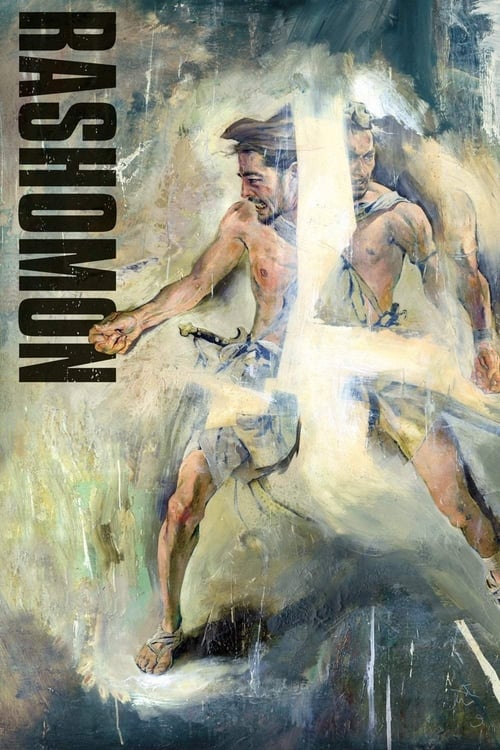
4. Rashomon
Kurosawa's structural innovation is legendary, presenting a single event through multiple, contradictory perspectives. This wasn't just a narrative trick; it was a profound philosophical inquiry into the nature of truth, perception, and human self-interest. It forces us to question the reliability of memory and testimony, a concept so impactful it birthed a cinematic trope and continues to challenge viewers.
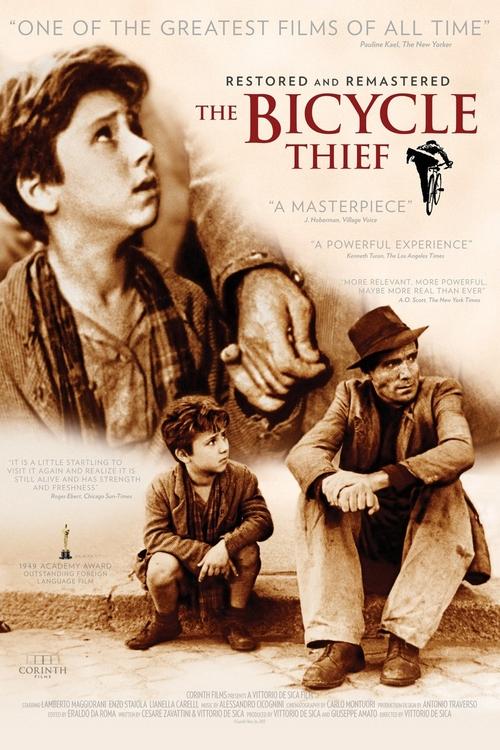
5. Bicycle Thieves
Vittorio De Sica's neorealist landmark is a stark, heartbreaking portrait of post-war poverty and desperation in Rome. Using non-professional actors and shooting on location, it strips away artifice to expose the raw human cost of economic struggle. The simple, devastating story of a father and son searching for a stolen bicycle resonates with an aching authenticity, a timeless testament to human dignity.
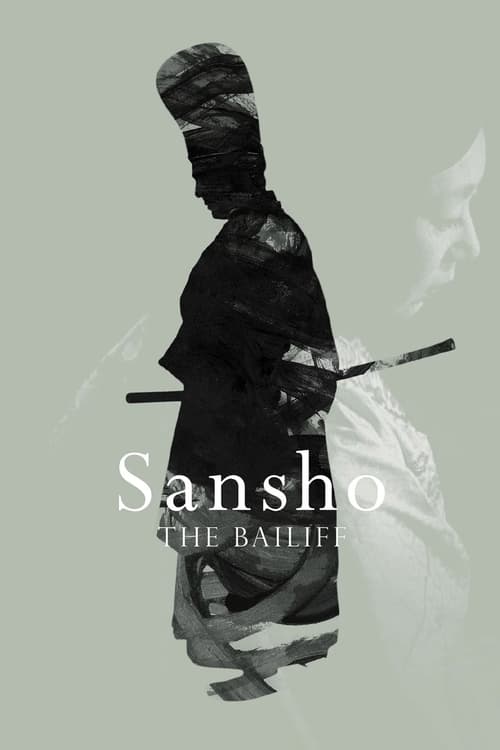
6. Sansho the Bailiff
Kenji Mizoguchi’s tragic epic is a harrowing, yet exquisitely beautiful, exploration of suffering, morality, and the human spirit's resilience. Following two aristocratic children sold into slavery, it's a testament to the power of compassion amidst unspeakable cruelty. Mizoguchi's long takes and deep compositions imbue the narrative with a stately, almost painterly grace, making its emotional impact profound and enduring.

7. Stalker
Andrei Tarkovsky's enigmatic journey into the mysterious 'Zone' is less a plot-driven narrative and more a spiritual odyssey. It delves into faith, desire, and the elusive nature of happiness through stunning, contemplative visuals and sparse dialogue. This film demands patience, but rewards it with an immersive, almost transcendental experience, proving cinema's capacity for profound, introspective art.

8. Seven Samurai
Kurosawa's epic transcends its genre, a monumental achievement in storytelling, character development, and action choreography. Its meticulous planning of each battle, the nuanced portrayal of the samurai and villagers, and its universal themes of honor, sacrifice, and the clash between duty and survival have influenced countless films globally. It's a masterclass in cinematic scale and emotional depth.
9. Parasite
Bong Joon-ho's razor-sharp critique of class disparity is a darkly comedic, relentlessly tense thriller that deftly shifts genres. Its impeccable screenplay and precise direction expose the brutal realities of economic inequality with surgical precision, leaving an indelible mark. This Palme d'Or and Oscar winner proves cinema's continued power to reflect and dissect contemporary societal anxieties with gripping originality.