
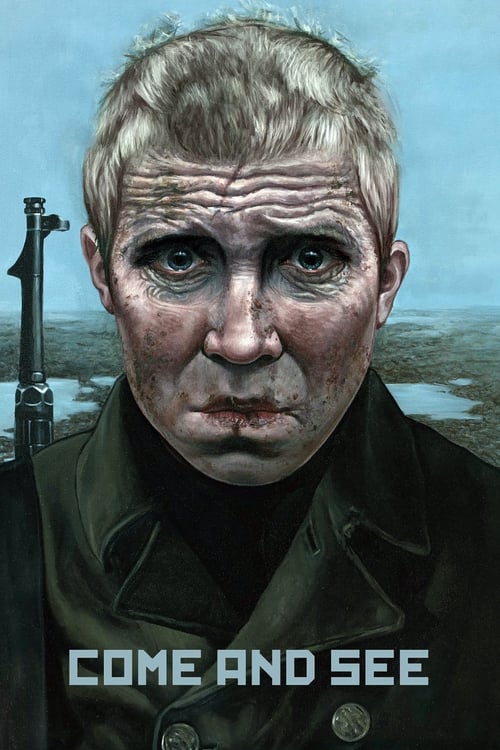
1. Come and See
Elem Klimov's harrowing depiction of WWII through a Belarusian boy's eyes is less a war film and more a relentless descent into psychological trauma. It uses surrealism and an unflinching gaze to convey the true horror of conflict. The film’s sound design, particularly the ringing in the protagonist's ears, is a masterclass in subjective terror, leaving an indelible mark long after viewing. A visceral, unforgettable experience.
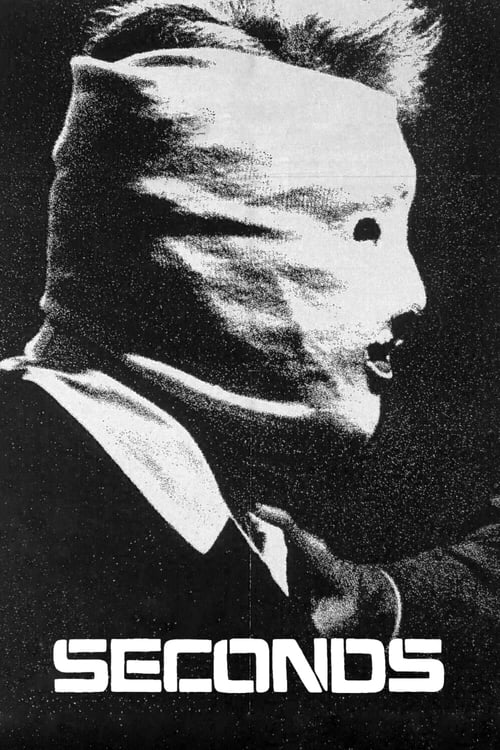
2. Seconds
John Frankenheimer's chilling, prescient thriller explores identity, reinvention, and the suffocating nature of conformity. Rock Hudson delivers a career-defining performance as a man given a new life, only to find it a gilded cage. Its audacious cinematography and unsettling premise, probing the anxieties of mid-century American life, resonate powerfully, making it a foundational work of psychological dread and existential sci-fi.
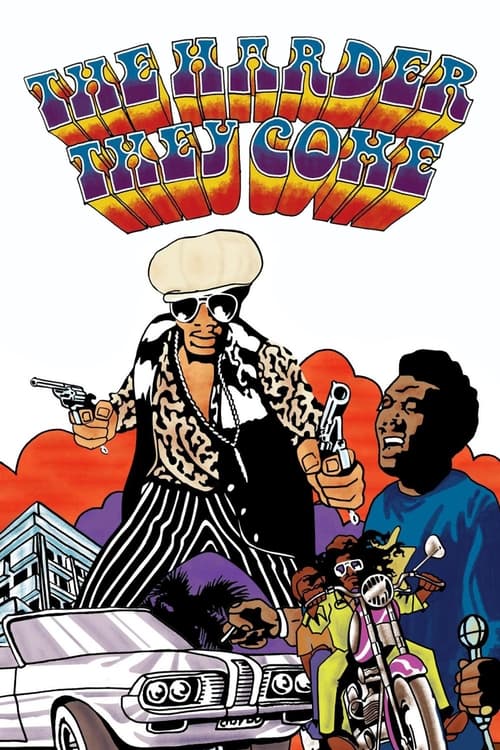
3. The Harder They Come
Perry Henzell's landmark Jamaican film introduced reggae to a global audience, but it's far more than a musical showcase. Jimmy Cliff’s Ivan, a struggling musician turned outlaw, embodies a defiant spirit against systemic oppression. Its raw, authentic portrayal of Kingston’s underbelly and its anti-establishment fervor made it a cultural touchstone, a vibrant, gritty snapshot of a nation finding its voice.

4. Wake in Fright
Ted Kotcheff’s brutal, sun-baked journey into the Australian outback is a masterclass in psychological disintegration. A schoolteacher's brief stopover devolves into a nightmarish ordeal of toxic masculinity, excessive drinking, and primal violence. Its unflinching portrayal of isolation and self-destruction, nearly lost for decades, remains a profoundly disturbing and essential piece of national cinema, a truly 'cursed' film.
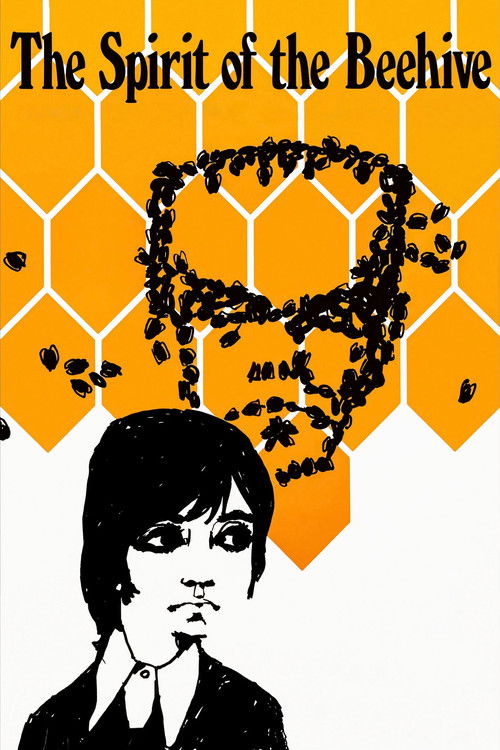
5. The Spirit of the Beehive
Víctor Erice's poetic Spanish film captures the fragile innocence of childhood amidst the lingering shadows of the Spanish Civil War. Through the eyes of young Ana, fascinated by Frankenstein and the mysteries of life and death, the film evokes a dreamlike, melancholic atmosphere. It's a quiet, profound meditation on memory, imagination, and the unseen burdens children carry.

6. The Man Who Sleeps
Bernard Queysanne and Georges Perec adapted Perec's own novel, delivering an austere, existential portrait of alienation. The film follows a young man's deliberate withdrawal from life, depicted through stark, black-and-white visuals and an emotionless, second-person narration. It’s a minimalist, almost hypnotic exploration of apathy and urban isolation, a challenging yet rewarding delve into the void of human existence.
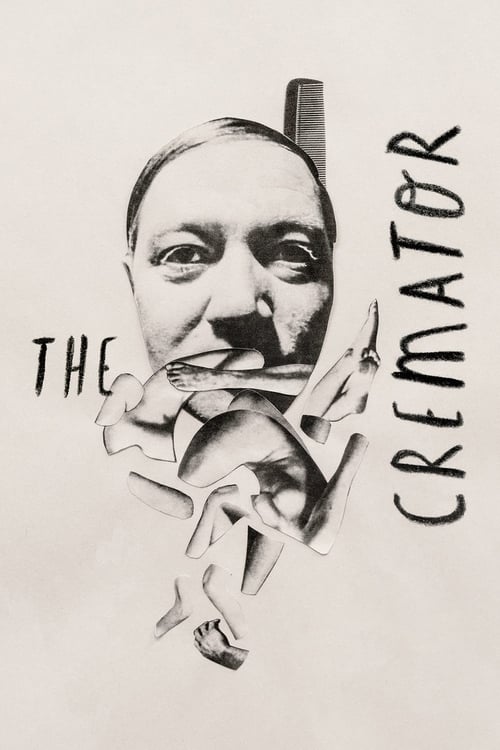
7. The Cremator
Juraj Herz's dark, grotesque masterpiece from Czechoslovakia’s New Wave is a chilling black comedy. Karl Kopfrkingl, a crematorium manager, descends into madness under the influence of totalitarian ideology, convinced he is saving souls. Its expressionistic cinematography, morbid humor, and escalating horror create a uniquely disturbing vision, a prophetic satire on fascism's insidious allure.

8. Possession
Andrzej Żuławski's audacious, feverish film is an unparalleled exploration of marital breakdown and psychological torment. Isabelle Adjani’s raw, explosive performance anchors this surreal, body-horror-infused drama. Set against the backdrop of Cold War Berlin, it’s a chaotic, visceral, and utterly unhinged experience, pushing the boundaries of genre and sanity, making it a cult classic for those who dare to venture into its depths.
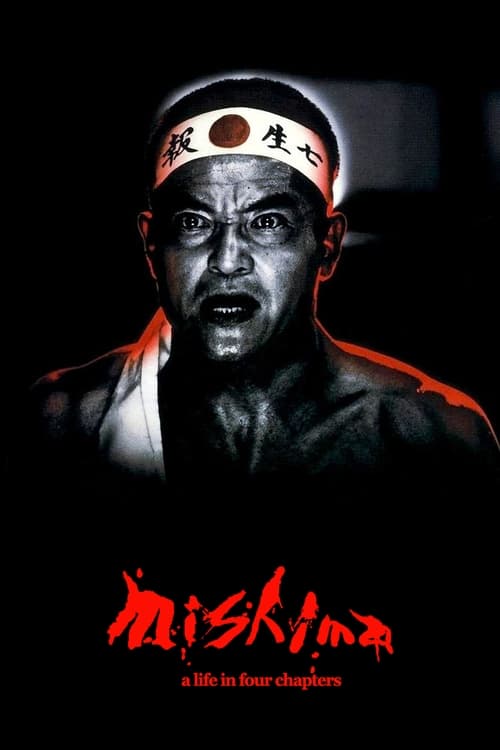
9. Mishima: A Life in Four Chapters
Paul Schrader's visually stunning biography of Yukio Mishima is a bold, operatic fusion of his life, his art, and his dramatic final day. Structured around four thematic chapters, it uses stylized flashbacks and excerpts from his novels to illuminate the complex psyche of the controversial Japanese author. A masterful, unconventional portrait of artistic and ideological extremism.