


1. Possession
Andrzej Żuławski's visceral, unsettling vision of marital collapse, framed against a Cold War Berlin, transcends mere horror. Isabelle Adjani’s raw, almost animalistic performance anchors a narrative that explores psychological and physical deterioration with unflinching intensity. It's an experience more than a film, a descent into the very real, yet surreal, abyss of human emotions, reflecting societal anxieties through a deeply personal, grotesque lens.
2. The Ascent
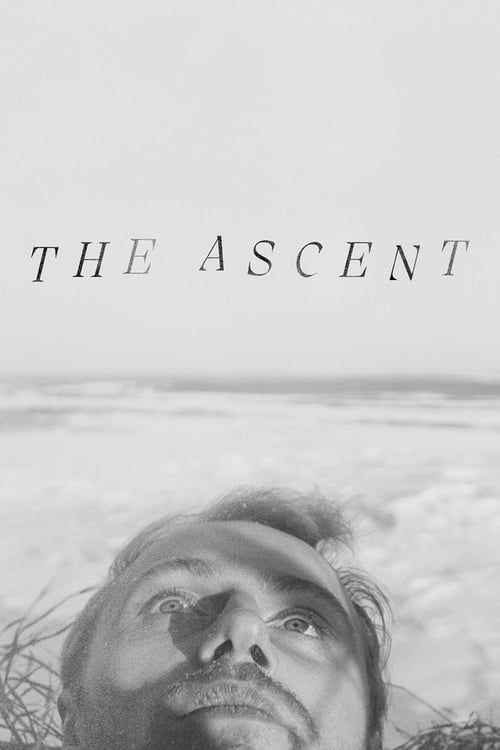
Larisa Shepitko’s final film is a devastating, spiritual journey through the brutal landscape of wartime Belarus. Two Soviet partisans, captured by Nazis, face impossible moral choices, their physical suffering mirroring an internal quest for dignity and faith. Shepitko crafts a profoundly bleak yet ultimately transcendent meditation on sacrifice and humanity's capacity for redemption, a stark, poetic masterpiece of Soviet cinema.
3. Seconds
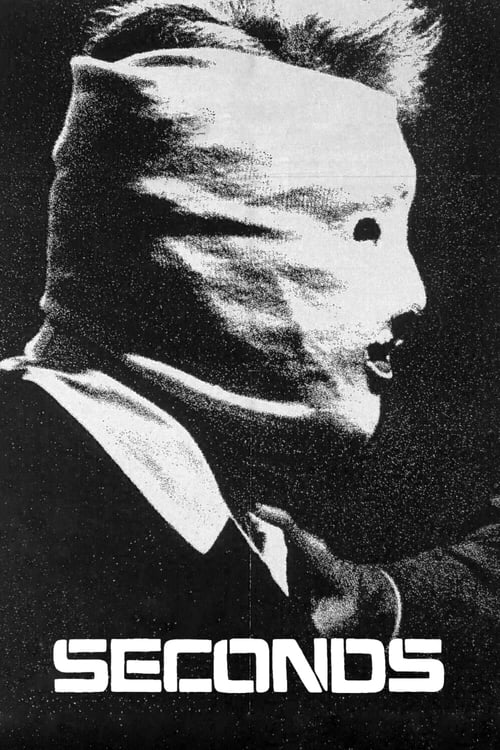
John Frankenheimer’s chillingly prescient thriller explores identity's malleability and the seductive, then suffocating, grip of corporate control. A middle-aged banker, disillusioned with his life, undergoes radical surgery to assume a new identity, only to find the "second chance" a gilded cage. Rock Hudson delivers a career-defining performance in this unsettling, stylish critique of consumerism and existential dread, visually innovative and deeply paranoid.

4. Wake in Fright
Ted Kotcheff’s sun-baked nightmare plunges a refined English schoolteacher into the primal, masculine abyss of the Australian outback. His descent into drunken depravity and escalating violence is a harrowing exploration of toxic masculinity and societal veneer stripping away under extreme conditions. This visceral, long-lost gem is an unflinching, psychologically brutal journey that remains profoundly disturbing, showcasing humanity’s darker impulses.
5. A City of Sadness
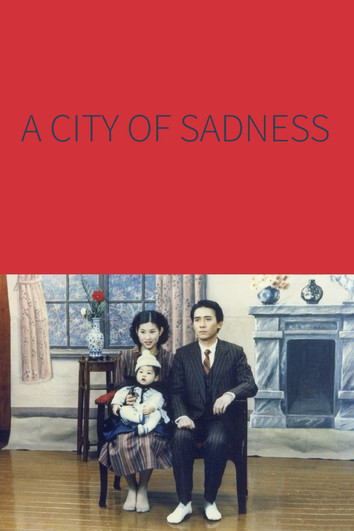
Hou Hsiao-Hsien's majestic, melancholic epic chronicles a family's struggles in Taiwan during the tumultuous "White Terror" period following WWII. Through quiet, observational long takes, Hou captures the profound societal trauma and political oppression without explicit melodrama. It's a poignant, contemplative historical document, reflecting national identity and the scars of a silenced generation through intimate, deeply human experiences.
6. Memories of Murder
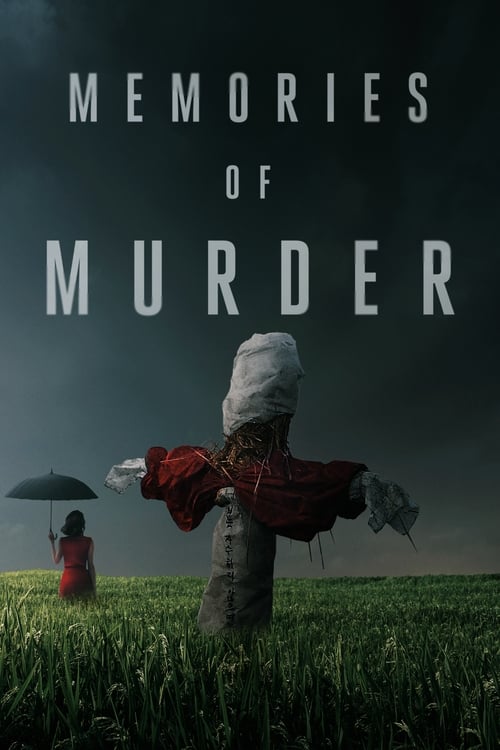
Before "Parasite," Bong Joon-ho delivered this atmospheric, darkly humorous, and ultimately heartbreaking police procedural. Based on Korea's first serial killer case, the film masterfully blends genre conventions with poignant social commentary, depicting the systemic failures and human cost of a desperate, futile investigation. Its unresolved ending leaves a lingering, powerful impression, a testament to its grounded realism.

7. Le Samouraï
Jean-Pierre Melville’s minimalist masterpiece epitomizes cool. Alain Delon plays Jef Costello, a stoic, solitary hitman operating by his own rigid code in a bleak, stylized Paris. Melville crafts an existential ballet of silence, ritual, and fatalism, where every gesture and shadow carries profound weight. It’s a seminal work of Neo-Noir, influencing countless filmmakers with its austere elegance and tragic beauty.
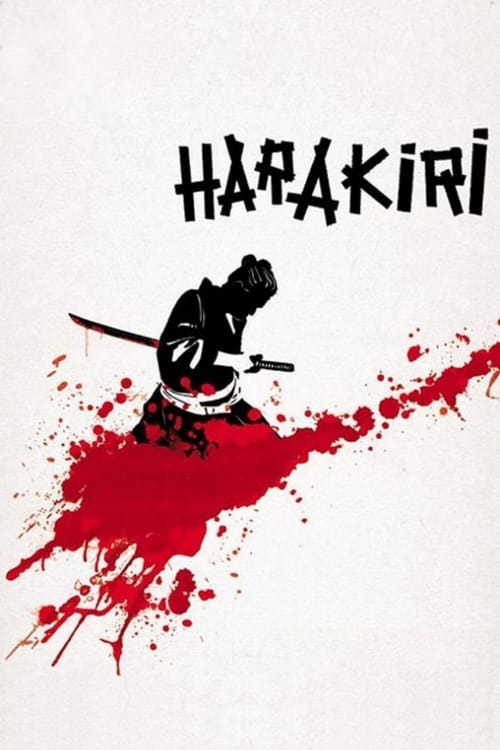
8. Harakiri
Masaki Kobayashi's stunning jidaigeki is less a samurai action film and more a scathing critique of feudal honor and institutional hypocrisy. A ronin arrives at a lord's estate requesting to commit seppuku, unveiling a tragic tale of betrayal and systemic cruelty through a series of flashbacks. Filmed in stark black and white, it’s a powerful, visually arresting examination of dignity and revenge.
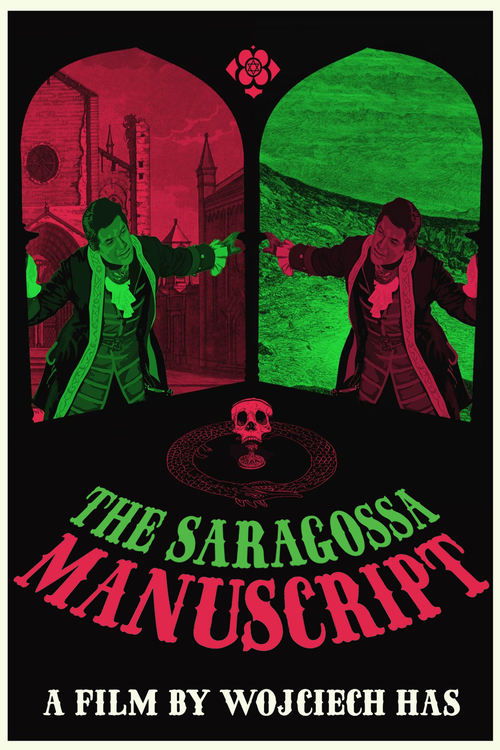
9. The Saragossa Manuscript
Wojciech Has’s sprawling, labyrinthine epic is a triumph of narrative complexity and surrealism. Set during the Napoleonic Wars, it follows a Walloon officer through a series of nested stories, dreams, and historical accounts, blurring the lines between reality and delusion. This endlessly inventive Polish masterpiece is a philosophical odyssey, a truly unique, mind-bending cinematic experience.