
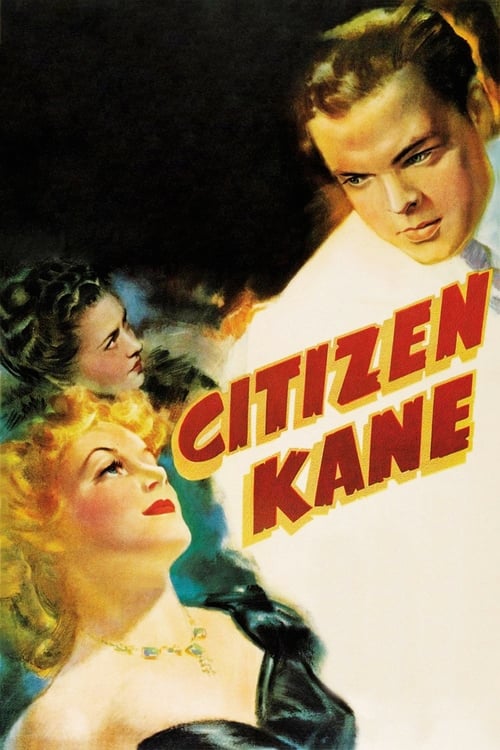
1. Citizen Kane
Orson Welles’ debut feature remains a foundational text for cinematic language, its non-linear narrative and deep-focus cinematography shattering conventional storytelling. It’s a profound meditation on power, memory, and the elusive nature of truth, reflecting the fragmented American dream through the rise and fall of a media titan. Welles, a true auteur, reshaped how films are made and perceived, embedding a complex psychological portrait within a sprawling capitalist saga.
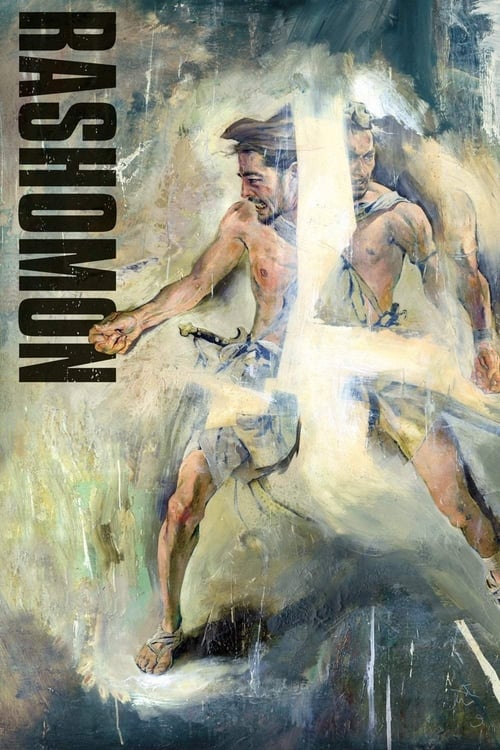
2. Rashomon
Akira Kurosawa’s masterpiece is less about what happened and more about the subjectivity of perception, presenting a single event through conflicting accounts. This revolutionary narrative structure challenged audiences to question the very possibility of objective truth, profoundly influencing countless subsequent films and philosophical discourse. Kurosawa brilliantly used the medium to explore human nature’s inherent biases and self-serving interpretations, leaving a lasting mark on global cinema.

3. National Theatre Live: Dr. Strangelove
While not a film in the traditional sense, the National Theatre Live broadcast of Stanley Kubrick’s iconic Cold War satire, reimagined for the stage, offers a fascinating lens on adapting seminal works. It underscores the enduring power of Kubrick’s original vision, its dark humor and chilling absurdity about mutually assured destruction remaining disturbingly relevant. This theatrical interpretation highlights the timeless critique of political folly and technological hubris.
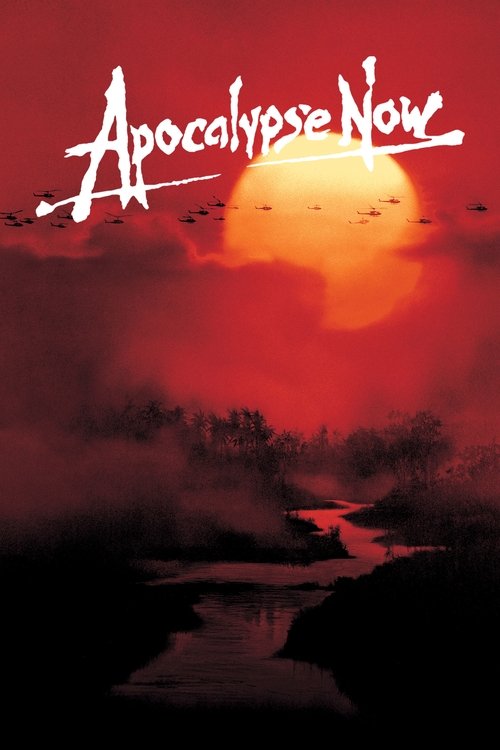
4. Apocalypse Now
Francis Ford Coppola’s descent into the heart of darkness is an epic, hallucinatory journey, transforming Joseph Conrad’s novella into a searing critique of the Vietnam War and the moral decay it wrought. Its production was famously chaotic, yet the result is a visually stunning and psychologically intense exploration of humanity’s capacity for both heroism and unspeakable horror. Coppola's audacious vision pushed cinematic boundaries, crafting an unforgettable, visceral experience.
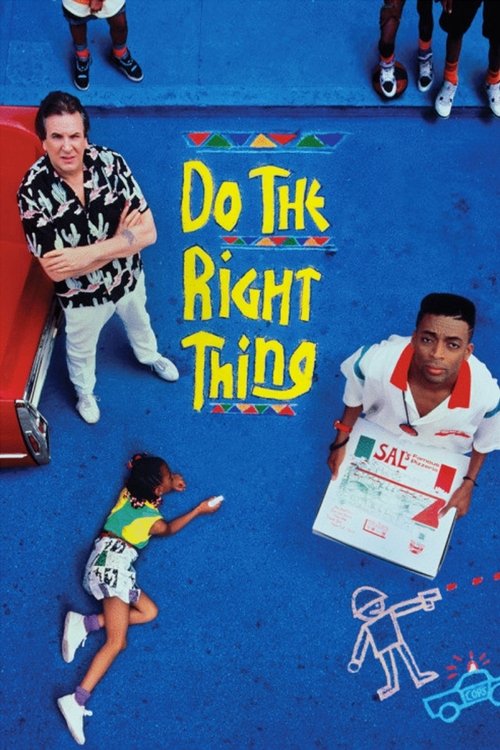
5. Do the Right Thing
Spike Lee's vibrant, incendiary film captures a sweltering Brooklyn summer day, meticulously escalating racial tensions within a diverse neighborhood. It’s a masterful, unflinching portrayal of systemic prejudice and individual choices, forcing audiences to confront uncomfortable truths without offering easy answers. Lee, as a quintessential auteur, crafted a visually dynamic and politically charged work that remains remarkably potent in its social commentary and artistic courage.
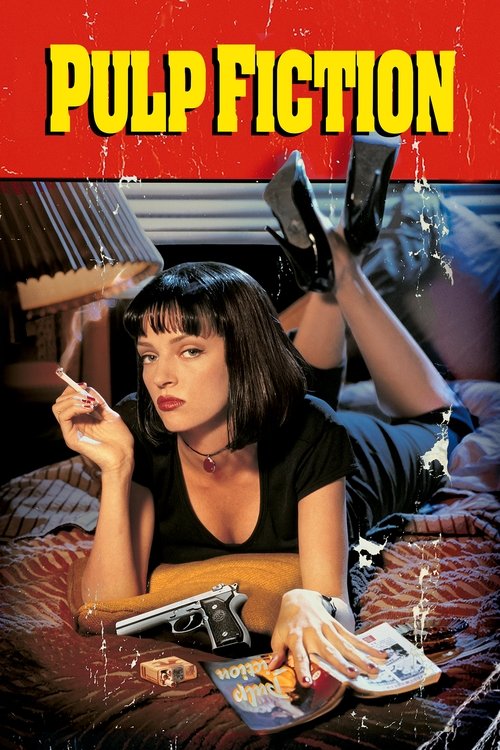
6. Pulp Fiction
Quentin Tarantino’s postmodern crime epic exploded onto the scene, redefining independent cinema and narrative structure with its non-linear storytelling, sharp dialogue, and eclectic soundtrack. It’s a pastiche of genre tropes, yet it feels entirely fresh, creating a distinct, cool aesthetic that became instantly iconic. Tarantino's audacious vision cemented his status as a singular voice, demonstrating how pop culture references could be woven into a compelling and original tapestry.
7. Parasite
Bong Joon-ho’s Palme d'Or and Oscar-winning film is a meticulously crafted, genre-bending masterpiece that incisively dissects class warfare with dark humor and escalating tension. It’s a devastating critique of capitalist disparity, revealing the uncomfortable truths about privilege and desperation without resorting to simplistic moralizing. Bong, a master of tone and visual storytelling, created a truly global phenomenon that resonated deeply with contemporary societal anxieties.
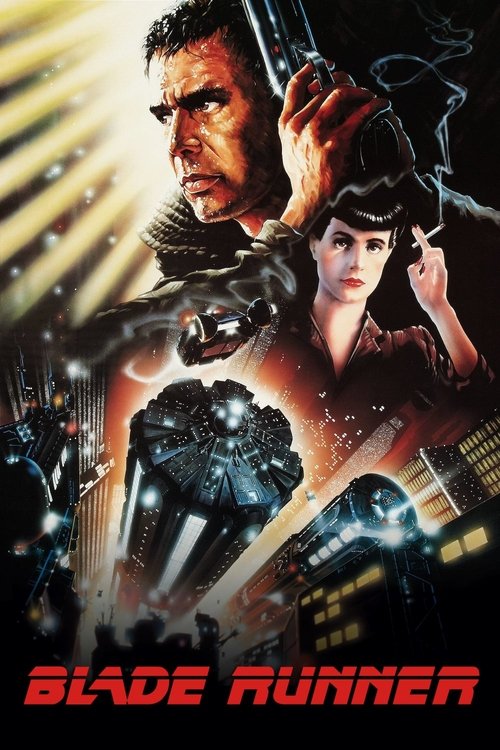
8. Blade Runner
Ridley Scott’s neo-noir sci-fi opus isn't just a film; it's a foundational text for cyberpunk aesthetics and philosophical inquiry. Its rain-soaked, dystopian Los Angeles is a character in itself, raising profound questions about what it means to be human in an age of artificial intelligence. The film’s ambiguous narrative and stunning visual design solidified its status as a visionary work, influencing countless artists and thinkers across mediums.
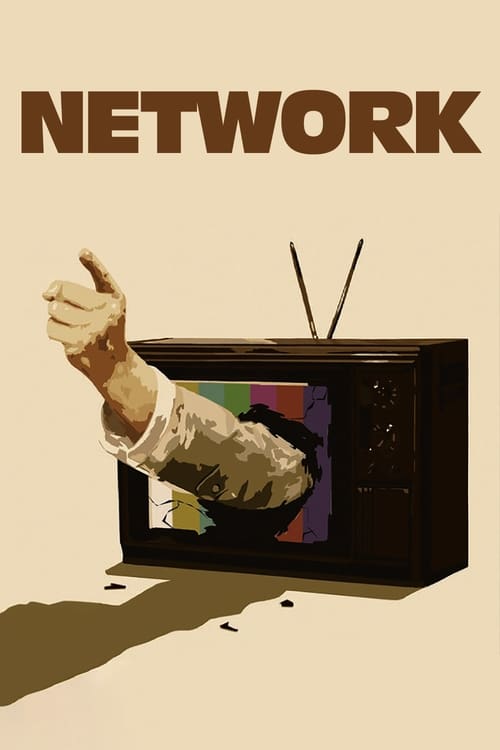
9. Network
Sidney Lumet’s prophetic satire of media sensationalism and corporate greed feels chillingly prescient decades after its release. It critiques the commodification of anger and the blurring lines between news and entertainment with blistering wit and emotional intensity. Peter Finch’s iconic "mad as hell" speech encapsulates the film's enduring power, a stark warning about the manipulative forces shaping public discourse and the erosion of journalistic integrity.