

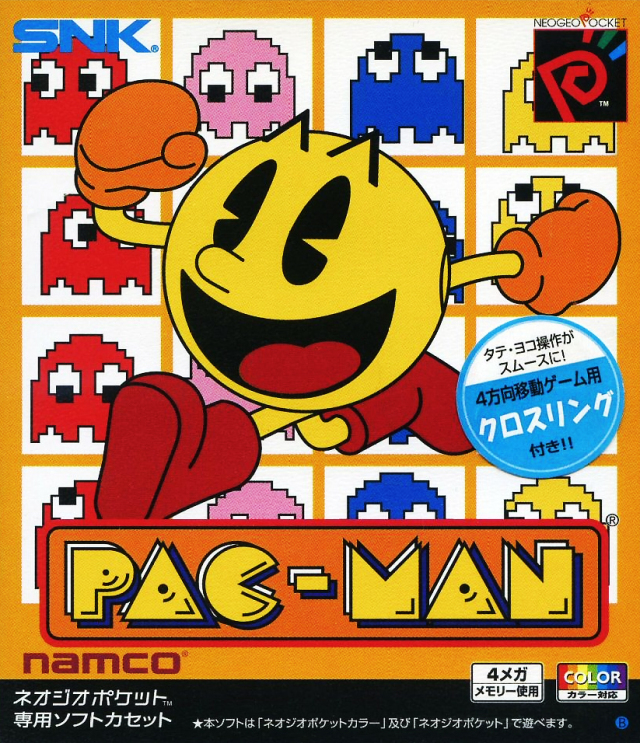
1. Pac-Man
Before Pac-Man, arcade games were often abstract or purely combat-focused. This little yellow circle, however, injected an undeniable personality into the pixelated world. It wasn't just about chasing high scores; it was about pattern recognition, thrilling evasion, and the constant, escalating tension of the chase. Pac-Man became a global cultural phenomenon, a mainstream entry point for countless people into gaming, proving that games could be both deeply challenging and universally appealing. Indeed, its simple yet brilliant design truly etched its place in history.
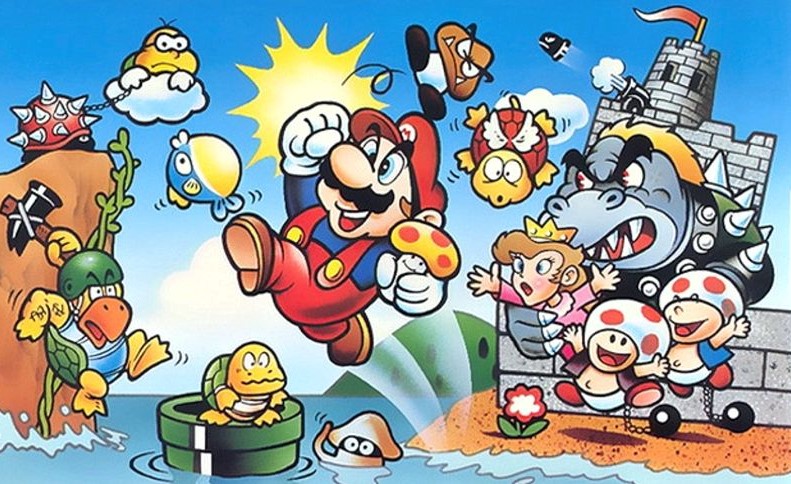
2. Super Mario Bros.
Shigeru Miyamoto's masterpiece didn't just popularize the side-scrolling platformer; it essentially perfected it. Super Mario Bros. established so many conventions still seen today: power-ups, secret areas, distinct level themes, and an undeniable sense of joyful exploration. It proved the Nintendo Entertainment System's potential, becoming a killer app that defined a generation of console gaming and cemented Mario as the industry's most recognizable mascot. Its influence on level design and character progression is simply immeasurable.
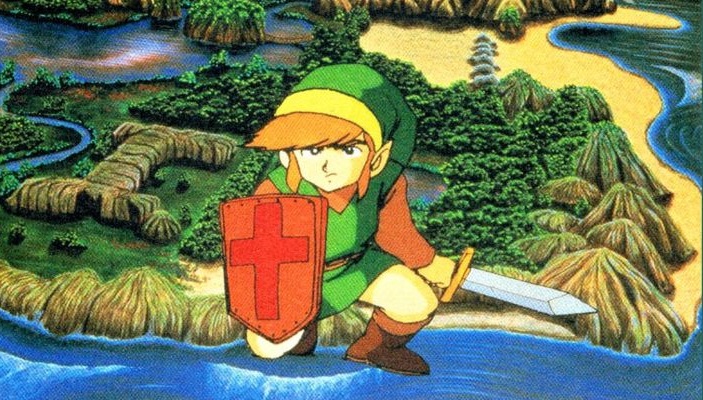
3. The Legend of Zelda
The Legend of Zelda dared to give players freedom. Eschewing linear progression, it presented an expansive overworld, encouraging exploration and discovery in ways few games had before. This title introduced the concept of interconnected dungeons, item-based progression, and a narrative depth that felt grand for its era. It essentially laid the groundwork for countless action-adventure titles and open-world concepts, defining what it meant to embark on a truly epic quest and influencing game structure for decades.

4. DOOM (2016)
In an era saturated with cover-based shooters and slow tactical combat, DOOM (2016) was a seismic shock. It unapologetically embraced its roots, delivering relentless, fast-paced, push-forward combat. The innovative "glory kill" system incentivized aggression, transforming health and ammo recovery into a brutal dance. It proved that classic FPS principles could be modernized with spectacular results, revitalizing a beloved franchise and influencing subsequent action titles to prioritize relentless momentum and visceral satisfaction over strategic retreat.

5. Street Fighter II: The World Warrior (1991)
Street Fighter II didn't just create the fighting game genre as we know it; it codified its entire language. With its diverse roster, intricate special moves, and revolutionary combo system, it introduced a new depth of competitive play. Arcades worldwide were dominated by its quarter-munching appeal, sparking a global phenomenon that established competitive gaming and laid the foundation for every fighting game that followed. Its impact on game design and the nascent esports scene is undeniable.
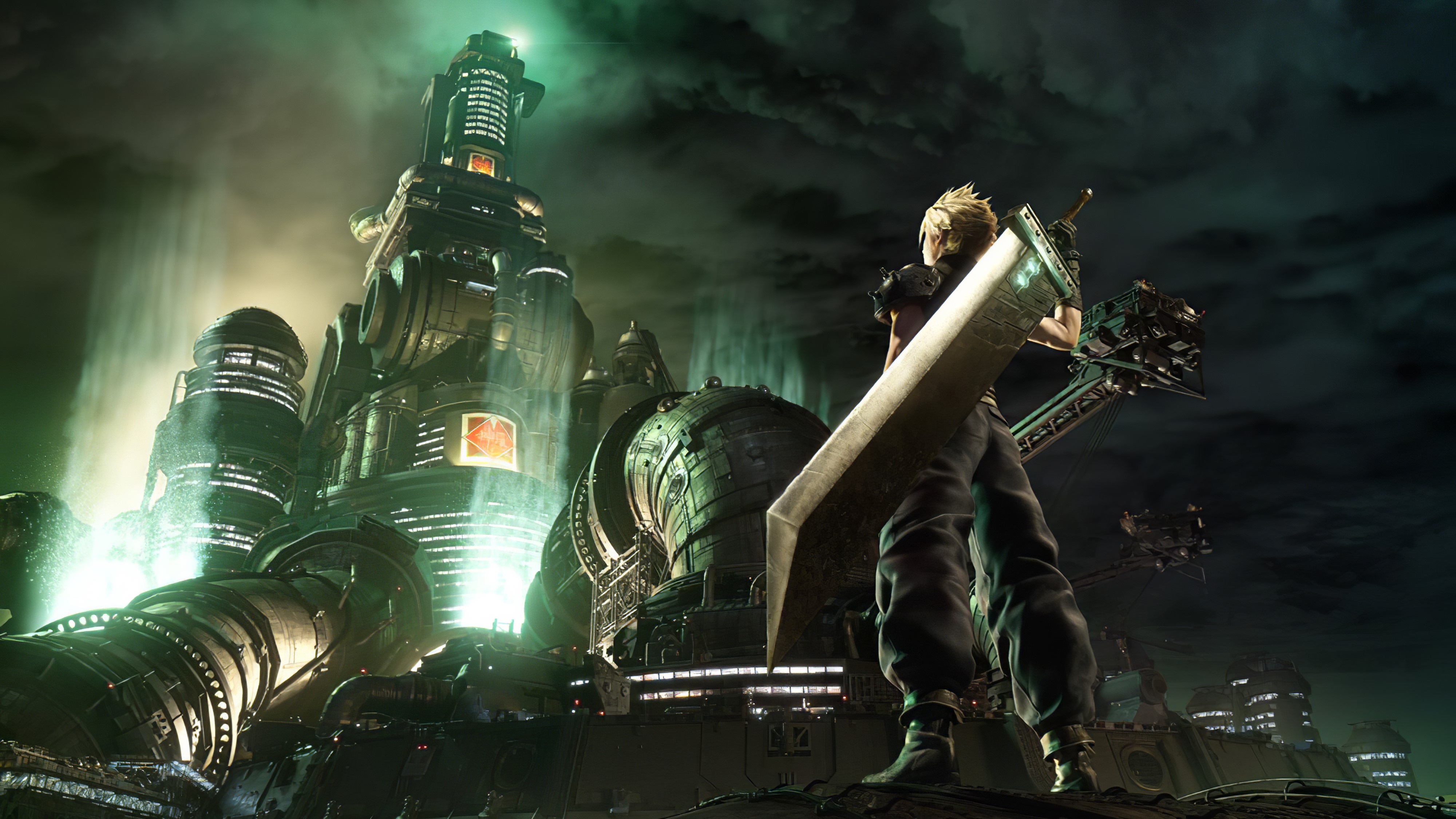
6. Final Fantasy VII
Final Fantasy VII transcended mere gaming, becoming a significant cultural touchstone. Its ambitious 3D graphics, cinematic storytelling, and surprisingly mature themes captivated a generation. It wasn't just another JRPG; it was an epic narrative exploring environmentalism, corporate greed, and existential crises, all wrapped in a visually stunning package. This game single-handedly propelled the JRPG genre into the Western mainstream, proving video games could deliver emotionally resonant, blockbuster-level experiences to a mass audience.
7. Minecraft
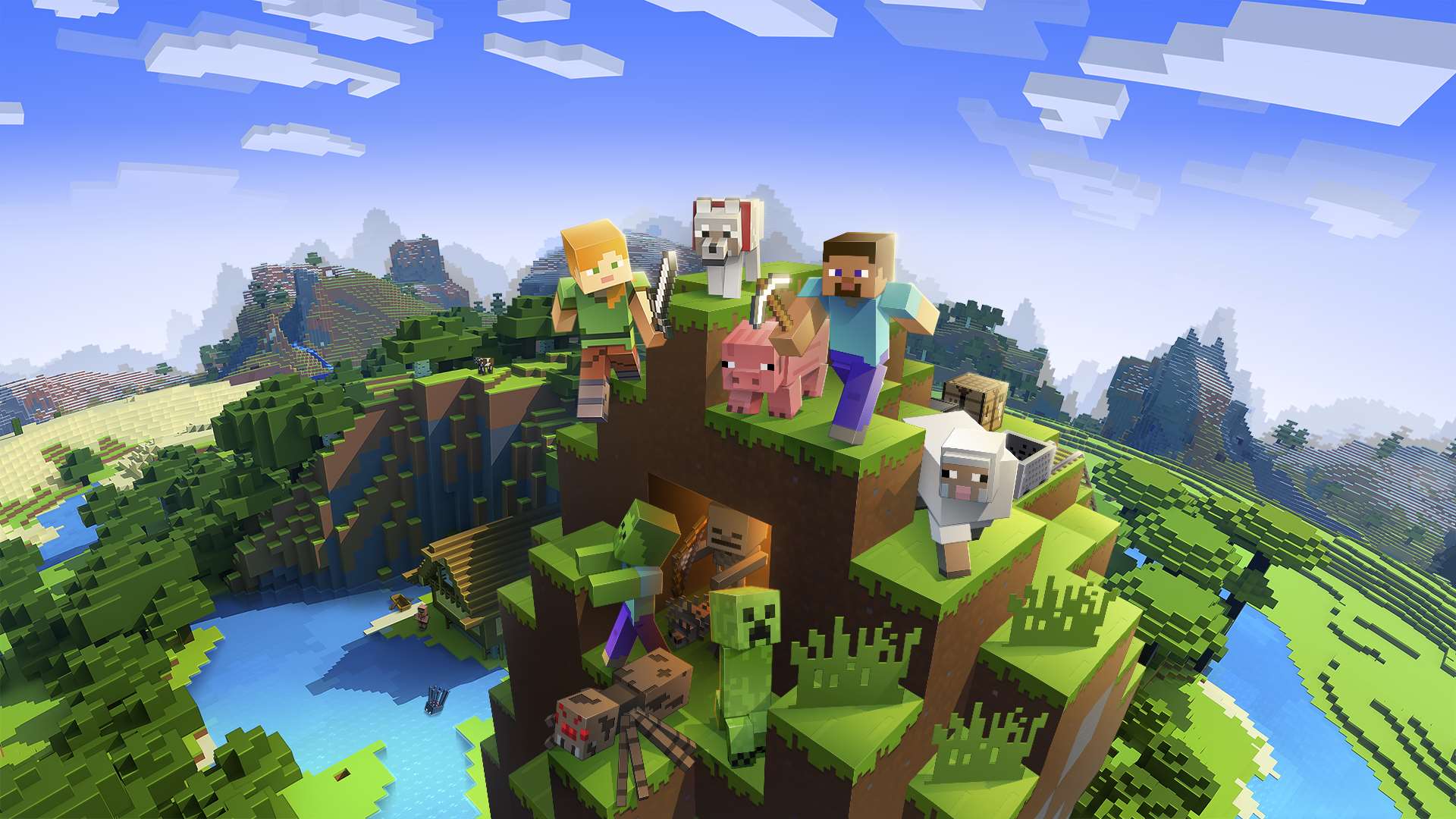
Minecraft didn't just offer a game; it offered a universe of possibilities. Its blocky aesthetic belied a profound freedom, allowing players to build, explore, and survive in an emergent, procedurally generated world. It fundamentally redefined the sandbox genre, emphasizing creativity and player-driven narratives over strict objectives. Millions worldwide, from children to adults, found boundless joy in its digital LEGO-like construction, proving that simplicity, coupled with infinite potential, could captivate globally and endlessly.
8. World of Warcraft
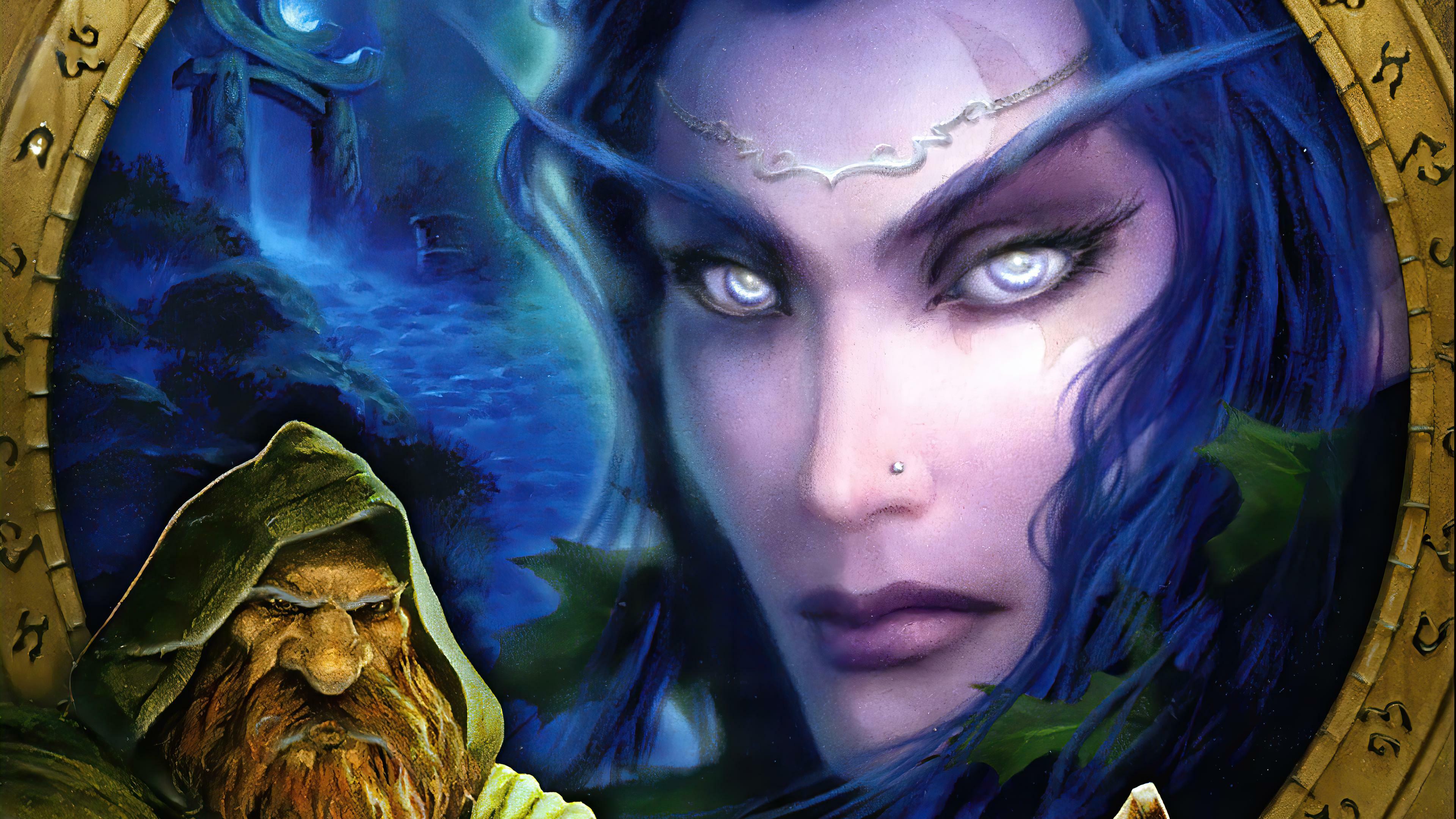
World of Warcraft wasn't the first MMO, but it quickly became the definitive one. It refined the genre's core loop, offering an accessible yet deeply rich experience with compelling lore, engaging quests, and unparalleled social interaction. Its persistent, evolving world fostered communities and friendships on an unprecedented scale. WoW proved the viability of subscription-based gaming and showcased the immense power of shared virtual experiences, forever changing how we perceive online multiplayer and persistent worlds.

9. Portal
Portal was a revelation, a masterclass in minimalist design and brilliant mechanics. Its innovative portal gun introduced a fresh approach to environmental puzzles, demanding spatial reasoning and creative problem-solving in ways few games had before. But it was the sharp wit of GLaDOS and the surprisingly deep, emergent narrative that truly cemented its legacy. It proved that short, tightly designed experiences, even as part of a compilation, could leave an indelible mark on gaming history and inspire countless designers.