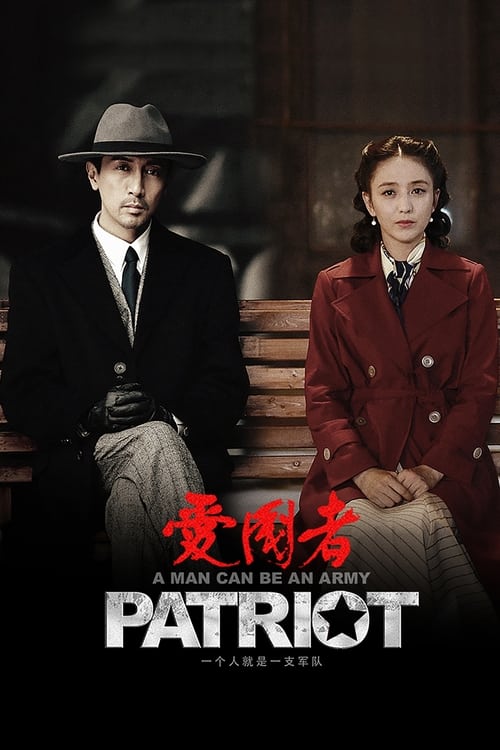
1. Patriot
When *Atlanta* dropped in 2016, it instantly rewrote the rules for what a comedy-drama could even be. Donald Glover crafted this whole vibe that blended surrealism, biting social critique, and genuine laughs. Each episode felt like a self-contained art piece, but it all flowed into this larger, hyper-stylized narrative about ambition and identity. It optimized for deep thought, not just binge-watching, and that's why it hit so hard.
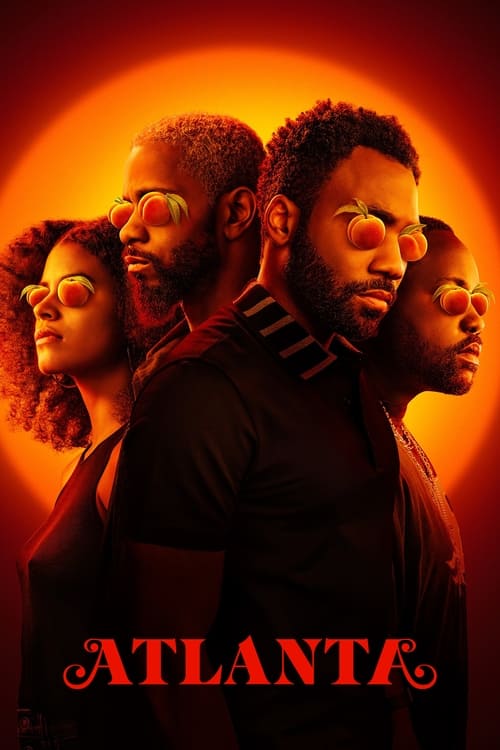
2. Atlanta
*Detectorists* (2014) is pure comfort core, but don't sleep on its subtle genius. It’s British humor that just *breathes*, making a whole show out of two dudes with metal detectors. The pacing is deliberately slow, a stark contrast to today's rapid cuts, but it's optimized for pure emotional resonance and stunning, almost painterly, visuals. It proved you don't need high stakes to create a deeply engaging, character-first world.
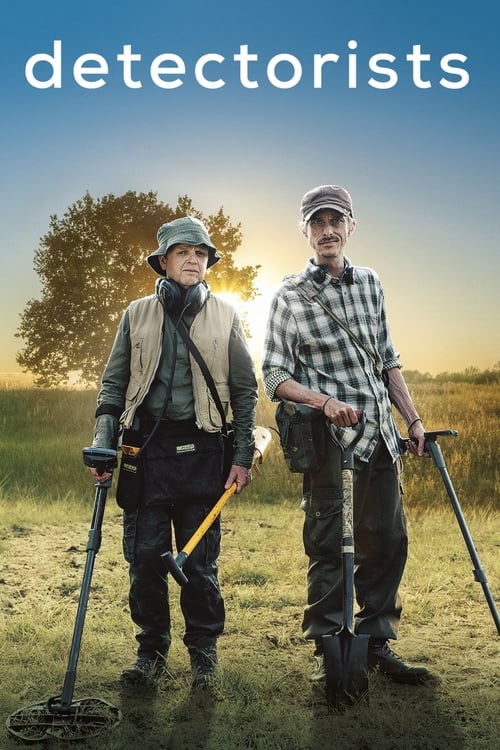
3. Detectorists
*Mr. Robot* (2015) wasn't just a show; it was a whole mood. The way it broke the fourth wall and played with an unreliable narrator felt so fresh, like a digital-native thriller. Its aesthetic was dark, glitchy, and hyper-stylized, perfectly mirroring the psychological chaos and tech paranoia. The pacing was intense, always pushing you forward, making it a definitive watch for anyone into mind-bending narratives and hacker culture.
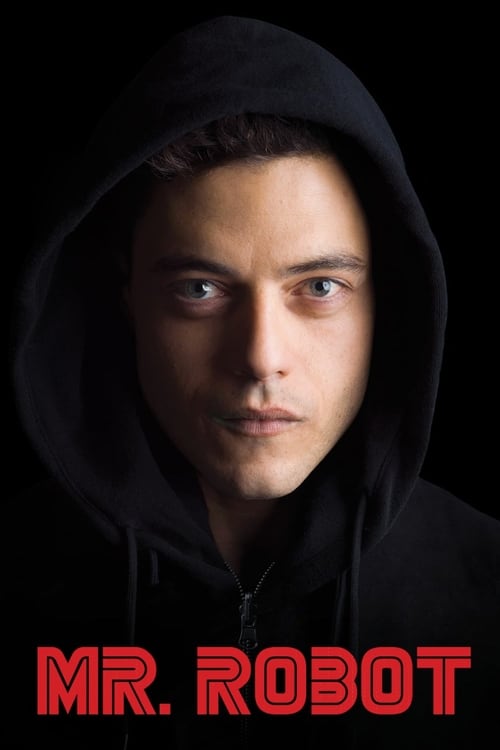
4. Mr. Robot
*Made for Love* (2021) was straight up bonkers in the best way. This dark sci-fi comedy took modern relationships and technology, then cranked the absurdity to eleven. The rapid-fire dialogue and visual gags were perfectly optimized for short attention spans, but underneath was this super sharp critique of surveillance and ownership. It felt like a Black Mirror episode stretched into a full, hyper-stylized series, a true digital-native narrative.
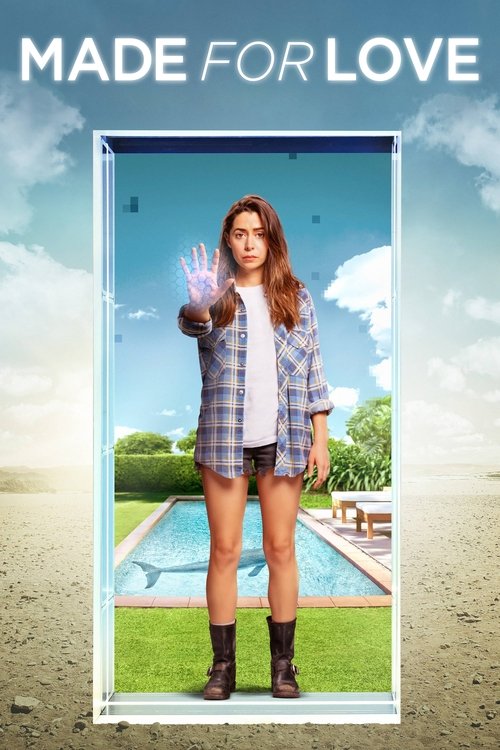
5. Made for Love
*Please Like Me* (2013) was a masterclass in raw, understated storytelling. Australian creator Josh Thomas put his whole life out there, crafting a dramedy that felt incredibly authentic and deeply personal. Its pacing was natural, meandering like real life, but always hitting emotional beats with precision. It wasn't about big plot twists; it was about the messy, awkward, and surprisingly funny journey of self-discovery, optimized for genuine connection.
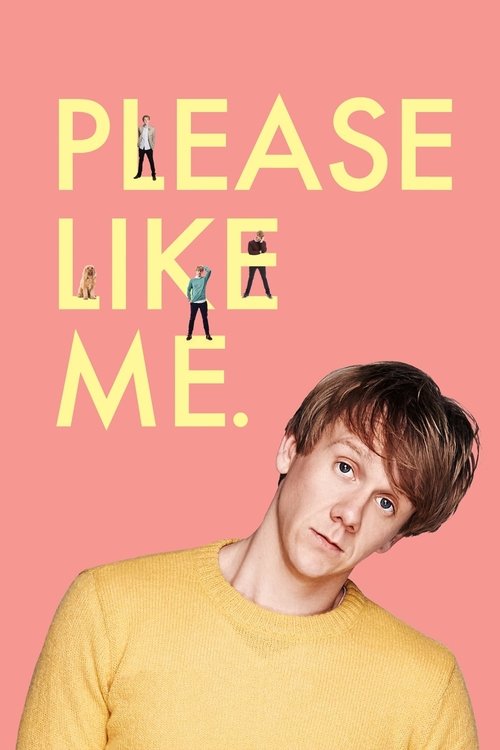
6. Please Like Me
*Undone* (2019) literally changed how I thought about animation. The rotoscope style wasn't just a gimmick; it was essential to the show's surreal, dreamlike exploration of time and trauma. Its narrative structure was complex, constantly shifting timelines, challenging viewers to piece things together. This wasn't a casual watch; it demanded attention, but the payoff was a deeply philosophical and visually stunning experience, optimized for a mind-bending journey.
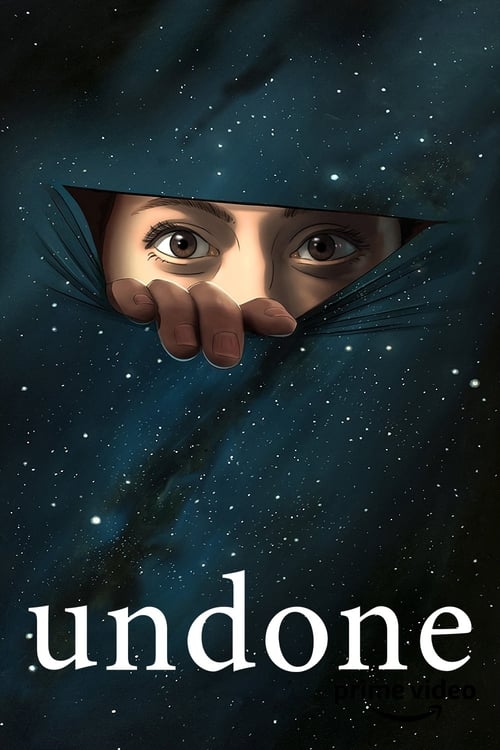
7. Undone
*Search Party* (2016) started as a millennial mystery-comedy, then just kept evolving, season after season. It constantly shifted genres, from true crime parody to legal thriller, always with this sharp, cynical wit. The pacing was addictive, each episode pulling you deeper into its hyper-stylized, increasingly absurd world. It perfectly captured that 'oh my god, what just happened' energy, optimized for a generation glued to their screens.
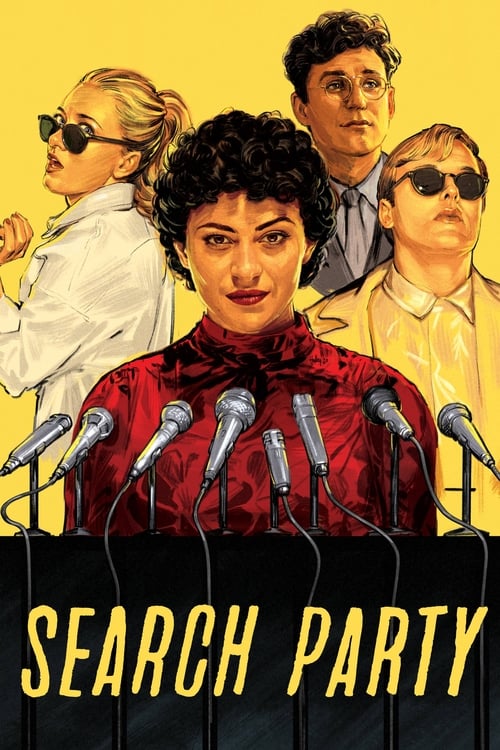
8. Search Party
*The Rehearsal* (2022) wasn't just a show; it was an event. Nathan Fielder pushed the boundaries of reality TV and social experimentation to absurd new heights. Its pacing was deliberate, letting the awkwardness breathe, but every scene was optimized for maximum discomfort and philosophical questioning. It's a meta-narrative that you couldn't explain to someone; you just had to watch it unfold, becoming an instant cultural talking point.