


1. Cross Road Blues
Johnson’s guitar work here, raw and unadorned, cuts through the decades like a rusty razor. It's the primal scream of the Delta, a haunting narrative of desperation and consequence that laid the groundwork for every restless spirit who ever picked up a six-string. This ain't just music; it's a field recording of the soul's dark night, a direct lineage to the guttural roar of early metal and punk's unforgiving edge. The very definition of a foundational truth.
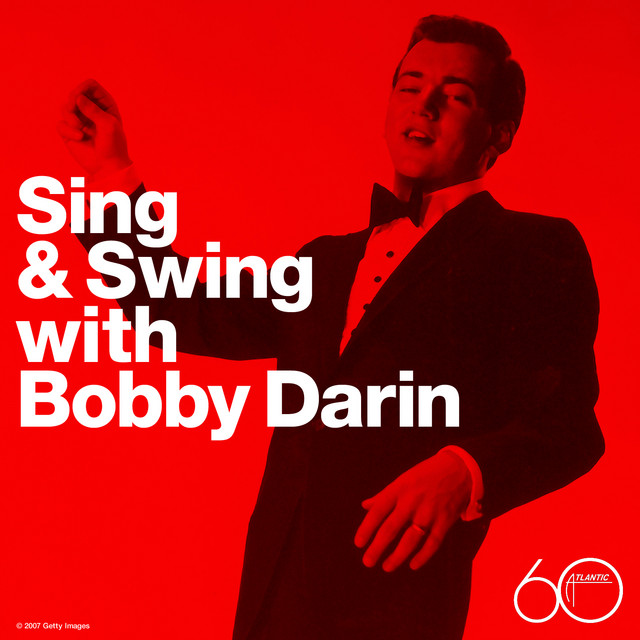
2. Sing & Swing with Bobby Darin
Darin, he wasn't just a crooner; he was a hep cat with an edge. This album, it’s got that big band swagger, a rhythmic sophistication that speaks to the jazz age’s last gasp but also hints at the burgeoning rock and roll energy. His delivery, sharp as a tailored suit, bridges the gap between the sophisticated swing of the '40s and the raw theatricality that would later inform acts from David Bowie to The Cramps. Pure class, with a glint in its eye.

3. Roll Over Beethoven (Saturday Club / 1963)
Before the moptops went cosmic, they were just four lads tearing through Chuck Berry. This live cut, it captures that raw, unpolished energy of early rock, a visceral jolt that shook the foundations of polite society. It’s the sound of a generation finding its voice, a direct descendant of rhythm and blues but amplified, electrified. Pure, unadulterated youthful rebellion, a blueprint for the punk rock sneer decades later. No studio sheen, just pure kinetic force.
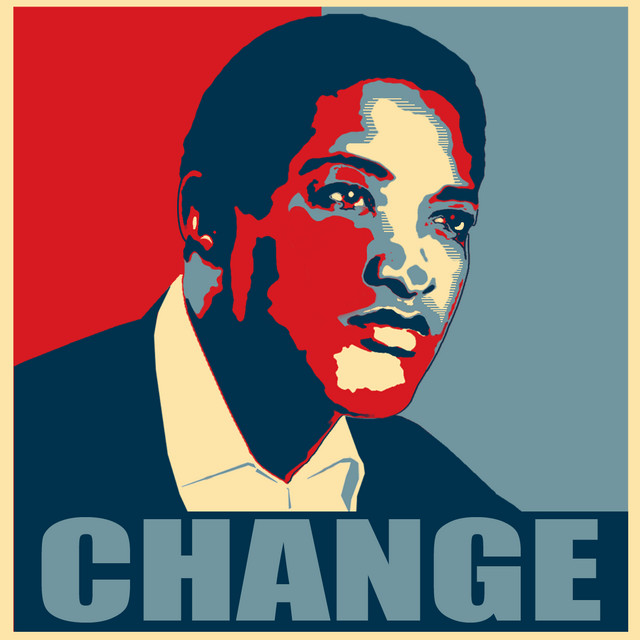
4. A Change Is Gonna Come
Cooke’s voice on this track, it’s pure gospel distilled into a secular prophecy. You hear the weight of generations, the hope, the struggle, all carried on that impossibly smooth yet profoundly pained delivery. It’s soul music as a spiritual and social testament, a melodic plea for justice that still resonates with every beat of the drum machine and every wail of a blues guitar. A landmark, a beacon, a raw nerve.
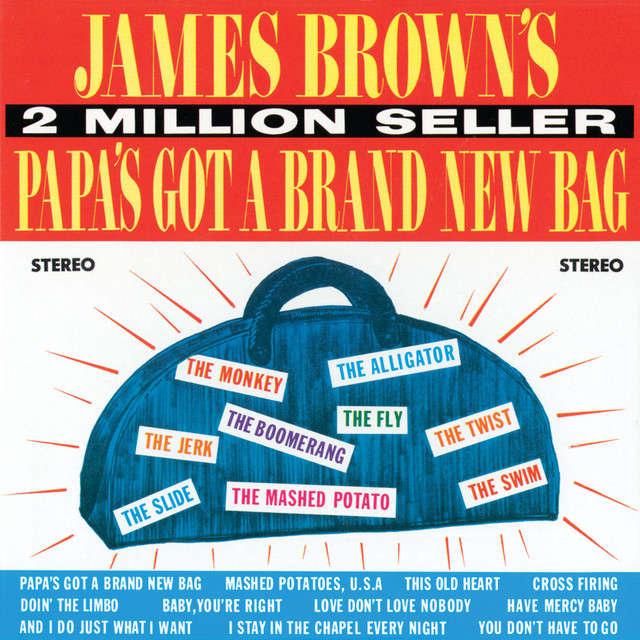
5. Papa's Got A Brand New Bag
James Brown didn't just invent funk; he blasted it into existence with this track. The rhythm section here, it’s a coiled spring, a relentless groove that’s all about the downbeat, the space between the notes. This wasn't just R&B; it was a new rhythmic language, a percussive assault that laid the groundwork for everything from hip-hop breaks to industrial dancefloor thump. He broke it down, then rebuilt it heavier, nastier. Revolutionary.
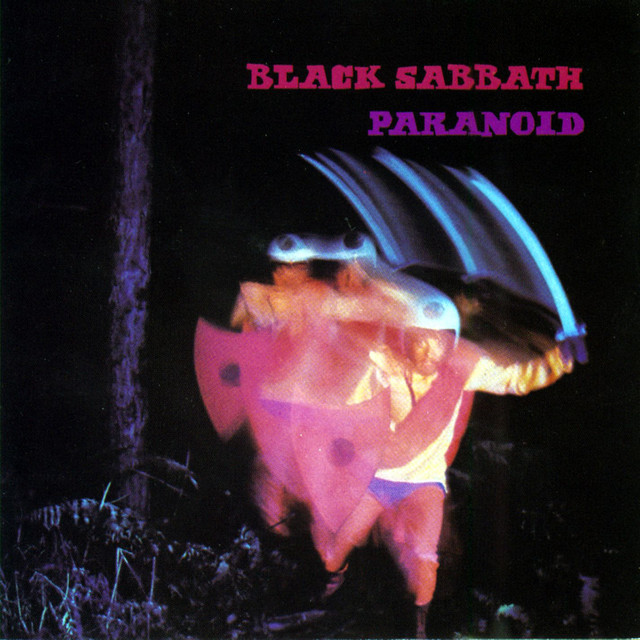
6. Paranoid (Remaster)
This track, it’s a blunt instrument, a three-minute declaration of intent from the architects of heavy metal. Iommi’s riff is a monolithic slab of sound, a primal roar that dragged rock music into the abyss. It’s got that blues-inflected menace, but amplified to an industrial scale, a dark mirror to the anxieties of the era. The sheer weight and propulsion here, it’s the blueprint for entire subgenres. Uncompromising, crushing.

7. Blitzkrieg Bop
Hey! Ho! Let's Go! This isn't complex, it's a declaration. The Ramones stripped rock 'n' roll down to its bare, snarling essentials, a three-chord assault that spat in the face of prog rock excess. It’s pure, unadulterated kinetic energy, a call to arms for every kid who felt alienated, a direct descendant of '50s rockabilly but accelerated, distorted, and weaponized. The ultimate anti-establishment anthem, sharp as a switchblade.

8. This feelin i love it
Without the frills, sometimes the pure pulse is all you need. This track, it hints at that early electronic minimalism, the kind of repetitive, hypnotic groove that laid the foundation for krautrock’s motorik beat or the nascent throb of early house. It’s less about melody and more about immersion, a rhythmic mantra that gets under your skin, proving the simplest patterns can be the most profound. A stark, insistent truth.

9. Love Will Tear Us Apart
Ian Curtis's voice, a desolate baritone, cuts through the stark, propulsive rhythm section like a cold wind. This isn’t just a song; it’s a post-punk elegy, a raw, unflinching look at dissolution wrapped in an insistent, almost danceable beat. The mechanical precision of the rhythm, fused with that profound melancholia, speaks to the industrial landscape of its origins. It’s grim, beautiful, and utterly essential, a cornerstone of the era’s darker sonic textures.