

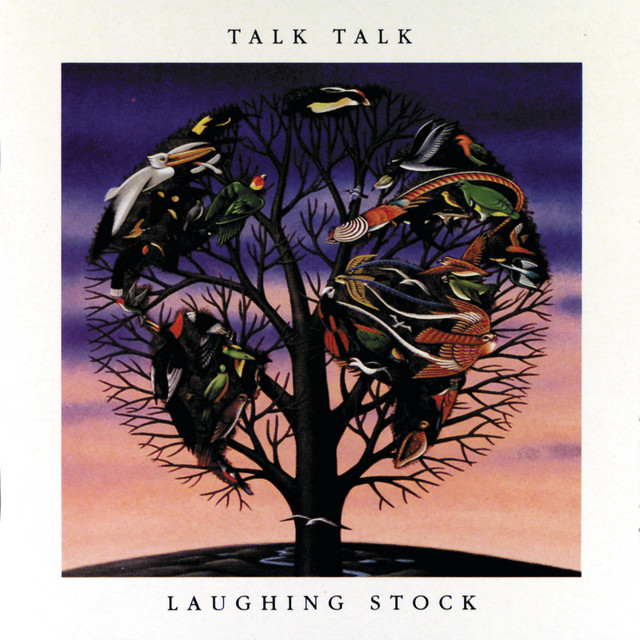
1. Laughing Stock
Talk Talk’s final statement, this isn't just an album; it’s a spiritual experience. They pushed the limits of rock, creating something so fragile yet immense, full of vast, melancholic spaces and almost imperceptible shifts. It feels less composed and more like it was coaxed into existence, each instrument a breath, a sigh. This post-rock blueprint wasn't about fireworks, but about the profound weight found in quietude, leaving you utterly changed.
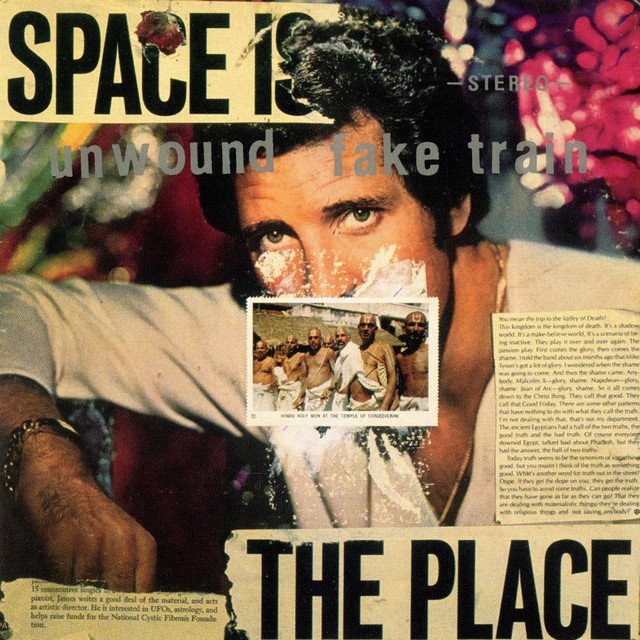
2. Fake Train
Unwound just *hit* different. "Fake Train" is a raw nerve ending, a relentless, angular assault that somehow still managed to feel deeply expressive. That guitar sound, those desperate vocals, it was all so perfectly unpolished, a beautiful mess of post-hardcore fury and disaffected introspection. You felt the frustration, the intelligence, and the sheer kinetic energy of a band operating on their own terms, completely unfazed by trends.
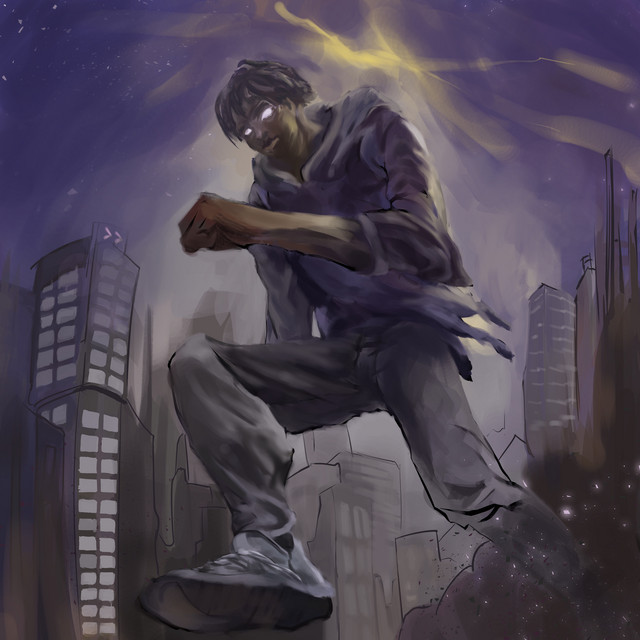
3. Hex
Bark Psychosis, with "Hex," basically gave birth to a genre without even trying. It’s an album that unfolds slowly, meticulously, like a fog rolling in over a desolate landscape. You get these ethereal vocals, distant guitar echoes, and subtle electronics weaving together, crafting dense, melancholic atmospheres. It felt like the soundtrack to a city waking up in a dream, a profoundly atmospheric, almost spiritual listen that still resonates.
4. Tri Repetae
Autechre's "Tri Repetae" felt like the future arriving, cold and precise. This wasn't just IDM; it was a masterclass in algorithmic sound design, with intricate, often brutalist rhythms and textures that felt alien, yet completely captivating. It’s a dense, uncompromising listen, demanding your full attention as it reconstructs what electronic music could be, pushing boundaries with every calculated, complex beat.
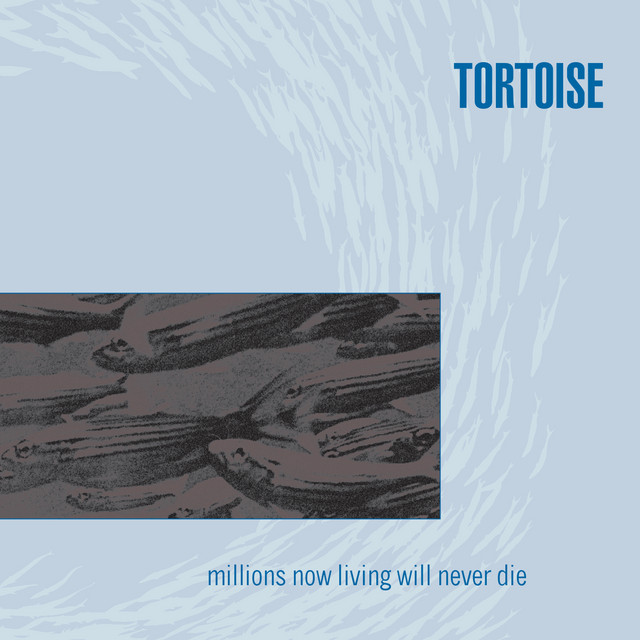
5. Millions Now Living Will Never Die
Tortoise’s "Millions Now Living Will Never Die" was a revelation, showing instrumental music could be both cerebral and deeply groovy. They took jazz, krautrock, and dub, then meticulously pieced it all together with a math-rock precision that felt utterly natural. It wasn't about big hooks, but about the intricate interplay, the subtle shifts, and the sheer joy of watching a band build such complex, yet always compelling, sonic architecture.

6. Exploded Drawing
Stereolab, with "Exploded Drawing," really solidified their unique blend of motorik repetition, breezy French pop, and sharp political commentary. It’s an album that sounds both retro and incredibly forward-thinking, full of shimmering keys, understated grooves, and Laetitia Sadier's cool, detached vocals. You could get lost in its sophisticated arrangements, a truly elegant and intelligent take on indie rock.
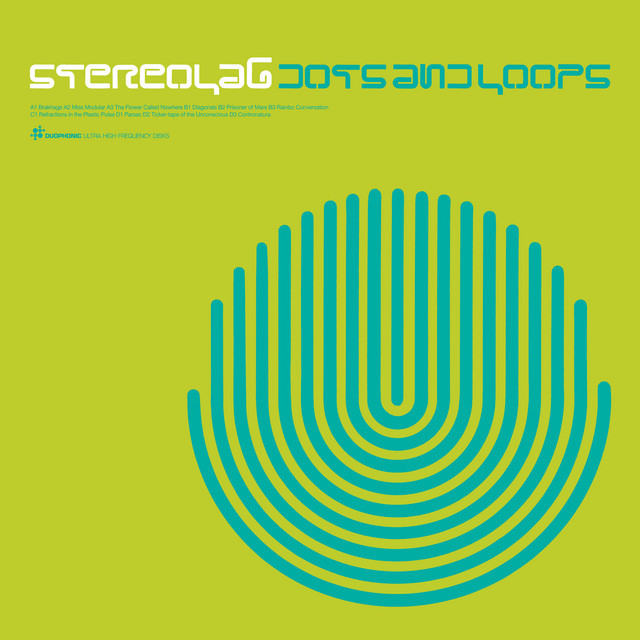
7. Dots And Loops (Expanded Edition)
"Dots and Loops" saw Stereolab leaning further into their bossa nova and lounge influences, all filtered through their distinct krautrock lens. It’s lush, sophisticated, and wonderfully intricate, with arrangements that feel both effortless and meticulously crafted. The "Expanded Edition" simply reminds us of the wealth of ideas they explored, making a great album even richer, a truly warm and cerebral experience.
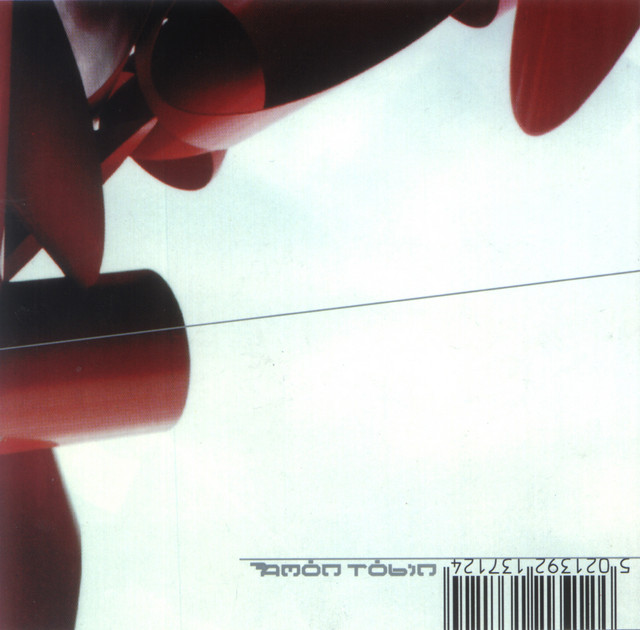
8. Bricolage
Amon Tobin’s "Bricolage" was just mind-blowing. He didn't just sample; he deconstructed and rebuilt sound into something entirely new, a dark, cinematic trip-hop landscape. Those jazz breaks, the subterranean bass, the sheer density of the textures – it was like stepping into a gritty, nocturnal film noir. His precision and creativity with the sampler felt revolutionary, crafting an immersive, almost tactile sonic world.
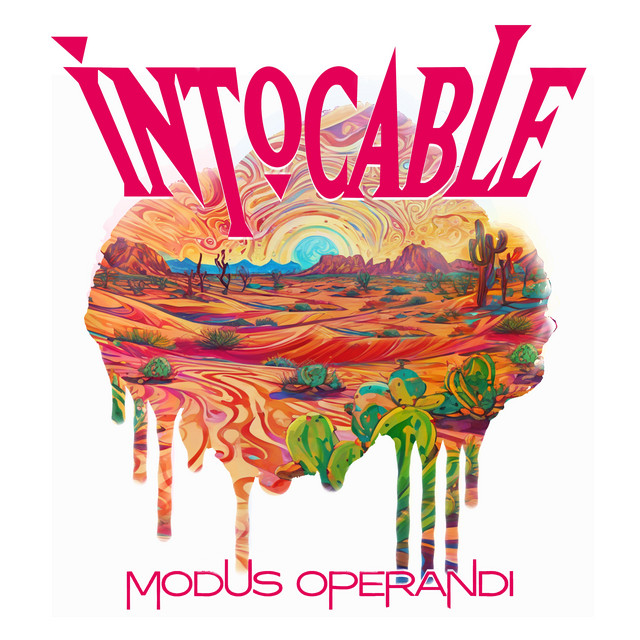
9. Modus Operandi
Photek's "Modus Operandi" remains a cornerstone of intelligent drum-and-bass, a stark, precise masterpiece. He stripped away the fluff, leaving only intricate breakbeats, deep basslines, and an atmosphere thick with tension. It’s incredibly rhythmic, almost minimalist in its approach, yet endlessly complex and hypnotic. This wasn't just dance music; it was a meticulously engineered sonic labyrinth, demanding respect for its sheer craft.