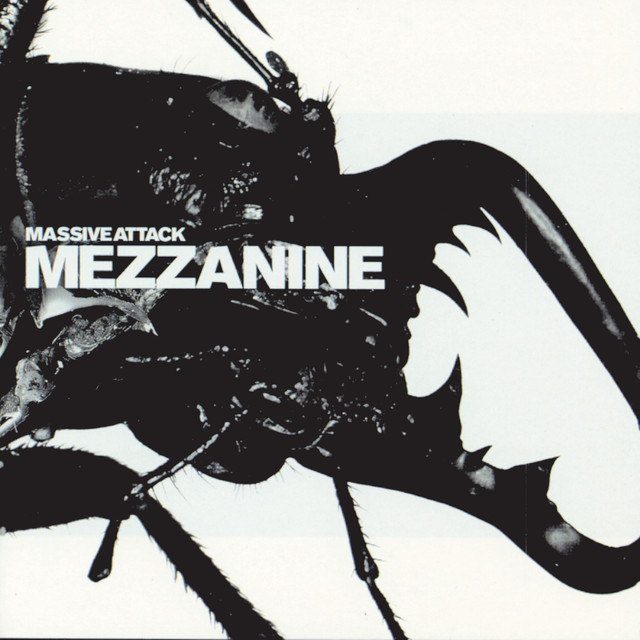
1. Mezzanine
This one just *felt* like the future, even if it was a dark, rain-slicked one. Massive Attack perfected that trip-hop dread, weaving samples and live instrumentation into something utterly cinematic. It was the soundtrack to late-night internet dives, to feeling overwhelmed by a world speeding up, yet standing still. The bass lines still hit like a physical presence, a digital ghost in the machine.
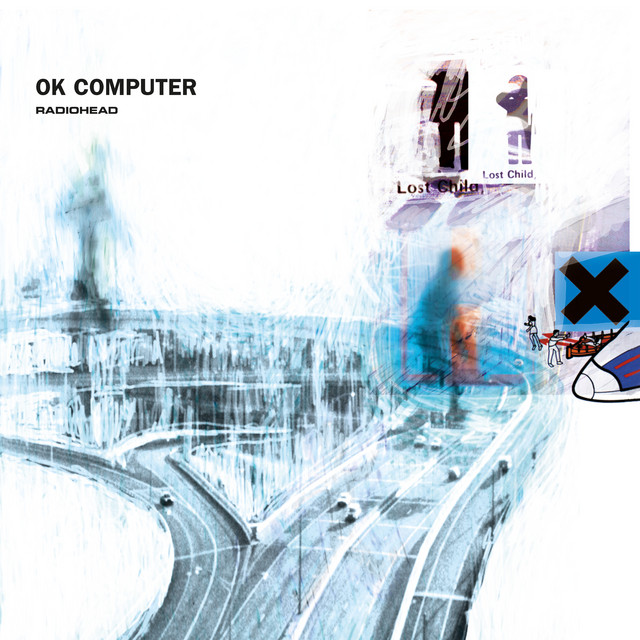
2. OK Computer
Radiohead bottled the growing anxiety of the late '90s. This wasn't just another rock album; it was a sprawling, melancholic commentary on technology, isolation, and what it meant to be human amidst all that digital noise. The guitars soared and crashed, but it was the underlying hum of unease, the subtle electronic textures, that really sunk its teeth in. A truly prophetic listen.
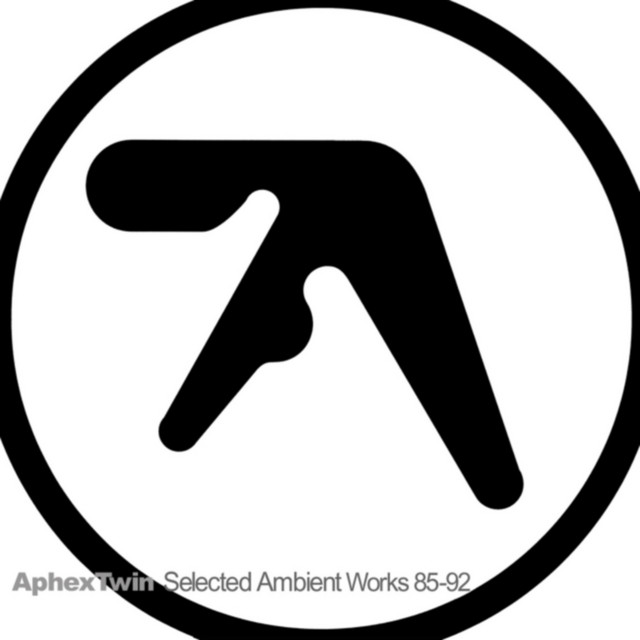
3. Selected Ambient Works 85-92
Aphex Twin pretty much laid the groundwork for so much electronic music that came after. Hearing this back then felt like peering into another dimension, where machines could craft beauty and melancholy with equal measure. It wasn't just background noise; it demanded attention, creating entire worlds out of intricate beats and shimmering synths. A masterclass in digital atmosphere.
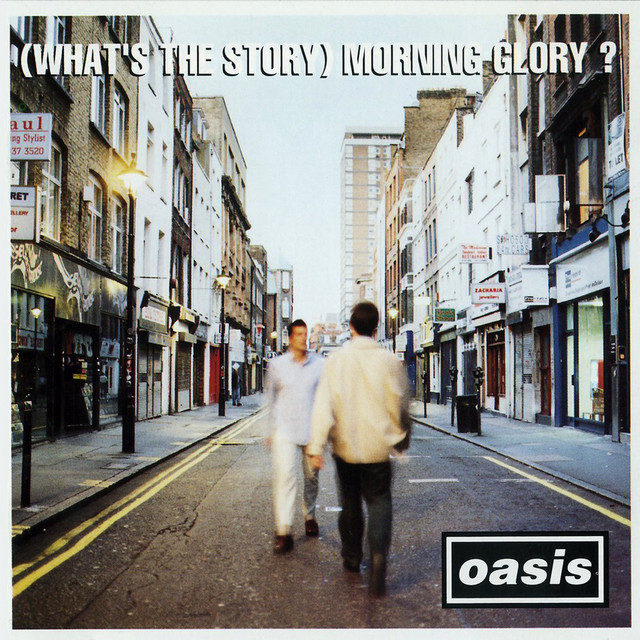
4. (What's The Story) Morning Glory?
Oasis ruled the airwaves, embodying that swaggering Britpop confidence. It was all about massive choruses and guitars that sounded like the whole world was singing along. Yeah, it was brash, a bit much sometimes, but it captured a moment, a feeling of youthful exuberance that transcended the digital noise starting to creep in. Pure, unadulterated rock 'n' roll anthems.
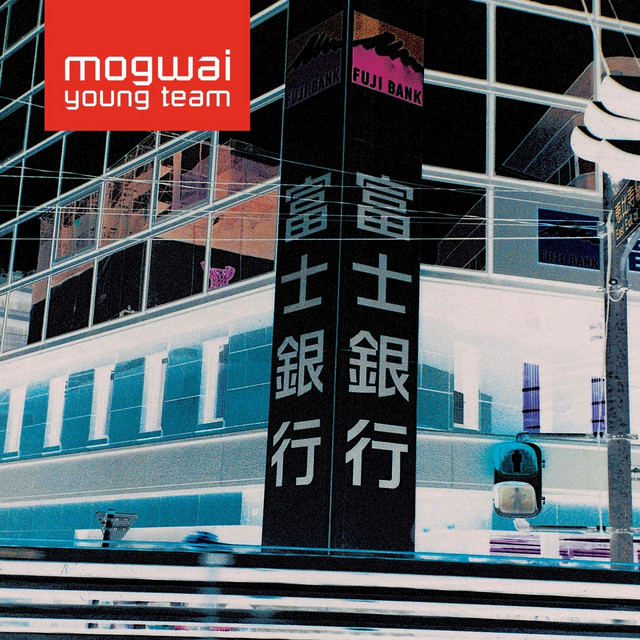
5. Young Team
Mogwai showed what guitars could *really* do beyond verse-chorus. This record was an emotional rollercoaster, building from quiet introspection to massive, cathartic walls of sound. It felt like a conversation without words, just pure sonic architecture. For anyone tired of grunge's hangover, this post-rock masterpiece offered a different kind of intensity, a deep, sprawling digital landscape.
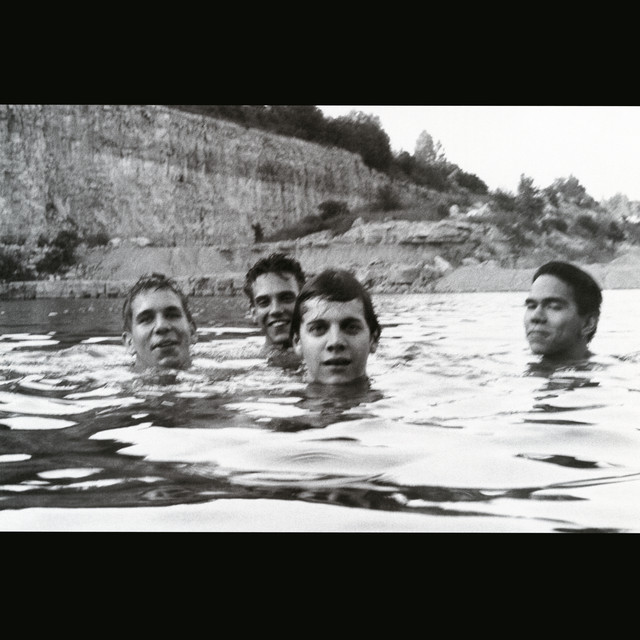
6. Spiderland
Slint’s `Spiderland` was this mythical beast, passed around on burned CDs, whispered about. It was angular, unsettling, and utterly captivating. Math-rock before anyone really called it that, its fractured narratives and sudden bursts of noise felt like a glitch in the matrix, but a deeply intentional one. It demanded your full attention, a stark, almost confrontational intimacy.
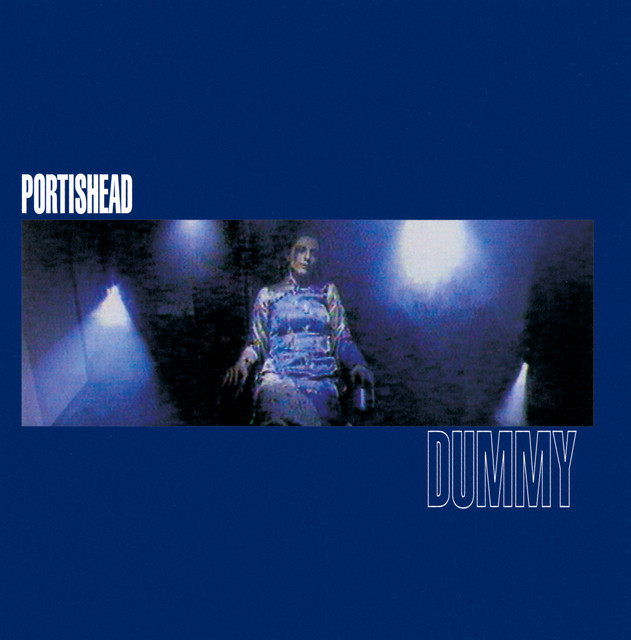
7. Dummy
Portishead introduced such a distinct, smoky atmosphere. Beth Gibbons' voice, those dusty samples, the scratches – it was trip-hop at its most emotionally raw and cinematic. This album felt like stumbling into a film noir dream, digitally reconstructed but with a beating, bruised heart. It wasn't just music; it was a mood, a whole universe you could get lost in, late at night.
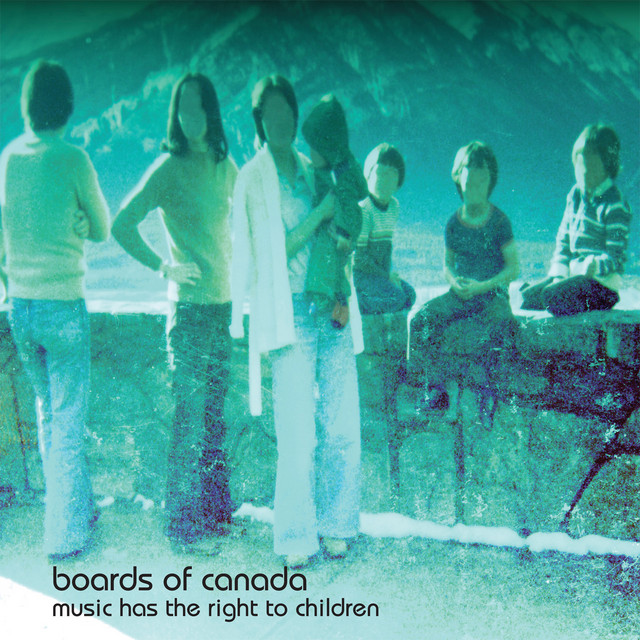
8. Music Has The Right To Children
Boards of Canada created this beautifully hazy, nostalgic electronica that felt both ancient and futuristic. Those warm, analog synth tones and crackling samples evoked forgotten childhood memories, digitally processed into something utterly unique. It was comfort and unease intertwined, a perfectly curated sonic scrapbook that truly felt like a secret discovered.
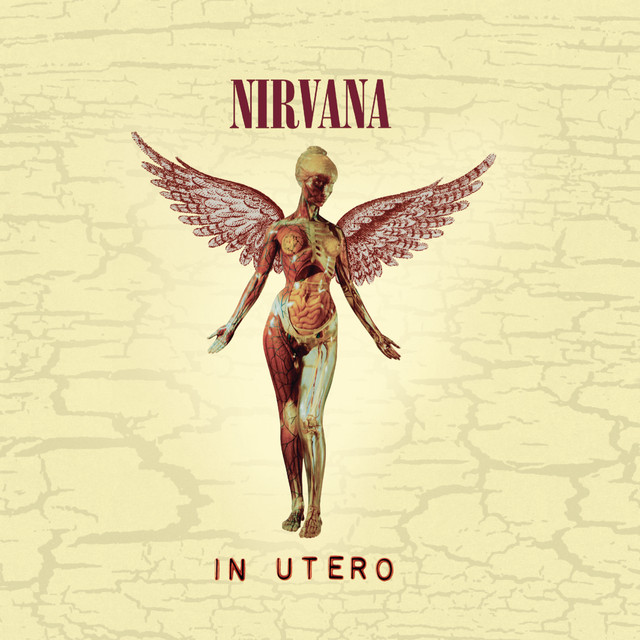
9. In Utero
Nirvana’s final statement was a glorious mess, stripping away the polish of `Nevermind` for something raw and visceral. It was noisy, sometimes ugly, but intensely honest. This wasn't selling out; it was Kurt Cobain screaming into the void, pushing against the rising tide of commercialism with jagged guitars and unvarnished emotion. Grunge at its most essential, refusing to play nice.