

1 / 9
1. The Vanishing
George Sluizer’s original Dutch thriller is a masterful exercise in dread, a chilling exploration of obsession that avoids cheap scares for a more insidious, psychological torment. It is not merely a mystery, but a profound inquiry into the nature of evil and the lengths one might go to understand it. The film’s terrifying power lies in its relentless pursuit of a singular, horrifying question, culminating in a conclusion that remains deeply unsettling, long after the credits roll.
2 / 9

2. Wake in Fright
Ted Kotcheff’s unflinching descent into the heart of Australian darkness remains a raw, visceral experience. This is a film that peels back layers of civility to expose a primal, almost ritualistic male aggression, fueled by isolation and alcohol. Its protagonist’s journey into the outback becomes a harrowing psychological ordeal, reflecting a discomforting truth about humanity when untethered from societal constraints. The film’s restoration brought this lost gem back into the cinematic consciousness with deserved force.
3 / 9
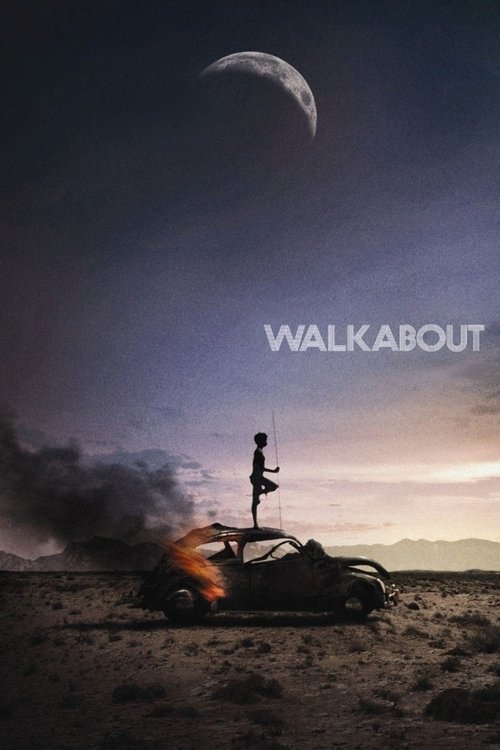
3. Walkabout
Nicolas Roeg, a true visionary, crafts a visually stunning and deeply enigmatic tale of survival and cultural collision in the Australian wilderness. It follows two British children and an Aboriginal boy, navigating a landscape both beautiful and unforgiving. Roeg’s poetic editing and non-linear narrative invite a meditative interpretation, exploring themes of innocence, civilization versus nature, and the inevitable misunderstandings between disparate worlds. It is a film that lingers, prompting reflection on our place within the natural order.
4 / 9
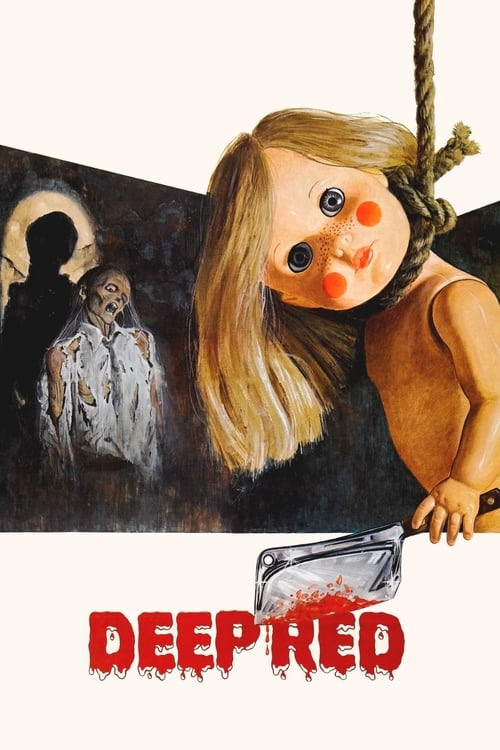
4. Deep Red
Dario Argento’s giallo masterpiece is a dazzling symphony of blood, style, and intricate plotting. With its vibrant cinematography, iconic Goblin score, and elaborately staged murder sequences, it elevates the slasher subgenre to an art form. The film’s narrative weaves a complex web of memory, trauma, and deception, forcing the viewer into a dizzying puzzle alongside its protagonist. This is Argento at the peak of his powers, crafting a cinematic experience that is as intellectually stimulating as it is graphically thrilling.
5 / 9

5. Kwaidan
Masaki Kobayashi’s anthology of traditional Japanese ghost stories is a breathtaking achievement in visual storytelling. Each segment is a meticulously crafted tableau, employing stunning production design, painterly color palettes, and theatrical staging to evoke a sense of otherworldly beauty and dread. It is a film that moves with a deliberate, almost hypnotic rhythm, allowing its spectral tales to unfold with an exquisite sense of folklore and poetic melancholy. A truly unique and atmospheric horror experience.
6 / 9
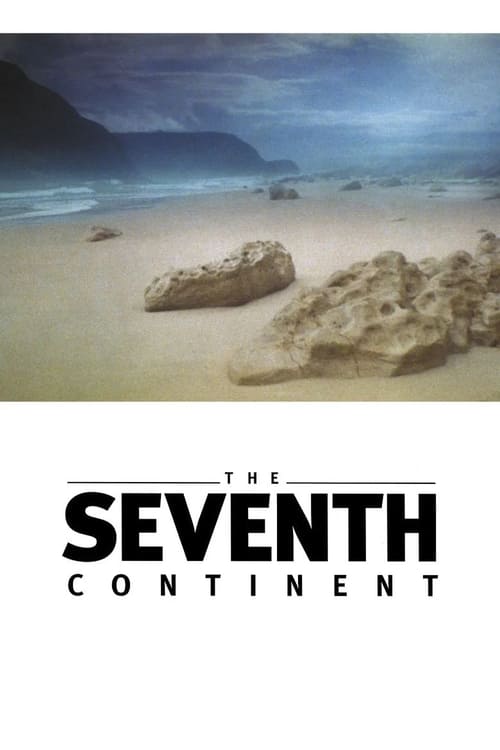
6. The Seventh Continent
Michael Haneke’s debut feature is a stark, methodical dissection of bourgeois despair and the quiet desperation of modern life. Filmed with Haneke’s characteristic clinical gaze, it chronicles a seemingly ordinary family’s descent into self-destruction, driven by an unarticulated malaise. The film offers a chilling indictment of consumerism and societal alienation, presenting its narrative with a dispassionate objectivity that makes its ultimate conclusion profoundly disturbing. It is an intellectual challenge, not an easy viewing experience.
7 / 9

7. On the Silver Globe
Andrzej Żuławski’s epic, unfinished, and eventually restored sci-fi odyssey is a singular, hallucinatory vision. Banned and truncated for years, this film, even in its incomplete state, is a monumental philosophical allegory exploring humanity’s cyclical nature through a dystopian space colonization. Its raw, chaotic energy, combined with breathtaking visuals and profound existential questions, creates a mesmerizing and often overwhelming experience. It represents a truly audacious, uncompromising work of cinematic ambition, finally accessible to intrepid viewers.
8 / 9

8. Werckmeister Harmonies
Béla Tarr’s magnum opus is a mesmerizing, almost spiritual experience, unfolding in a series of meticulously composed, extraordinarily long takes. Set in a bleak Hungarian town gripped by an unsettling societal unrest, the film uses the arrival of a mysterious circus attraction to explore themes of chaos, order, and the human condition. Its stark black-and-white cinematography and deliberate pacing create an immersive, almost trance-like state, demanding patience but rewarding it with profound, unforgettable imagery and philosophical depth.
9 / 9
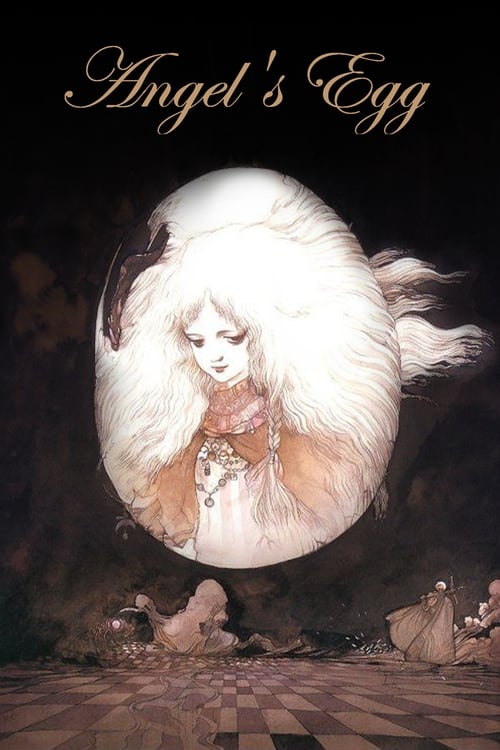
9. Angel's Egg
Mamoru Oshii’s animated masterpiece is a haunting, dialogue-sparse allegory that defies easy categorization. Set in a desolate, post-apocalyptic world, it follows a young girl guarding a mysterious egg and an enigmatic warrior. The film is a feast for the eyes, with stunning, intricate visuals and an oppressive, melancholic atmosphere. It functions more as a visual poem or an existential dream, inviting personal interpretation on themes of faith, loss, and the search for meaning in a decaying world. A truly unique piece of anime history.