

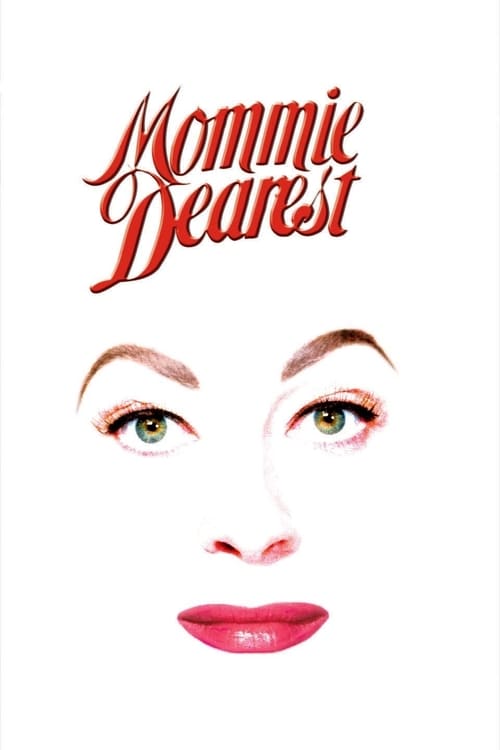
1. Mommie Dearest
Faye Dunaway's legendary turn as Joan Crawford immortalized a chilling portrayal of maternal abuse, transcending mere biography to become a camp touchstone. Yet, beneath the wire hangers and theatrical outbursts, the film offers a stark, if melodramatic, examination of how celebrity and insecurity can twist the sacred bond, leaving a legacy of profound psychological damage and questioning the very nature of devotion.
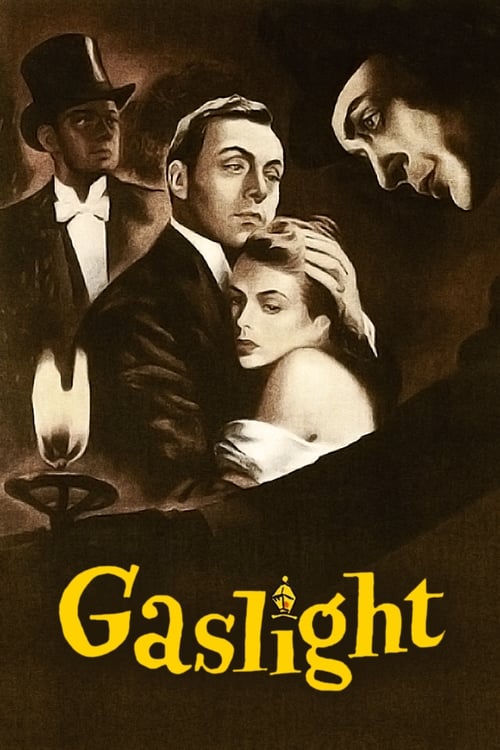
2. Gaslight
While not strictly about parental devotion, *Gaslight* is foundational in depicting insidious psychological control, a dynamic tragically mirrored in many abusive familial relationships. Ingrid Bergman’s tormented performance as Paula, whose reality is systematically dismantled by her husband, showcases the devastating impact of such manipulation. It is a cinematic ancestor to narratives where trust, particularly within a power imbalance, becomes a weapon, corroding identity and agency.
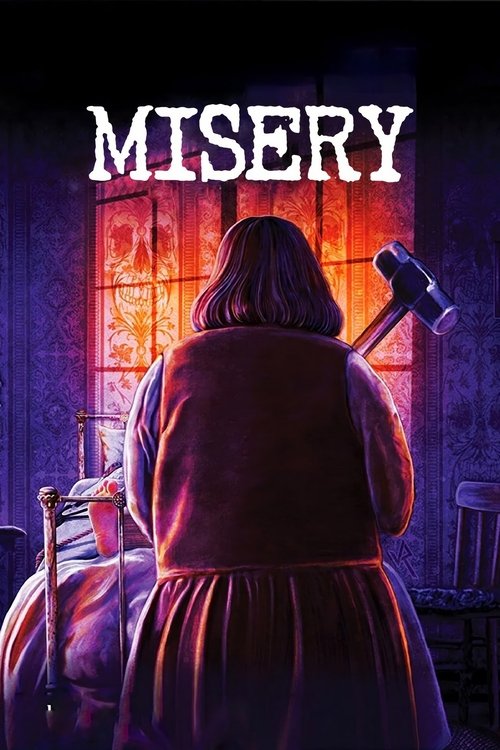
3. Misery
Annie Wilkes, Kathy Bates' iconic Oscar-winning role, embodies a terrifying perversion of care. Her 'number one fan' persona quickly devolves into possessive, violent control, a grotesque caricature of maternal devotion. Paul Sheldon's captivity under her 'loving' gaze forces us to confront how affection, when untethered from empathy and respect, can become a prison. This film brilliantly explores the dark side of adoration, questioning where protection ends and tyranny begins.

4. Black Swan
Darren Aronofsky's *Black Swan* masterfully intertwines Nina's artistic ambition with the suffocating influence of her overbearing mother, Erica. Erica's vicarious living through Nina's ballet career isn't merely supportive; it’s a psychological vise, contributing to Nina's terrifying descent into madness. The film dissects the fine line between encouragement and control, suggesting that parental dreams, when projected too forcefully, can deform a child's identity and destroy their very sense of self.

5. Room
Lenny Abrahamson’s *Room* presents a visceral exploration of maternal devotion under unimaginable duress. Ma’s unwavering commitment to shielding Jack from their horrific reality, crafting a universe within their confined space, is profoundly moving. Yet, the film also subtly examines the complexities of this bond post-captivity; how trauma shapes it, and the immense, difficult act of allowing a child to experience a world that is both liberating and terrifyingly new.

6. Precious
*Precious* is a harrowing, unflinching portrait of intergenerational trauma and profound maternal abuse. Mary, Precious’s mother, embodies a cycle of pain and neglect that is almost unbearable to witness. Lee Daniels doesn't shy away from the brutal reality, forcing audiences to confront how societal failures and personal demons can warp the very concept of parental care, making survival itself an act of defiance and a testament to an individual's spirit.

7. What Ever Happened to Baby Jane?
Robert Aldrich’s gothic masterpiece pits Bette Davis and Joan Crawford against each other in a chilling ballet of resentment and dependency. Jane Hudson's grotesque 'care' for her crippled sister Blanche is a toxic cocktail of guilt, sadism, and a warped sense of theatrical performance. This film is a potent examination of how past grievances, combined with an unhealthy codependency, can transform the supposed sanctity of familial bonds into a horrifying spectacle of mutual destruction.

8. Carrie
Brian De Palma's *Carrie* offers a chilling depiction of maternal devotion twisted into religious fanaticism and extreme repression. Margaret White's pathological control over her daughter, rooted in a distorted interpretation of faith, creates a pressure cooker of adolescent angst. When that pressure inevitably explodes, Carrie's telekinetic rampage becomes a tragic, visceral manifestation of suppressed trauma and a devastating critique of how abusive 'love' can lead to unimaginable destruction.
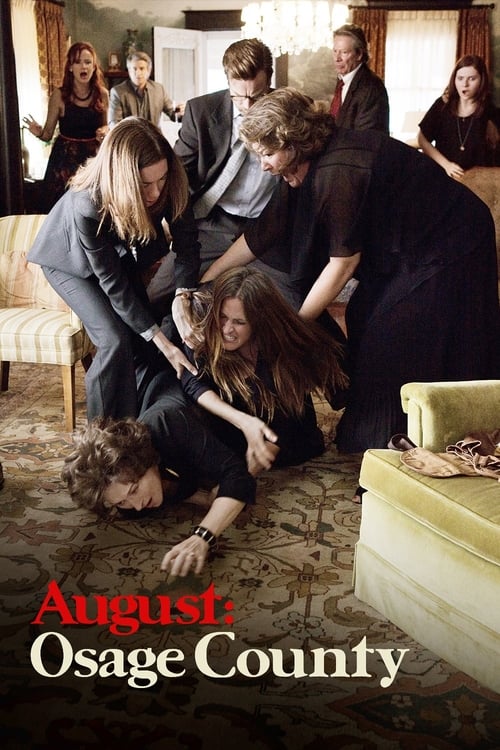
9. August: Osage County
This ensemble piece, adapted from Tracy Letts' searing play, dissects the toxic matriarchy of the Weston family. Meryl Streep's Violet, a pill-popping, acid-tongued mother, weaponizes her parental role, inflicting decades of psychological damage. The film exposes how familial loyalty can be a perverse obligation, revealing the deep-seated resentments and unspoken truths that fester beneath the surface, turning a family gathering into a brutal, often darkly comedic, excavation of pain.