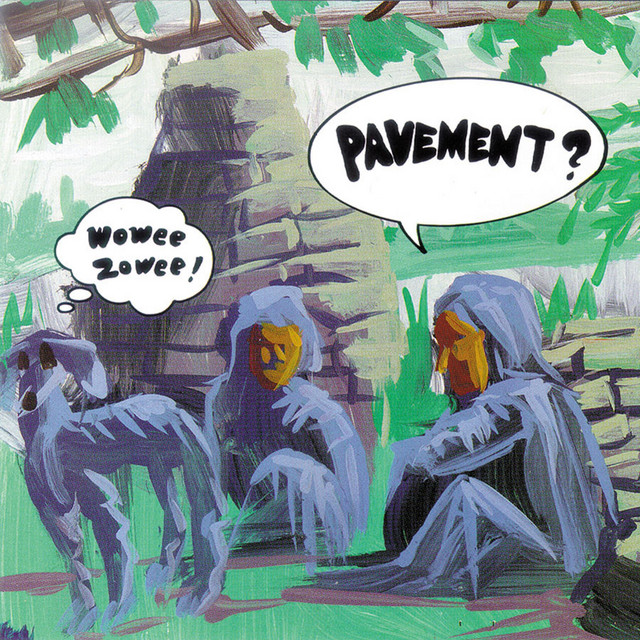
1. Wowee Zowee
Pavement's third album was a glorious, messy pivot. It swerved from slacker anthems to jarring noise, then back to crooked pop. This wasn't a polished statement; it was a band throwing ideas at the wall, and somehow, nearly every one stuck. Its sprawling, unkempt brilliance felt like a digital archive of indie rock's chaotic heart, a perfect document of a band refusing to be pinned down by expectations of commercial accessibility, cementing their cult status.
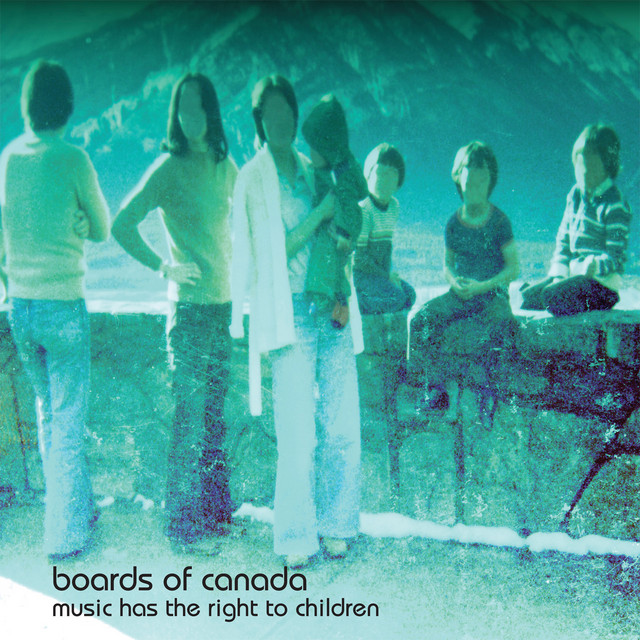
2. Music Has The Right To Children
Boards of Canada crafted more than an album; they built a world. These tracks hummed with a spectral, analog warmth, pulling dusty, half-forgotten samples from childhood films and nature documentaries. It felt like stumbling upon a VHS tape of your own lost memories, filtered through a haze of lo-fi electronics. A truly immersive, almost sacred experience, it redefined ambient and IDM, becoming an undeniable classic for its uniquely melancholic, nostalgic glow.
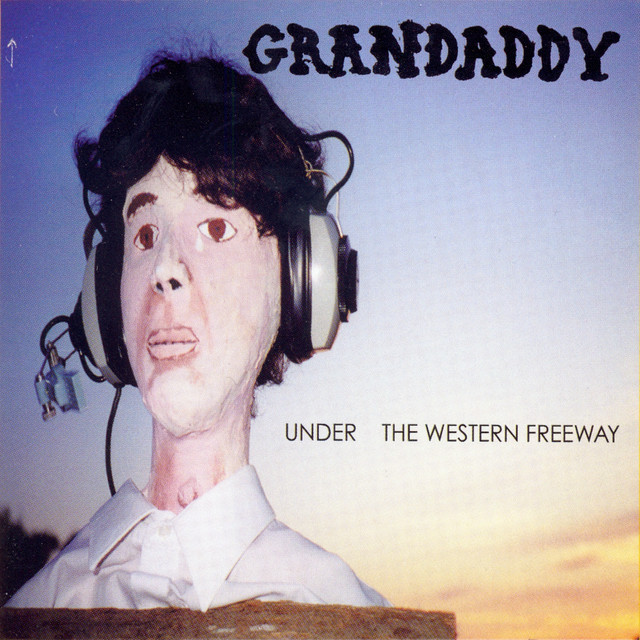
3. Under the Western Freeway
Grandaddy’s debut felt like a poignant postcard from a dying small town, narrated by a lonely astronaut. Jason Lytle’s weary voice draped over synthesizers and crunchy guitars, painting pictures of forgotten technology and rural ennui. It perfectly captured the bittersweet ache of watching the world change while you felt stuck, a digital-age lament wrapped in warm, lo-fi indie rock. A true gem of understated emotional depth.
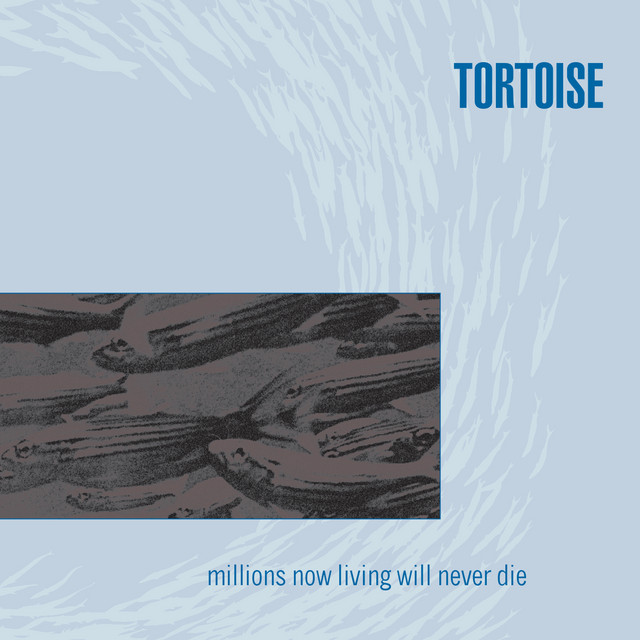
4. Millions Now Living Will Never Die
Tortoise’s second record was a seismic shift for instrumental music. They took jazz’s improvisational spirit, krautrock’s motorik pulse, and IDM’s intricate programming, weaving them into something entirely new. It wasn't just 'background music'; it demanded attention with its complex, interlocking grooves and evolving soundscapes. This album didn't just define post-rock; it kicked open the door to a sprawling, ambitious new sonic architecture for the late 90s.
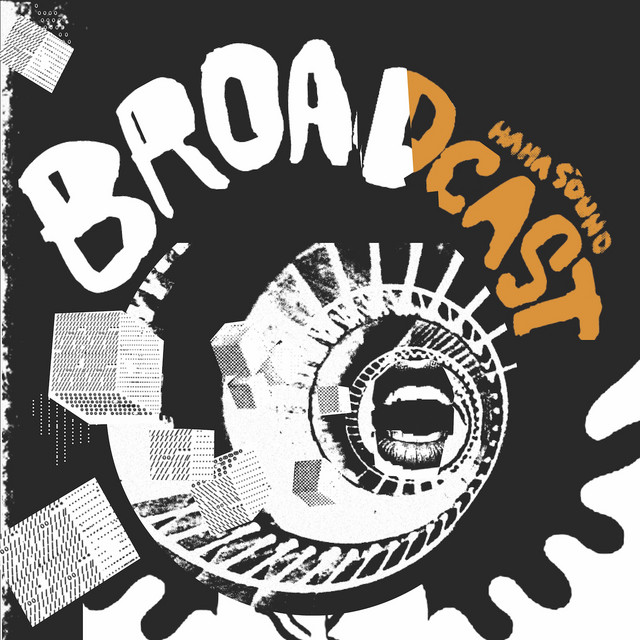
5. Haha Sound
Broadcast’s third album was a beautifully unsettling journey into retro-futuristic soundscapes. Trish Keenan’s voice, a cool, hypnotic presence, floated above swirling analog synths, precise drums, and found sounds. It evoked forgotten sci-fi soundtracks and 60s psychedelia, but with a distinctly modern, almost uncanny edge. This record felt like a dream from a parallel dimension, a perfectly crafted, subtly melancholic digital artifact.
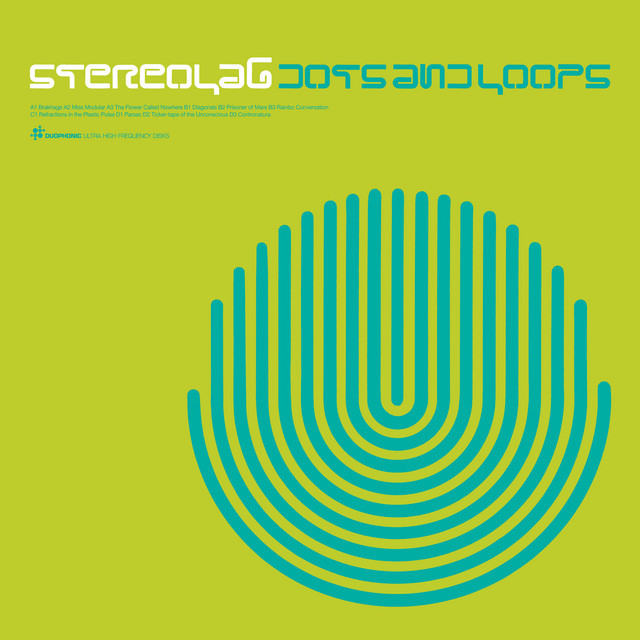
6. Dots And Loops (Expanded Edition)
Stereolab’s masterwork blurred the lines between experimental pop, lounge, and motorik precision. It was sleek, sophisticated, and surprisingly groovy, blending airy vocals with intricate arrangements of vibraphones, synths, and driving rhythms. This album proved that intellectual ambition didn't have to sacrifice accessibility. It felt like a perfectly designed piece of digital art, a high-fidelity soundtrack to a future that never quite arrived.
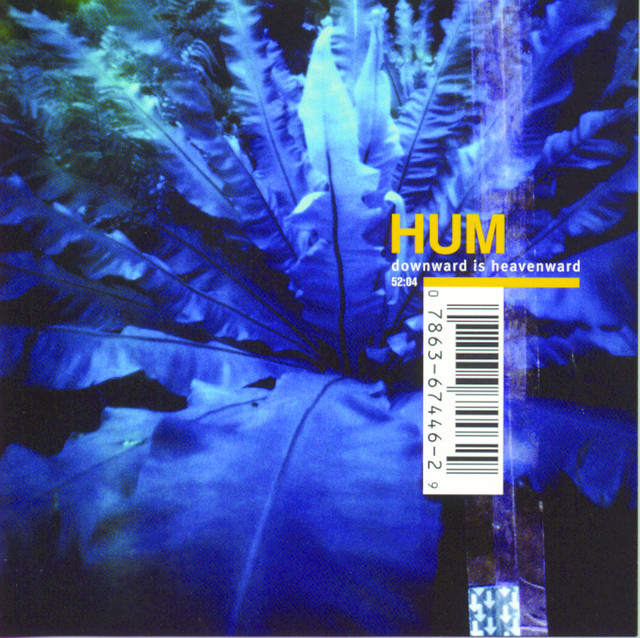
7. Downward Is Heavenward
Hum’s final album was an absolute wall of sound, a majestic roar of distorted guitars and cosmic longing. Yet, beneath the immense heaviness, Matt Talbott’s vocals offered a disarmingly melodic, almost ethereal counterpoint. It was space rock that felt grounded, shoegaze with an undeniable punch. This record captured the expansive, yearning spirit of late-90s alternative, a truly crushing yet beautiful sonic experience.
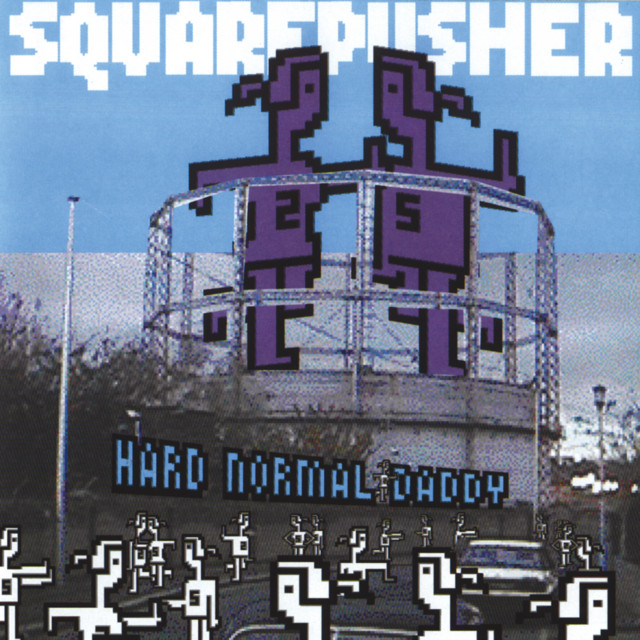
8. Hard Normal Daddy
Squarepusher, aka Tom Jenkinson, blew apart drum and bass expectations with this. It was a dizzying, virtuosic display of breakbeat science, blending lightning-fast programming with jazz fusion basslines and melodic flourishes. This wasn't just dance music; it was a complex, almost academic exercise in rhythm and sound design. It felt like the future of electronic music being unspooled at hyper-speed, a chaotic masterpiece.

9. Philophobia
Arab Strap's second record was a raw, unflinching exposé of mundane anxieties and messy relationships. Aidan Moffat’s spoken-word narratives, drenched in Scottish wit and melancholy, unravelled over sparse, lo-fi instrumentation. It was uncomfortable, intimate, and profoundly honest. This album felt less like music and more like eavesdropping on a particularly candid late-night conversation, a truly unique and enduring digital snapshot of human frailty.