

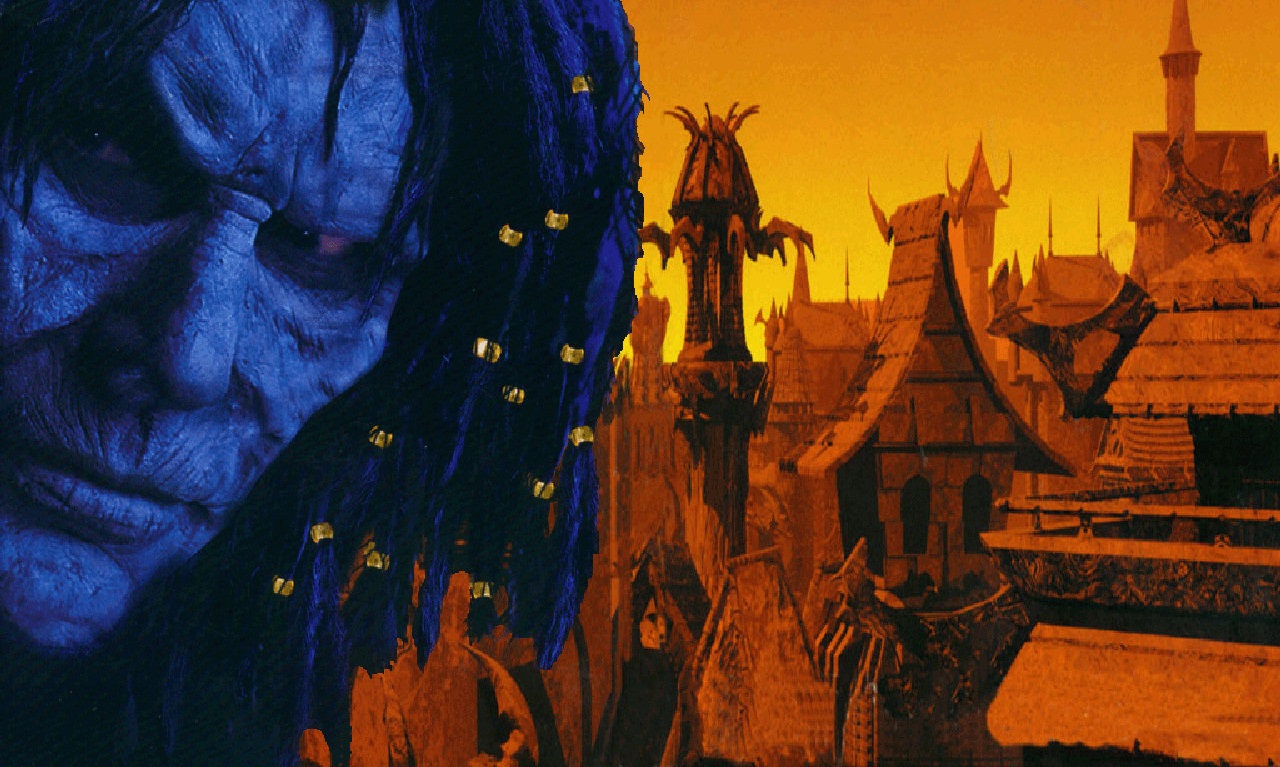
1. Planescape: Torment
Planescape: Torment, referring to the 1999 original, wasn't about epic heroics or saving the world, but self-discovery in a bizarre multiverse. Its strength lay in dialogue and philosophical quandaries over combat. Players navigated a story where words held more weight than swords, challenging traditional RPG progression and character archetypes. This narrative depth proved that games could tackle truly profound themes, pushing the boundaries of interactive storytelling beyond mere fantasy tropes.

2. Eternal Darkness: Sanity's Requiem
Eternal Darkness: Sanity's Requiem, from 2002, masterfully played with player perception. Its "Sanity Effects" system wasn't just a mechanic; it broke the fourth wall, making you question the game itself. Corrupted save files, fake error messages, and control inversions blurred the line between in-game horror and actual console malfunction. This groundbreaking approach to psychological terror redefined how games could directly manipulate the player's experience, proving that interaction could extend beyond the screen.
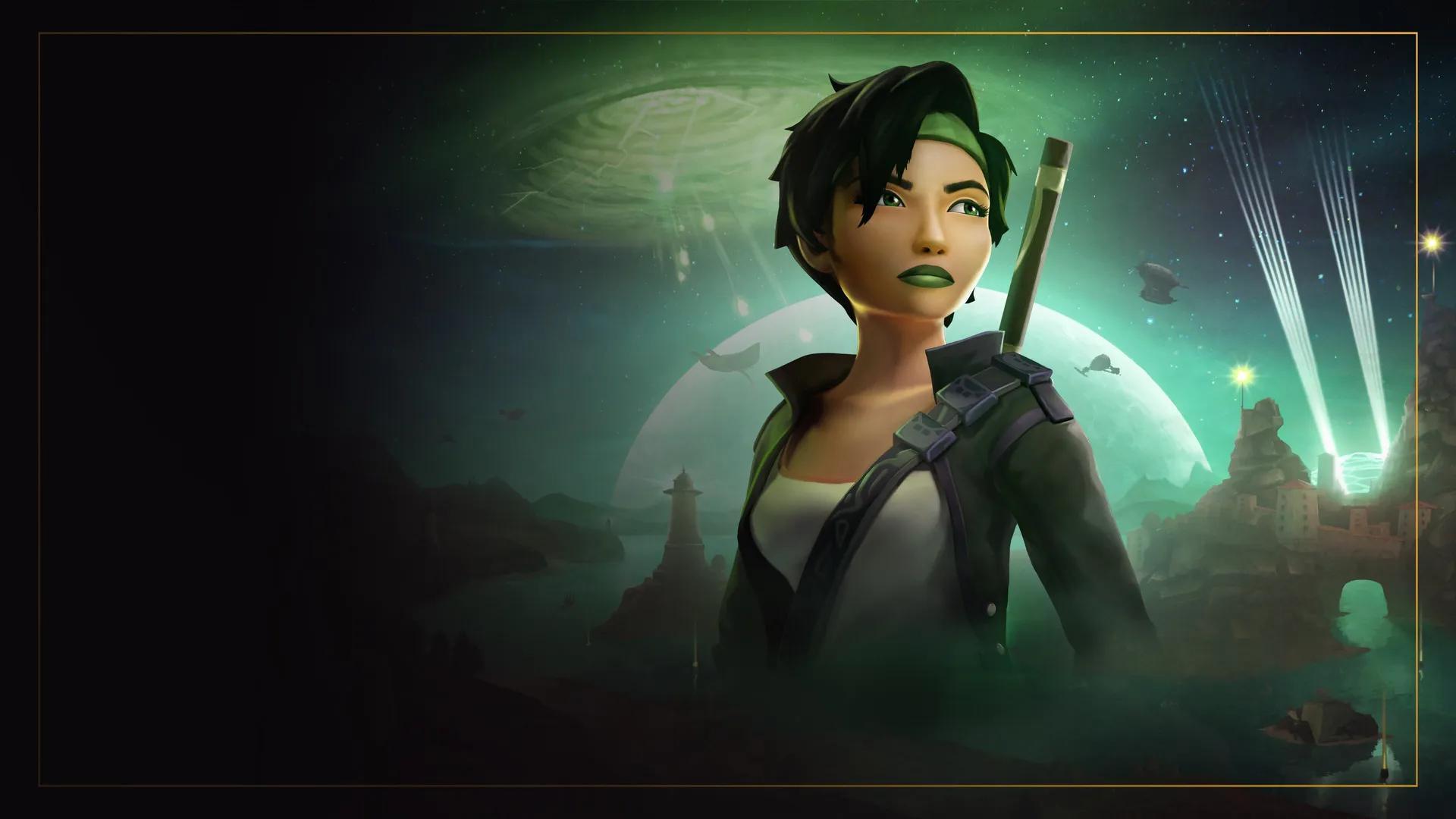
3. Beyond Good & Evil - 20th Anniversary Edition
The 20th Anniversary Edition of Beyond Good & Evil reminds us why the 2003 original was so special. It seamlessly blended stealth, combat, photography, and puzzle-solving with a compelling narrative and memorable characters. Jade's journey to uncover a galactic conspiracy felt urgent and personal, proving that action-adventure could embrace diverse gameplay mechanics without feeling disjointed. It pioneered a cinematic narrative style combined with genuine world-building that many games still strive to achieve.

4. Fahrenheit (Indigo Prophecy)
Fahrenheit, or Indigo Prophecy as it was known in North America, arrived in 2005 and pushed the envelope for interactive drama. It prioritized narrative consequence and player choice, using a "story matrix" that reacted dynamically to decisions. While its reliance on quick-time events was divisive, it committed fully to a cinematic experience, making players feel like directors of a supernatural thriller. It was a bold, if sometimes messy, precursor to modern narrative-driven adventure games.

5. Okami
Okami, originally released in 2006, redefined what a cel-shaded game could be. Its breathtaking sumi-e art style brought ancient Japanese mythology to life in a way no game had before. The Celestial Brush mechanic, allowing players to literally paint solutions onto the world, felt revolutionary and deeply integrated into gameplay. It demonstrated that artistic vision and innovative mechanics could elevate a familiar action-adventure structure, creating a timeless experience often compared favorably to its inspirations.
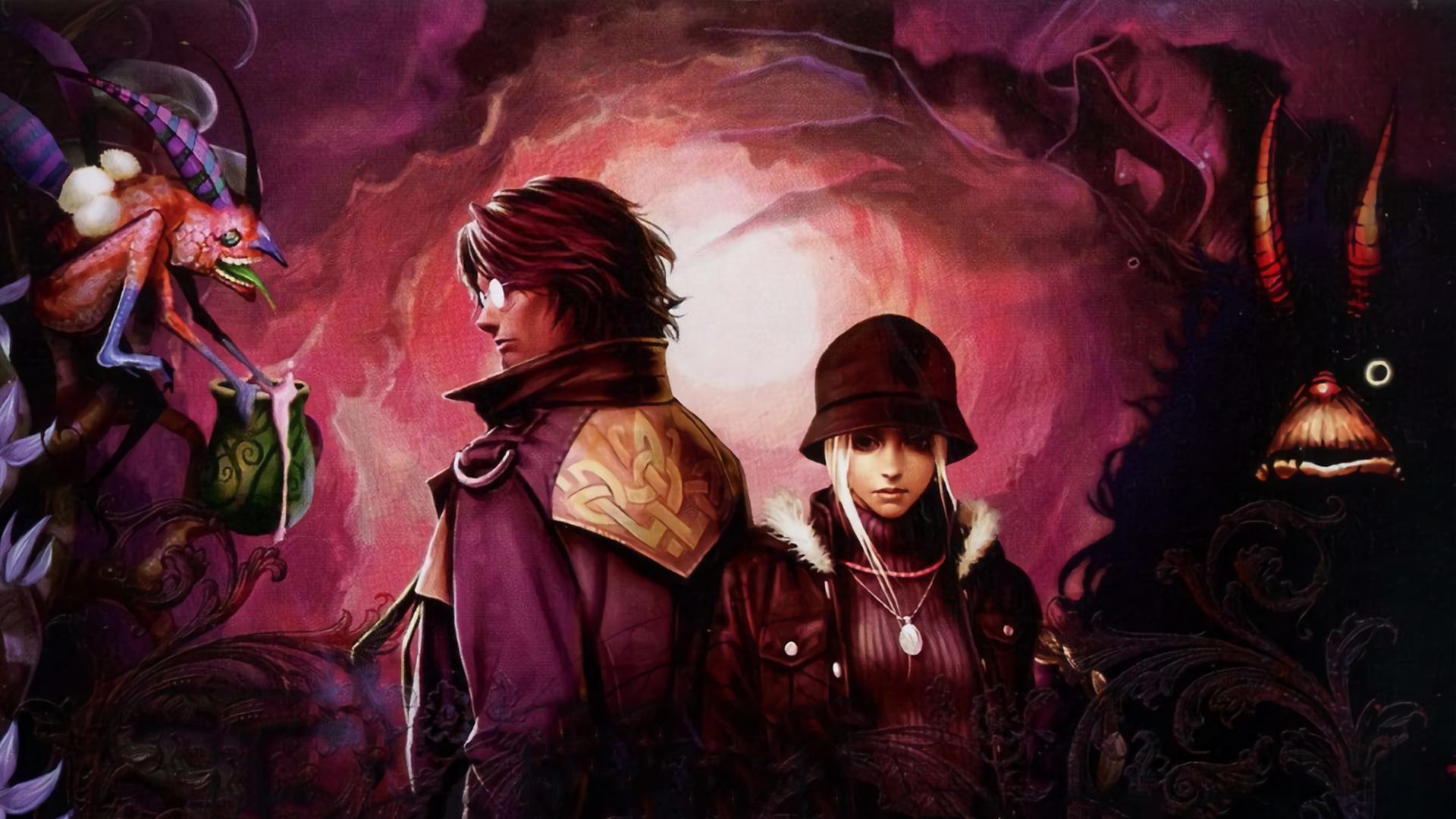
6. Folklore
Folklore, released in 2007, brought a distinct brand of dark fantasy to the PlayStation 3. Its unique combat system, where players literally "sucked" enemy souls into their controller via motion controls, was both innovative and deeply atmospheric. Drawing heavily from Irish and Celtic mythology, it crafted a haunting world of the dead and the living. This game proved that compelling narratives could be interwoven with truly unconventional mechanics, offering a fresh take on the action-RPG genre.
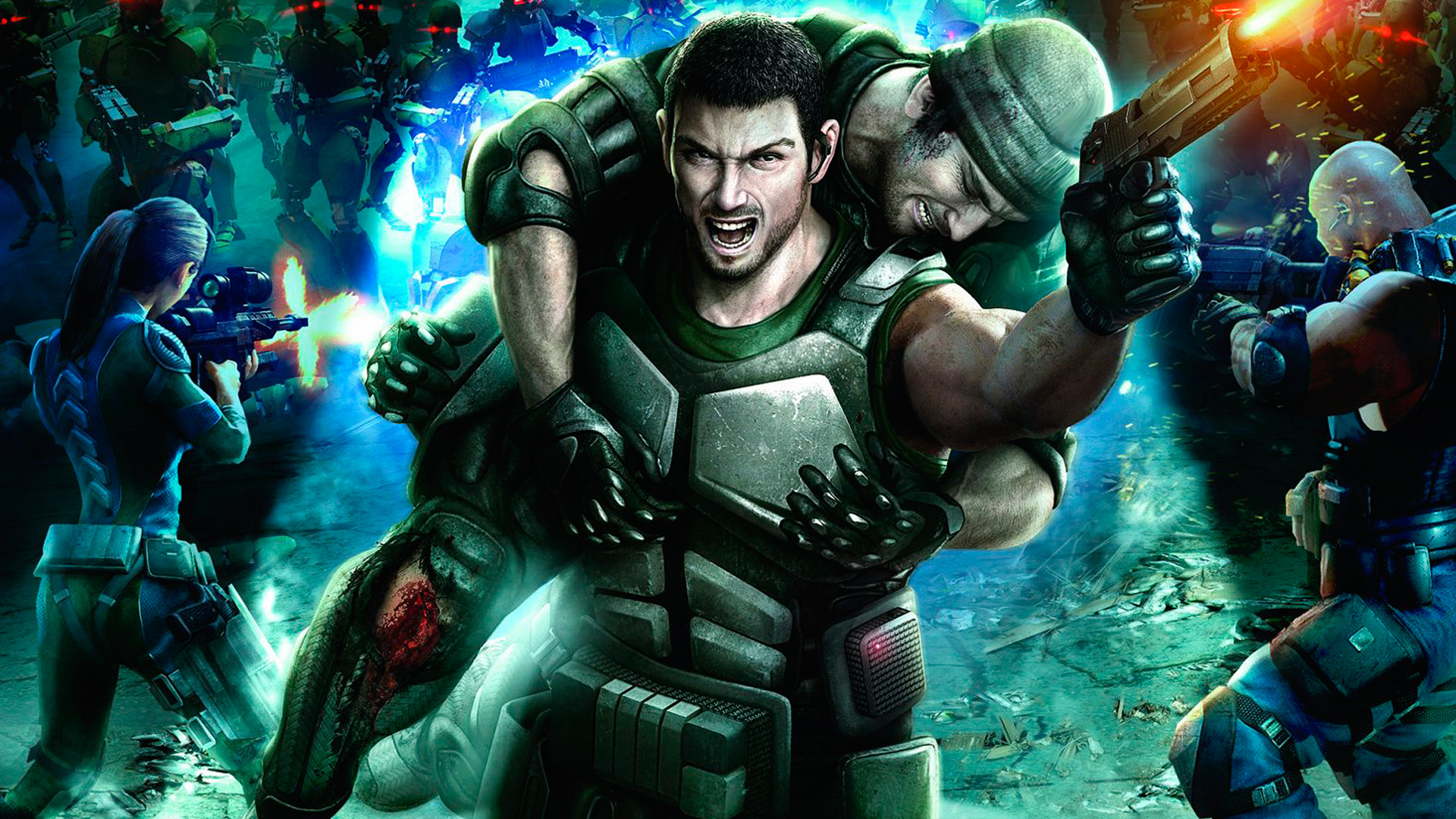
7. Binary Domain
Binary Domain, a 2012 third-person shooter, attempted something genuinely ambitious: an "Consequence System" that measured squadmate trust based on player actions and dialogue choices. This wasn't just flavor text; it directly impacted AI behavior and combat effectiveness. While imperfect, it signaled a desire to imbue AI companions with genuine personality and a sense of shared stakes, pushing against the typical mindless drone archetype and adding unexpected emotional depth to a shooter.
8. Pathologic 2
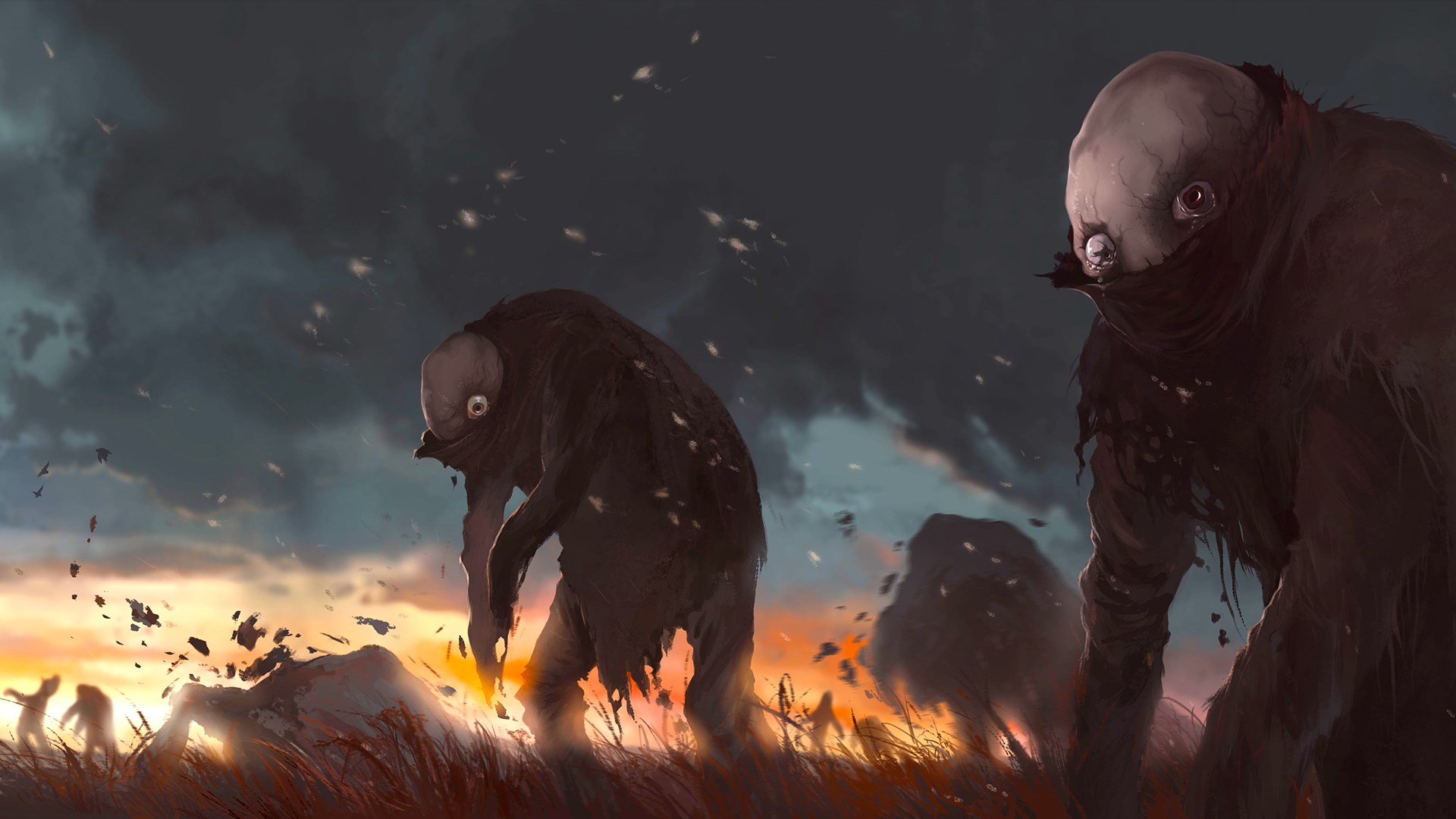
Pathologic 2, the 2019 reimagining, isn't just difficult; it's deliberately punishing, almost hostile. It forces players into impossible moral dilemmas and constant resource scarcity, subverting heroic power fantasies. Its narrative ambiguity and relentless psychological pressure create an experience less about winning and more about enduring. This game proved that deliberate design choices, even those that alienate some players, can forge a uniquely potent and unforgettable statement on survival and the human condition.
9. Vagrant Story (2000)
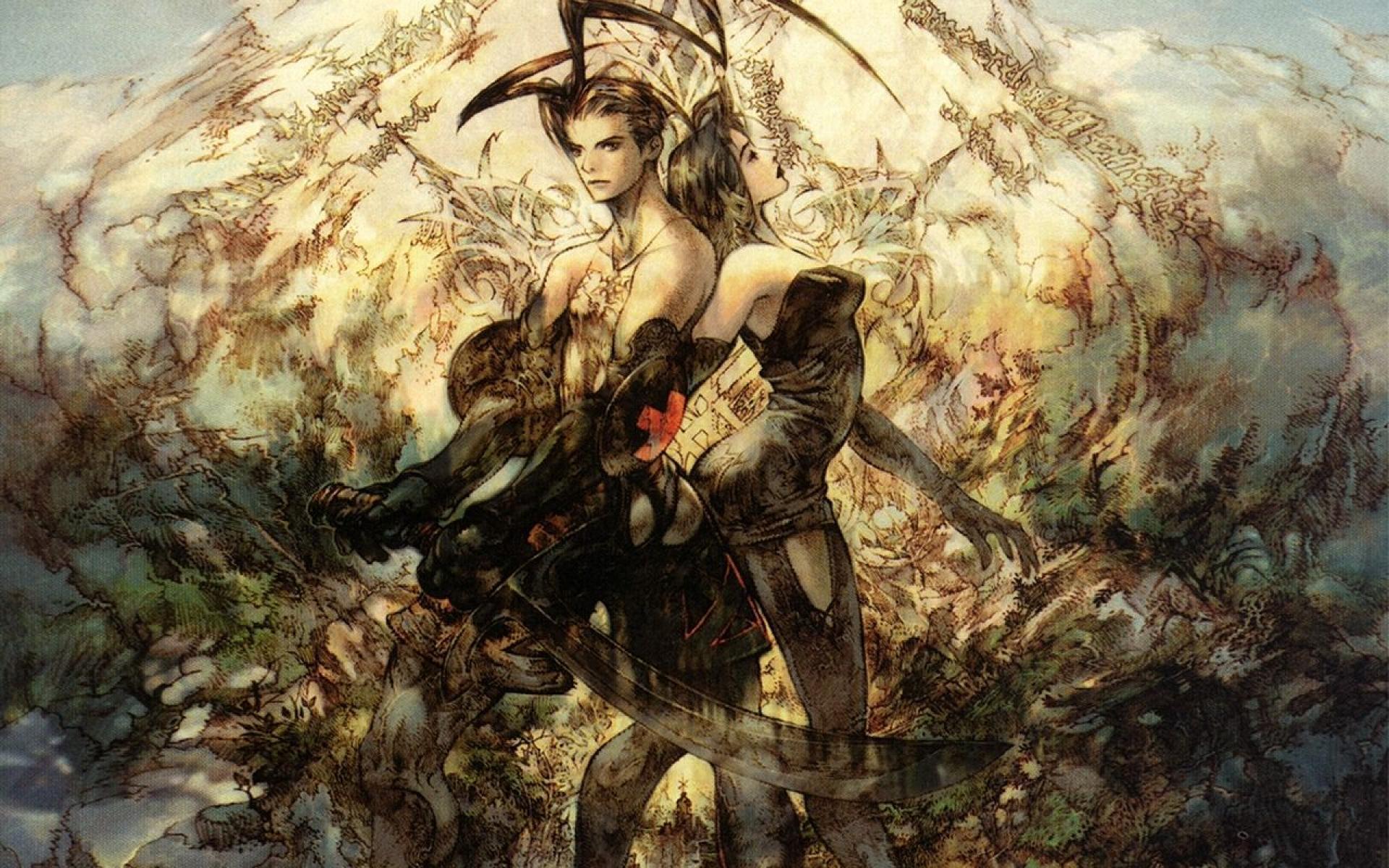
Vagrant Story, released in 2000, was a PlayStation masterpiece that defied easy categorization. It eschewed traditional RPG elements like shops and friendly NPCs, focusing instead on intricate weapon crafting and a deep, chain-based combat system. Ashley Riot’s journey through Lea Monde was a solitary, atmospheric affair, driven by a dense, Shakespearean narrative. Its complex, interconnected mechanics and mature presentation showcased a bold vision for what a console RPG could be, long before similar concepts became mainstream.