

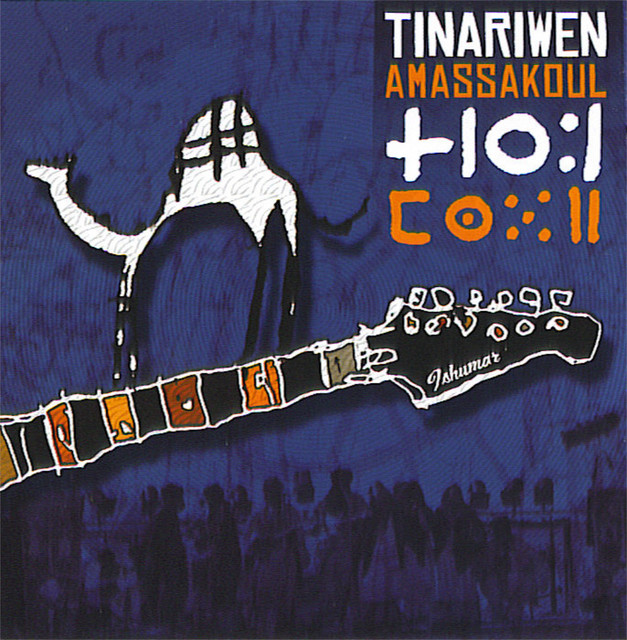
1. Amassakoul
This album, it’s primal. Tinariwen dropped 'Amassakoul' (2004) and rewired the desert blues into a global force. The guitar lines cut like wind over dunes, raw and electric, but the groove? That’s what sticks. It's got this urgent, almost hypnotic pulse that speaks to a deeper, older rhythm, yet it landed in the 2000s and felt utterly new, influencing everyone from indie kids to alt-rock titans. A foundational text for understanding how local sounds become universal anthems without losing their soul.

2. Shahbaaz
Okay, so 'Shahbaaz' isn't a single track you just stream, it's more like a vibe, a deep cut from the global rhythm archives. Imagine intricate tabla patterns, maybe a resonant sitar or a soaring vocal line weaving through, pushing and pulling. It’s that intricate, almost mathematical percussive language found across South Asia and the Middle East, demanding attention. It’s not background noise; it’s a living, breathing rhythmic entity that anchors you, a powerful reminder of how specific regional beats can just absolutely command a space.

3. The Devil is Loose
Wilson Pickett's 'The Devil is Loose' from his 1975 album? Absolute funk fire. This track isn't just a song; it's a blueprint for groove. That relentless, tight rhythm section, the horns punching through, Pickett's raw vocal energy—it's pure kinetic force. Before loops were a thing, this was the original breakbeat, driving dance floors and fueling early hip-hop. It’s got that gritty, undeniable energy that travels beyond its era, proving some rhythms are just universally infectious, no matter the decade.
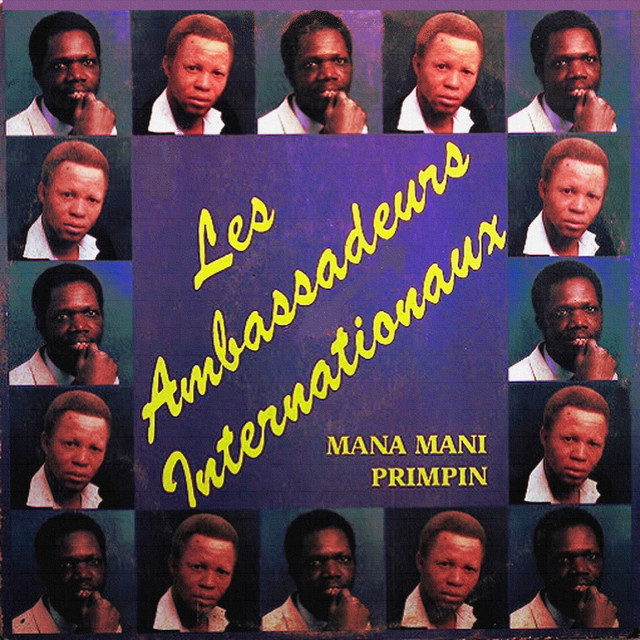
4. Mana mani - Primpin
'Mana Mani - Primpin' is pure West African genius. From Les Ambassadeurs du Motel de Bamako and a young Salif Keita (1975), this track is a masterclass in elegant, driving rhythm. The interlocking guitar lines, the brass weaving through, and Keita’s voice already hinting at his future superstardom – it’s just irresistible. It’s sophisticated, but totally danceable, showcasing how Malian music built a foundation for so much global Afropop. This isn't just a song; it's a cultural cornerstone, still vibrant.

5. How to Live with a Phantom
Shugo Tokumaru’s 2010 album title track, 'How to Live with a Phantom,' is pure sonic whimsy. It’s like a meticulously crafted music box exploded into an indie-pop symphony. The rhythms here aren't about brute force; they're intricate, almost toy-like, built from countless layered percussive elements and found sounds. It creates this beautifully dense, slightly surreal atmosphere. It proves that a rhythm can be both delicate and utterly compelling, drawing you into its unique, hyper-detailed world.
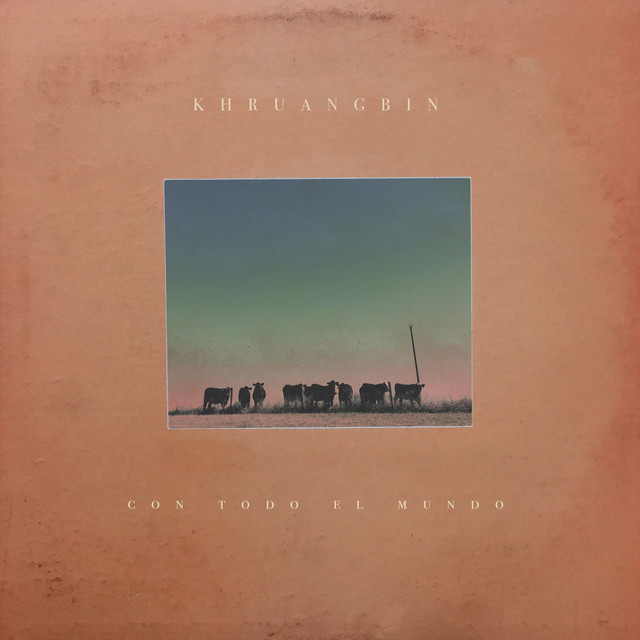
6. Con Todo El Mundo
Khruangbin's 'Con Todo El Mundo,' released in 2018, just *oozes* cool. It’s that perfectly chilled, instrumental groove drawing deep from Thai funk, but with this undeniably global, almost cosmic, feel. The basslines are hypnotic, the guitar melodies float, and the drums just lock into this laid-back, yet incredibly tight, pocket. It’s the soundtrack for driving through a neon-lit city or a desert highway, proving that rhythm doesn't need vocals to tell a whole story. Pure vibe.
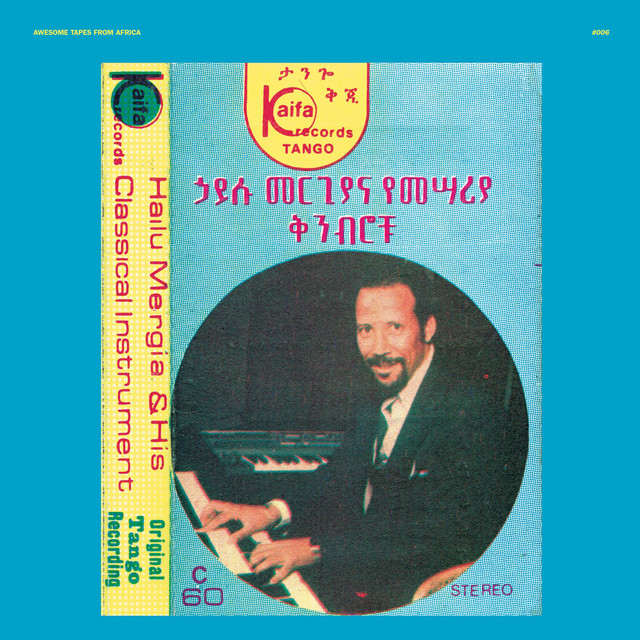
7. Hailu Mergia & His Classical Instrument: Shemonmuanaye
'Shemonmuanaye' by Hailu Mergia, from his 1985 'Hailu Mergia & His Classical Instrument' album, is an absolute gem of Ethiopian jazz. That swirling organ, almost otherworldly, plays these incredible, modal melodies over a rhythm section that’s both tight and incredibly fluid. It’s got this deep, almost spiritual pulse that pulls you in. Rediscovered decades later, it showed how vital and innovative Ethiopian music was, proving that true rhythmic genius can be timeless, patiently waiting for the world to catch up.
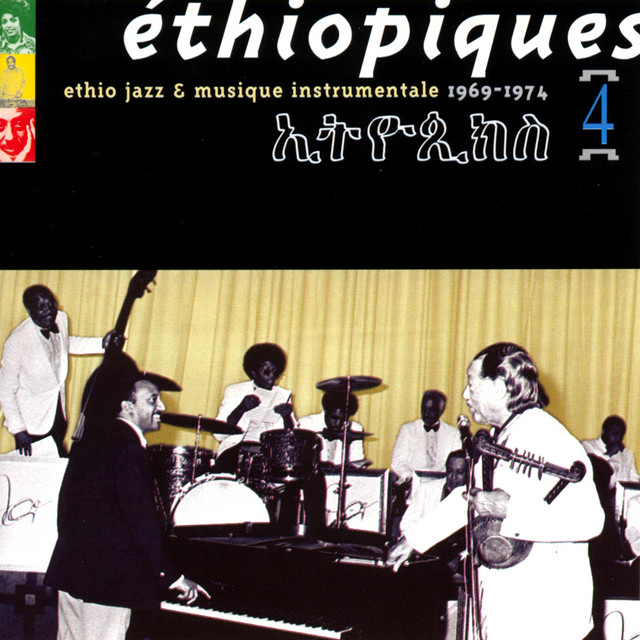
8. Ethiopiques, Vol. 4: Ethio Jazz 1969-1974
This compilation isn't just a volume; it's a history lesson in sonic brilliance. 'Ethiopiques, Vol. 4' (1998) captured the explosive Ethio-jazz scene from '69-'74, bringing together genius like Mulatu Astatke. It's a masterclass in fusing traditional Ethiopian scales with funk, jazz, and Latin rhythms. The grooves are complex, melancholic, and undeniably cool. It basically introduced a whole generation to what was happening in Addis Ababa, proving that some of the most innovative rhythms were bubbling far beyond mainstream radar.

9. Keira
'Keira' by Amadou & Mariam, from their 2004 album 'Dimanche à Bamako,' is a testament to how traditional Malian rhythms can feel utterly contemporary. It's got this infectious, gentle sway, built on a sparse but incredibly effective groove. The guitar loops are deceptively simple, yet they create a rich, layered texture that just makes you move. It’s proof that rhythm doesn't need to be aggressive to be powerful; sometimes, the most profound beats are the ones that simply invite you in.

10. Brave Confusion
Kikagaku Moyo's 'Brave Confusion' from 2013? That album is a portal. It’s Japanese psychedelic rock digging deep into krautrock-inspired repetition and extended, hazy jams. The rhythms here aren't just a foundation; they’re a mantra, building and evolving slowly, pulling you into this almost hypnotic state. It perfectly showcases how a band can take global psych influences and distill them into something distinctly their own, creating a sound that feels both ancient and aggressively futuristic.
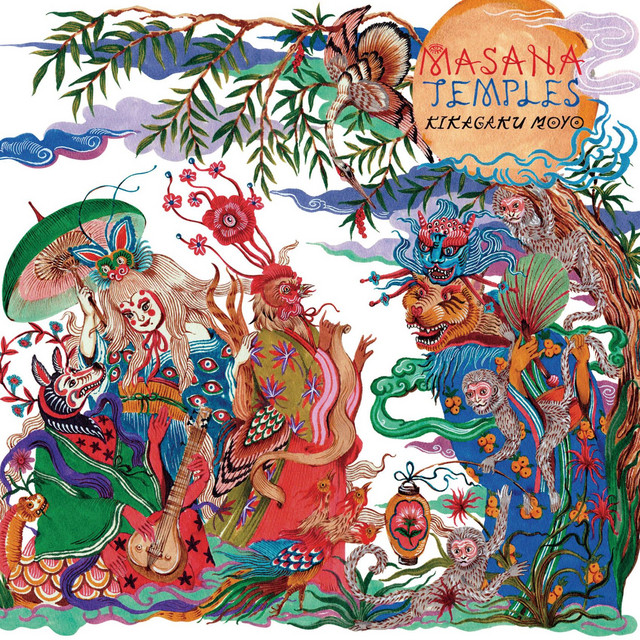
11. Masana Temples
'Masana Temples' from 2018 is Kikagaku Moyo hitting their stride. This album refines their psychedelic vision, showcasing even more intricate rhythmic interplay and dreamy textures. The grooves are still hypnotic, but there’s a new level of polish and expansive ambition. It’s a journey through shimmering soundscapes, underpinned by rhythms that feel both earthy and cosmic. They’ve perfected that balance of driving intensity and blissful drift, cementing their status as global psych-rock architects.