

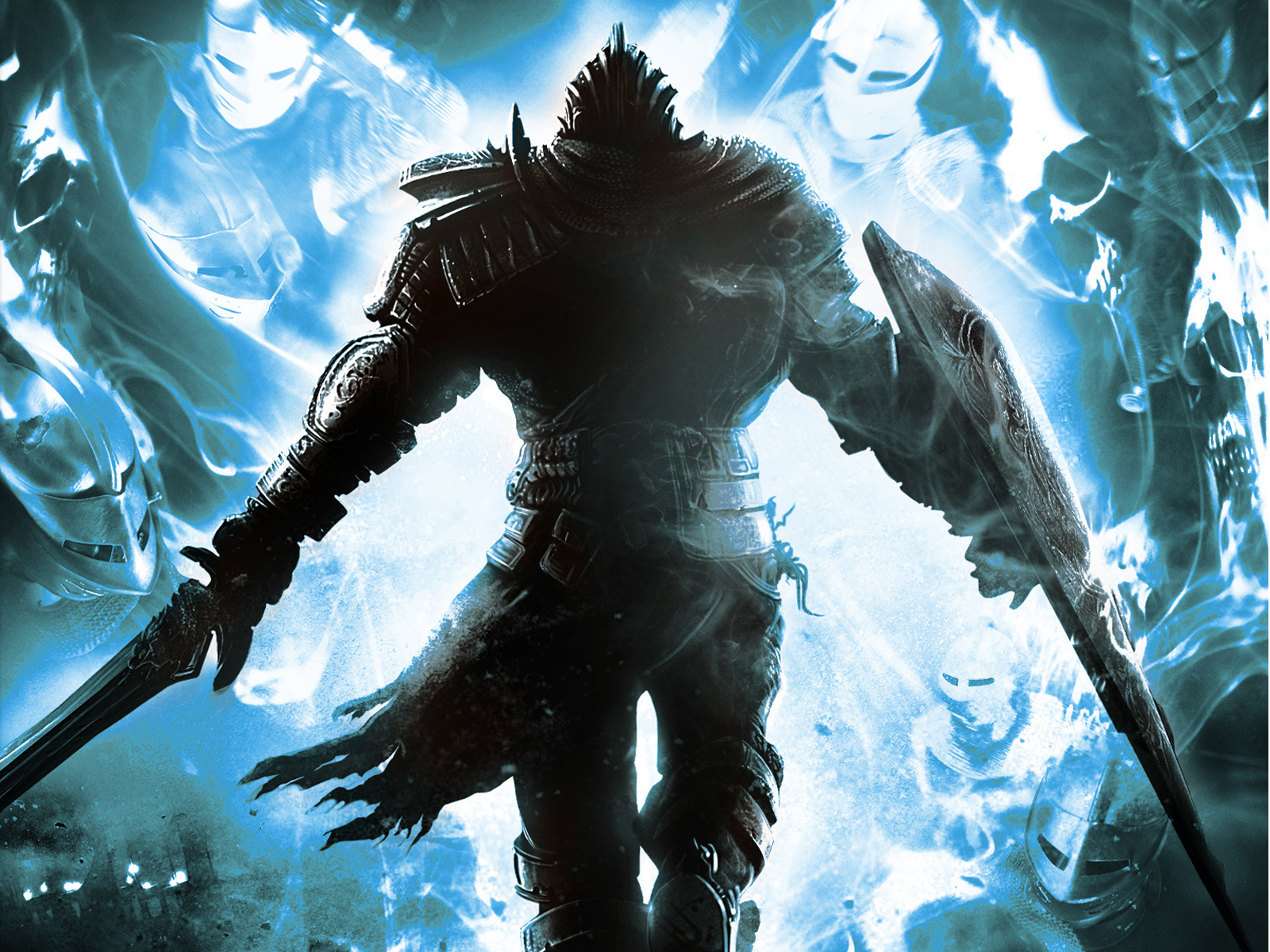
1. Dark Souls
Before Dark Souls, difficulty often felt like a barrier. But FromSoftware built a world where struggle was the narrative, not just a mechanic. Every death was a lesson, every victory a profound accomplishment earned through observation and persistence. It wasn't about cheap tricks; it was about mastering a brutal, yet fair, ecosystem. This approach redefined how players perceived challenge, fostering a dedicated community around shared suffering and triumph.

2. Hollow Knight
This game masterfully blends precise platforming, demanding combat, and a vast, decaying world. Its initial charm gives way to a relentless series of trials, requiring patience and skill. The sense of being a small, vulnerable knight against overwhelming odds is palpable. Yet, each hard-won victory unlocks more of its haunting lore and intricate map, proving that even the most challenging journeys offer immense rewards for those who persevere.
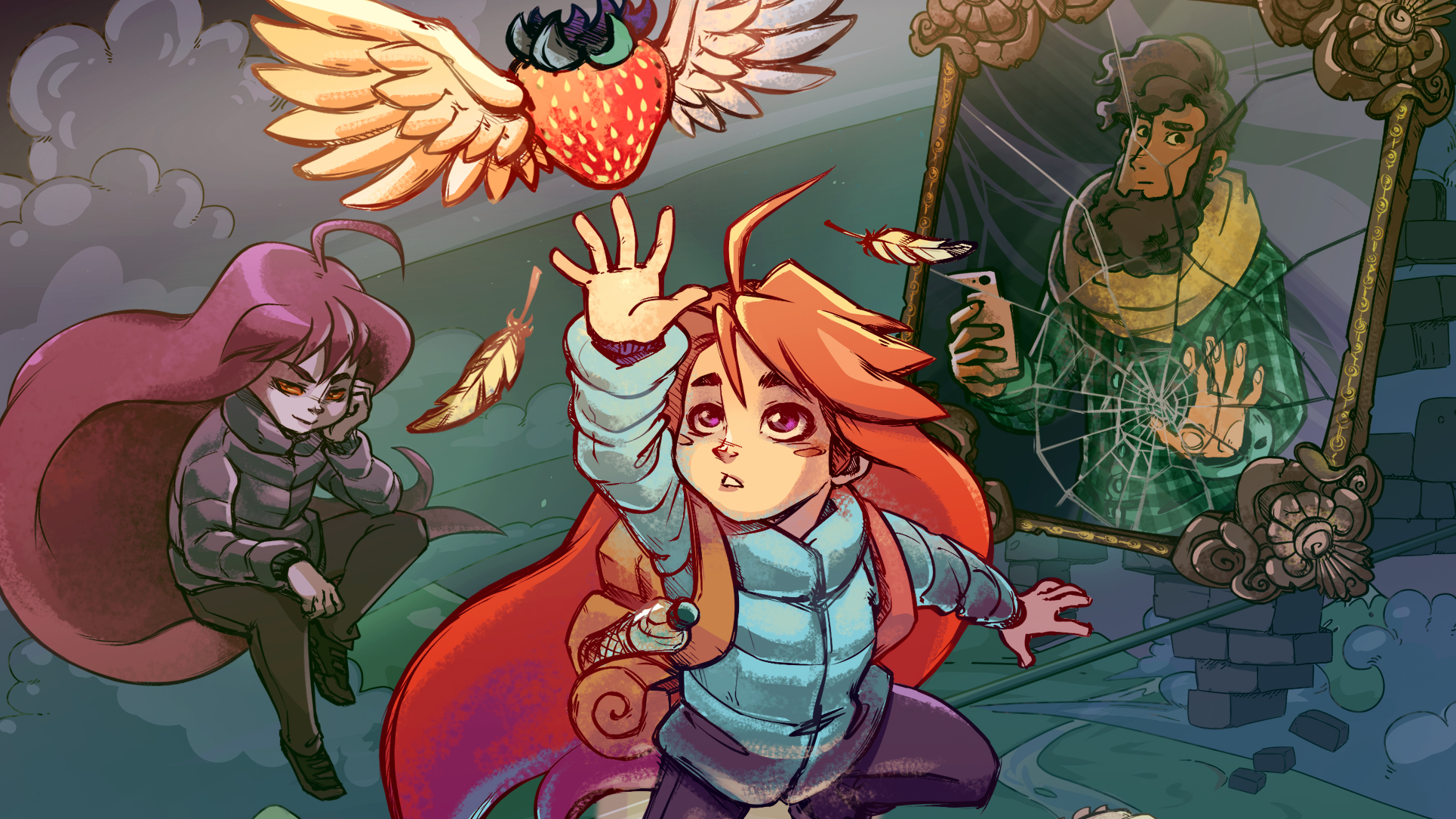
3. Celeste
Celeste proved that a punishing platformer could also deliver a deeply personal story about overcoming internal struggles. Its brutally precise levels are a metaphor for protagonist Madeline's battle with anxiety and depression. The game balances its intense challenge with an encouraging tone, offering assists without judgment. It demonstrated how difficulty can serve narrative, making every arduous climb feel genuinely meaningful and resonant.
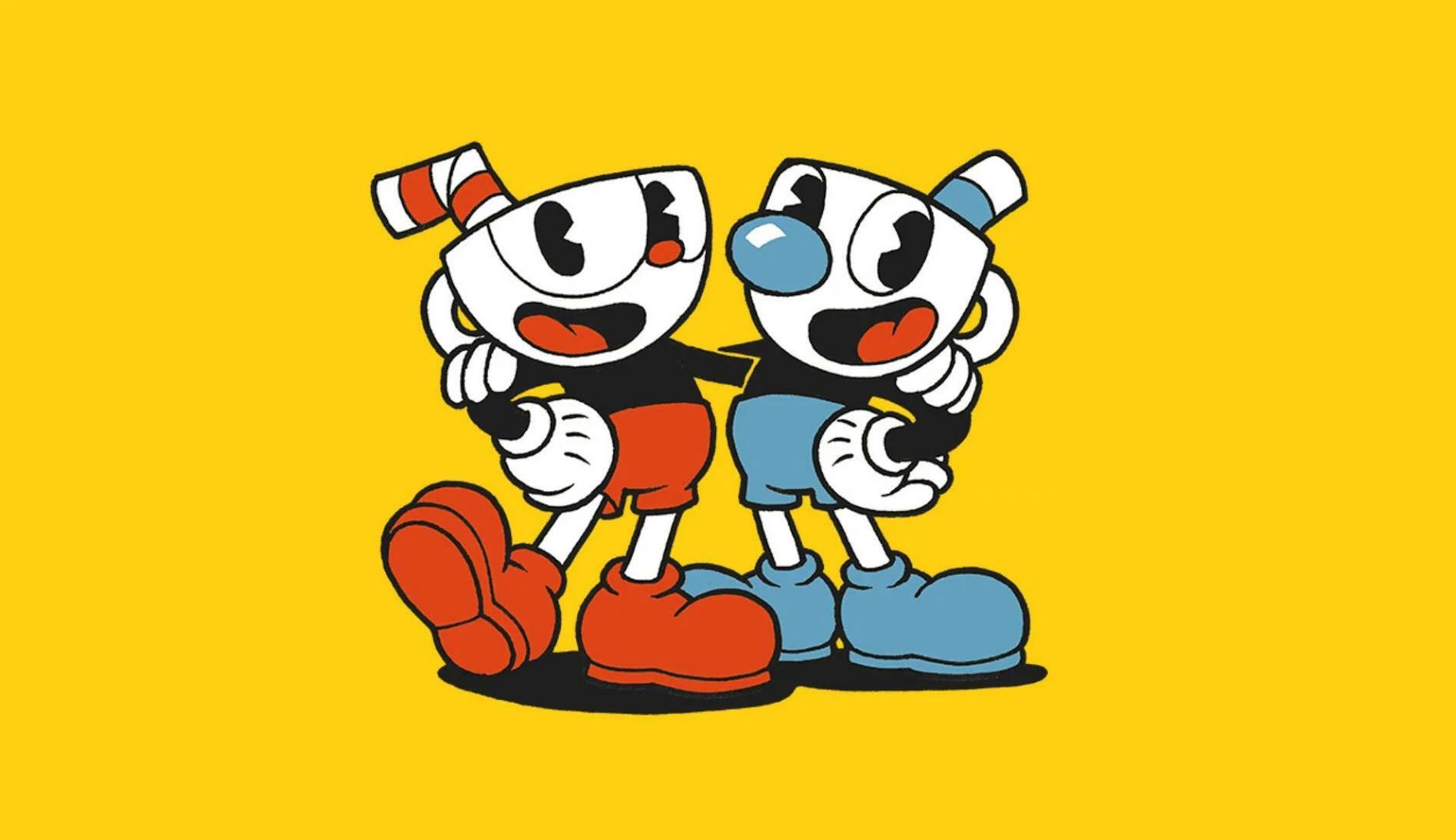
4. Cuphead
Cuphead's hand-drawn animation style might suggest a whimsical experience, but beneath the charming visuals lies a gauntlet of unforgiving boss battles. This run-and-gun title demands pixel-perfect precision and memorization of complex attack patterns. It’s a relentless test of reflexes and endurance, deliberately echoing the brutal difficulty of classic arcade games. Cuphead unapologetically asks players to "git gud," delivering satisfaction proportional to the immense effort required.
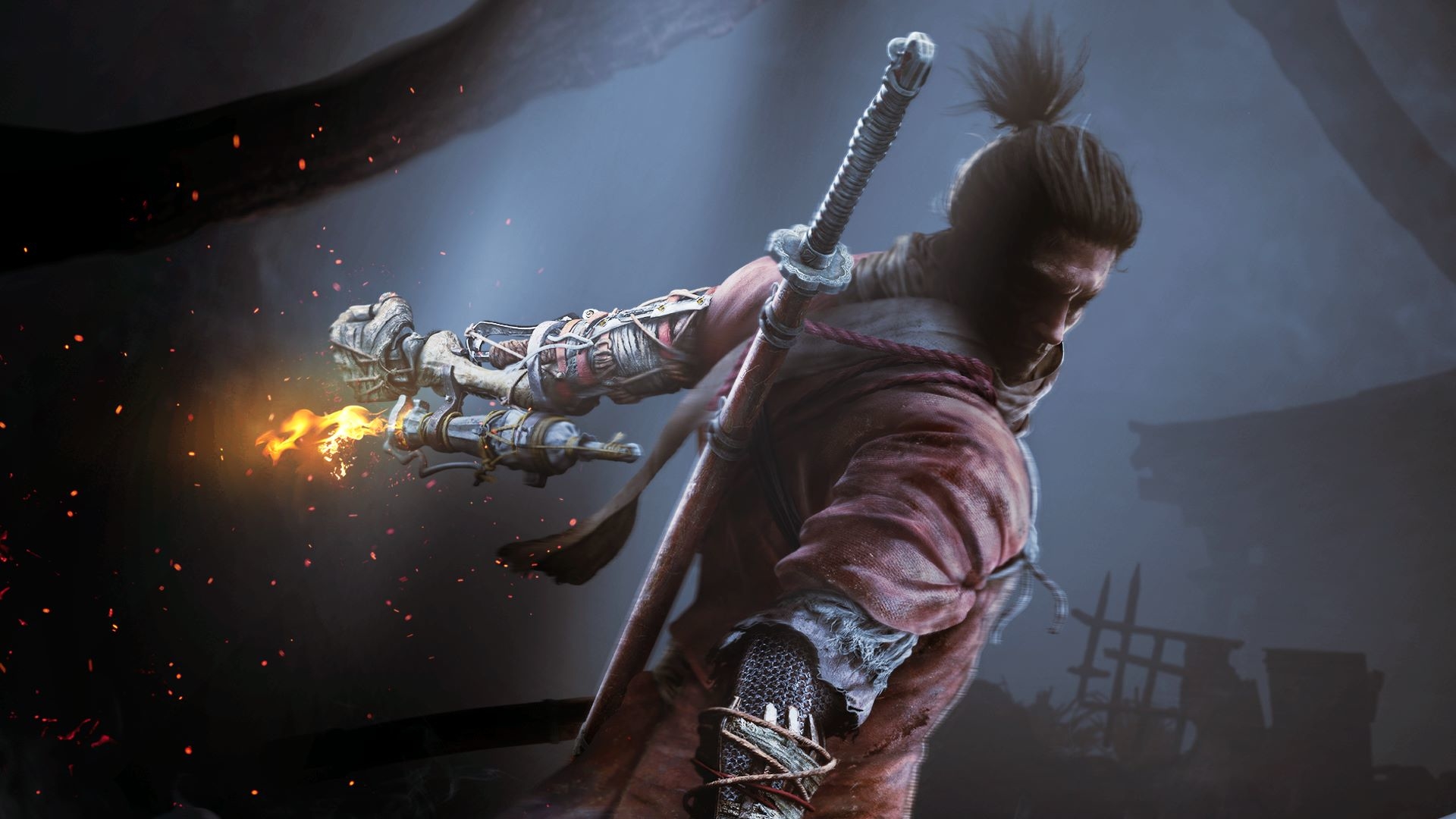
5. Sekiro: Shadows Die Twice
Sekiro redefined FromSoftware's own formula, shifting from the deliberate, dodge-heavy combat of Souls to a rhythm-based parry system. It demanded unlearning old habits and mastering a new, aggressive dance of steel. The game’s relentless bosses and mini-bosses are less about health bars and more about breaking posture, creating intensely satisfying, high-stakes duels. This intense focus on a single, refined combat loop made every encounter a formidable, yet rewarding, lesson.

6. XCOM 2
XCOM 2 is a masterclass in strategic adversity, where every decision carries significant weight and permadeath is a constant, looming threat. The game thrives on making players feel constantly on the back foot, outnumbered and outgunned by an alien occupation. Missions can unravel in an instant due to a single missed shot or tactical error. It teaches resilience, adaptation, and how to salvage victory from the jaws of seemingly inevitable defeat.
7. Returnal
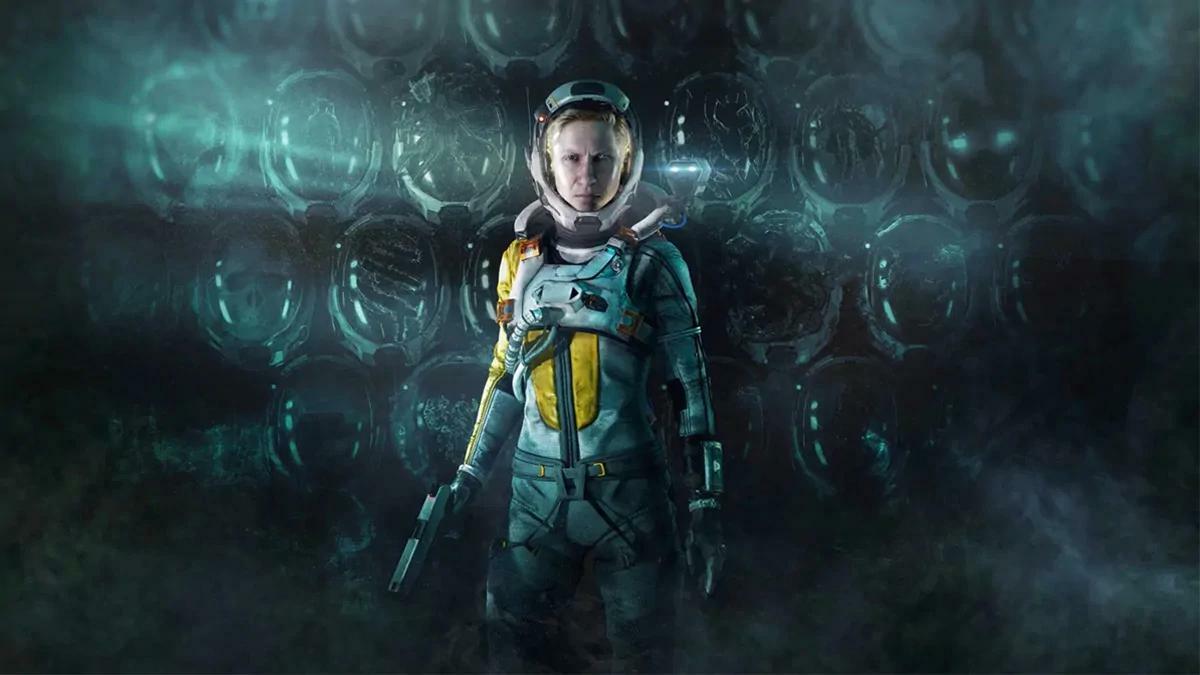
Returnal took the roguelike structure into a high-fidelity 3D bullet-hell shooter, creating a truly punishing cycle. Each death sends Selene back to the crashed ship, but the planet shifts, and new secrets emerge. The game demands mastery of its fast-paced combat and environmental navigation, punishing mistakes severely. Yet, with each attempt, players piece together its haunting narrative, proving that repetition can be a powerful tool for both challenge and storytelling.

8. The Binding of Isaac: Rebirth
This roguelike masterpiece built on the foundations of its predecessor, offering an almost infinite number of challenging runs. Its procedural generation, combined with hundreds of unique items that create wild, unpredictable synergies, ensures no two playthroughs are alike. The game’s dark, unsettling themes are matched by its relentless difficulty, pushing players to adapt on the fly and exploit every random advantage to survive its grotesque dungeons.
9. Super Meat Boy
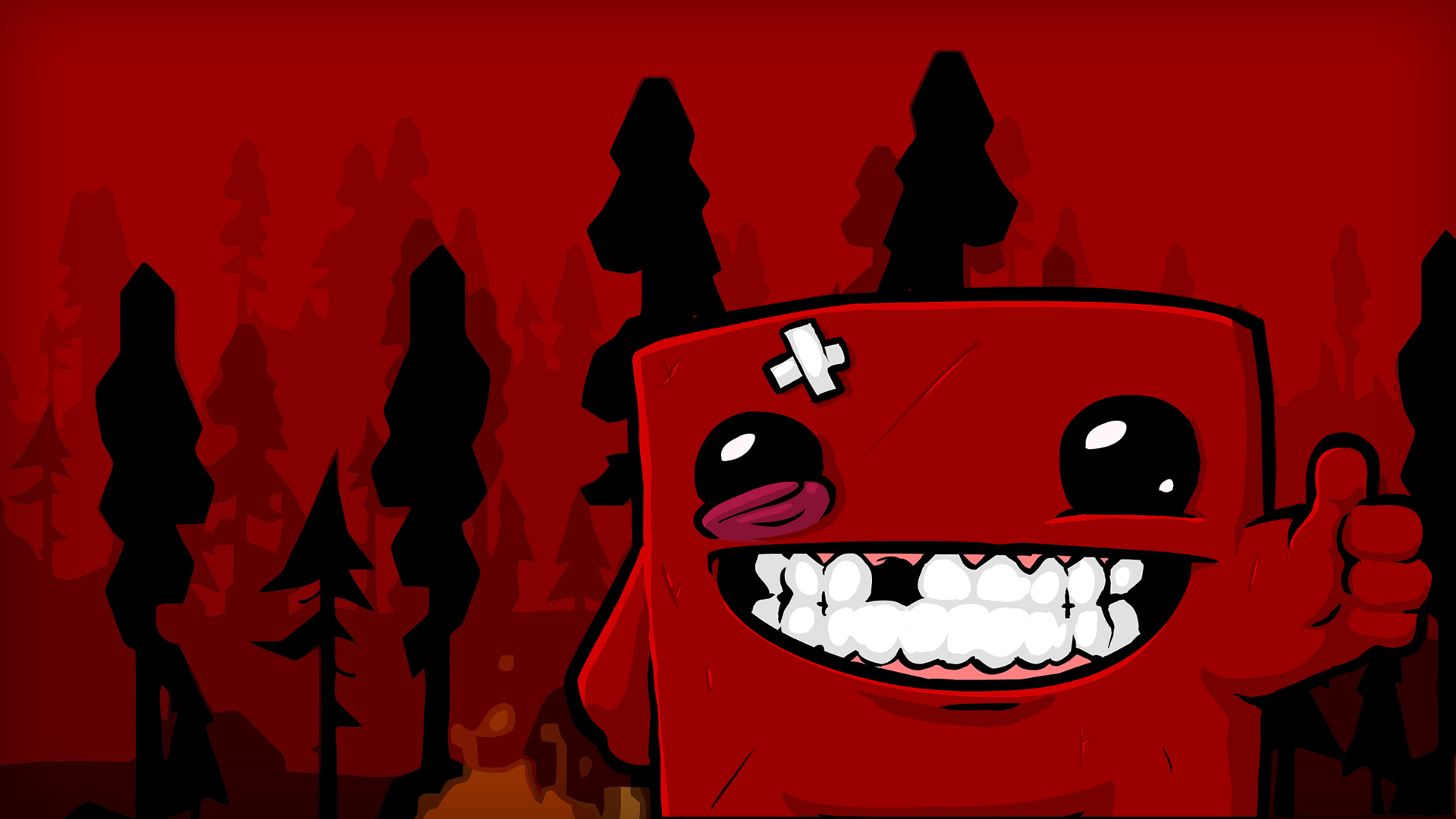
Super Meat Boy perfected the art of "one more try" with its brutally precise platforming. Deaths are instantaneous, but so are restarts, fostering a relentless cycle of trial and error. The game doesn't punish failure; it encourages learning through repetition. Its minimalist design and clear objectives allowed players to focus entirely on execution, turning seemingly impossible levels into satisfying, hard-earned triumphs of reflexes and pattern recognition.