

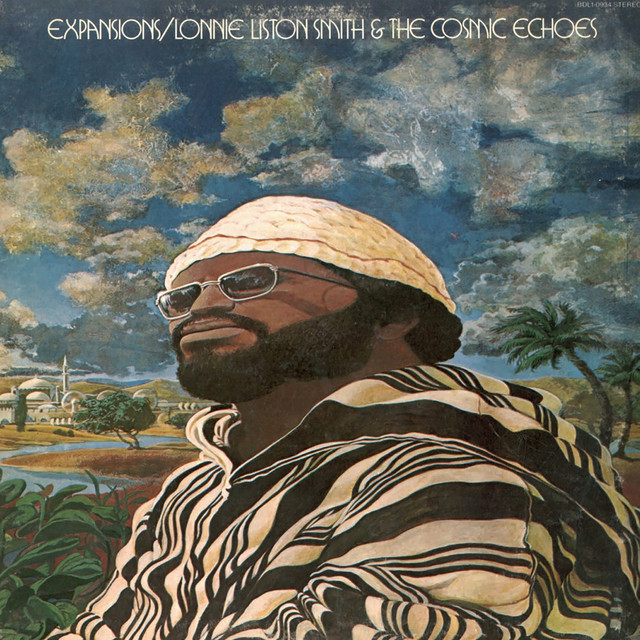
1. Expansions
Lonnie Liston Smith & The Cosmic Echoes' 1974 album, "Expansions," remains a cornerstone of the jazz-funk-fusion continuum. Smith’s electric piano work, propelled by fluid basslines and intricate percussion, established a deeply spiritual, yet undeniably danceable groove. This wasn't merely improvisation; it was a carefully orchestrated cosmic journey, recorded with the rich, broad dynamics only analog tape could truly capture. Its blend of esoteric consciousness and earthy rhythm set a blueprint for future sonic explorations, pre-dating much of what would later be termed 'acid jazz' by a decade. A warm, expansive listen.
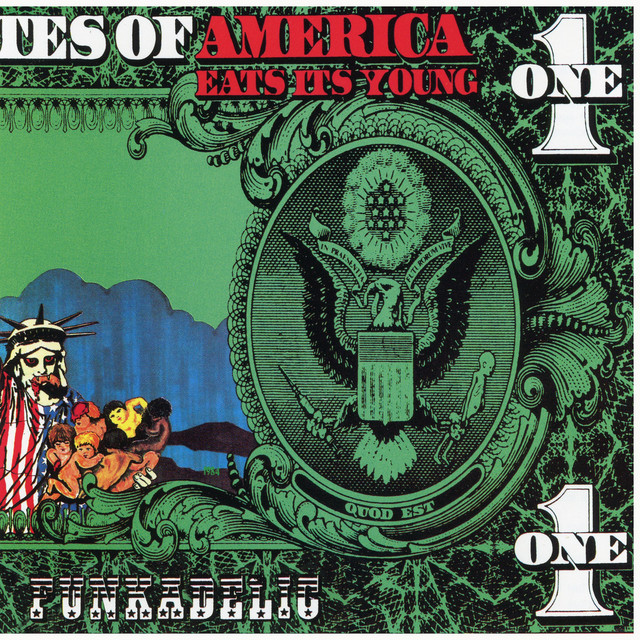
2. America Eats Its Young
In 1972, Funkadelic delivered "America Eats Its Young," a sprawling, politically charged double album that defied easy categorization. George Clinton's vision was already expanding beyond mere funk, incorporating psychedelic rock's raw energy and social commentary with a gritty, unpolished studio aesthetic. The analog recording process here is crucial, lending a visceral authenticity to the dense arrangements and often confrontational lyricism. This was a blueprint for how funk could transcend party anthems, becoming a vehicle for profound, often unsettling, artistic expression.
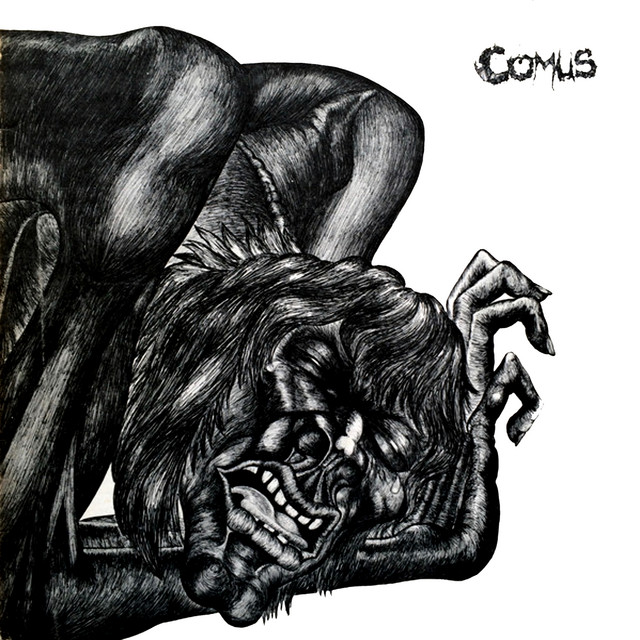
3. First Utterance
Comus' 1971 debut, "First Utterance," is a truly unsettling artifact from the psychedelic folk movement. Its intricate acoustic arrangements, primal percussion, and unsettling, often disturbing lyrical themes create a uniquely dark and ritualistic atmosphere. Recorded in an era of burgeoning experimentation, the analog warmth paradoxically enhances its chilling intimacy. This wasn't merely folk; it was a proto-darkwave sonic tapestry, weaving a forgotten future of intense, emotionally raw, and deeply unsettling music, far removed from the pastoral clichés of its contemporaries.
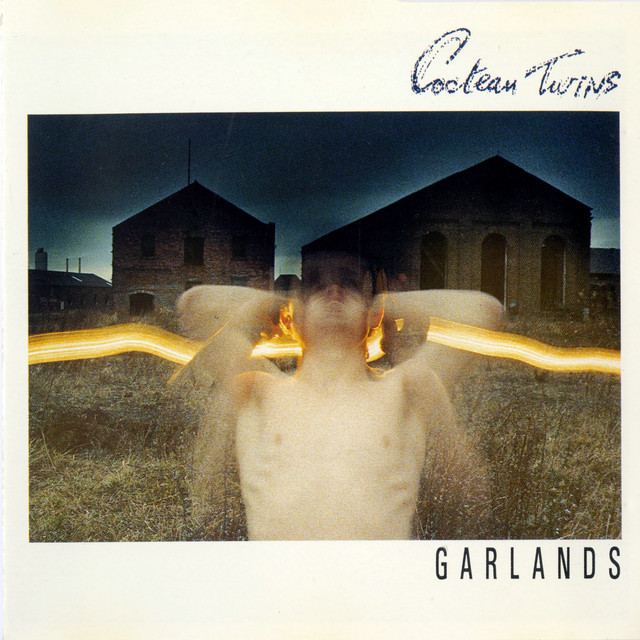
4. Garlands
Cocteau Twins' 1982 debut, "Garlands," emerged as a raw, yet ethereal, post-punk statement. Liz Fraser’s nascent, often inscrutable vocals floated above Robin Guthrie’s distinctive, reverb-drenched guitar textures and Will Heggie’s propulsive bass. The analog production here is essential, lending a tangible weight to the shimmering, nascent dream-pop sound. It possessed an aggressive edge, a stark contrast to their later works, establishing a foundational blueprint for what would become known as darkwave, showcasing a unique sonic identity from its very first breath.
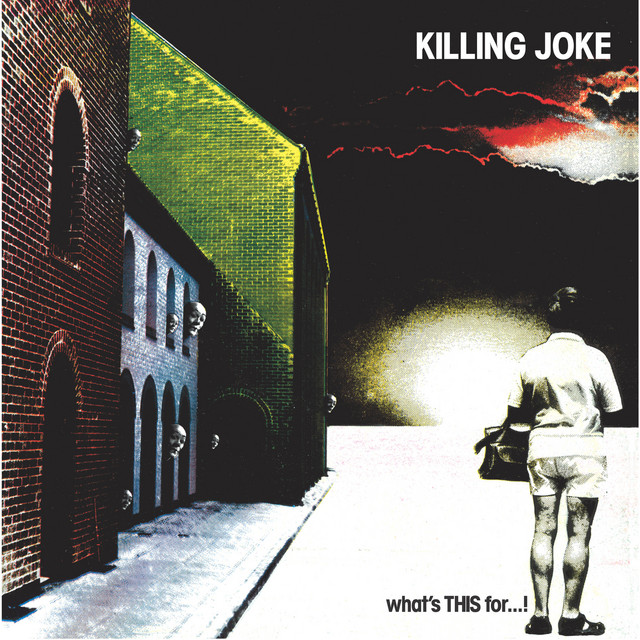
5. What's This For . . . !
Killing Joke's 1981 album, "What's This For . . . !", cemented their reputation for relentless, tribal post-punk. Geordie Walker's angular, metallic guitar riffs, Youth's driving bass, and Paul Ferguson's percussive onslaught created a dense, almost industrial soundscape. Jaz Coleman's vocals seethed with existential dread. Recorded entirely in the pre-digital era, the analog tape saturation added an indispensable grit and power, making the album a blueprint for the darker, more aggressive fringes of post-punk and early industrial music, a truly potent sonic experience.
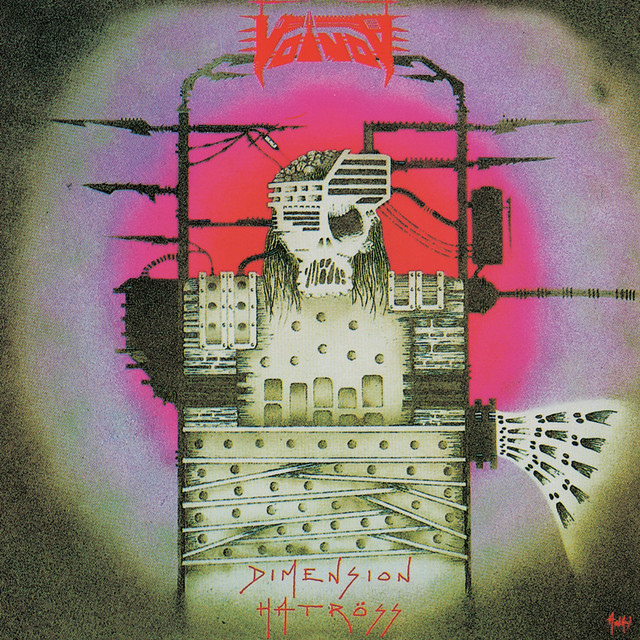
6. Dimension Hatröss
Voivod’s 1988 opus, "Dimension Hatröss," pushed the boundaries of thrash metal into truly progressive territory. Piggy's complex, dissonant riffing and Away's intricate drumming created a distinctly mechanical, yet remarkably fluid, sound. This wasn't just speed; it was a meticulously constructed, sci-fi narrative delivered with surgical precision. The analog production perfectly captured the album's metallic sheen and intricate dynamics, providing a blueprint for technical metal that prioritized innovation and atmosphere over brute force, a truly cerebral headbanging experience.
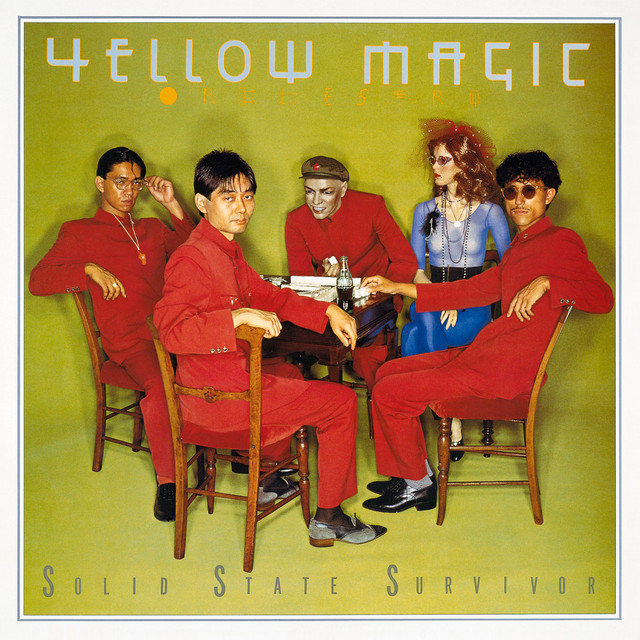
7. Solid State Survivor
Yellow Magic Orchestra's 1979 album, "Solid State Survivor," was a revelation in electronic music. Haruomi Hosono, Ryuichi Sakamoto, and Yukihiro Takahashi crafted a sleek, futuristic sound using an array of analog synthesizers and drum machines. Tracks like "Rydeen" became anthems, showcasing a meticulous blend of pop sensibility with groundbreaking electronic textures. The pristine analog recording captured every nuance of their synthesized sound, establishing a clear blueprint for synth-pop and early techno, projecting a vision of the future that still resonates today.
8. The Album
Public Image Ltd.'s 1986 release, simply titled "Album," represented a shift towards a more direct, powerful sound, moving beyond their earlier experimentalism. With an all-star lineup of session musicians, including Ginger Baker and Steve Vai, Lydon crafted a surprisingly muscular and accessible, yet still confrontational, record. The analog production lent a robust, live-band feel to the tracks, showcasing a raw, unvarnished power. This was post-punk evolving into a harder, more industrial-tinged rock, setting a blueprint for how veteran artists could reinvent themselves with brute force.
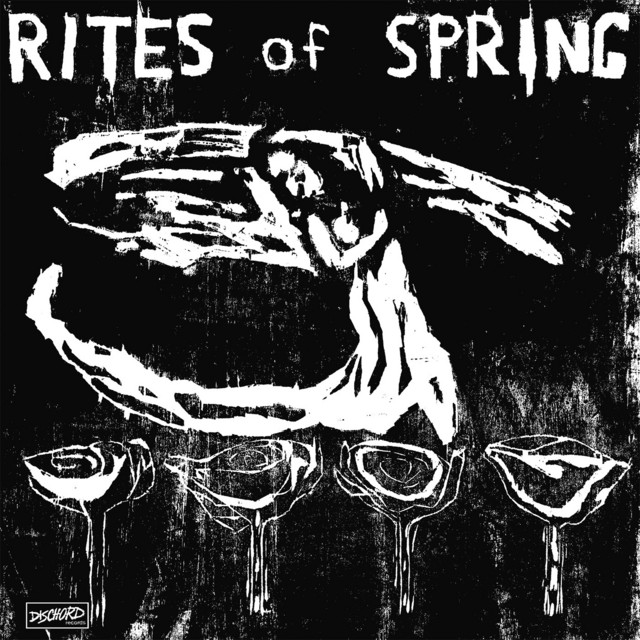
9. Rites of Spring
Rites of Spring’s 1985 self-titled album was a pivotal moment in hardcore punk. Eschewing traditional macho posturing, Guy Picciotto's raw, impassioned vocals delivered deeply personal lyrics over churning, melodic, yet aggressive instrumentation. The band harnessed the visceral energy of analog recording to capture their intense live sound, creating an urgent, emotionally charged experience. This wasn't just punk; it was a deeply felt, almost cathartic explosion of feeling, establishing a crucial blueprint for what would later be recognized as post-hardcore, brimming with genuine anguish.