
1. The Queen
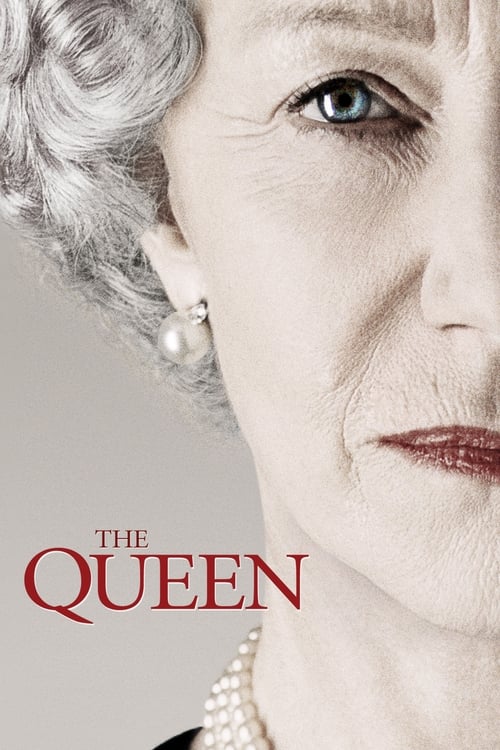
Stephen Frears’ film masterfully dissects the delicate dance between personal grief and institutional duty, particularly in the aftermath of Diana's death. Helen Mirren's portrayal of Queen Elizabeth II isn't merely an imitation; it’s an excavation of a monarch grappling with the shifting tides of public sentiment while upholding centuries of tradition. We witness the isolation inherent in ultimate authority, the quiet struggle to maintain relevance in a modern world, and the true, often lonely, cost of the crown. It’s a profound look at leadership under immense scrutiny.

2. Parasite
Bong Joon-ho’s Palme d'Or winner is a visceral examination of class warfare, meticulously crafted to expose the insidious nature of power and privilege. It begins as a darkly comedic caper but descends into a horrifying, almost Shakespearean tragedy, illustrating how the desperate scramble for a foothold in a hierarchical society corrupts and ultimately destroys. The film doesn't just critique economic disparity; it immerses you in the suffocating reality of those at the bottom, revealing the true taste of desperation alongside the intoxicating, yet fragile, allure of the powerful.
3. Citizen Kane
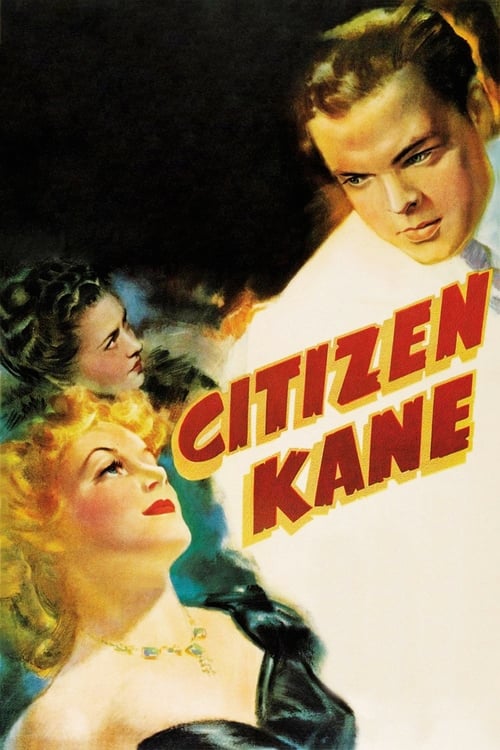
Orson Welles’ audacious debut remains a towering achievement, not least for its timeless dissection of a media magnate’s rise and fall. Charles Foster Kane, a figure of immense ambition and power, builds an empire only to find himself utterly isolated, his life a sprawling, empty monument to unfulfilled desires. The film’s narrative fragmentation, mirroring Kane's own fractured psyche, underscores how even absolute control over information and wealth cannot buy happiness or genuine connection, leaving us to ponder the true, hollow echo of "Rosebud."
4. The Godfather
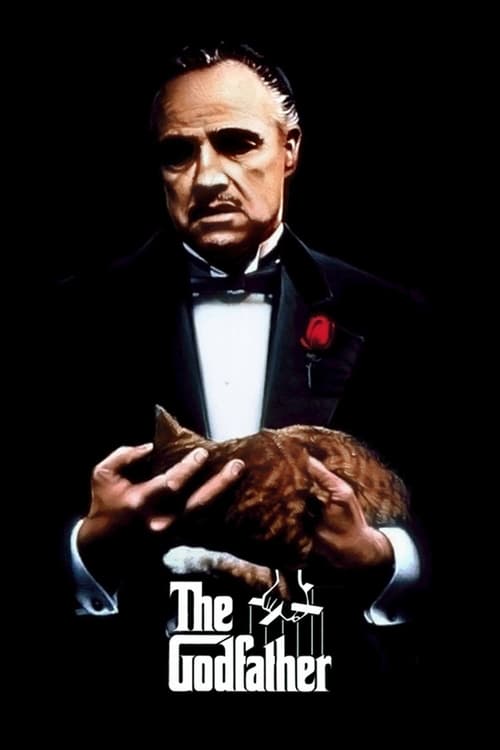
Francis Ford Coppola's epic is more than a gangster film; it’s a profound meditation on family, loyalty, and the corrupting nature of power, framed within the brutal, yet ironically principled, world of the Corleone family. We witness Michael's transformation from reluctant outsider to ruthless patriarch, inheriting not just a criminal empire but a crushing legacy of violence and moral compromise. The film meticulously charts how the pursuit and retention of power demand increasingly dark sacrifices, highlighting the inescapable cycle of vengeance and the cold, unfeeling logic of absolute control.
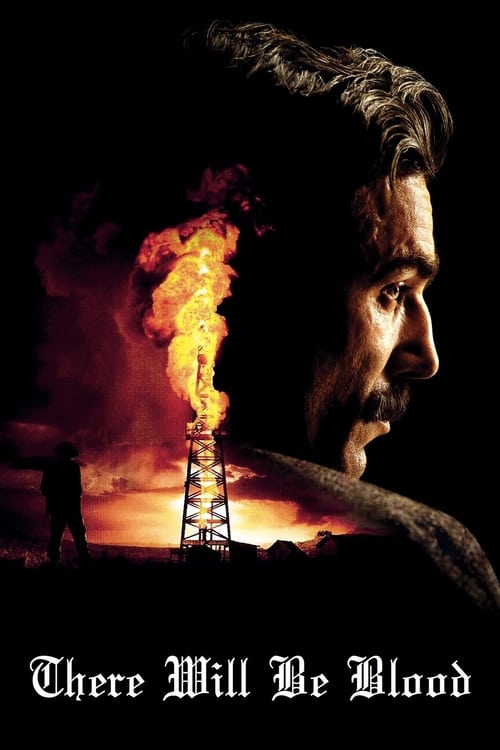
5. There Will Be Blood
Paul Thomas Anderson’s stark, mesmerizing epic chronicles Daniel Plainview’s relentless ascent from prospector to oil baron, fueled by an insatiable hunger for wealth and dominion. It's a searing indictment of unchecked capitalism and the spiritual desolation that accompanies such single-minded ambition. Daniel Day-Lewis's performance is a force of nature, embodying the terrifying isolation and paranoia that power breeds, revealing how absolute control over resources can utterly strip away humanity, leaving only a hollow, vindictive shell. The film is a chilling portrait of power's ultimate, destructive triumph.

6. All the President's Men
Alan J. Pakula's definitive journalism thriller meticulously reconstructs the Watergate scandal, illustrating the immense power of a free press to challenge and expose governmental corruption. It’s a masterclass in tension, as Woodward and Bernstein painstakingly unravel a vast conspiracy, facing intimidation and resistance at every turn. The film isn't just about uncovering truth; it’s about the courage required to confront entrenched power, revealing how a few dedicated individuals can shake the foundations of an entire administration. It underscores the vital role of scrutiny against unchecked authority.
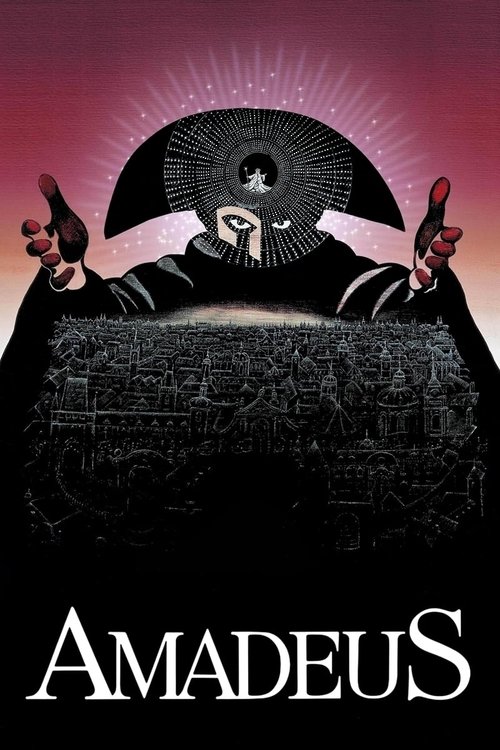
7. Amadeus
Miloš Forman's opulent masterpiece explores the corrosive nature of envy and the arbitrary hand of fate in matters of genius and recognition. While Mozart possesses divine talent, Salieri wields institutional power, using his position to subtly sabotage and undermine his rival. The film brilliantly portrays how power isn't merely about direct command; it's also about influence, reputation, and the ability to control narratives. It's a tragic, vibrant exploration of how even transcendent artistry can be crushed by the jealous machinations of those who control the gatekeeping mechanisms.

8. Barry Lyndon
Stanley Kubrick’s visually stunning period piece is a cynical, yet utterly captivating, examination of social climbing in 18th-century Europe. Barry Lyndon, a man of humble origins, ruthlessly manipulates his way through various social strata, marrying into wealth and status. However, his power is always precarious, built on artifice and ambition rather than genuine merit or affection. The film, with its detached narration and painterly cinematography, subtly reveals the superficiality of aristocratic power and the inevitable, tragic downfall awaiting those whose ascent is purely transactional.

9. The Social Network
David Fincher and Aaron Sorkin’s incisive chronicle of Facebook's genesis dissects the creation of a new kind of power: digital dominion. Mark Zuckerberg, driven by ambition and an almost pathological need for control, builds an empire that reshapes global communication, yet sacrifices friendships and faces legal battles. The film brilliantly explores how even seemingly abstract technological innovation grants immense, unprecedented influence, often wielded by individuals ill-equipped to handle its human consequences. It's a modern parable about the intoxicating allure and profound isolation of digital omnipotence.