

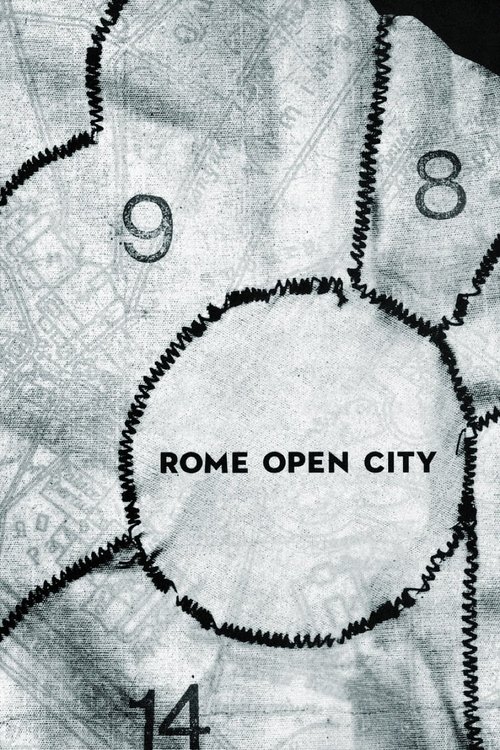
1. Rome, Open City
De Sica’s masterpiece further solidified Neorealism, depicting the crushing desperation of post-war poverty through the eyes of a father and son. Its stark simplicity and emotional realism challenged Hollywood's escapism, asserting that profound drama could emerge from the everyday struggles of ordinary people, their dignity and despair laid bare without artifice.
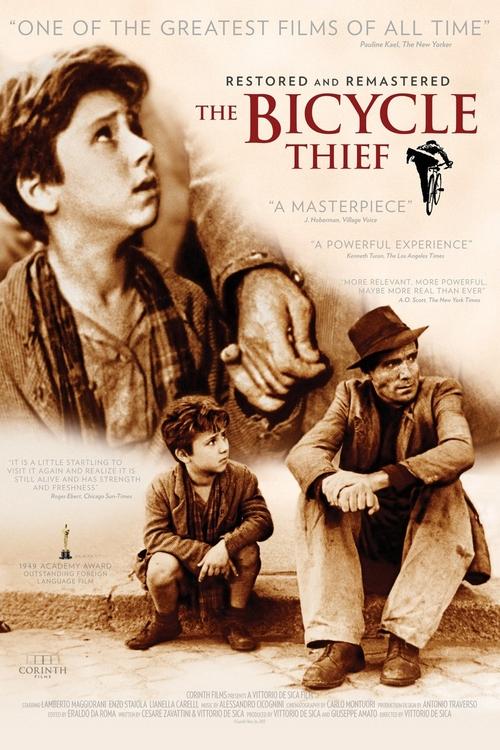
2. Bicycle Thieves
Barbara Kopple's unflinching documentary plunges viewers into the brutal 1973 Kentucky coal miners' strike. Eschewing detached narration, Kopple becomes a participant-observer, lending voice and profound empathy to the workers and their resilient wives. It’s a powerful testament to direct cinema, capturing the raw courage and systemic injustices that often remain invisible in mainstream media.

3. Harlan County U.S.A.
Sean Baker, with his ethnographic eye, crafts a vibrant, heartbreaking portrait of childhood on the fringes of America's economic dream. Centered on a motel community near Disney World, he elevates the lives of those often overlooked, granting them a rich inner world and agency. The film, shot partially on an iPhone, offers an intimate, non-judgmental glimpse into poverty's resilient spirit.
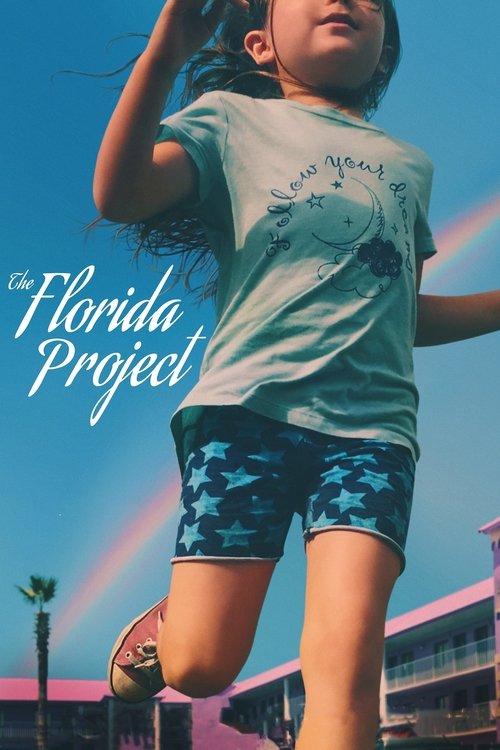
4. The Florida Project
Benh Zeitlin's fantastical, almost mythical, depiction of a forgotten bayou community in Louisiana, seen through a child's eyes. It’s a film that builds its own cosmology, embracing magical realism to articulate the resilience and unique cultural identity of a people often stereotyped or ignored. This singular vision allows the marginalized to narrate their own epic.
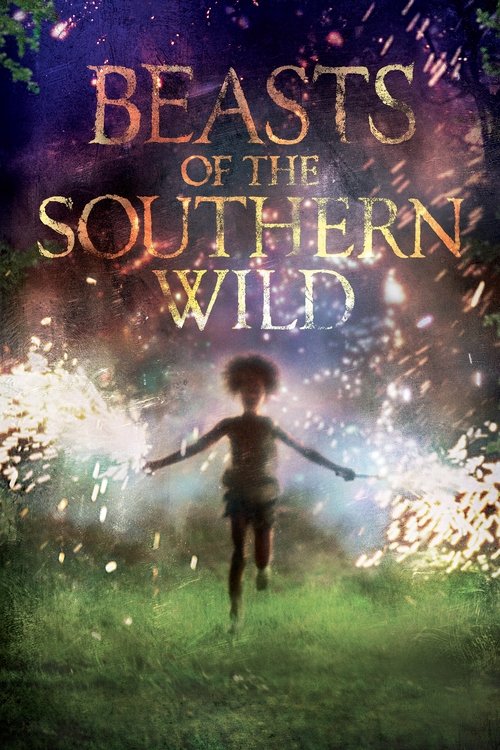
5. Beasts of the Southern Wild
Spike Lee's explosive, vibrant examination of racial tensions in a Brooklyn neighborhood on the hottest day of summer. Through a tapestry of characters, he provocatively dissects systemic prejudice and the complexities of urban life, refusing easy answers. Lee asserts the perspective of those living these realities, forcing audiences to confront uncomfortable truths head-on.
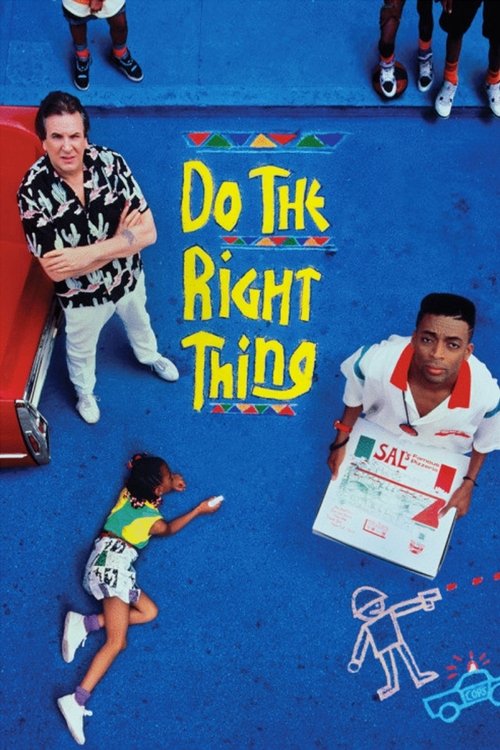
6. Do the Right Thing
Shane Meadows offers a raw, semi-autobiographical look at working-class youth in 1980s England, navigating skinhead culture amidst social upheaval. His naturalistic direction and powerful performances reveal the vulnerabilities beneath aggressive facades. It's a deeply personal narrative that lends humanity and nuance to a frequently misunderstood subculture, challenging simplistic portrayals of identity and belonging.

7. This Is England
Ilisa Barbash and Lucien Castaing-Taylor's observational documentary captures the arduous final sheep drive of Basque shepherds in Montana. With virtually no dialogue or narration, the film immerses viewers in a dying way of life, allowing the landscape, the animals, and the sheer physicality of labor to tell the story. It’s a profound, meditative exercise in empathetic witnessing.
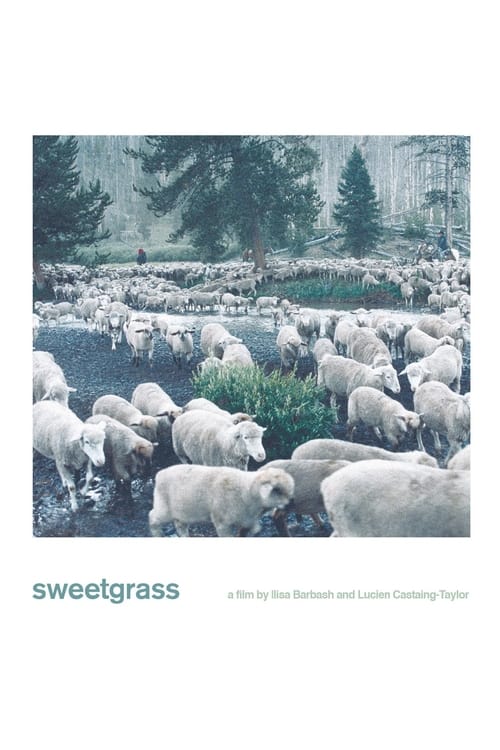
8. Sweetgrass
Agnès Varda, ever the poetic chronicler of the forgotten, explores the ancient practice of gleaning in modern France. Her documentary essay, shot with a small digital camera, gives voice to those who salvage what society discards—be it potatoes, memories, or forgotten lives. Varda’s empathetic lens elevates the marginalized, revealing beauty and resilience in unexpected places.