

1 / 6
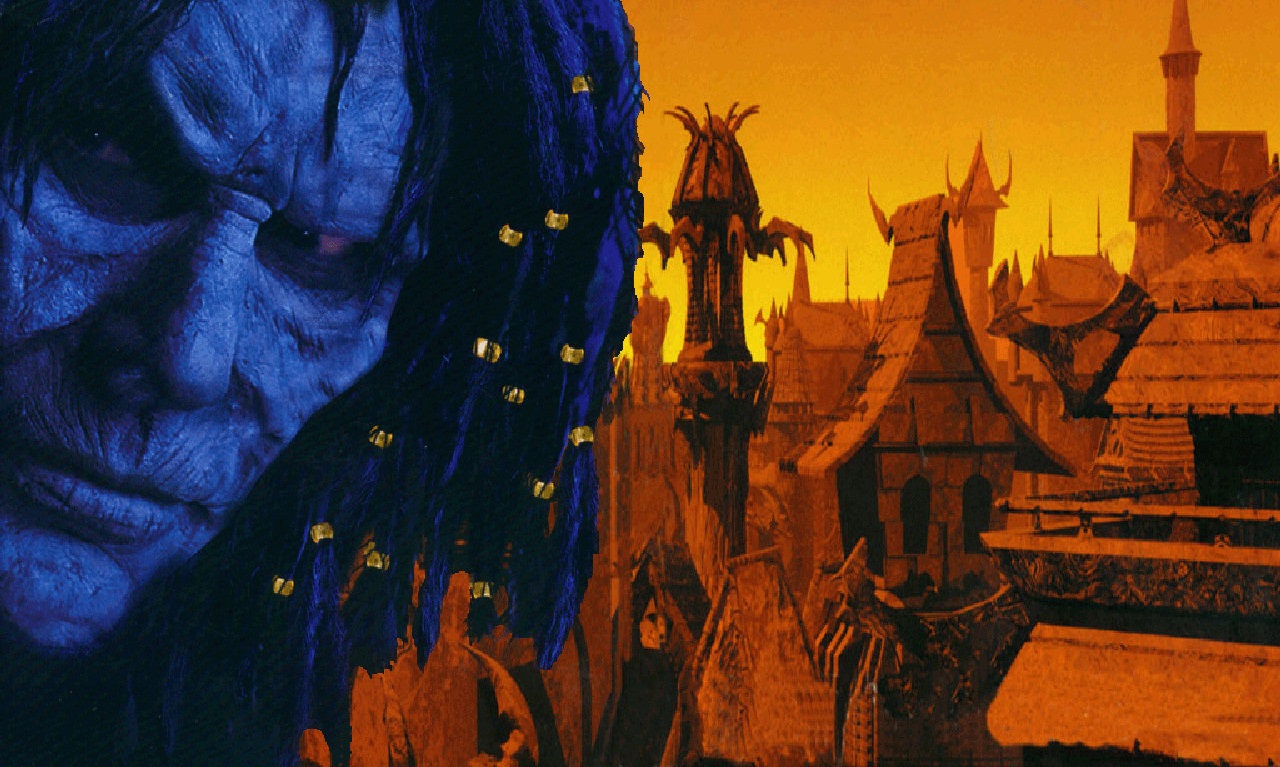
1. Planescape: Torment
This 1999 RPG isn't about saving the world; it's about discovering who you are. Playing as the amnesiac Nameless One, you traverse grim, philosophical planes, piecing together a past marred by immortality and consequences. Its genius lies in dialogue-driven combat avoidance and profound questions about existence, identity, and the nature of the soul. It challenged conventions, proving that deep narrative and character development could eclipse flashy graphics, leaving an indelible mark on how stories could be told in games.
2 / 6
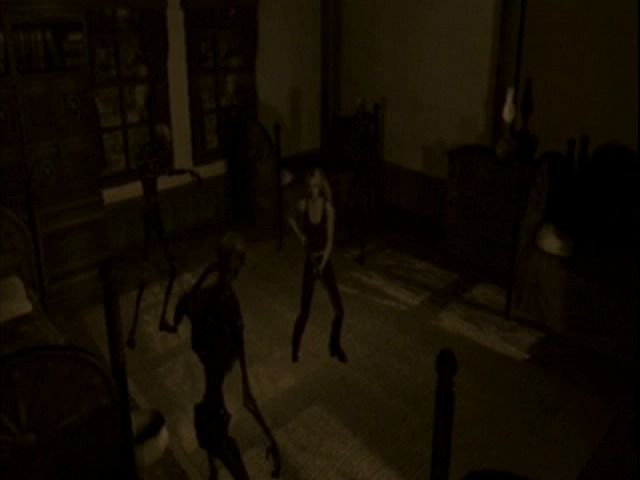
2. Eternal Darkness: Sanity's Requiem
Released in 2002, this GameCube horror title masterfully played with player perception. Its sanity effects were legendary, breaking the fourth wall by simulating corrupted save files or controller disconnections, blurring the line between game and reality. Spanning centuries and multiple protagonists, the narrative weaves a chilling Lovecraftian tale of ancient evils and cosmic horrors. It was a bold, experimental effort that understood psychological dread far beyond jump scares, creating an unnerving experience that lingers.
3 / 6
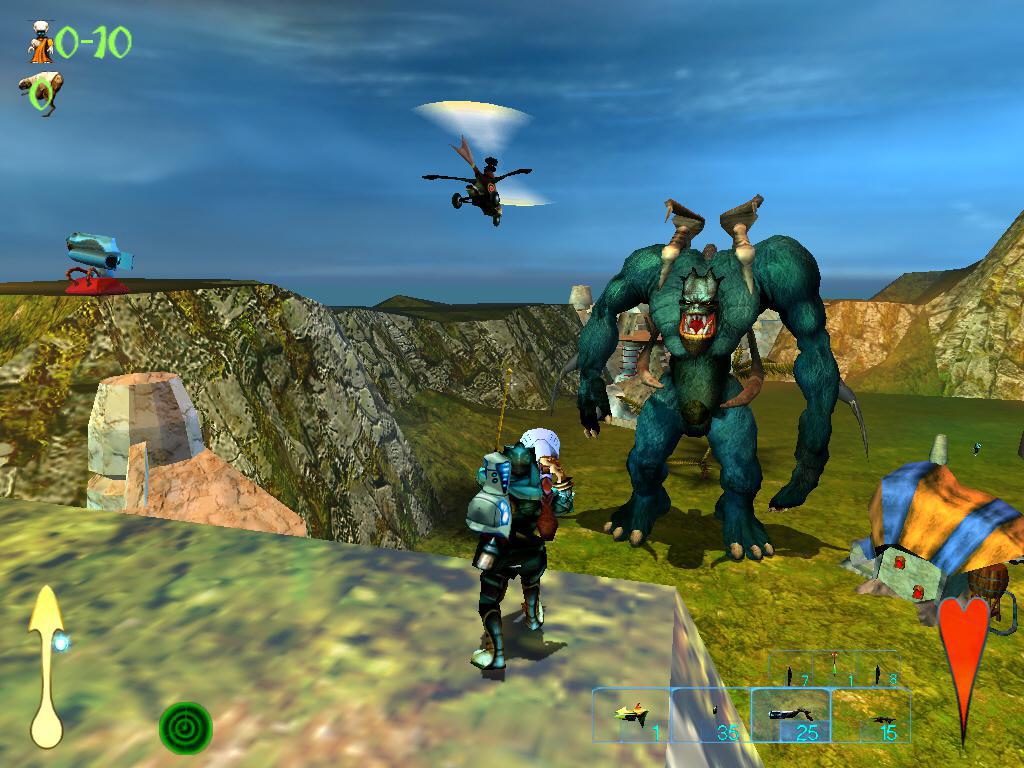
3. Giants: Citizen Kabuto
This 2000 title was a wonderfully chaotic blend of third-person shooter, real-time strategy, and platforming. You could play as the agile Meccaryns, the magical Sea Reapers, or the colossal, destructive Kabuto himself. Its irreverent humor and vibrant, alien world were unforgettable. The game dared to be different, offering distinct campaigns and gameplay styles for each faction, making for a truly unique and often hilarious experience that, sadly, never quite found its mainstream footing despite its cult following.
4 / 6

4. Okami
Coming out in 2006, Okami was a breathtaking artistic achievement. Its sumi-e ink wash art style, inspired by Japanese folklore, was unlike anything before or since. As the sun goddess Amaterasu in wolf form, you restored color and life to a cursed land using the Celestial Brush, a unique mechanic that literally let you paint on the screen. The game's vibrant world, charming characters, and spiritual narrative offered a deeply personal and visually stunning adventure, proving art could be gameplay.
5 / 6
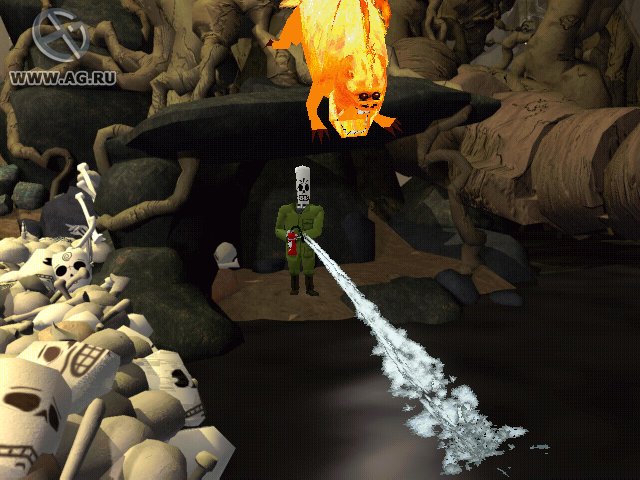
5. Grim Fandango
This 1998 LucasArts adventure is a masterpiece of storytelling and atmosphere. Set in the Land of the Dead, it blends film noir with Mexican Día de los Muertos aesthetics, following travel agent Manny Calavera on a four-year journey of redemption and revolution. Its sharp writing, memorable characters, and ingenious puzzles established a benchmark for the genre. The game’s unique vision and mature narrative demonstrated the potential for video games as a serious, artistic medium.
6 / 6
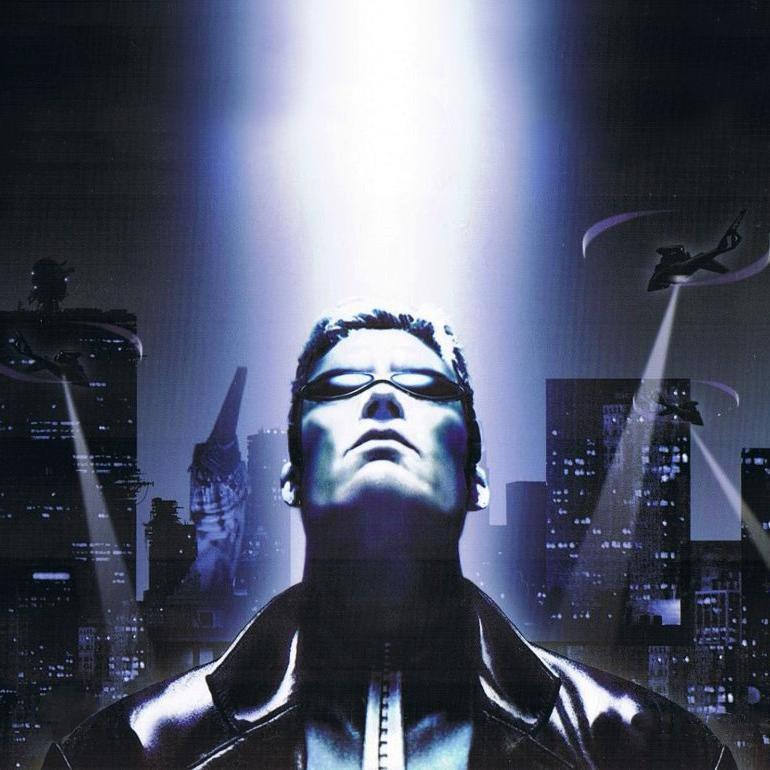
6. Deus Ex
The original 2000 Deus Ex redefined player agency in an RPG. Set in a near-future cyberpunk dystopia, it offered unparalleled freedom in approaching objectives, whether through stealth, combat, hacking, or diplomacy. Its intricate conspiracy narrative, moral ambiguities, and exploration of transhumanism and societal control were remarkably prescient. This game laid groundwork for emergent gameplay, making player choices genuinely impactful and crafting an immersive world where every decision felt significant.