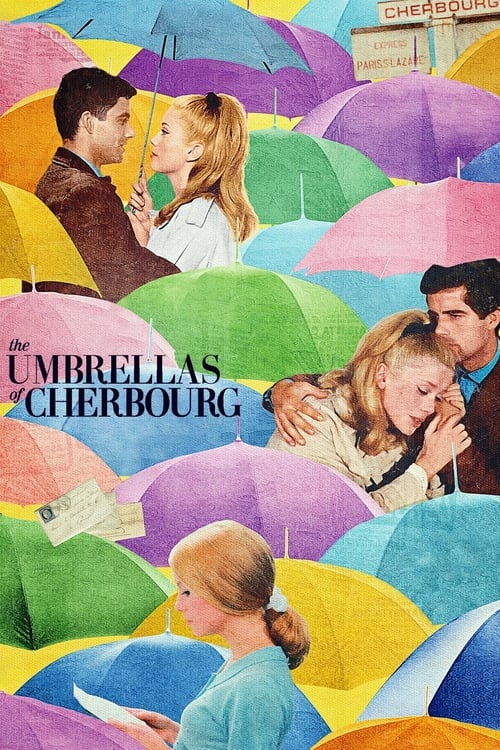
1. The Umbrellas of Cherbourg
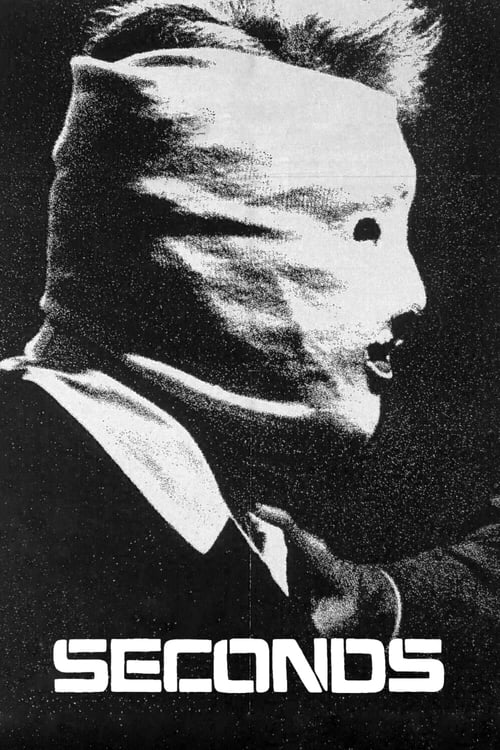
John Frankenheimer’s 1966 psychological thriller is a harrowing descent into existential dread. Rock Hudson, in a career-defining role, plays a man who fakes his death to assume a new identity, only to discover the terrifying hollowness beneath the promise of reinvention. Its disorienting cinematography and stark black-and-white visuals create a nightmarish, paranoiac atmosphere. *Seconds* masterfully dissects the American dream's dark underbelly, questioning the very essence of identity and the cost of escaping one's past.
2. Seconds
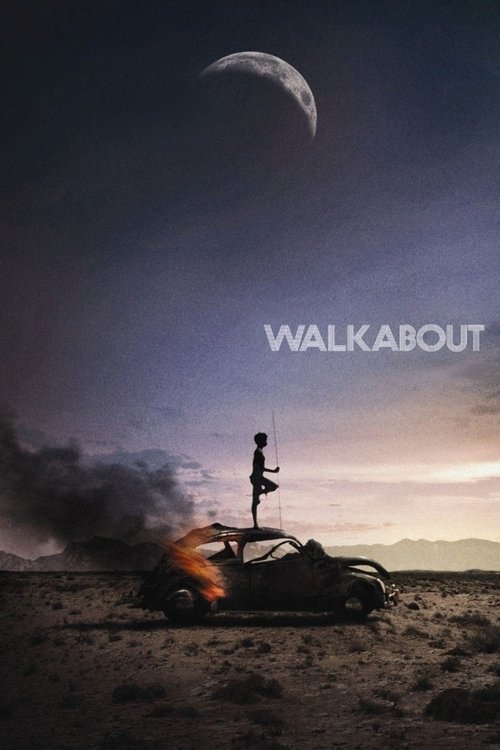
Nicolas Roeg's 1971 *Walkabout* is a breathtaking, hypnotic journey into the Australian outback. It follows two British siblings abandoned in the wilderness, who encounter an Aboriginal boy on his ritual walkabout. Roeg’s masterful cinematography contrasts the harsh beauty of nature with the fragile veneer of civilization, exploring themes of innocence, cultural clash, and the profound disconnect between worlds. It’s a haunting, visually poetic meditation on survival and the often-tragic misunderstandings that arise from differing perspectives.
3. Walkabout
Andrzej Żuławski’s 1981 *Possession* is a profoundly disturbing, visceral plunge into the abyss of a crumbling marriage. Starring an electrifying Isabelle Adjani, whose performance is legendary for its raw intensity, the film blends psychological drama with body horror and elements of the supernatural. Set against the backdrop of Cold War Berlin, its unsettling atmosphere and shocking imagery are designed to unnerve. It's a challenging, confrontational, and utterly unique exploration of obsession and emotional decay.

4. Possession
Gus Van Sant’s 1989 *Drugstore Cowboy* is a seminal work of independent cinema, offering a remarkably empathetic yet unflinching look at drug addiction. Matt Dillon leads a family of junkies robbing pharmacies, living by a strange, superstitious code. Van Sant crafts a compelling narrative that avoids moralizing, instead exploring the mundane routines, fleeting highs, and inevitable lows of their existence. It's a poignant, gritty character study, capturing a specific subculture with profound authenticity and a melancholic sense of resignation.

5. Drugstore Cowboy
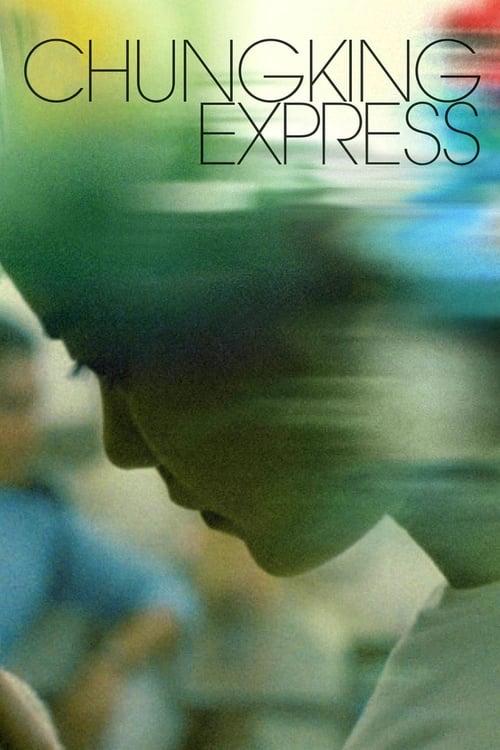
Wong Kar-wai’s 1994 *Chungking Express* is a dizzying, romantic, and profoundly cool snapshot of urban loneliness. Two interwoven stories follow police officers navigating heartbreak and longing amidst the neon glow of Hong Kong. Wong’s signature style—rapid-fire editing, expressive use of slow-motion, and a killer soundtrack—creates a dreamlike, kinetic energy. It captures the ephemeral nature of human connection and the vibrant melancholy of city life, making it a pivotal work in modern Asian cinema and a pure aesthetic delight.
6. Chungking Express
Park Chan-wook’s 2002 *Sympathy for Mr. Vengeance* is the uncompromising and brutally intelligent opening salvo of his "Vengeance Trilogy." It’s a relentless, morally ambiguous tale where a deaf man’s desperate attempt to save his sister ignites an irreversible chain reaction of violence and retribution. Park’s precise, unflinching direction and the film’s stark aesthetic refuse easy answers, instead plunging viewers into the futility and tragic inevitability of cyclical revenge. It's a masterclass in controlled chaos and narrative tension.

7. Sympathy for Mr. Vengeance
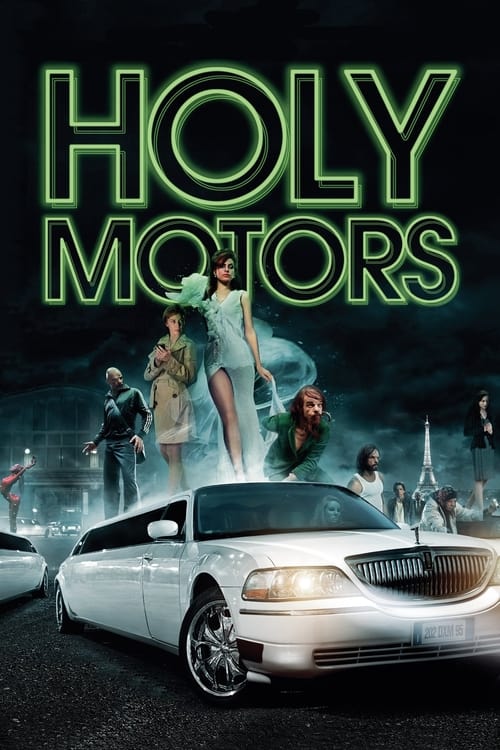
Leos Carax’s 2012 *Holy Motors* is an exhilarating, surreal odyssey through the performance of life itself. Denis Lavant delivers an astonishing, chameleonic performance as Monsieur Oscar, who travels across Paris in a limousine, inhabiting various bizarre "appointments" – roles, characters, lives. Carax crafts a kaleidoscopic meditation on identity, the art of acting, and the ever-shifting nature of cinema in the digital age. It's a playful, profound, and utterly unique work that defies categorization, demanding to be experienced.
8. Holy Motors
Lulu Wang’s 2019 *The Farewell* is a deeply moving and remarkably nuanced family drama. It centers on a Chinese family who collectively decides to conceal their beloved matriarch's terminal cancer diagnosis, staging a fake wedding as a pretext for a final gathering. Wang navigates the cultural complexities of love, grief, and familial obligation with exquisite sensitivity and humor. The film offers a profound, authentic reflection on differing approaches to death and the powerful, sometimes complicated, bonds that tie families together.