
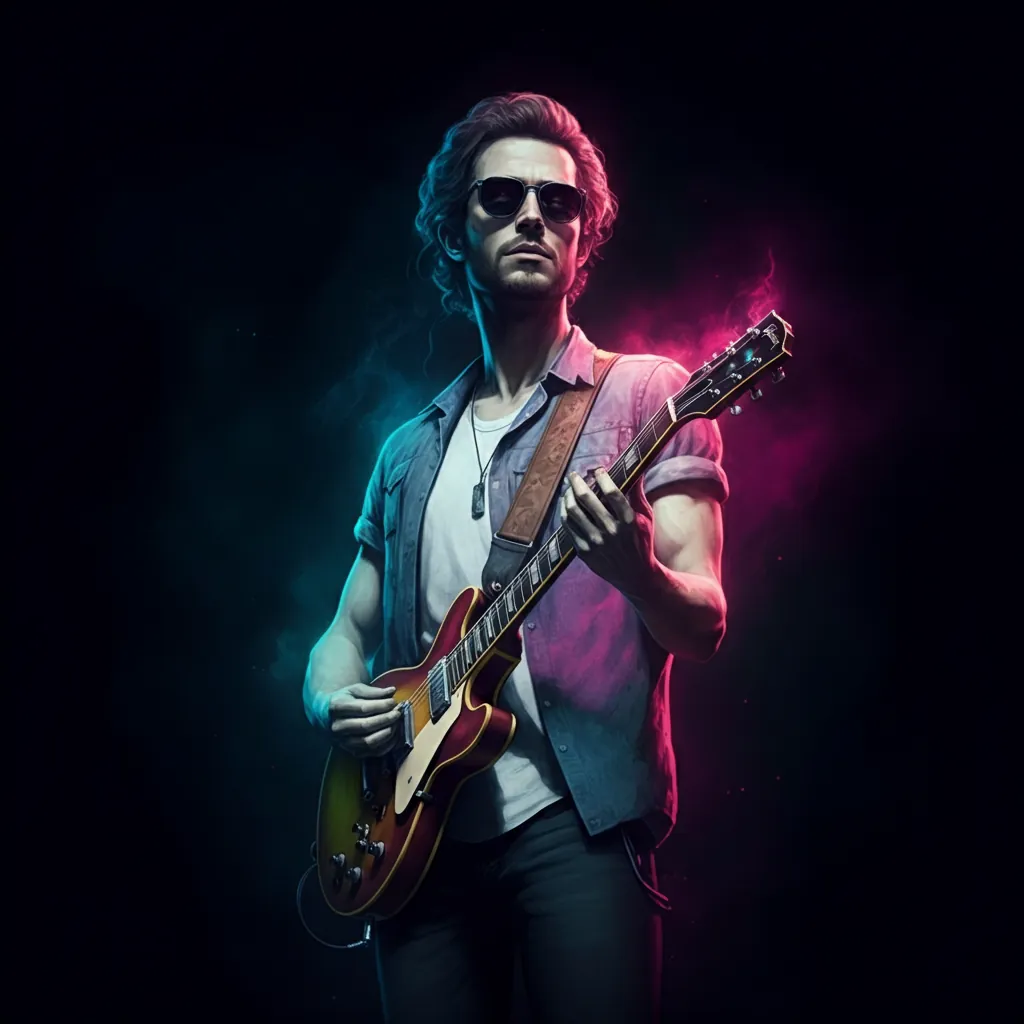

1. Cross Road Blues
Robert Johnson’s guitar work here, raw and stark, laid a blueprint for amplified angst. It’s the sound of a deal struck at the crossroads, a primal howl that reverberated through electric blues and rockabilly, right up to early rock and metal. That slide guitar wasn't just playing notes; it was bending destiny, a visceral expression of existential dread. This wasn't just music; it was a pact, an essential cornerstone for generations seeking release through distortion.
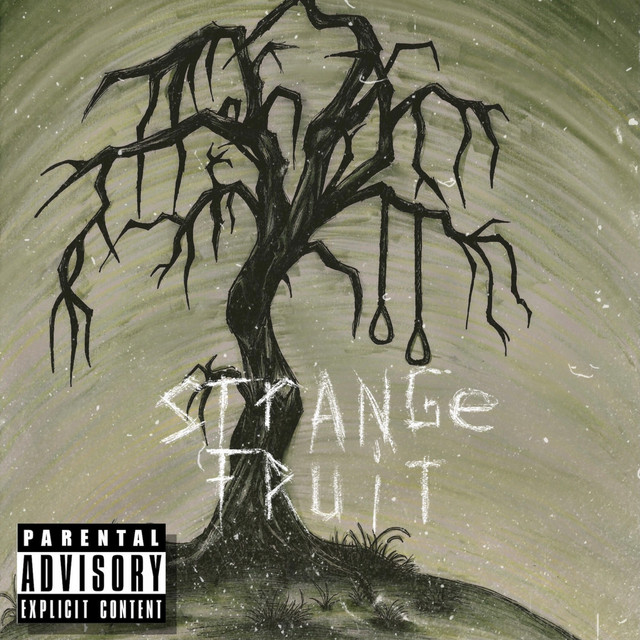
2. Strange Fruit
Billie Holiday's delivery on this track, stark and haunting, remains a gut-punch. It's not just a song; it's a testament, a brutal slice of American reality presented with an aching beauty that’s almost unbearable. The sparse arrangement, just her voice and a few instruments, amplifies the horror, making it a foundational piece of protest music that transcends jazz, resonating with a timeless, tragic power.
3. Rocket 88
Now, this is where the tires started squealing, before the term "rock and roll" even felt comfortable. Jackie Brenston and his Delta Cats laid down a greasy, overdriven boogie that practically invented the sound of distorted guitar. It’s raw, it’s loose, and it’s got that unstoppable momentum that would soon be tearing up dance floors and radio waves alike, a true proto-rock classic.

4. Mannish Boy (Ruckus Roboticus Remix)
Muddy Waters' original was already a swaggering, electric blues declaration. But this remix, it’s a metallic ghost in the machine. Ruckus Roboticus took that primal Chicago blues riff and fed it through a circuit board, stripping it down to its skeletal rhythm and amplifying its menace with industrial throb. It’s a jarring, fascinating collision, proving how foundational grooves can be rewired for a new, colder age.

5. Louie Louie Louie
The Kingsmen pretty much solidified garage rock with this one, a three-chord wonder that’s more about attitude than articulation. It’s sloppy, it’s loud, and the lyrics are famously unintelligible, which only adds to its rebellious charm. This track is pure, unadulterated teenage chaos, a blueprint for every band that ever picked up cheap guitars and plugged them into cranked-up amps, just for the sheer racket.
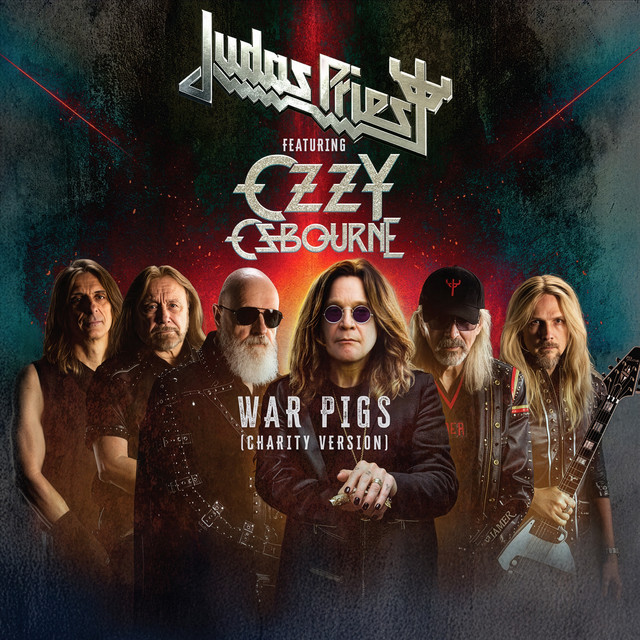
6. War Pigs (Charity Version)
The original "War Pigs" was a seismic event, a slow, crushing riff that defined doom metal before anyone knew what to call it. It's a relentless, apocalyptic march, Sabbath's brutal commentary on conflict. While the "Charity Version" is a curiosity, it's the sheer, unadulterated weight of the original's central riff and Ozzy's wail that truly etched itself into the very bedrock of heavy music, a foundational metal protest.

7. I Feel Your Love (Like A Gentle Embrace)
This track glides in with that effortless, shimmering groove, a prime example of early house or sophisticated disco’s tender side. It’s all about the subtle synth pads, the understated bassline, and a vocal that’s more breath than belt, creating a warm, enveloping space. This kind of understated elegance laid crucial groundwork for the smoother side of electronic dance music, a sensual, hypnotic pulse.
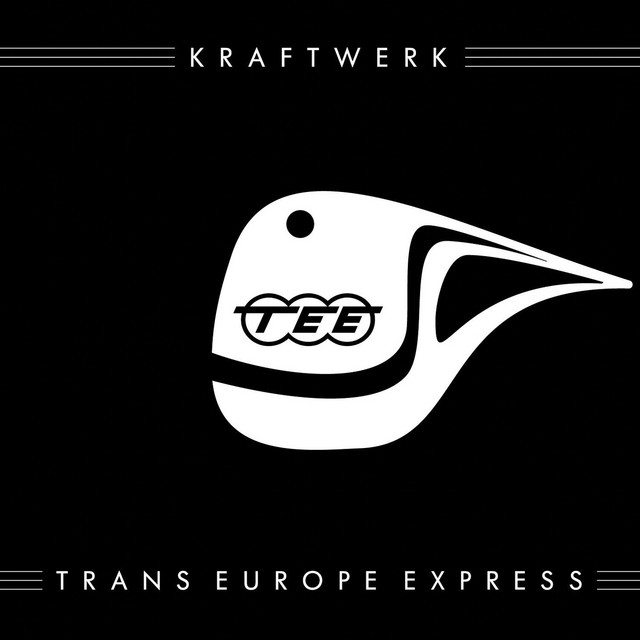
8. Trans-Europe Express (2009 Remaster)
Kraftwerk didn't just make music; they engineered futures. This track, even remastered, still hums with minimalist precision and cold, industrial romance. Its relentless, motorik pulse and pristine synth lines became the rhythmic backbone for countless electronic artists, from Detroit techno to early hip-hop. It's a journey, not just across Europe, but into the very essence of synthesized rhythm and melody, utterly groundbreaking.
9. Psycho Killer
Talking Heads, always a step sideways from the norm, delivered this angular, twitchy post-punk anthem. That driving, almost neurotic bassline and David Byrne’s unsettling vocal persona created a tension that was both intellectual and visceral. It was art-rock with a sharp edge, refusing easy categorization, and its influence on indie and alternative music is undeniable, a truly distinctive, unsettling groove.