
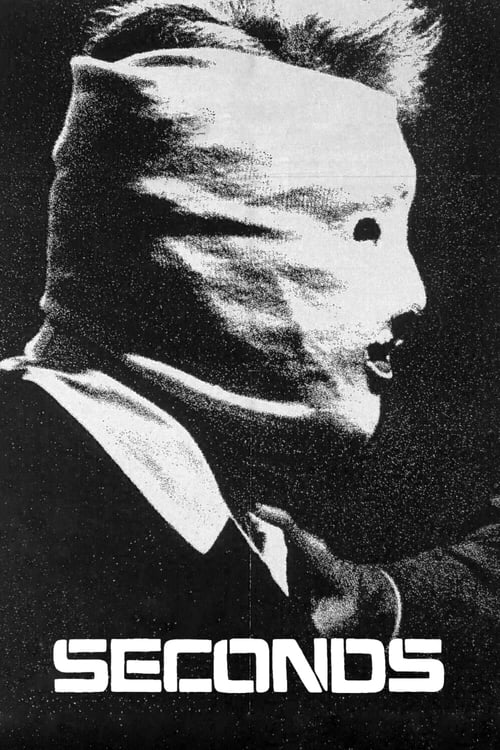
1. Seconds
Nicolas Roeg's *Walkabout* immerses us in the Australian outback, a landscape both brutal and beautiful. Two British children, stranded, encounter an Aboriginal boy on his ritual walkabout, leading to a profound, often tragic, collision of cultures and innocence. Roeg’s elliptical editing and breathtaking visuals craft a hypnotic, dreamlike meditation on nature, civilization, and the inherent alienation of modern life. It's an unforgettable sensory experience.
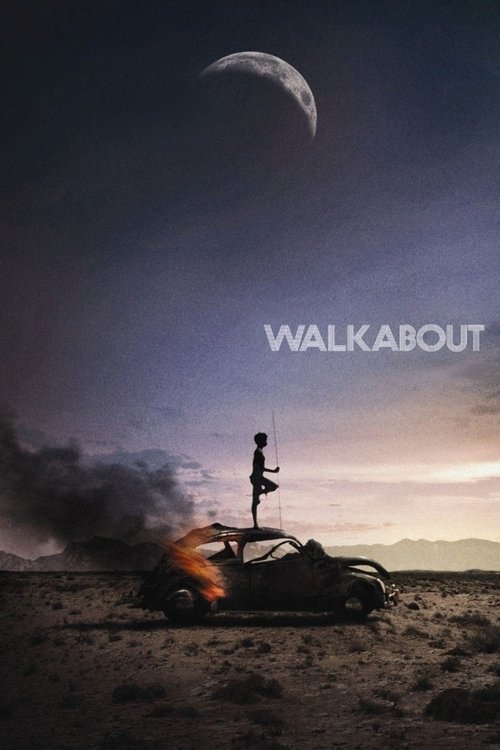
2. Walkabout
Alan J. Pakula’s *The Parallax View* is the definitive 1970s conspiracy thriller, a suffocating portrait of institutional malevolence. Warren Beatty's journalist uncovers a shadowy organization recruiting assassins, plunging him into a labyrinthine world where truth is a casualty and power is absolute. Its clinical detachment and chilling, unresolved ending capture the post-Watergate era’s profound cynicism, leaving an indelible mark of paranoia on the viewer.
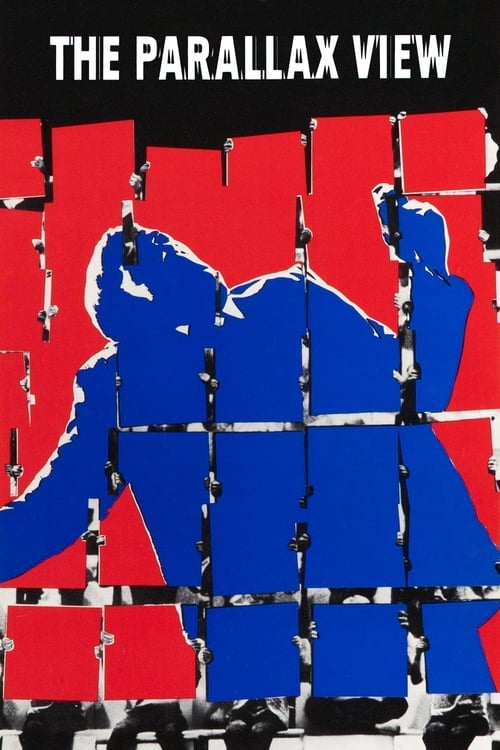
3. The Parallax View
David Cronenberg’s *The Brood* is visceral body horror at its most psychologically raw. It externalizes repressed rage and familial trauma through literal, monstrous offspring. Oliver Reed’s controversial psychotherapist preys on his patients' anxieties, leading to a horrifying manifestation of a woman’s fury. This film delves into the disturbing symbiosis between mind and flesh, cementing Cronenberg’s unique vision of biological terror and emotional scars.
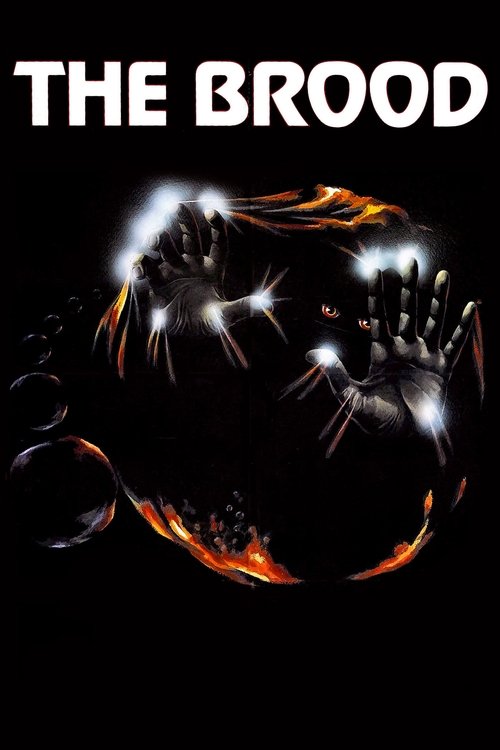
4. The Brood
Krzysztof Kieślowski’s *Blind Chance* masterfully explores the intricate interplay of fate and free will. It presents three alternative paths for its protagonist, each hinging on a single, missed train, charting vastly different lives under communist Poland. This structural brilliance illuminates how seemingly trivial moments can radically alter one's destiny, raising profound questions about agency, political engagement, and the illusion of choice. A philosophical tour de force.
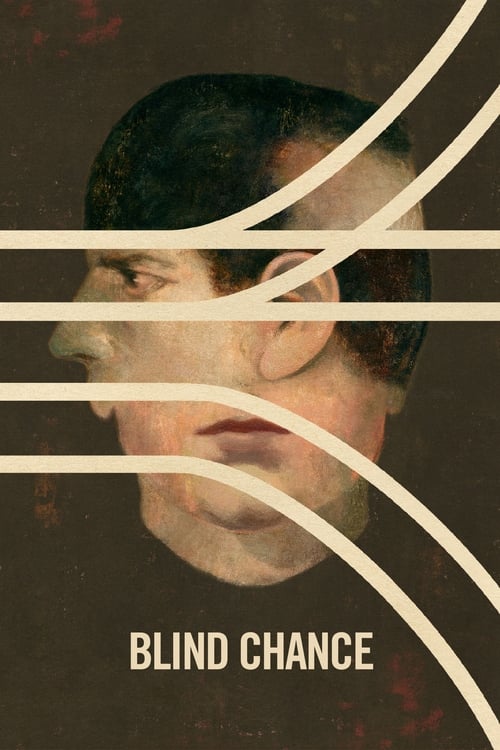
5. Blind Chance
Rolf de Heer’s *Bad Boy Bubby* is an audacious, often disturbing, yet strangely poignant journey of an adult man sheltered from the world since birth. Upon escaping his abusive mother, Bubby encounters society with an unnerving childlike innocence and primal urges. Its raw, confrontational style and unique sound design create a deeply unsettling, darkly comedic, and ultimately moving commentary on human nature and social conditioning.

6. Bad Boy Bubby
Todd Solondz’s *Happiness* is a brutally honest, darkly comedic dissection of suburban angst and sexual perversion. It unflinchingly explores the loneliness and depravity beneath the veneer of middle-class life, connecting disparate characters through their shared pathologies and desperate search for connection. Solondz’s deadpan, provocative style forces an uncomfortable mirror upon the audience, revealing the profound sadness and moral ambiguities lurking within everyday existence.
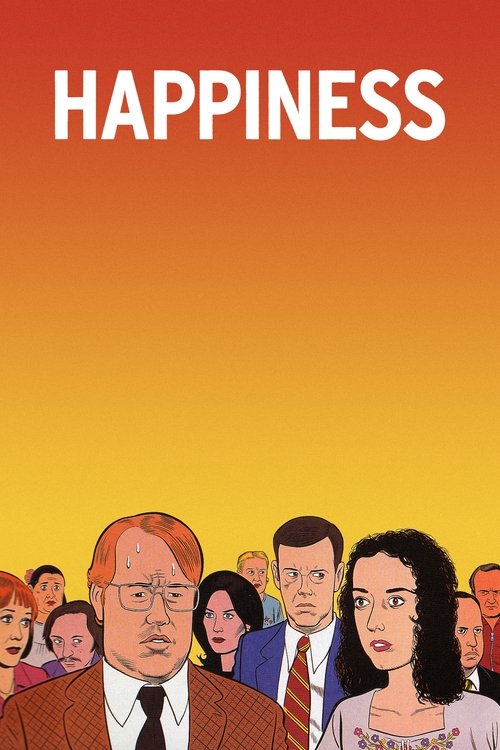
7. Happiness
Béla Tarr and Ágnes Hranitzky's *Werckmeister Harmonies* is an austere, mesmerizing descent into societal breakdown. Set in a bleak Hungarian town, it chronicles the arrival of a mysterious circus and its colossal whale, catalyzing chaos and mob violence. Through its meticulously composed, extended long takes and desolate black-and-white photography, the film crafts a hypnotic, allegorical vision of human frailty, fear, and the search for order amidst encroaching nihilism.
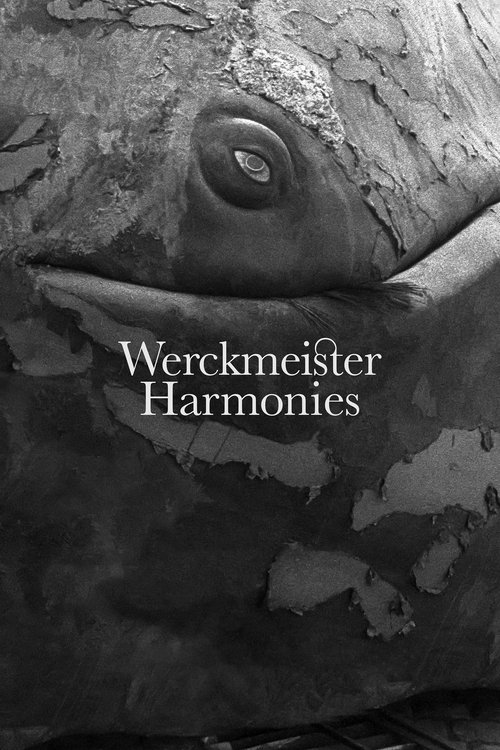
8. Werckmeister Harmonies
Jerry Schatzberg’s *Scarecrow* is a poignant, gritty road movie about two drifters, Max (Gene Hackman) and Lion (Al Pacino), chasing a dream of opening a car wash. Their journey across America is marked by camaraderie, dashed hopes, and the harsh realities of poverty and mental illness. It’s a raw, unsentimental portrayal of male friendship and the elusive American Dream, anchored by two powerhouse performances.