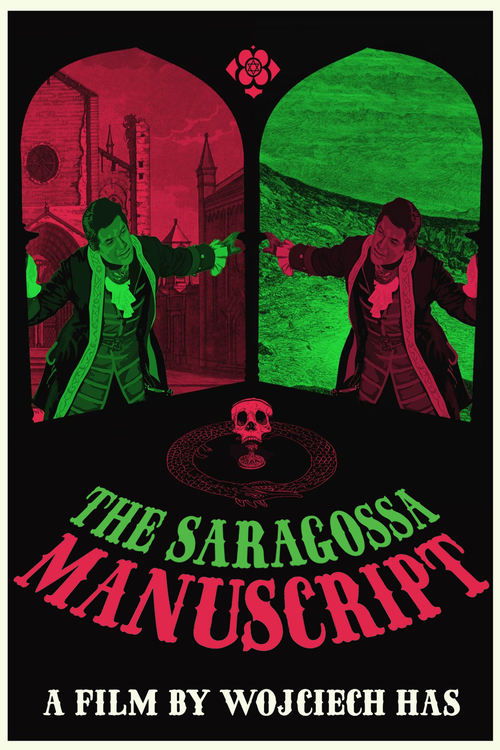
1. The Saragossa Manuscript
Wojciech Has's epic Polish fantasia is a labyrinthine journey through nested tales of love, philosophy, and the supernatural. It’s a boundless tapestry of stories, each unfolding within another, creating a dreamlike, almost hypnotic experience. This film challenges the very structure of narrative, inviting viewers into a world where reality and folklore intertwine with dazzling, unsettling beauty. Its visual ambition remains unparalleled.
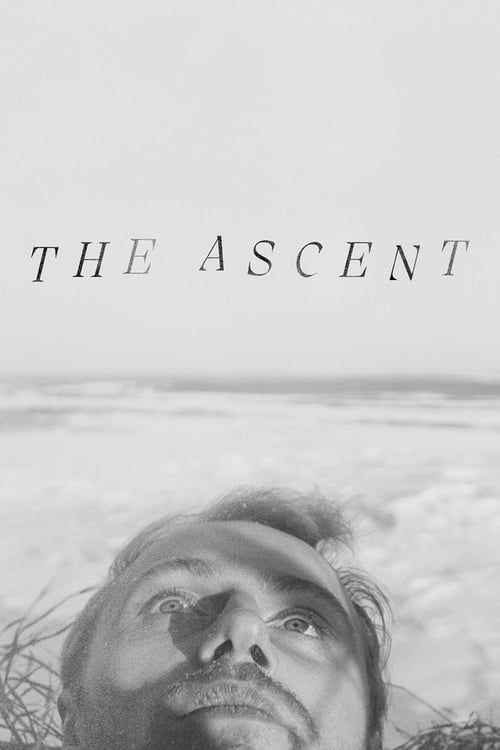
2. The Ascent
Larisa Shepitko's profound Soviet war drama plunges audiences into the brutal winter landscape of WWII. It's not merely a survival story, but a stark moral examination of humanity under extreme duress. The raw, unflinching performances and stark black-and-white cinematography create an almost unbearable tension, forcing viewers to confront the choices made when faith and betrayal hang in the balance. A truly visceral, unforgettable experience.

3. Le Samouraï
Jean-Pierre Melville's seminal French crime masterpiece defines cool with its minimalist aesthetic and stoic protagonist, Jef Costello. This isn't just a hitman film; it’s an existential meditation on solitude, fate, and ritualistic professionalism. Every shot is meticulously composed, every gesture deliberate, creating a hypnotic, almost balletic study of a man trapped in his own meticulously constructed world. Its influence on neo-noir is immeasurable.
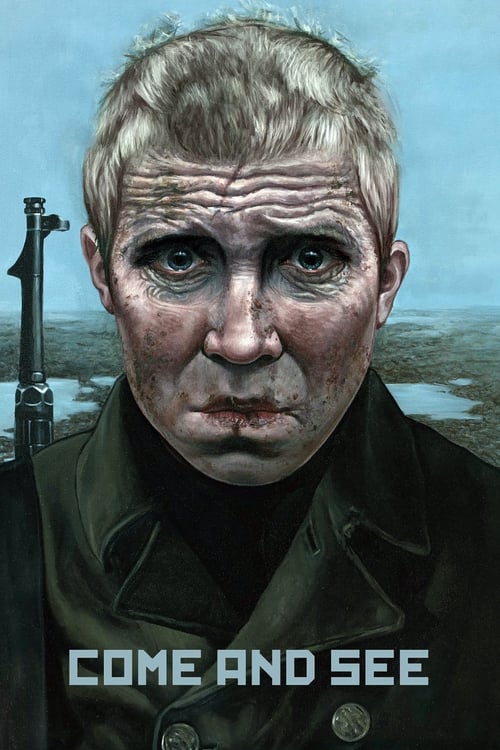
4. Come and See
Elem Klimov's Soviet anti-war film is less a movie and more a traumatic immersion into the horrors of World War II's Eastern Front. Seen through the eyes of a young boy, Flyora, it unflinchingly depicts the psychological and physical scars of war, transforming innocence into a harrowing, wide-eyed terror. The film's visceral realism and surreal sequences create an unforgettable, deeply disturbing portrait of human cruelty and resilience.
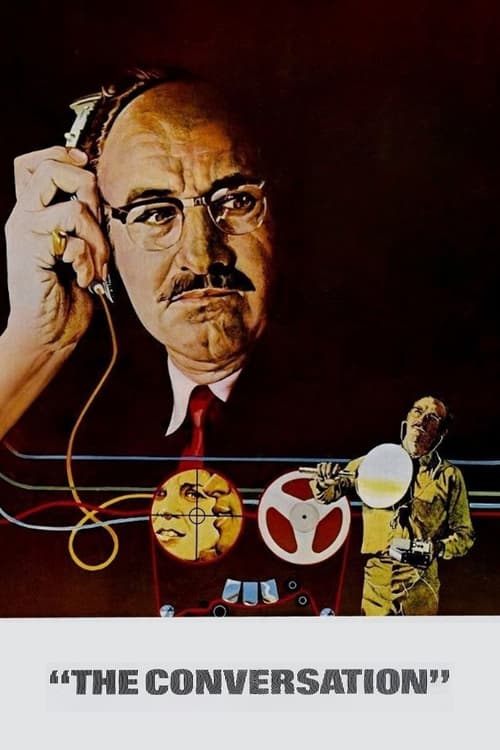
5. The Conversation
Francis Ford Coppola's chilling psychological thriller, released amidst Watergate, is a masterclass in paranoia and sound design. Gene Hackman's Harry Caul, a surveillance expert, becomes entangled in the very ethical dilemmas he avoids, as he obsessively dissects a seemingly innocuous conversation. The film meticulously builds suspense, making the audience complicit in Caul's growing dread, questioning the nature of privacy and truth itself.
6. The Vanishing
George Sluizer's original Dutch thriller is a profoundly unsettling exploration of obsession and the unknown. When Rex's girlfriend suddenly disappears from a roadside rest stop, his relentless, years-long quest for answers leads him down a dark, existential rabbit hole. The film eschews conventional thrills for a slow-burn psychological dread, culminating in one of cinema's most chilling and unforgettable endings, forever cementing its cult status.
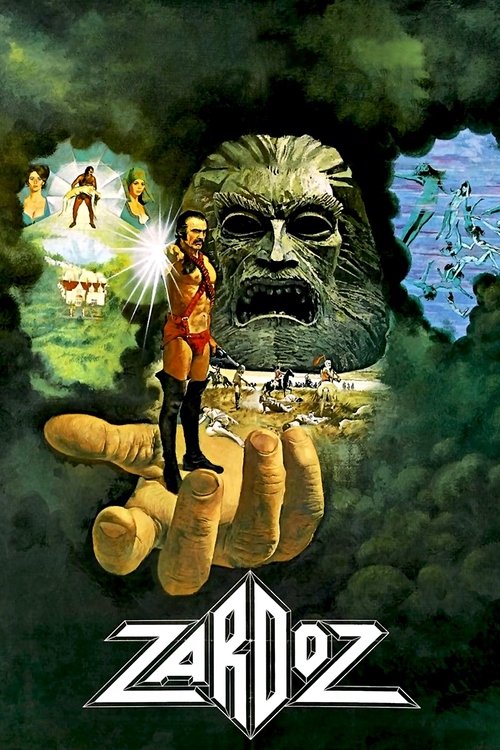
7. Zardoz
John Boorman's psychedelic British sci-fi odyssey is a gloriously bizarre, utterly unique vision of a post-apocalyptic future. Starring Sean Connery in a memorable red diaper-diaper, it's a wildly imaginative, often perplexing, but always thought-provoking commentary on class, power, and societal decay. It defies easy categorization, embracing its own outlandish logic to craft an unforgettable, cult-favorite cinematic experience that's truly one of a kind.
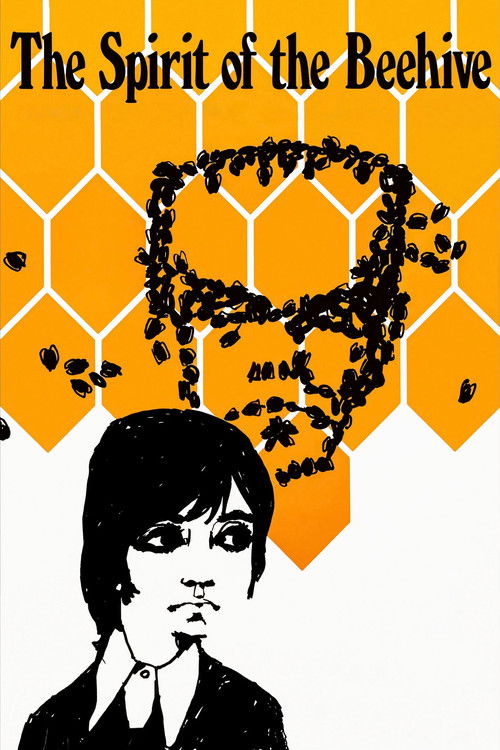
8. The Spirit of the Beehive
Víctor Erice’s Spanish masterpiece is a hauntingly beautiful, atmospheric tale set in post-Civil War Spain. Through the eyes of young Ana, fascinated by James Whale's *Frankenstein*, the film exquisitely blends childhood innocence, fantasy, and the quiet anxieties of a fractured nation. It’s a poetic, deeply resonant exploration of imagination, fear, and the lingering shadows of a repressed society, rendered with delicate, evocative imagery.
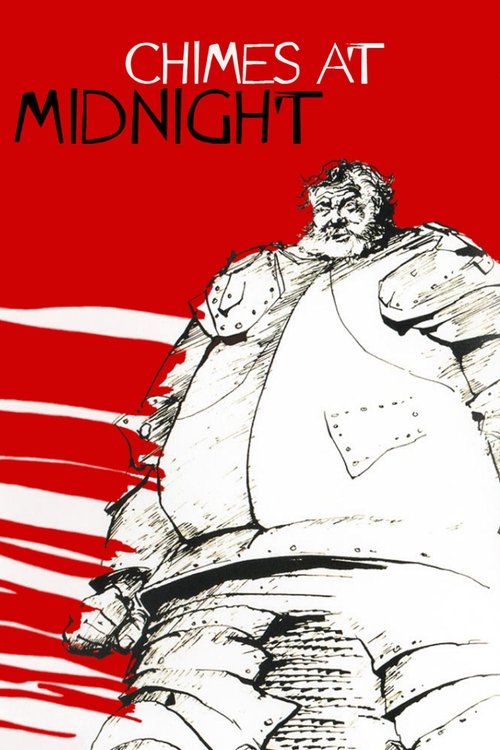
9. Chimes at Midnight
Orson Welles's profoundly personal adaptation of Shakespeare's Falstaff plays is a towering achievement. Welles himself embodies the magnificent, tragic figure of Sir John, delivering a performance of immense warmth and heartbreak. This is not merely a stage play filmed; it’s a deeply cinematic interpretation, particularly in its breathtaking, chaotic battle sequences, offering a poignant, melancholic reflection on friendship, honor, and the passing of an era.