
1. A City of Sadness
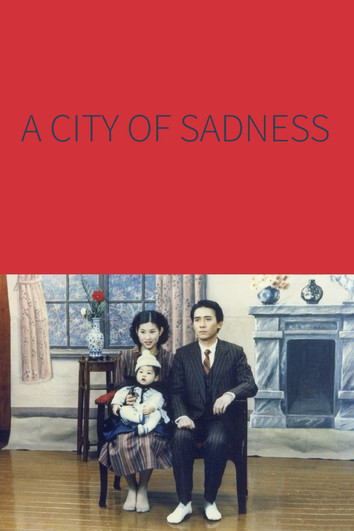
Hou Hsiao-Hsien's "A City of Sadness" isn't merely a period drama; it's a profound, almost elegiac, meditation on national trauma. Through the lens of the Lin family, it quietly unravels the devastating impact of Taiwan's White Terror and the 228 Incident, events often silenced in official histories. Hou's masterful long takes and subtle framing immerse the viewer in a landscape of personal grief intertwined with political upheaval. This film stands as a testament to cinema's power in reclaiming obscured narratives and giving voice to the voiceless, a truly essential piece of Asian auteur cinema.
2. Come and See
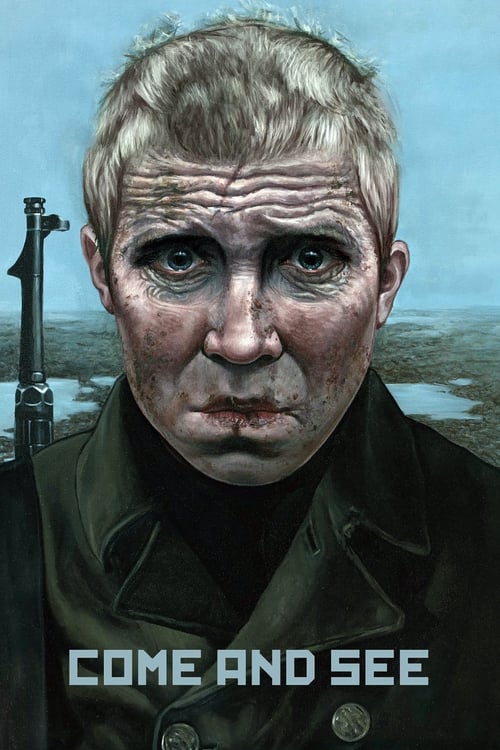
Elem Klimov's "Come and See" is less a film and more a visceral, harrowing descent into the true face of war. Set during the Nazi occupation of Belarus, it chronicles a young boy's horrifying transformation as he witnesses unimaginable atrocities. Klimov employs unsettling sound design and unflinching realism to strip away any romanticism from conflict, presenting a psychological and physical gauntlet. This Soviet masterpiece remains a uniquely brutal, unforgettable experience, forcing us to confront the absolute degradation of humanity in extremis, a stark reminder of history's darkest chapters.

3. Possession
Andrzej Żuławski's "Possession" is a raw, operatic scream of a film, a masterclass in psychological horror fused with extreme body horror. Filmed against the backdrop of Cold War Berlin, its unsettling narrative dissects a marriage's violent implosion, manifesting internal turmoil as grotesque, externalized monstrosity. Isabelle Adjani and Sam Neill deliver performances of astonishing, almost terrifying intensity, pushing the boundaries of human emotion and physical endurance. It’s a work that defies easy categorization, a profoundly disturbing, yet strangely compelling, exploration of obsession and alienation.

4. Le Samouraï
Jean-Pierre Melville's "Le Samouraï" is the epitome of cool, a minimalist neo-noir that distills the essence of the lone wolf archetype. Alain Delon's Jef Costello, a contract killer, moves through a world of precise rituals and unspoken codes, his stoicism a mask for profound isolation. Melville’s meticulous direction, spare dialogue, and stark visual poetry craft an atmosphere of inescapable fatalism. It’s a film that speaks volumes through its silences, influencing countless filmmakers with its elegant portrayal of existential solitude and the inescapable pull of one's own nature.
5. The Vanishing
George Sluizer's original "The Vanishing" (Spoorloos) is a chilling psychological thriller that masterfully exploits our deepest anxieties about the unknown. What begins as a simple disappearance morphs into a relentless, decades-long obsession for a man seeking answers. Sluizer brilliantly subverts genre conventions, showing us the villain early on, yet never diminishing the mounting dread. It's a testament to sustained tension, probing the darkest corners of human curiosity and the terrifying lengths one might go to satisfy it, a truly unforgettable exercise in cinematic suspense.

6. Gummo
Harmony Korine's "Gummo" is a deliberately abrasive, almost anthropological, plunge into the forgotten fringes of American society. Set in a tornado-ravaged Ohio town, it eschews conventional narrative for a series of unsettling vignettes featuring eccentric, often disturbing, characters. Korine's raw, cinéma vérité style captures a sense of aimlessness and desperation, offering a glimpse into lives often unseen or ignored. It's a provocative, polarizing work that challenges notions of beauty and ugliness, forcing a confrontation with the uncomfortable truths of poverty and cultural decay.
7. Wings of Desire
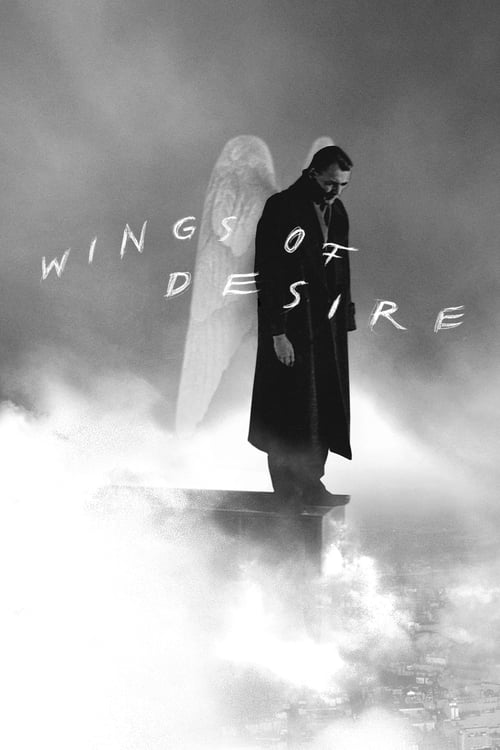
Wim Wenders' "Wings of Desire" is a poetic, ethereal masterpiece that transforms Berlin into a canvas for existential contemplation. Following two angels observing humanity, it beautifully explores the yearning for tangible experience, for the messy, vibrant world of sensation and emotion. Wenders' black-and-white cinematography for the angels' perspective, shifting to color for human perception, is inspired, creating a profound visual metaphor for connection and longing. It’s a deeply philosophical film, a tender ode to the fragility and enduring beauty of human existence, a true cinematic poem.
8. Synecdoche, New York
Charlie Kaufman's "Synecdoche, New York" is a dizzying, profoundly melancholic exploration of identity, art, and mortality. Philip Seymour Hoffman's Caden Cotard attempts to create an impossibly elaborate theatrical production mirroring his life, only to find the lines between reality and artifice hopelessly blurred. Kaufman masterfully crafts a sprawling, self-referential narrative that grapples with the anxieties of time's passage, the fear of insignificance, and the inherent loneliness of the human condition. It’s a challenging, yet ultimately cathartic, cinematic experience, a genuine work of meta-fiction.
9. The Sweet Hereafter
Atom Egoyan's "The Sweet Hereafter" is a profoundly moving, meticulously crafted study of collective grief and the elusive nature of truth. Following a small town shattered by a tragic bus accident, the film masterfully weaves together fragmented narratives, presenting differing perspectives on loss and culpability. Egoyan’s contemplative style, coupled with brilliant performances, creates a chillingly atmospheric portrait of a community grappling with unimaginable pain and the desperate human need for explanation, even when none can truly suffice. It’s a powerful, unsettling reflection on morality and memory.