

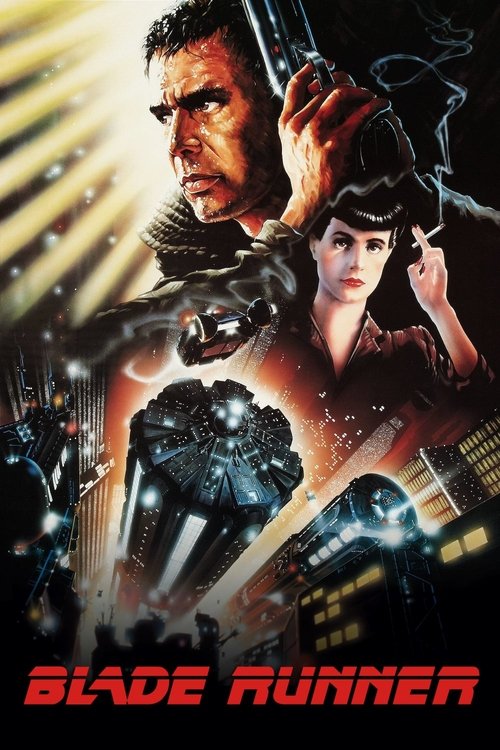
1. Blade Runner
Initially a box office disappointment, Ridley Scott's dystopian vision slowly asserted its profound influence. Its neo-noir aesthetic, philosophical exploration of humanity through artificial intelligence, and Vangelis's haunting score created a world both familiar and alien. This film, with its multiple cuts, became a touchstone for cyberpunk and a testament to how audiences and critics can take time to fully grasp a work's genius, recognizing its groundbreaking atmospheric design and enduring existential questions years later.
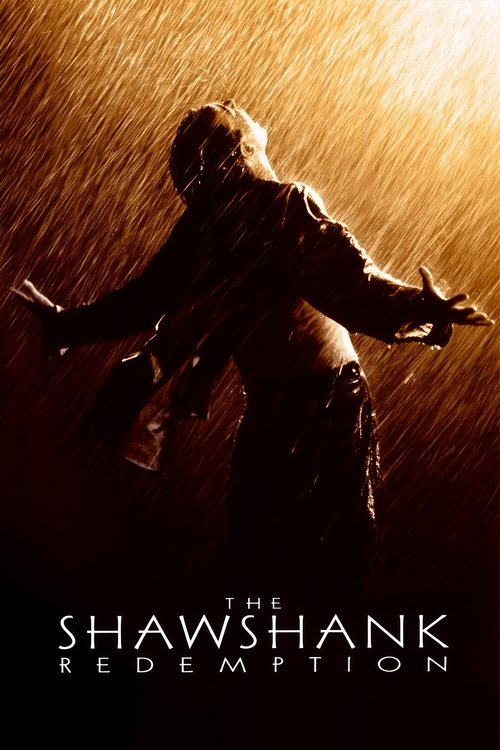
2. The Shawshank Redemption
Despite a modest theatrical run and facing stiff competition at the Oscars, Frank Darabont's adaptation of Stephen King's novella found its true audience on home video and cable. Its themes of hope, resilience, and the quiet dignity of the human spirit resonated deeply, transforming it into a beloved classic. The film's meticulous pacing and masterful performances, particularly by Tim Robbins and Morgan Freeman, cemented its legacy as one of cinema's most emotionally impactful and enduring tales of perseverance against overwhelming odds.
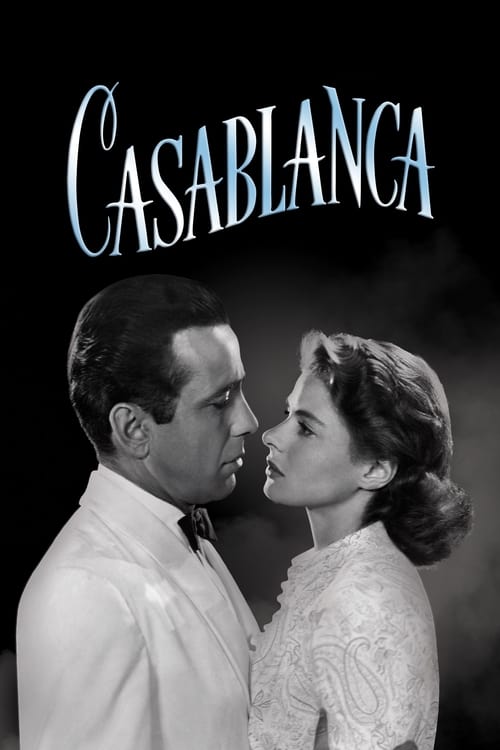
3. Casablanca
A legendary production, born from a chaotic script, studio interference, and wartime urgency. Yet, from these tumultuous origins emerged a film of enduring romantic and political resonance. Its iconic dialogue, indelible characters, and potent blend of melodrama and espionage captured the zeitgeist of 1942, reflecting both the anxieties and aspirations of a world at war. This unexpected triumph proves that sometimes, the alchemy of circumstance, talent, and sheer will can forge an immortal work.
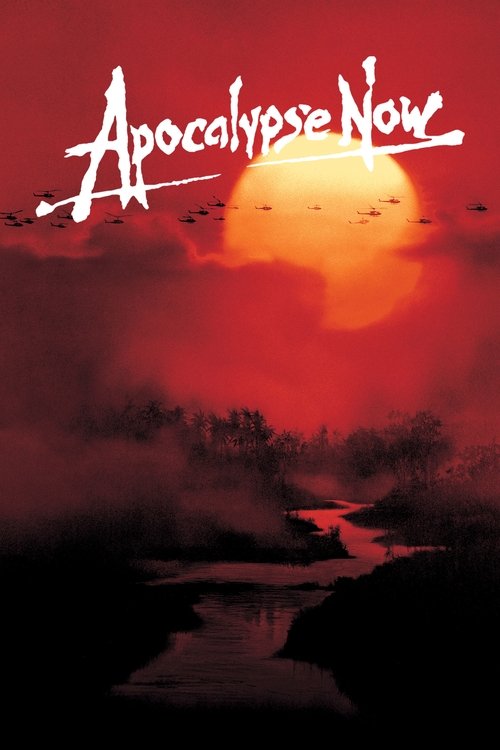
4. Apocalypse Now
Francis Ford Coppola's journey into the heart of darkness was a famously arduous production, plagued by typhoons, heart attacks, and budget overruns. The sheer scale of its ambition, however, paid off in a hallucinatory, visceral exploration of war's psychological toll and moral ambiguities. It pushed cinematic boundaries, becoming less a narrative and more an experience, a fever dream reflecting the chaos it depicted. Its survival as a coherent, towering work of art is as remarkable as its thematic depth.
5. Citizen Kane
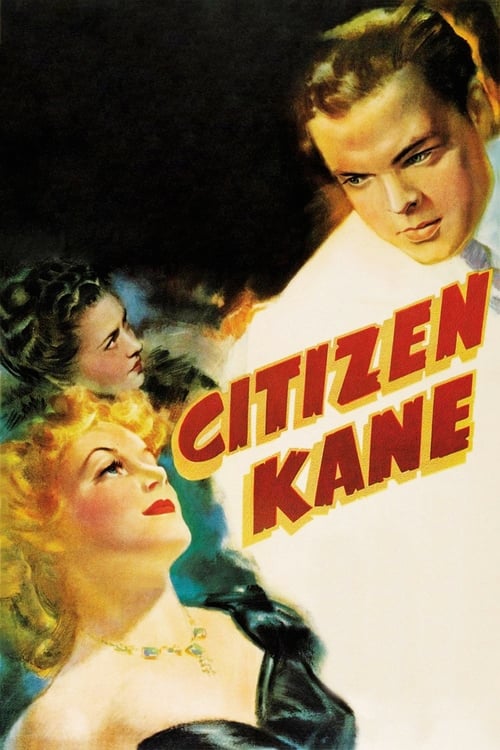
Orson Welles' debut feature, revolutionary in its narrative structure, cinematography, and sound design, faced initial resistance, notably from William Randolph Hearst, on whom the protagonist was based. Despite critical acclaim, its box office was muted. Yet, its daring formal innovations and complex character study ensured its eventual recognition as a foundational text of modern cinema. Its influence on subsequent generations of filmmakers is immeasurable, a testament to its audacious artistry finally overcoming initial commercial obstacles.
6. 2001: A Space Odyssey
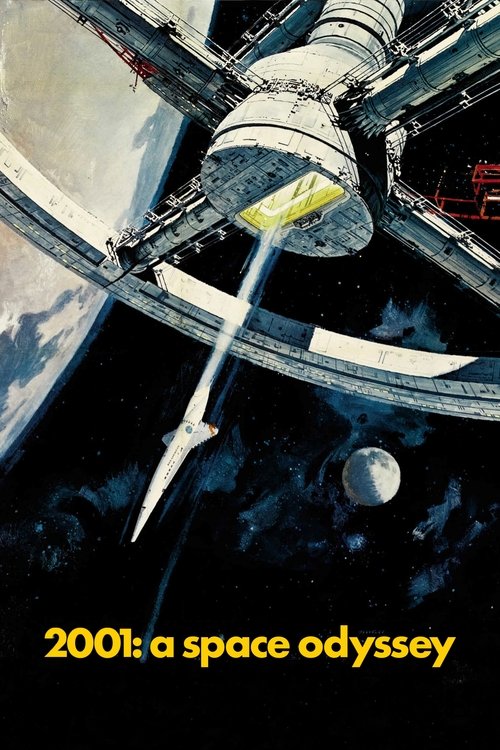
Stanley Kubrick's enigmatic masterpiece was initially met with mixed reactions, with many viewers struggling with its abstract narrative and deliberate pacing. However, its groundbreaking visual effects, philosophical scope, and profound existential questions gradually cemented its status as a landmark. It transcended mere science fiction, becoming a meditation on evolution, artificial intelligence, and humanity's place in the cosmos. Its slow burn to universal acclaim perfectly illustrates how pioneering works often require time for collective understanding to catch up.
7. Rocky
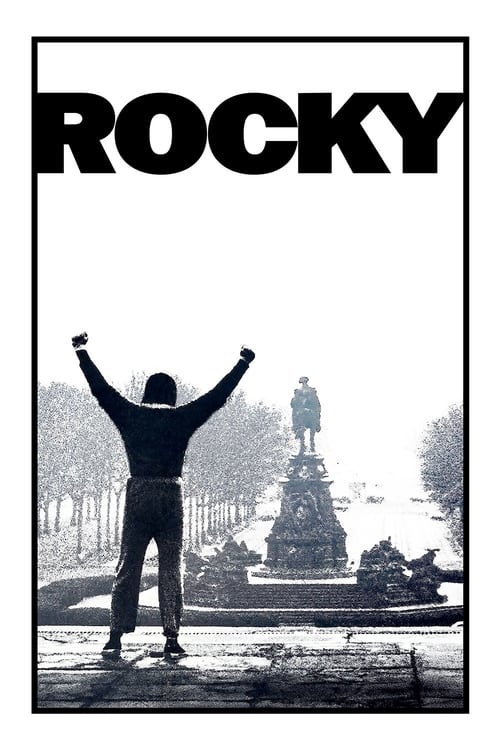
Sylvester Stallone's passion project, made on a shoestring budget with an unknown lead (himself), defied every expectation. It wasn't just a boxing movie; it was a deeply human story about an underdog finding dignity and self-worth. Its raw emotional power and genuine performances resonated with audiences, proving that authentic storytelling, even within conventional genre structures, can transcend commercial limitations. The film's improbable success is a classic Hollywood fable, an inspiring testament to perseverance both on and off screen.

8. Arrival
Denis Villeneuve's thoughtful science fiction film, based on Ted Chiang's novella, arrived in a landscape often dominated by spectacle. Its quiet, intellectual approach to first contact, focusing on linguistics and the nature of time and grief, was a risk. Yet, its profound emotional depth, stunning cinematography, and Amy Adams's nuanced performance resonated deeply. It demonstrated that audiences crave intelligent, challenging narratives that provoke thought and feeling, allowing a contemplative, philosophical work to achieve both critical and commercial success.
9. Parasite
Bong Joon-ho's razor-sharp social satire, a darkly comedic thriller, made history as the first non-English language film to win Best Picture at the Oscars. Its intricate plot, masterful blend of genres, and searing critique of class disparity transcended cultural barriers. Initially perceived as a niche foreign film, its universal themes and exceptional craftsmanship propelled it to global recognition, proving that compelling storytelling, regardless of origin, possesses an undeniable power to captivate and provoke audiences worldwide.