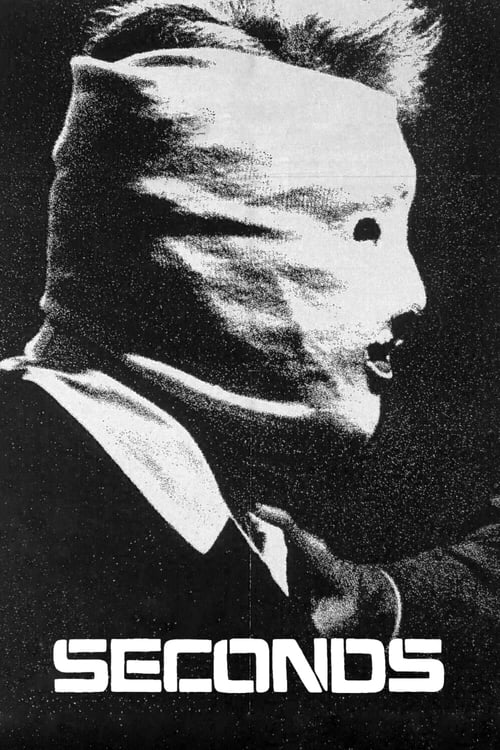
1. Seconds
John Frankenheimer's chilling exploration of identity. Rock Hudson's performance as a man seeking escape from his mundane life, undergoing a radical surgical transformation, delves into the anxieties of conformity and the elusive nature of self. The film's stark, high-contrast cinematography and disorienting camera work craft a palpable sense of paranoia, making it a prescient commentary on societal pressures and the dark side of reinvention. It's a psychological thriller that still resonates with its unsettling questions about authenticity.
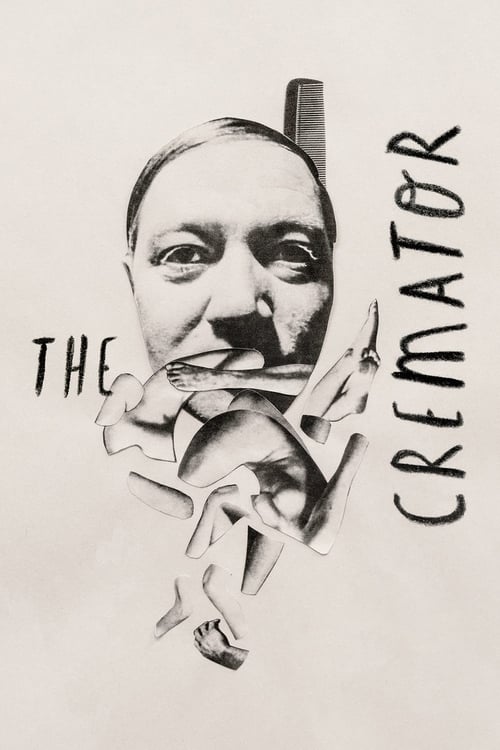
2. The Cremator
Juraj Herz's dark, grotesque masterpiece from the Czechoslovak New Wave. Rudolf Hrušínský delivers a truly disturbing performance as Karel Kopfrkingl, a cremator who, under the influence of Nazism and his own twisted philosophy, descends into madness. The film's black humor and surreal visuals, juxtaposed with its grim historical backdrop, create a uniquely unsettling experience. It’s a chilling character study, illustrating how easily ordinary men can be corrupted by ideology, presented with an almost operatic intensity.
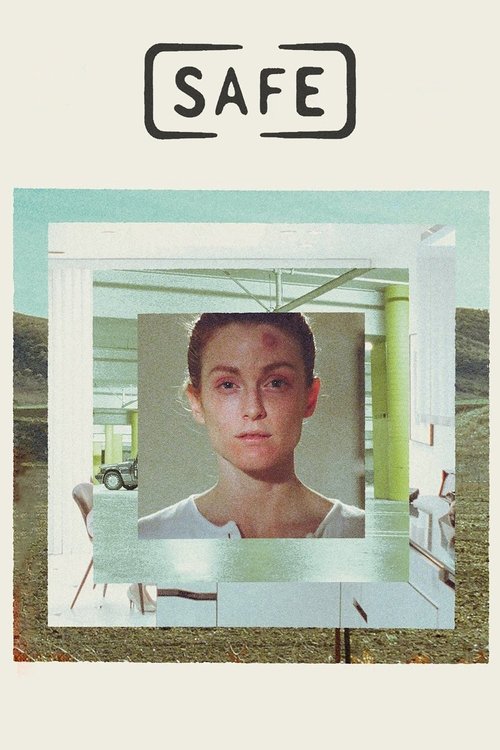
3. Safe
Todd Haynes' profoundly unsettling examination of environmental illness and societal alienation. Julianne Moore portrays Carol White, a suburban housewife who develops severe sensitivities to everyday chemicals, forcing her into an increasingly isolated existence. Haynes meticulously crafts a sterile, suffocating atmosphere that mirrors Carol's internal state, reflecting broader anxieties about modern living and the body's vulnerability. It's a powerful, quiet critique of wellness culture and the often-dismissed suffering of those deemed "unwell" by conventional society.
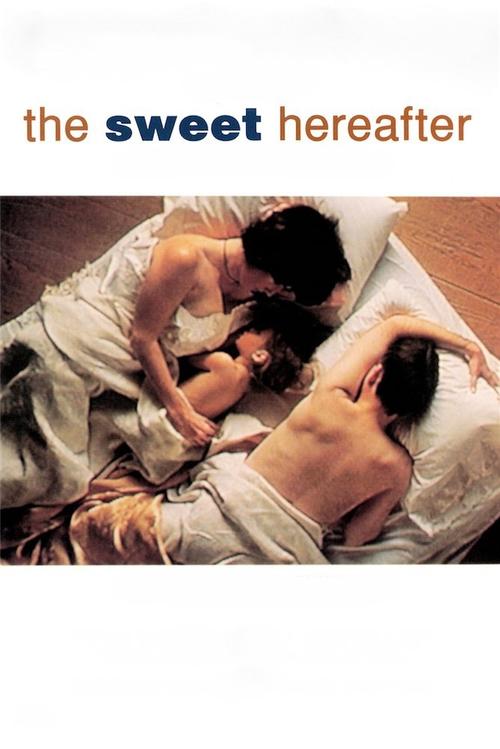
4. The Sweet Hereafter
Atom Egoyan's poignant, non-linear drama about grief and community. After a tragic school bus accident devastates a small Canadian town, a lawyer arrives to instigate a class-action lawsuit, stirring up complex emotions and hidden truths. Egoyan masterfully weaves together timelines and perspectives, revealing the devastating ripple effects of trauma and the fragility of collective memory. Ian Holm's performance anchors this meditative, deeply human film, exploring the difficult process of healing and accountability in the face of unspeakable loss.
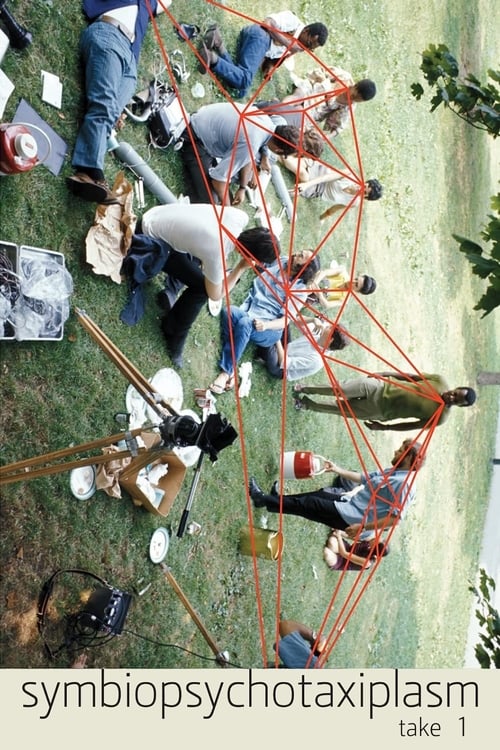
5. Symbiopsychotaxiplasm: Take One
William Greaves' groundbreaking meta-documentary. Greaves attempts to film a dramatic scene in Central Park, but simultaneously records the crew's reactions, a second crew filming the first, and interviews with passersby, creating a kaleidoscopic study of filmmaking itself. It’s an audacious, self-reflexive experiment that blurs the lines between reality and artifice, challenging conventional narrative structures and exposing the performative nature of documentary. This film remains a singular, endlessly fascinating exploration of artistic process and perception.
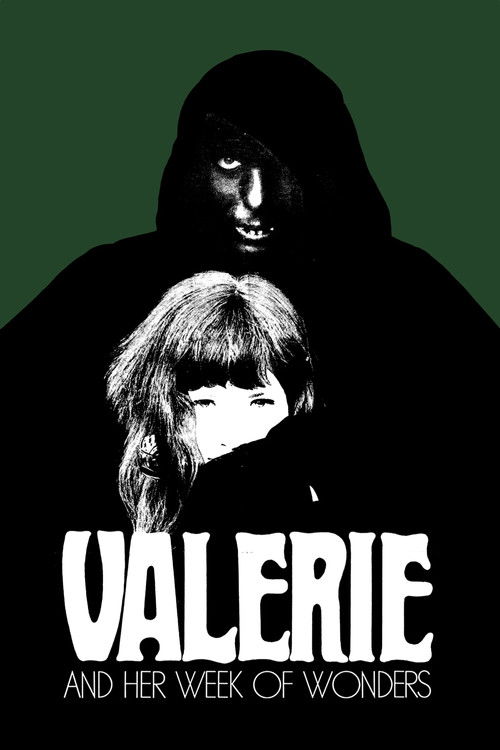
6. Valerie and Her Week of Wonders
Jaromil Jireš's dreamlike, surrealist fairy tale from the Czech New Wave. A young girl, Valerie, experiences a series of fantastical and often disturbing events during her first menstruation, navigating a world populated by vampires, priests, and seductive figures. Its lush, poetic visuals and fragmented narrative evoke a potent sense of adolescent awakening and the unsettling beauty of burgeoning sexuality. The film operates on a purely symbolic and atmospheric level, a truly unique and visually stunning dive into the subconscious.
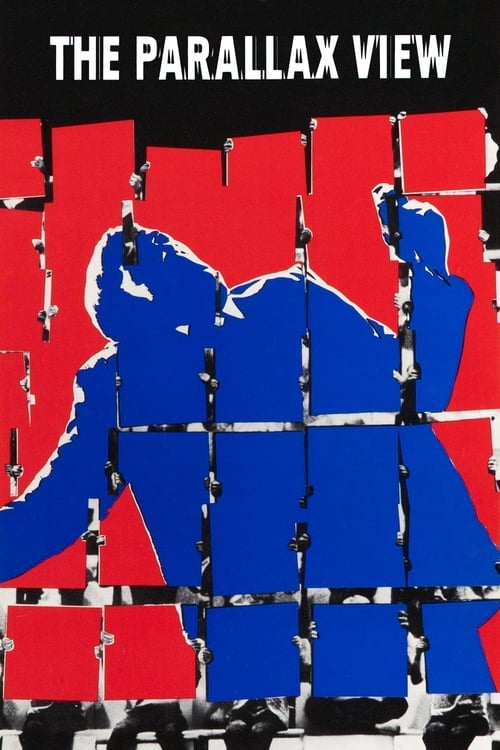
7. The Parallax View
Alan J. Pakula's taut, cynical conspiracy thriller. Warren Beatty plays a journalist investigating a series of mysterious deaths connected to a political assassination. Pakula masterfully builds a suffocating atmosphere of paranoia and unease, reflecting post-Watergate disillusionment with institutions. The film's famous "Parallax Test" sequence is a chilling portrayal of psychological manipulation, illustrating the insidious ways power can operate unseen. It's a stark, compelling depiction of an individual overwhelmed by an omnipresent, unassailable system.

8. Le Samouraï
Jean-Pierre Melville's minimalist, existential crime masterpiece. Alain Delon stars as Jef Costello, a stoic, solitary hitman living by his own strict code. Melville’s precise direction, sparse dialogue, and cool, elegant aesthetic create a profoundly stylish and meditative study of isolation and fatalism. The film's influence on subsequent thrillers and character archetypes is immense, defining a particular strain of cool. It’s a masterclass in visual storytelling, where every gesture and silence speaks volumes about character and fate.
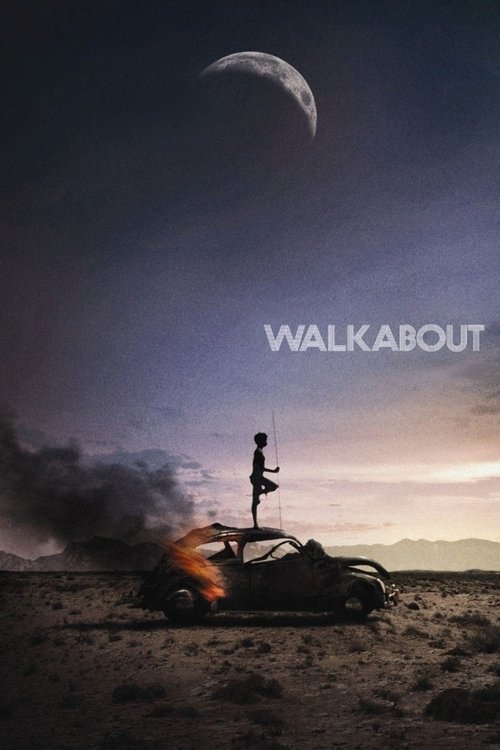
9. Walkabout
Nicolas Roeg's visually stunning, allegorical survival drama. Two English siblings are abandoned in the Australian outback and rescued by an Aboriginal boy on his "walkabout," a traditional rite of passage. Roeg’s kaleidoscopic editing and breathtaking cinematography create a visceral, almost dreamlike experience, contrasting urban alienation with primal nature. The film explores themes of cultural collision, innocence lost, and the brutal beauty of the wild, leaving a lasting impression with its profound, often wordless, commentary on humanity's place in the world.