


1. Citizen Kane
Orson Welles’ audacious debut fractured conventional storytelling, presenting a mosaic of memory and perspective to unveil a titan’s isolated final word. Its innovative deep focus and fractured chronology were not mere stylistic flourishes; they served to deconstruct the myth of the American Dream and the corrosive nature of unchecked ambition, proving cinema’s profound capacity for psychological excavation.

2. Rashomon
Kurosawa’s masterpiece stands as a profound meditation on subjective truth, depicting a single event through wildly conflicting testimonies. It questioned the very nature of human perception and memory, revealing how self-interest and desire shape our realities. The film's enduring power lies in its challenge to definitive narratives, making it a foundational text for understanding postmodern uncertainty.

3. Seven Samurai
Kurosawa’s epic redefined the action genre, but its true genius lies in its nuanced character development and profound societal commentary. Beyond the thrilling battles, it meticulously explores class dynamics, the burden of leadership, and the harsh realities of survival. Its influence on global cinema, particularly the Western, is immeasurable, showcasing cinema's capacity for grand narrative and intimate human struggle.
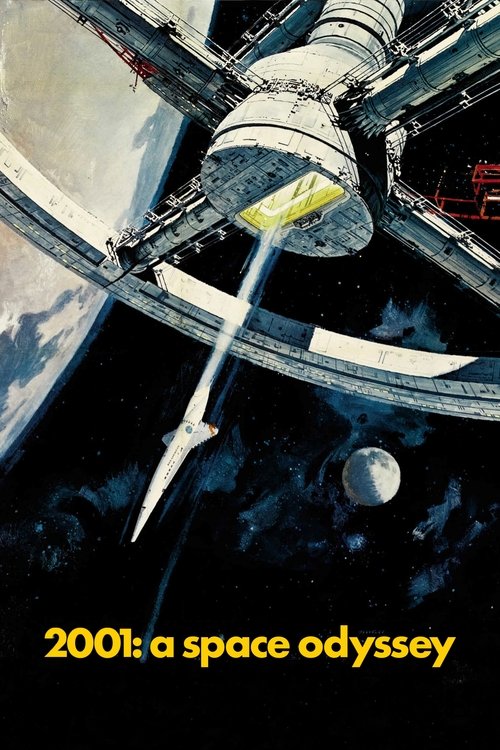
4. 2001: A Space Odyssey
Kubrick’s monumental vision remains an unparalleled journey into humanity’s past and future. Eschewing conventional dialogue for visual poetry and profound ambiguity, it explores evolution, artificial intelligence, and our place in the cosmos. More than a science fiction film, it is a philosophical treatise presented as a sensory experience, challenging audiences to ponder the ultimate questions of existence.

5. Blade Runner
Ridley Scott's neo-noir epic plunged audiences into a dystopian future where the line between humanity and artificiality blurred. Its stunning visual design and melancholic atmosphere established the cyberpunk aesthetic, but its lasting impact comes from profound questions about identity, memory, and what it truly means to be alive. It remains a potent reflection on technological progress and societal alienation.

6. Pulp Fiction
Tarantino shattered linear narrative conventions, stitching together disparate crime tales with audacious dialogue and an encyclopedic grasp of pop culture. Its self-referential style and genre-bending audacity cemented postmodern cinema, but beneath the cool veneer, it explored themes of redemption, fate, and the absurdities of life and death. The film reshaped how stories could be told on screen.

7. Persona
Bergman’s stark, unsettling exploration of identity and communication remains a cornerstone of psychological cinema. Through a seemingly simple premise, he delves into the dissolution of self between two women, blurring boundaries of personality and consciousness. Its experimental structure and dreamlike intensity challenge viewers to confront the masks we wear and the terrifying fragility of selfhood.

8. Stalker
Tarkovsky’s hypnotic, allegorical journey into the mysterious 'Zone' transcends traditional narrative, becoming a spiritual quest for meaning and desire. Its breathtaking cinematography and deliberate pace immerse the viewer in a profound, almost meditative experience. The film reflects on faith, hope, and the human condition in a world grappling with uncertainty, making it a timeless philosophical inquiry.
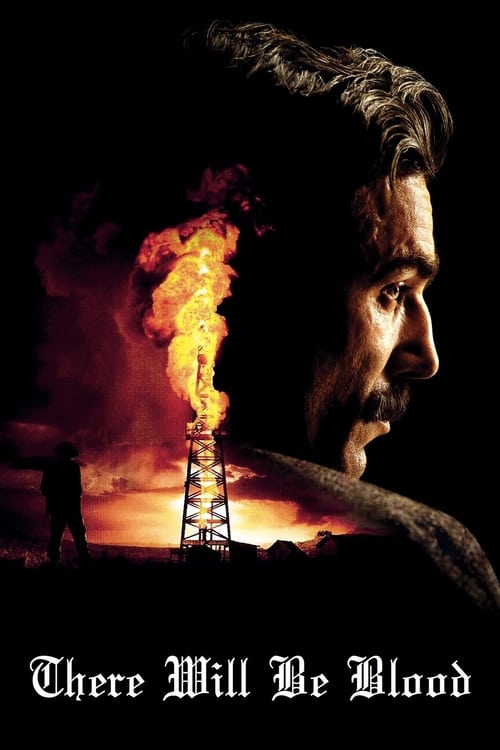
9. There Will Be Blood
Paul Thomas Anderson’s searing portrait of Daniel Plainview is a study in American ambition and spiritual decay. His meticulous direction and Daniel Day-Lewis's transformative performance craft a visceral exploration of capitalism’s corrosive effects, the clash between greed and faith, and the profound isolation that accompanies ruthless power. It’s a compelling, often terrifying, examination of an American archetype.