
1. The Vanishing
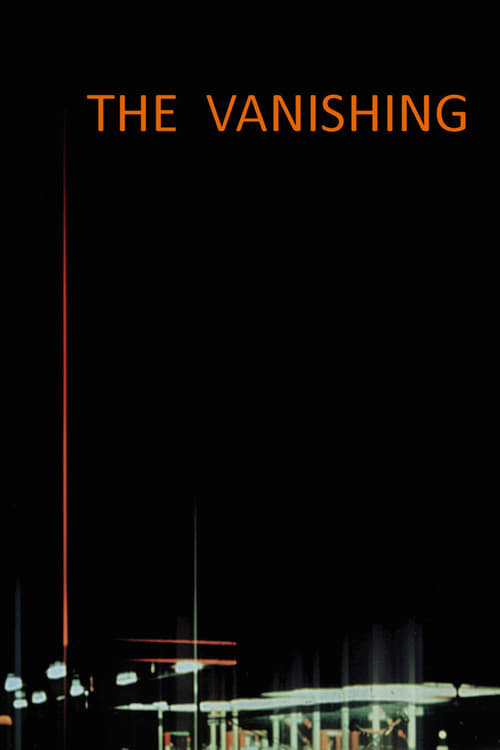
George Sluizer’s original *The Vanishing* (Spoorloos) is a masterclass in psychological dread, a chilling exploration of obsession and the abyss of human cruelty. This isn't merely a mystery; it's a profound descent into a man's psyche as he sacrifices everything to understand his vanished girlfriend's fate. Its meticulous, unsettling denouement sticks with you, demonstrating how true horror often resides not in gore, but in the existential terror of the unresolved and the unknowable. The film’s ending remains one of cinema's most disturbing.
2. Being There
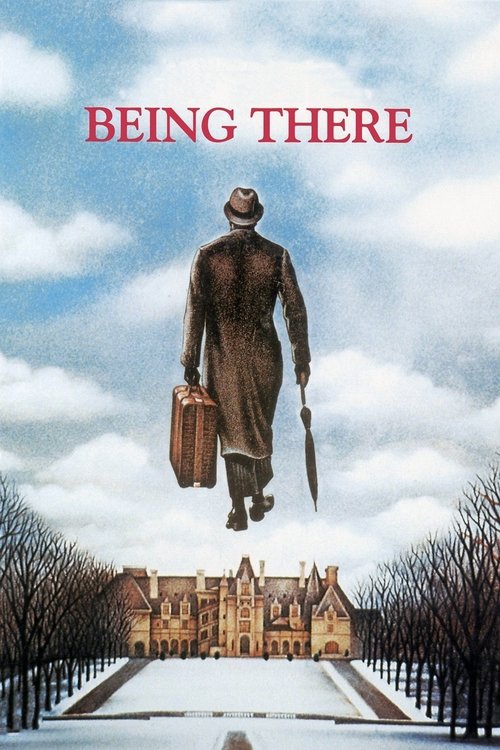
Hal Ashby’s *Being There* is a beautifully understated satire that remains alarmingly relevant. Peter Sellers delivers a career-defining performance as Chance, a simple gardener whose banal observations are mistaken for profound wisdom by Washington's elite. It's a biting commentary on how perception and media can elevate banality to genius. The film quietly exposes the hollowness at the heart of power, suggesting that often, influential figures are just reflections of what others project upon them. A truly profound, insightful comedy.
3. Seconds
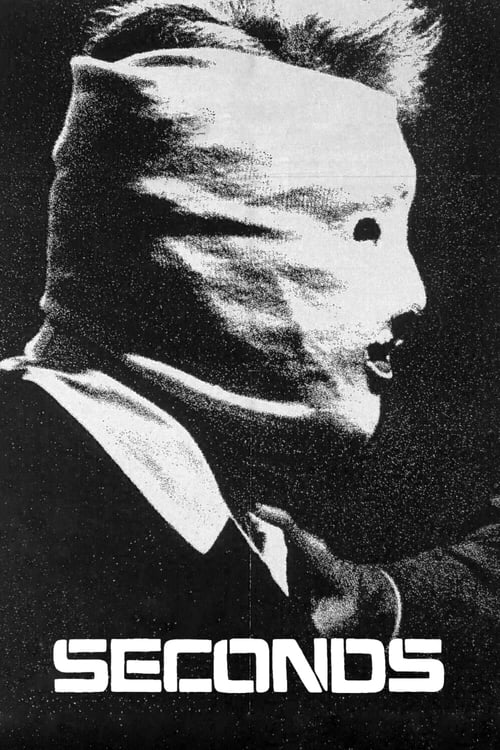
John Frankenheimer’s *Seconds* is a chilling sci-fi thriller wrapped in existential dread, starring Rock Hudson in a career-redefining role. It explores a man’s opportunity to shed his old life and assume a new identity, only to discover the terrifying implications. James Wong Howe's audacious cinematography, particularly its disorienting wide-angle lenses, perfectly conveys the protagonist's growing paranoia and alienation. It’s a profound, disturbing meditation on identity, conformity, and the inescapable self.

4. Wake in Fright
Ted Kotcheff's *Wake in Fright* is a brutal, sun-baked descent into the heart of Australian darkness. A schoolteacher, stranded in a desolate outback town, finds himself ensnared in a nightmarish spiral of alcoholism, toxic masculinity, and primal violence. This film is less about external monsters and more about the savagery lurking beneath civilization’s veneer, exacerbated by isolation. Its unflinching portrayal of male excess and the oppressive landscape creates an unforgettable, visceral psychological horror experience.
5. Electra Glide in Blue
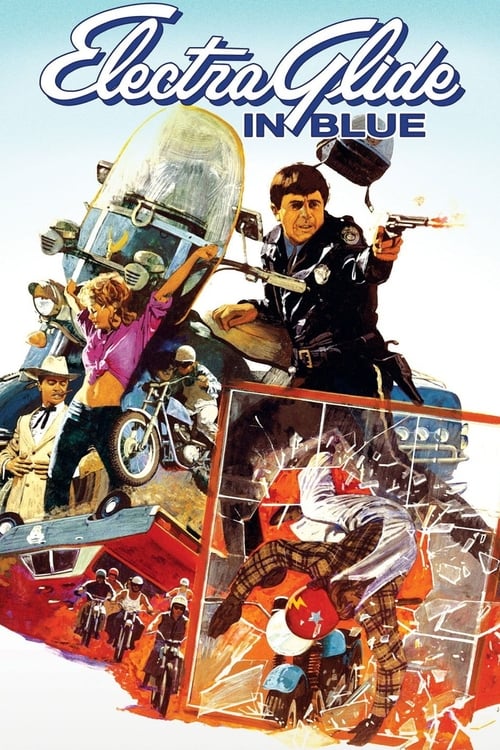
James William Guercio’s *Electra Glide in Blue* is a fascinating, melancholic neo-western, starring Robert Blake as a disillusioned Arizona motorcycle cop. It’s a character study exploring loneliness, identity, and the fading American dream amidst stunning desert landscapes. Directed by a music producer, the film boasts an incredible soundtrack and visually striking cinematography. It critiques authority and the myth of the lone hero, offering a poignant, often bitter, reflection on those caught between the law and the counter-culture.

6. Possession
Andrzej Żuławski’s *Possession* is a relentless, operatic explosion of psychological horror and marital disintegration, starring astonishing performances from Isabelle Adjani and Sam Neill. Set in Cold War Berlin, it’s a feverish, surreal journey into the depths of a collapsing relationship, manifesting in grotesque, ambiguous ways. Adjani's raw, almost animalistic performance is legendary, anchoring a film that defies easy categorization. An intensely personal, often disturbing, and profoundly unsettling art-house horror masterpiece.
7. Near Dark
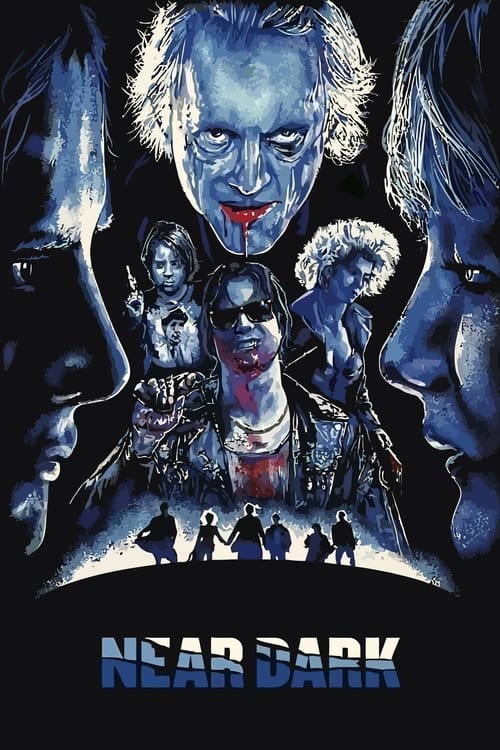
Before *Point Break* or *The Hurt Locker*, Kathryn Bigelow unleashed *Near Dark*, a ferocious, stylish, and remarkably original vampire western. Eschewing traditional gothic tropes, Bigelow grounds her bloodsuckers in gritty, American outlaw culture, making them nomadic, nihilistic killers. It’s a violent, romantic, and ultimately melancholic tale of a young man drawn into their world, featuring incredible performances. A definitive cult classic, it proved Bigelow's directorial prowess early on and redefined a genre with raw energy.
8. Miracle Mile
Steve De Jarnatt’s *Miracle Mile* is an astonishingly tense, real-time thriller that captures the sudden, terrifying descent into nuclear apocalypse. After a chance phone call, a man learns global annihilation is hours away, and his frantic search for his newfound love becomes a desperate race against an unthinkable clock. The film masterfully builds unbearable tension and paranoia, reflecting cold war anxieties with visceral impact. It’s a unique, heartbreaking, and adrenaline-fueled ride that delivers a devastating punch.
9. The Ninth Configuration
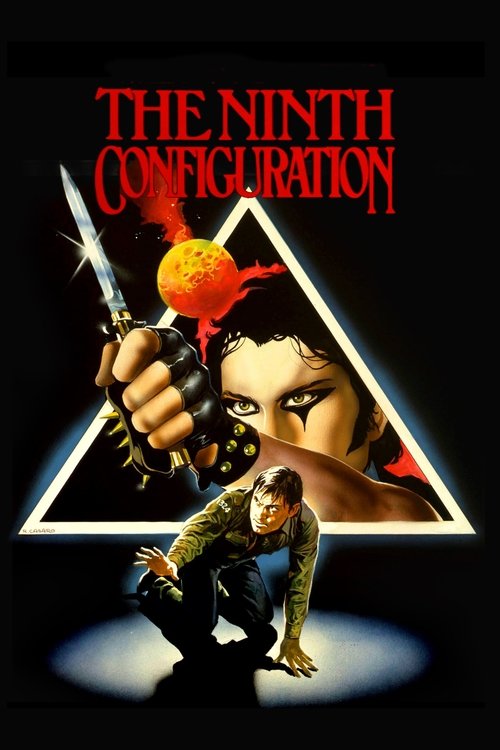
William Peter Blatty’s *The Ninth Configuration* is a truly singular film, a bizarre, philosophical dark comedy set in a castle-turned-asylum for disturbed military officers. Blatty, author of *The Exorcist*, crafts an intellectual and darkly humorous exploration of faith, madness, and the nature of good and evil. Stacy Keach delivers a phenomenal performance as the psychiatrist attempting to understand his patients' elaborate delusions. It's an often-overlooked gem that defies genre, offering profound questions wrapped in unforgettable eccentricity.