

1 / 9

1. Zelig
Woody Allen’s pseudo-documentary is a masterful exploration of identity and assimilation, tracing the chameleon-like Leonard Zelig through the 1920s and 30s. Allen’s innovative use of archival footage and period-accurate cinematography blurs the line between reality and fiction, questioning the very nature of celebrity and belonging. It’s a profound, often humorous, meditation on the human need to fit in, and the existential cost of losing oneself in the process. The film's formal daring is as compelling as its thematic depth.
2 / 9

2. My Dinner with Andre
Louis Malle’s film is a deceptively simple, yet profoundly engaging, two-person conversation. Over dinner, Wallace Shawn and André Gregory, playing fictionalized versions of themselves, delve into philosophy, art, life, and the spiritual malaise of modern existence. It’s a pure exercise in dialogue-driven cinema, where the richness of ideas and the nuanced performances create a captivating intellectual drama. This film demands patience but rewards it with a stimulating, introspective experience that lingers long after the credits.
3 / 9
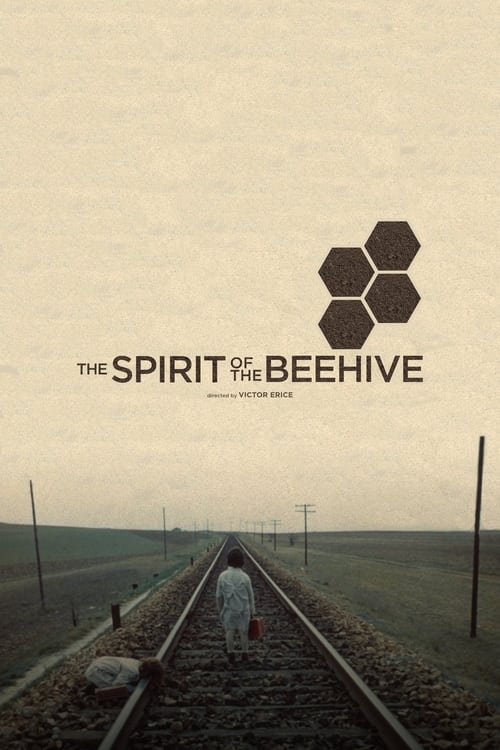
3. The Spirit of the Beehive
Víctor Erice’s Spanish masterpiece is a haunting, poetic examination of childhood innocence confronting the lingering shadows of the Spanish Civil War. Through the eyes of young Ana, fascinated by Frankenstein, the film weaves a dreamlike tapestry of rural life, memory, and the search for meaning in a fractured world. Its exquisite cinematography and deliberate pacing evoke a profound sense of melancholia and wonder, positioning it as a singular achievement in atmospheric filmmaking and a powerful allegory for a nation's unresolved trauma.
4 / 9
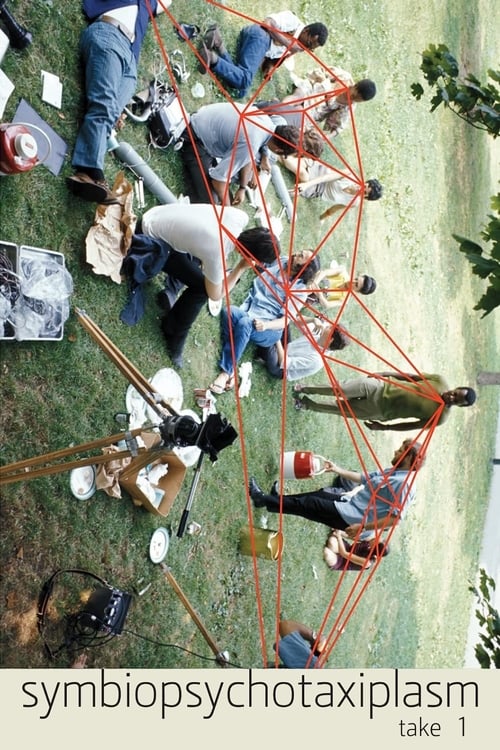
4. Symbiopsychotaxiplasm: Take One
William Greaves’s radical experiment in meta-filmmaking is a bewildering and brilliant deconstruction of the cinematic process itself. Multiple cameras record actors performing a scene, while other cameras record the crew, and yet others record the footage being watched. It's a dizzying, self-reflexive piece that challenges notions of authorship, performance, and documentary truth. This film isn't merely observed; it actively implicates the viewer in its labyrinthine exploration of perception and cinematic creation, proving profoundly ahead of its time.
5 / 9

5. Dogtooth
Yorgos Lanthimos's early work is a chilling, meticulously constructed fable about control, language, and the corruption of innocence within an isolated family unit. The parents raise their adult children in total seclusion, fabricating reality through distorted definitions and bizarre rituals. Its stark, unsettling aesthetic and blackly humorous tone create a deeply disturbing yet thought-provoking experience. Lanthimos’s distinct auteurial voice emerges here, dissecting societal norms and the insidious nature of manufactured ignorance with surgical precision.
6 / 9
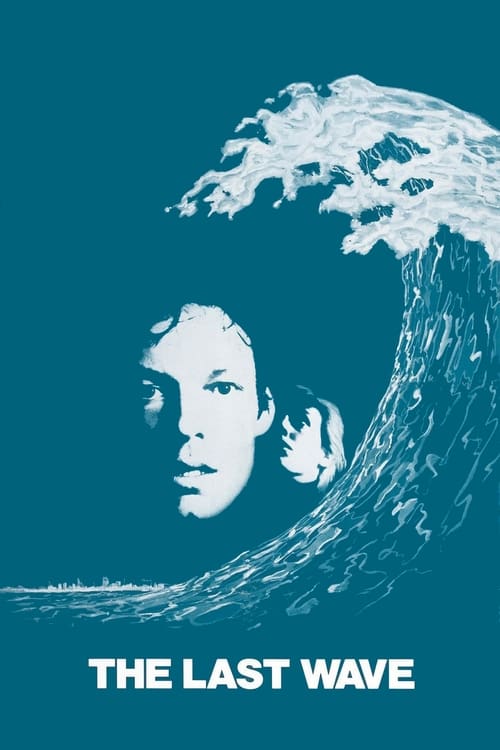
6. The Last Wave
Peter Weir's atmospheric thriller plunges a Sydney lawyer into a chilling mystery involving Aboriginal dreamtime prophecies and an impending environmental catastrophe. It masterfully blends psychological drama with an undercurrent of supernatural dread, questioning the boundaries of Western rationality against ancient spiritual knowledge. Weir crafts a palpable sense of unease, building towards a profoundly ambiguous and unsettling climax. The film stands as a potent reflection on colonialism, cultural clash, and humanity's fragile relationship with the natural world.
7 / 9

7. Scarecrow
Jerry Schatzberg’s raw, poignant road movie follows two drifters, Max (Gene Hackman) and Lion (Al Pacino), as they navigate the American landscape seeking a fresh start. It’s a character study of profound depth, observing their unlikely friendship, their failures, and their fleeting moments of hope with unvarnished realism. The film embodies the melancholic spirit of 1970s American cinema, exploring themes of masculinity, freedom, and the elusive nature of the American Dream through two unforgettable performances.
8 / 9
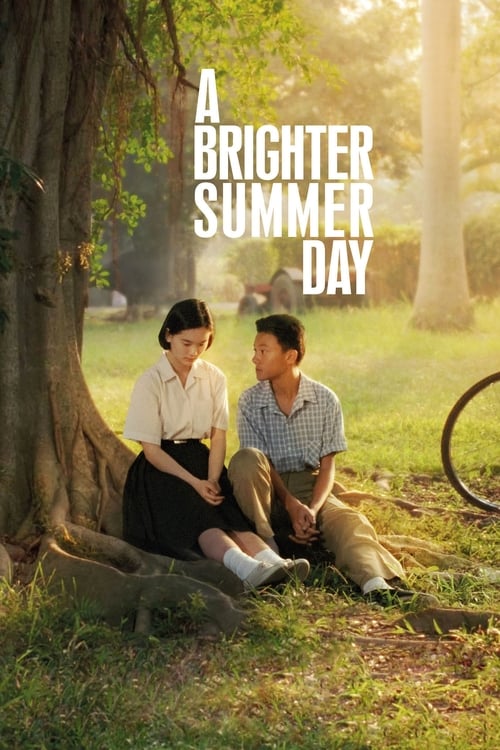
8. A Brighter Summer Day
Edward Yang’s epic, nearly four-hour Taiwanese masterpiece is a sprawling, intimate portrayal of youth, disillusionment, and violence in 1960s Taipei. Centered on a teenage boy caught amidst gang rivalries and societal upheaval, it’s a profound reflection on a nation grappling with its identity after the Chinese Civil War. Yang meticulously crafts a complex social tapestry, where personal tragedies echo larger historical traumas. It’s a patient, immersive experience, demanding attention but offering unparalleled insight into a pivotal era.
9 / 9
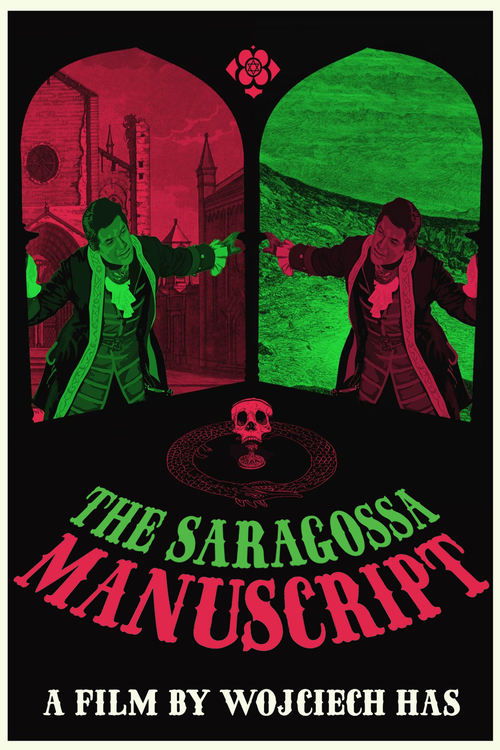
9. The Saragossa Manuscript
Wojciech Has’s surreal Polish epic is a dazzling, non-linear journey through nested tales of mystery, romance, and the supernatural. Set in 18th-century Spain, a Walloon officer encounters a series of enigmatic characters and fantastical events, each story unfolding within another, creating a labyrinthine narrative. Its baroque visual style and intellectual playfulness make it a singular achievement in cinematic structure and atmosphere. The film is a hypnotizing, almost dreamlike experience, challenging conventional storytelling at every turn.