
1 / 9
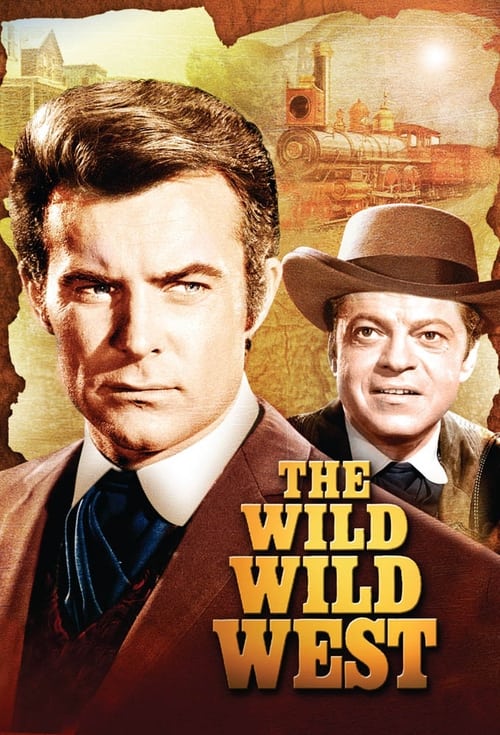
1. The Wild Wild West
A show that tossed a lot into the pot and stirred it with a flourish. Western, spy thriller, science fiction – it was all there, usually with a mechanical spider or some such contraption. Robert Conrad and Ross Martin, a terrific team, always finding themselves in fantastical predicaments. It had a visual punch, even on our small screens, and a sense of fun that felt genuinely new. A real marvel.
2 / 9
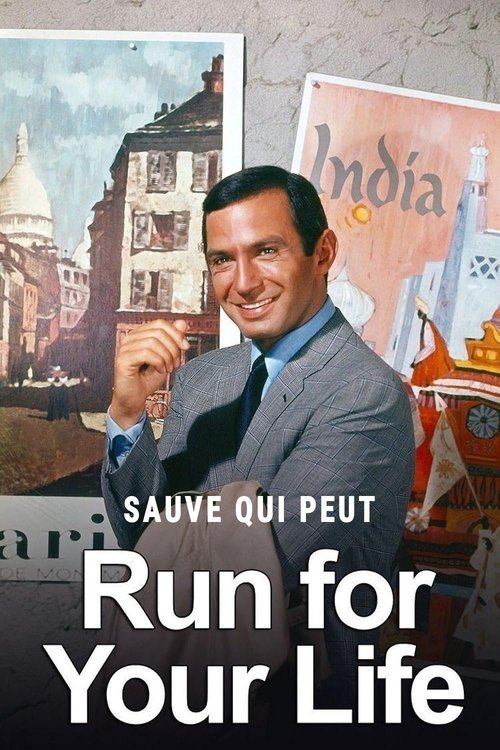
2. Run for Your Life
David Janssen, a doctor given a short time to live, travels the world. Each week, a new town, new faces, new problems. While the immediate stories wrapped up, the underlying thread—his search for meaning, his own mortality—was always present. It wasn't fully serialized, but that constant journey gave it a continuity many shows lacked. Janssen carried it with a quiet intensity. A somber, compelling watch.
3 / 9
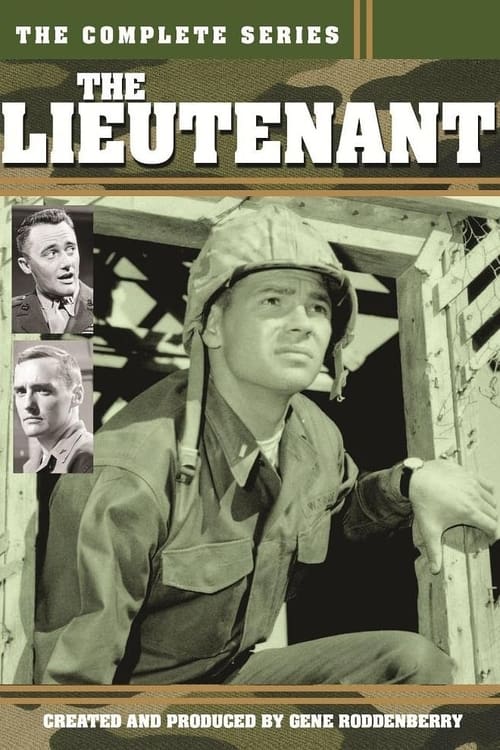
3. The Lieutenant
Before Star Trek, Gene Roddenberry gave us this earnest look at military life. Gary Lockwood, Robert Vaughn, a young Nichelle Nichols – a good cast tackling serious issues in the Marines. It was black-and-white, often stark, and grounded in character conflict rather than spectacle. A solid dramatic effort, showcasing early network ambition to tell thoughtful stories without always needing a villain or a mystery to solve. Just human struggle.
4 / 9
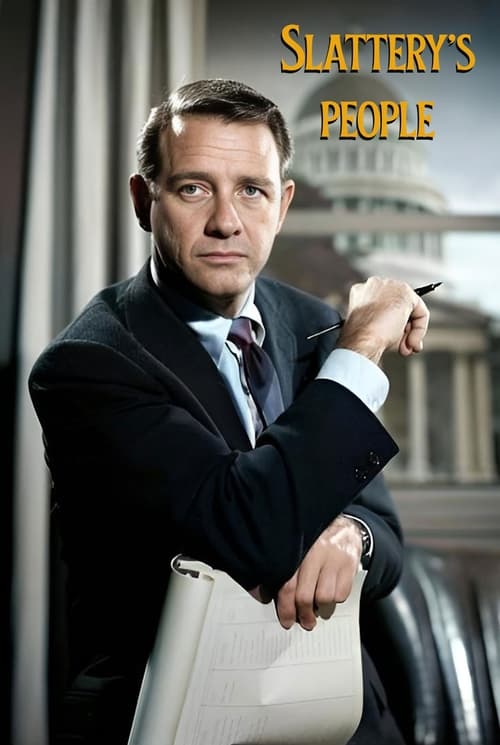
4. Slattery's People
Richard Crenna as James Slattery, a state legislator, navigating the messy world of politics. This was no simple good-versus-evil; it was about compromise, ideals, and the daily grind of making things work. The writing was sharp, mature, and didn't shy away from ambiguity. Maybe it was too sophisticated for its time, running only two seasons, but it offered a glimpse of complex adult storytelling. A thinking person's show.
5 / 9
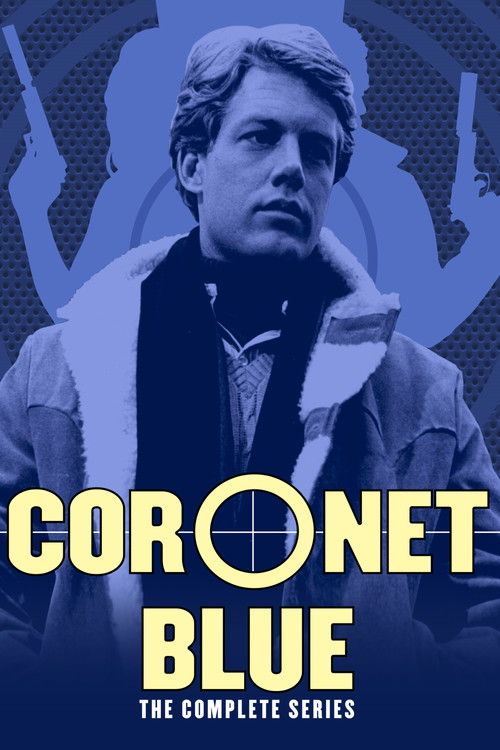
5. Coronet Blue
A man wakes up with amnesia, his only clue the words 'Coronet Blue.' He spends the series trying to uncover his identity. This was an early, ambitious attempt at a fully serialized mystery, a true long-form puzzle. The network cancelled it before the final episodes aired, leaving viewers forever hanging. A shame, because it promised a kind of continuity that was genuinely rare back then. Still, a fascinating experiment.
6 / 9
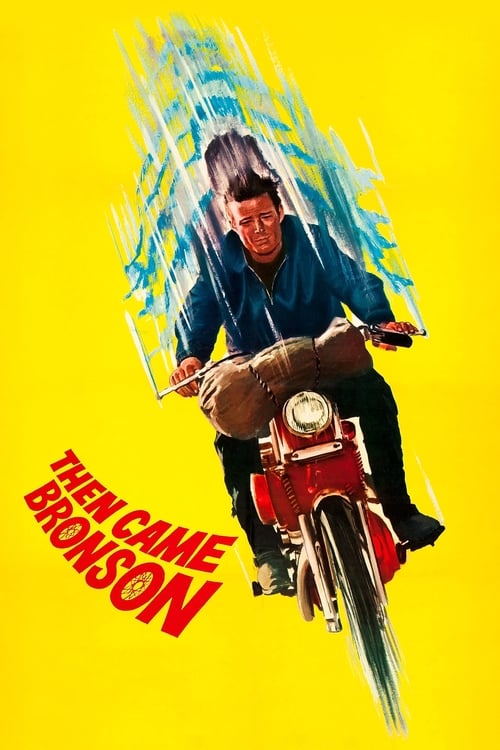
6. Then Came Bronson
Michael Parks as Jim Bronson, a journalist who trades his desk for a Harley-Davidson and the open road. Similar to Janssen's journey, but with a definite late-60s wanderlust. Each week, new people, new places, Bronson offering a quiet wisdom or confronting some local injustice. It was about the journey, finding yourself, and the simple act of moving forward. Had a real contemplative, sometimes melancholic, feel to it. A road trip for the soul.
7 / 9
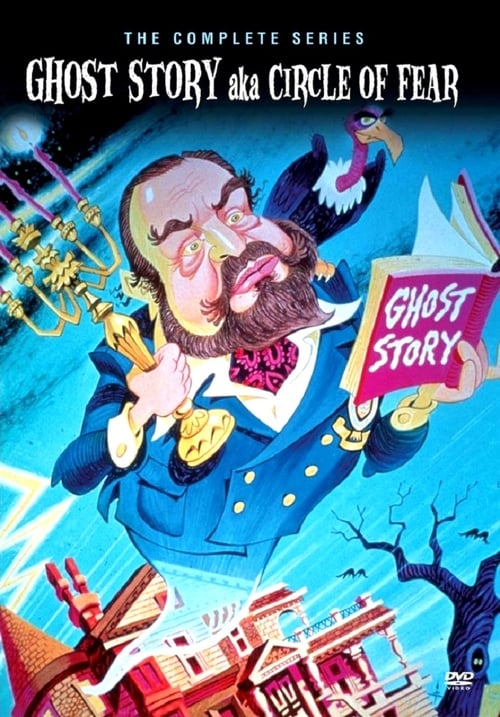
7. Ghost Story
Sebastian Cabot, from his grand mansion, introducing tales of the supernatural and macabre. This was an anthology, but Cabot's presence gave it a consistent, eerie tone, like a kindly but spooky uncle. The stories themselves varied, but often leaned into psychological dread and classic ghostly encounters. It was a proper attempt at a prime-time horror slot, setting a mood that stuck with you long after the credits rolled. Good, unsettling stuff.
8 / 9
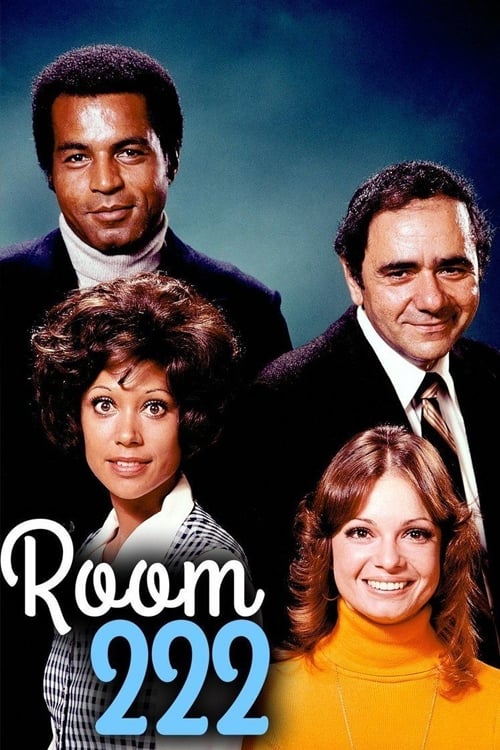
8. Room 222
Set in Walt Whitman High, this show bravely tackled the social issues of its time – racism, drug use, student protests – through the eyes of its diverse cast of teachers and students. Lloyd Haynes as Mr. Dixon was the moral center, guiding his class with wisdom. It wasn't preachy, but genuinely explored complex topics in a mainstream format. A warm, insightful look at adolescence and education, truly ahead of the curve.
9 / 9
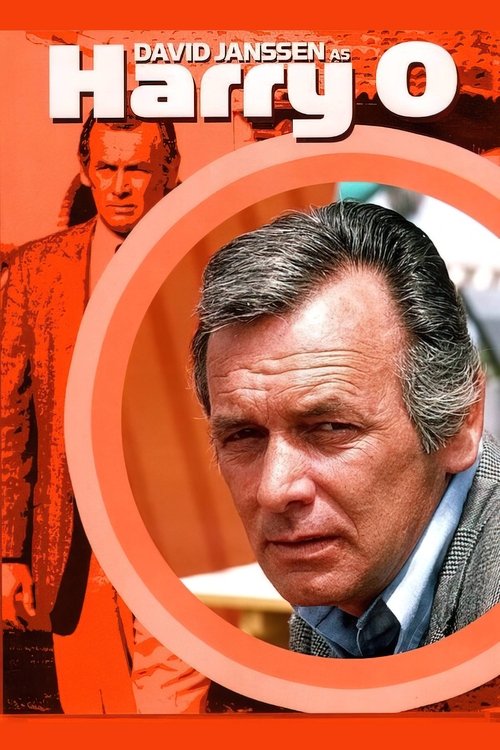
9. Harry O
David Janssen, back on the beat, this time as Harry Orwell, a retired cop turned private investigator. He lived on a beachfront apartment, trying to keep his car running and solve cases with a quiet, almost weary determination. It was less about flash and more about the grind, the human element of detective work. Janssen brought a real depth to the character, making Harry feel like a genuine, flawed individual. A very human procedural.