
1 / 9

1. Wild Palms
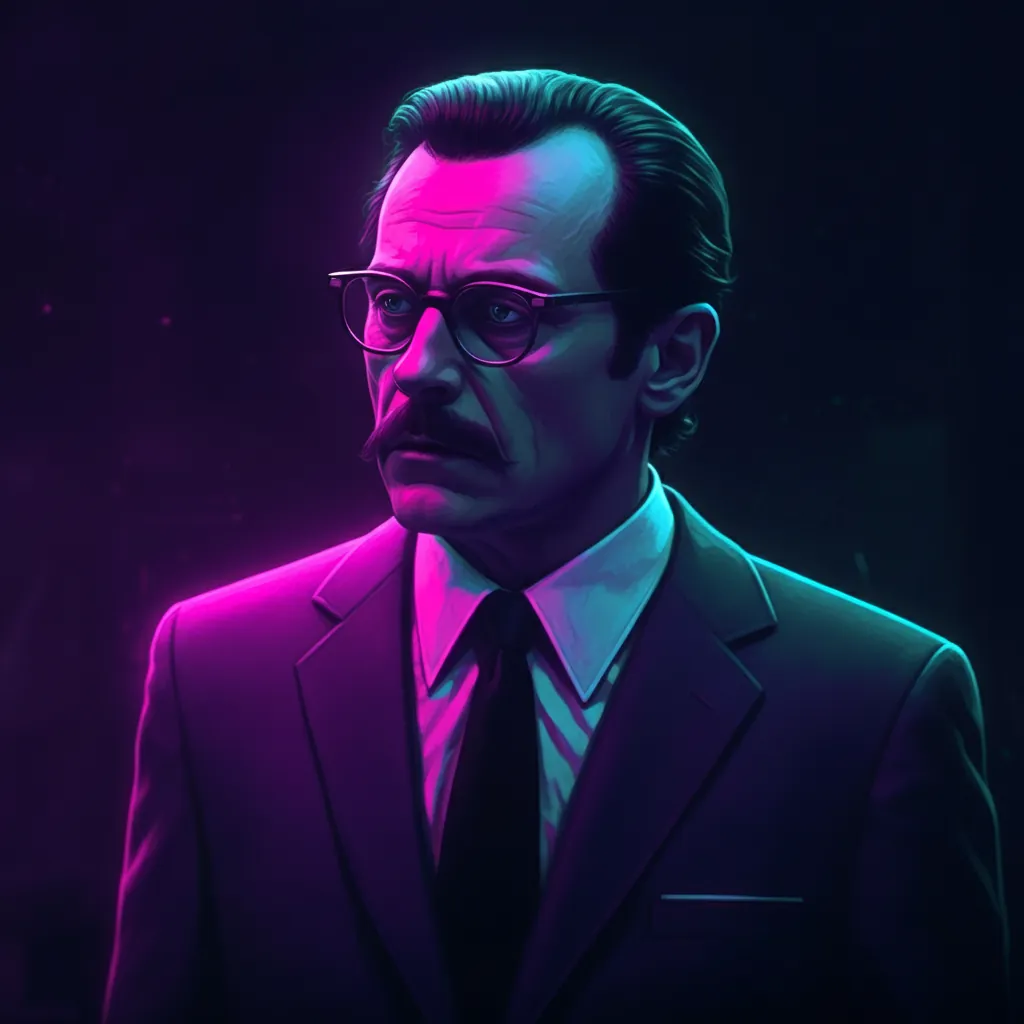
Man, 1993's *Wild Palms* wasn't just a miniseries; it was a fever dream broadcast right into your living room. Oliver Stone's name attached meant you knew it'd be wild. This thing mixed early virtual reality, corporate conspiracies, and pure Lynchian dread with all the analog grit you could hope for. Its vision of a near-future media dystopia, powered by practical effects trying to be digital, felt disturbingly real. It was proto-cyberpunk before the term hit the mainstream, a true broadcast anomaly that still messes with my head.
2 / 9
2. Profit
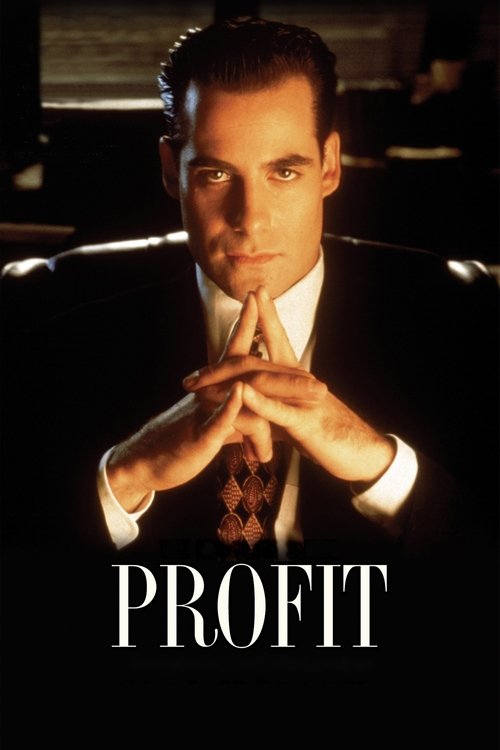
Then there was *Profit* from 1996. This show was too smart, too dark, and way too ahead of its time for network TV. It gave us Jim Profit, a corporate anti-hero who’d make even Gordon Gekko blush, manipulating everyone with chilling precision. The series felt like a brutal, cynical comic book brought to life, all sharp angles and neon-noir shadows. It was a bleak, almost prescient look at corporate ruthlessness, a truly singular, gritty piece of work that got canceled too soon.
3 / 9
3. The Maxx
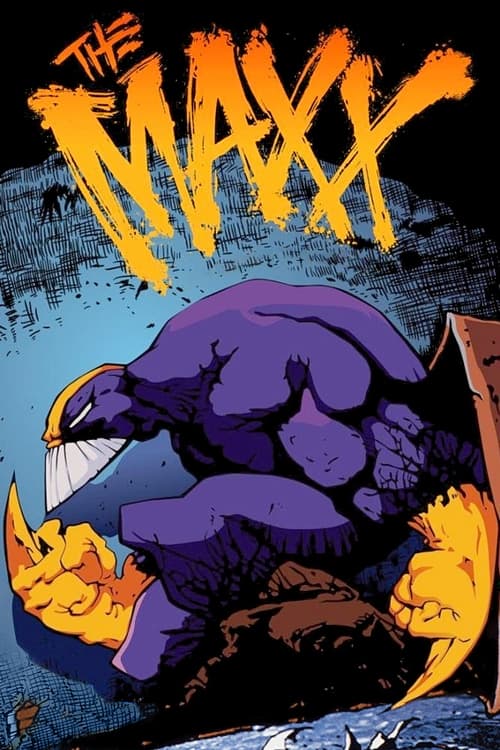
MTV’s *The Maxx* in 1995, part of their *Oddities* block, was just... something else. It looked like an old comic book ripped straight onto the screen, all jagged lines and murky colors. The animation was experimental, stop-motion mixed with traditional, creating this bizarre, dreamlike landscape. It explored heavy themes for a show airing on MTV, diving deep into trauma and surrealism. It was a chaotic, beautiful mess, a pure hit of psychedelic weirdness that stuck with you.
4 / 9
4. Automan
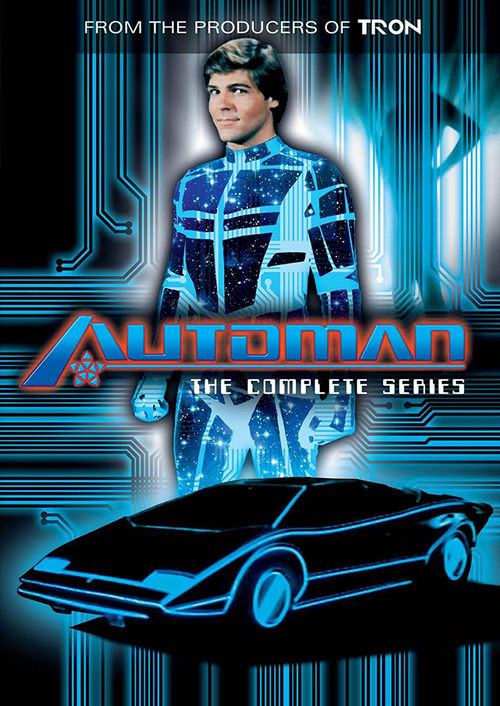
Remember 1983's *Automan*? This was peak early-80s neon sci-fi, where practical effects tried desperately to look like cutting-edge computer graphics. Automan himself, the digital crimefighter, moved like a glitchy video game character, his light-cycle leaving glowing trails. It was goofy, sure, but also kinda revolutionary in its ambition. You could feel them pushing the limits of what broadcast TV special effects could do, even if the results were often charmingly clunky. Pure analog future shock.
5 / 9
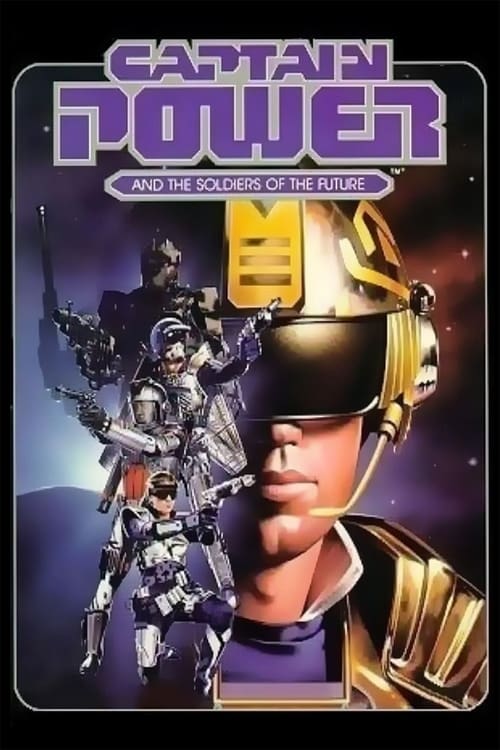
5. Captain Power and the Soldiers of the Future
And 1987 gave us *Captain Power*. A post-apocalyptic sci-fi show where humanity was hunted by sentient machines. This wasn't some fluffy kids' cartoon; it was genuinely dark, with actual death and despair. And the revolutionary part? It had early CGI that let you shoot at the TV with a toy gun! That integration of live-action, early computer graphics, and interactive play was just mind-blowing for its time. A true hybrid, pushing boundaries with its dystopian vision for kids.
6 / 9
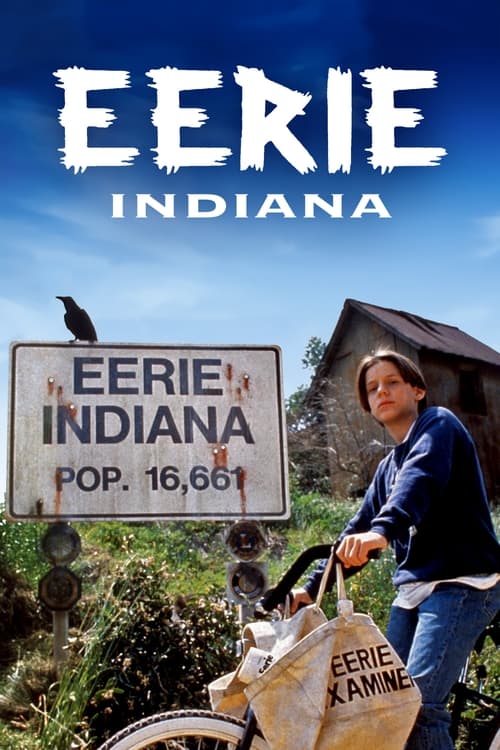
6. Eerie, Indiana
Then there's 1991's *Eerie, Indiana*. It was like *The X-Files* for kids, but set in this ridiculously normal-looking suburban town where every single thing was just... off. Talking Bigfoot, mummified Elvis, a kid who lives in a Tupperware container – the practical oddities were endless. It played with urban legends and conspiracy theories, all filtered through a wonderfully quirky, slightly unsettling lens. It made you look at your own neighborhood differently. Pure, unadulterated surrealism.
7 / 9

7. The Adventures of Pete & Pete
Nickelodeon in 1993 gave us *The Adventures of Pete & Pete*. This wasn't your average cartoon or sitcom; it was a full-on indie film masquerading as kids' TV. Its surreal humor, offbeat characters, and that amazing indie rock soundtrack made it feel like nothing else on air. It captured that weird, melancholic magic of childhood, blending whimsical absurdity with genuine emotion. A truly unique, beautifully crafted piece of experimental television, way ahead of its time.
8 / 9

8. Wiseguy
1987's *Wiseguy* was a game-changer for broadcast drama. It wasn't just another procedural; it was deeply serialized, with Vinnie Terranova going deep undercover into these sprawling, multi-episode arcs. The show explored the psychology of crime and identity with a grittiness network TV rarely dared to touch. It felt like a novel playing out on screen, building complex characters and morally ambiguous situations. This was prestige television before 'prestige' was even a buzzword, a true dramatic powerhouse.
9 / 9
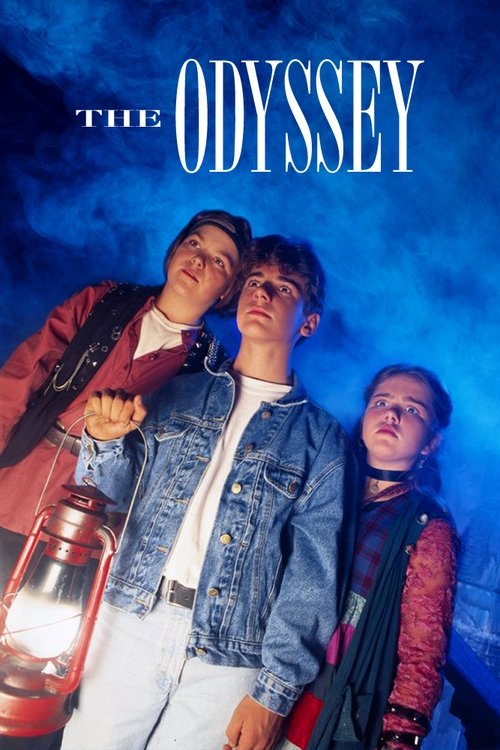
9. The Odyssey
And then there’s *The Odyssey* from 1992, a Canadian import that burrowed into your brain. A kid in a coma, exploring a surreal, inverted dream world where adults were kids and kids were adults. It was genuinely unsettling and incredibly imaginative for a 'kids' show. The practical effects, the dream logic, the existential dread – it was all there. It felt like a lost David Lynch project for CBC, a truly bizarre, atmospheric, and unforgettable journey into the subconscious.