

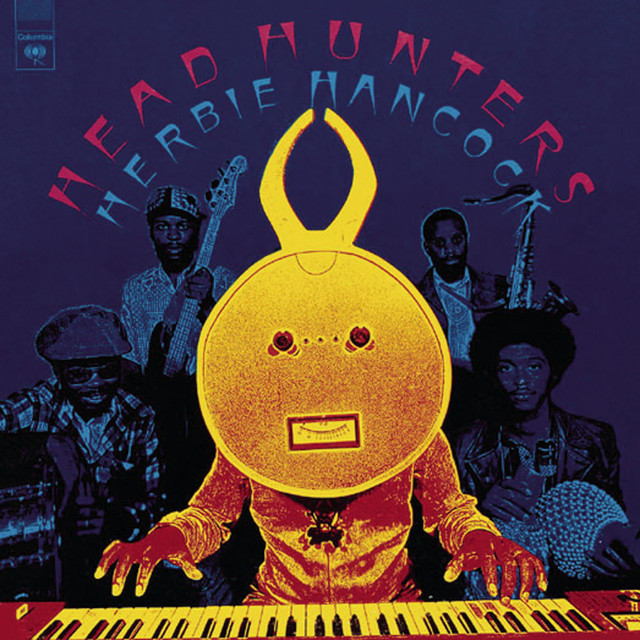
1. Head Hunters
Herbie Hancock's seismic shift into funk-jazz remains an undeniable force. Its grooves are infectious, a masterclass in rhythmic precision and analog warmth. The pioneering use of ARP synthesizers and clavinet, fused with acoustic instrumentation, created a sound so utterly fresh and organic it still feels futuristic. It's a testament to ensemble interplay and studio innovation, proving that genuine soul transcends any temporal boundary. Digital emulation simply cannot capture this level of visceral, pre-MIDI synergy.
2. Discipline
King Crimson’s 'Discipline' was an unexpected, yet utterly logical, evolution for the band. The interlocking, almost mathematical guitar patterns of Fripp and Belew, alongside Bruford’s intricate drumming, created a new form of angular, art-rock precision. It was less about brute force and more about subtle, complex rhythmic weaving, a meticulously crafted sonic tapestry that still sounds incredibly sharp. This was a band pushing boundaries not with bombast, but with surgical intellect and astounding musicianship.

3. ESPEJO
The intricate, almost ritualistic percussion and soaring instrumental passages found here echo the global psychedelic and progressive movements of the 70s. The organic interplay of traditional instrumentation with more rock-oriented elements feels like a lost artifact from a time when music still sought spiritual depth, not just commercial appeal. Its expansive arrangements and unhurried flow speak to an era where sonic exploration was paramount, a truly singular vision that feels refreshingly untainted by modern production tricks.
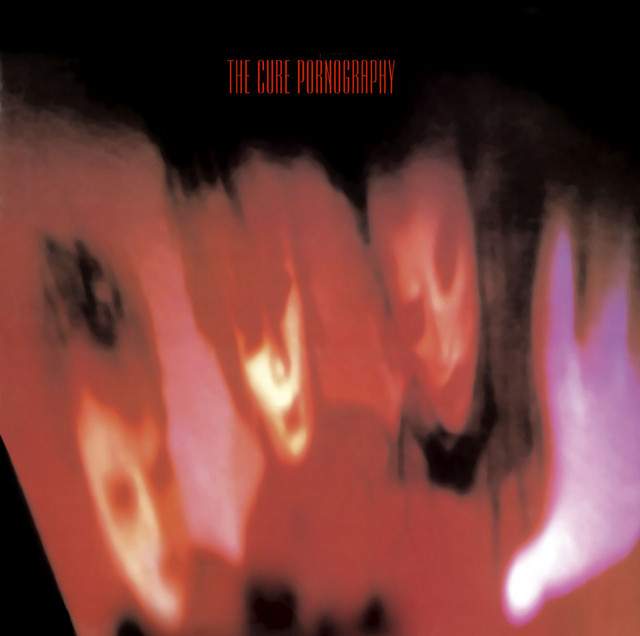
4. Pornography
The Cure plunged into an abyss with 'Pornography,' crafting a work of suffocating atmosphere and raw emotional torment. The cavernous production, drenched in echo and feedback, perfectly frames Robert Smith's tormented vocals and bleak lyricism. It’s a masterclass in sonic despair, built on layers of delay and reverb, a bleak, unyielding sound that defined a nascent darkwave movement, eschewing pop for pure emotional catharsis. This album still feels like an open wound.

5. From the Land of Rape and Honey (The Suppressed Tapes)
This isn't just noise; it’s controlled chaos. The sheer velocity of those drum machines, the lacerating guitar samples, and Al Jourgensen's primal scream forged a new industrial sound that was both mechanized and viscerally human. It’s a brutalist masterpiece of mechanized aggression, a testament to how far raw power could be pushed in a pre-Pro Tools environment. The 'suppressed tapes' hint at an even more unhinged, unpolished edge, solidifying its status as an uncompromising sonic assault.
6. Can You Feel It
That bassline alone is a masterclass in rhythmic propulsion, a foundation of pure, undeniable funk. 'Can You Feel It' encapsulates post-disco's transition into more sophisticated arrangements, with lush strings, intricate horn charts, and the Jacksons' impeccable harmonies. It’s pure, unadulterated groove, engineered for maximal impact on dancefloors worldwide, yet possessing an orchestral grandeur. This track perfectly demonstrates how meticulous arrangement and live instrumentation elevated a pop song into an anthem.
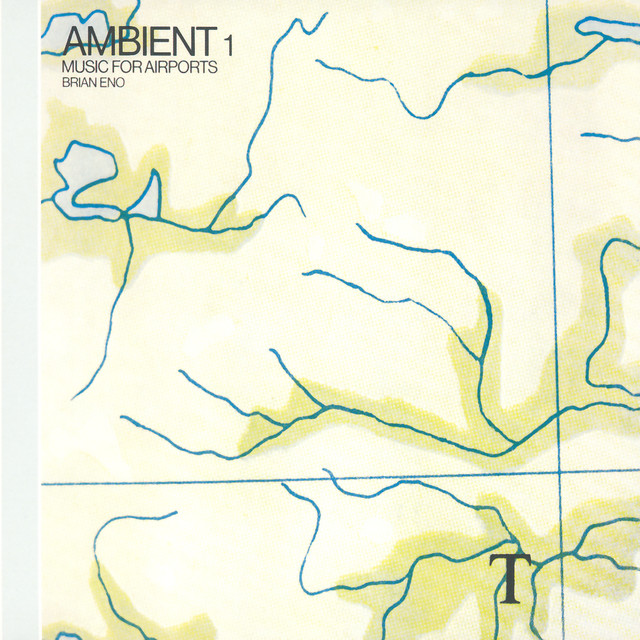
7. Ambient 1: Music For Airports (Remastered 2004)
Eno’s seminal work wasn’t just music; it was architecture for sound. Its sparse, evolving textures redefined space and listening, proving that sound could be an environmental element. This was about creating environments, not just songs, using tape loops and judicious placement of aural events. A revolutionary concept that challenged traditional notions of composition, proving less could be infinitely more. The original analog purity of its concept still resonates, untarnished by subsequent digital interpretations.
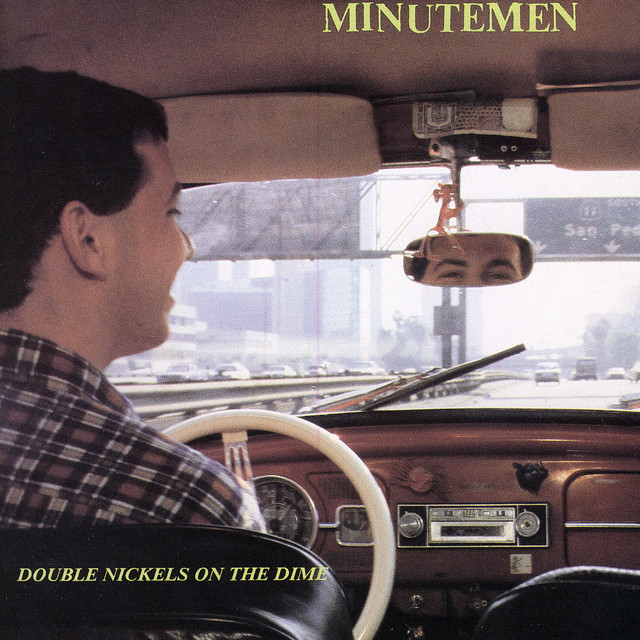
8. Double Nickels on the Dime
This sprawling double album is a furious, intelligent explosion of punk rock's possibilities. D. Boon's angular guitar, Watt's idiosyncratic bass, and Hurley's propulsive drums created a sound that was uniquely Minutemen: funky, complex, and fiercely independent. It challenged every convention of its genre, proving that brevity and raw energy could coexist with profound lyrical depth. This record remains a blueprint for how to forge a distinct identity outside the mainstream's suffocating grip.
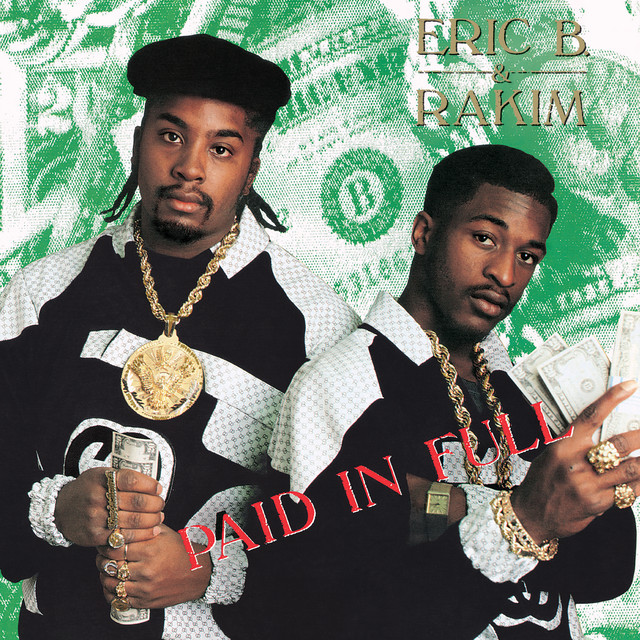
9. Paid In Full
This record redefined what rap could be. Rakim’s flow was unparalleled; his rhymes intricate, his delivery smooth yet authoritative, setting a new standard for lyrical prowess. Eric B.'s sparse, heavy beats, built on meticulously chosen samples from funk and soul, laid the undeniable blueprint for an entire genre. It’s a masterclass in rhythmic precision and verbal dexterity, a document of hip-hop’s golden age that fundamentally shifted the landscape of popular music forever.