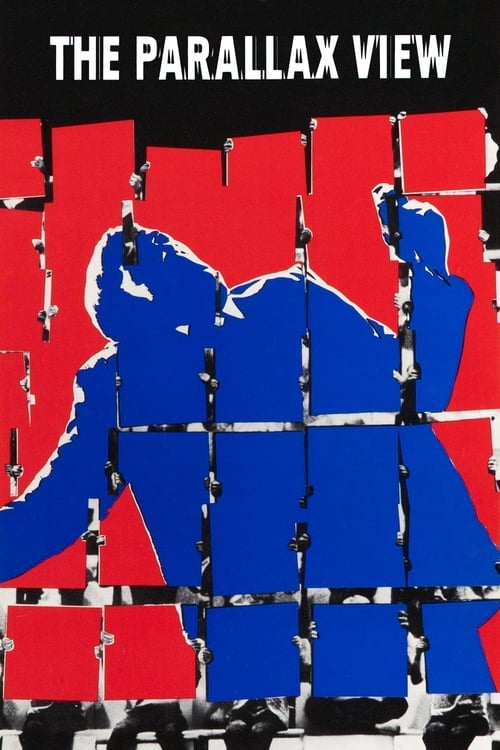
1. The Parallax View
Alan J. Pakula’s masterpiece of paranoid cinema, this film feels startlingly relevant today. Its chilling exploration of a lone reporter’s descent into a labyrinthine conspiracy, where unseen forces manipulate reality, transcends mere thriller conventions. The film's meticulous framing and deliberate pacing, hallmarks of Pakula's distinct auteurial hand, evoke a suffocating sense of systemic dread. It masterfully captures the post-Watergate disillusionment, reflecting a societal erosion of trust that resonates deeply in our fragmented contemporary landscape.
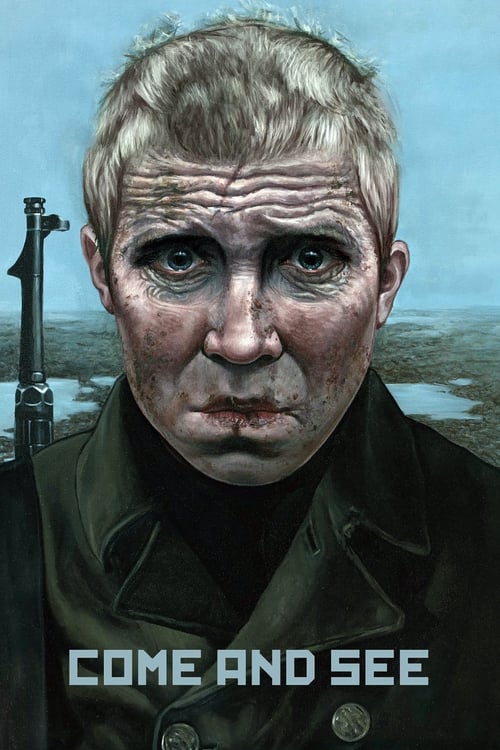
2. Come and See
Elem Klimov's harrowing anti-war epic remains a visceral, unforgettable experience. Viewed through the eyes of a young Belarusian partisan, the film eschews glorification for an unflinching portrayal of war's dehumanizing brutality. Its surreal, dreamlike sequences, interspersed with stark realism, plunge the viewer into a psychological abyss, reflecting the profound trauma inflicted upon individuals and nations. This Soviet masterpiece, a testament to Klimov’s singular vision, demands reappraisal for its enduring power and stark warning.
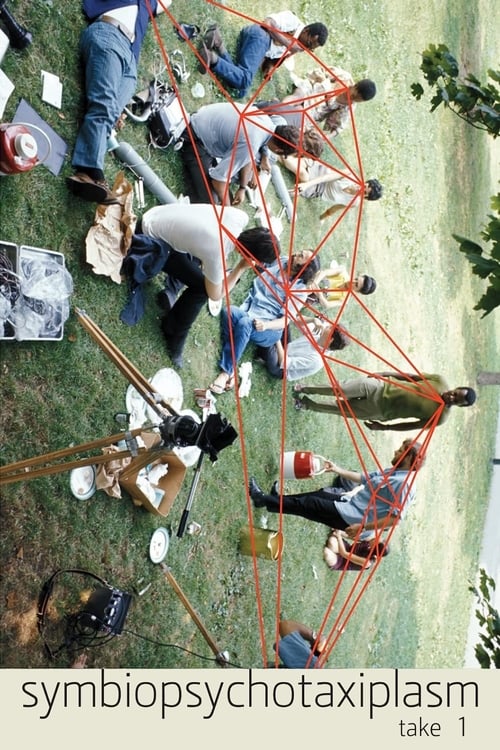
3. Symbiopsychotaxiplasm: Take One
William Greaves’s audacious experimental film boldly deconstructs the filmmaking process itself. It’s a meta-documentary where Greaves intentionally creates conflict among his crews, exploring the nature of performance, reality, and control. This seminal work, often overlooked in mainstream film history, predates many later deconstructive narratives. It functions as a profound reflection on the power dynamics inherent in artistic creation and the subjective lens through which we perceive truth, challenging conventional cinematic boundaries.

4. Mikey and Nicky
Elaine May's searing character study is a raw, unflinching look at male friendship and betrayal, masterfully crafted from a notoriously chaotic production. Its improvisational feel and naturalistic performances lend an almost unbearable authenticity to the unfolding drama between two small-time hoods. May, a formidable auteur, excavates the deep-seated anxieties and toxic loyalties that define their relationship, offering a profound, often uncomfortable, reflection on masculine vulnerability and the desperation that festers beneath bravado.
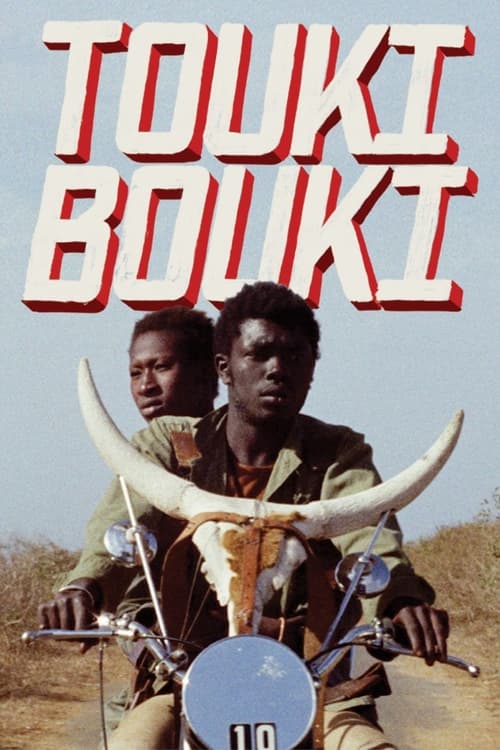
5. Touki Bouki
Djibril Diop Mambéty’s avant-garde Senegalese masterpiece is a vibrant, audacious cinematic poem. Following a young couple dreaming of escape from Dakar to Paris, the film blends French New Wave aesthetics with African folklore and imagery. It’s a powerful, albeit often chaotic, reflection on post-colonial disillusionment, the allure of the West, and the tension between tradition and modernity. Mambéty’s distinctive, visionary style creates an intoxicating, often surreal, commentary on identity and aspiration.

6. Possession
Andrzej Żuławski’s utterly unhinged horror drama is an unparalleled descent into psychological and literal monstrosity. Set against the stark backdrop of Cold War Berlin, it explores the agonizing dissolution of a marriage through surreal, often terrifying, body horror and operatic performances. Isabelle Adjani's iconic portrayal of a woman unraveling is a tour de force. Żuławski, a true auteur, crafts a profoundly disturbing reflection on existential dread and the raw, destructive forces lurking beneath domesticity.
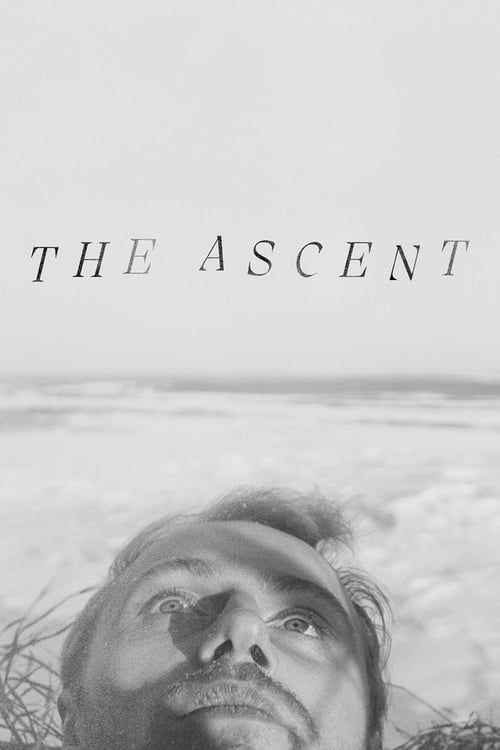
7. The Ascent
Larisa Shepitko’s final film is a devastating, morally complex war drama of profound spiritual resonance. Set during WWII, it follows two Soviet partisans captured by the Germans, forcing them to confront their faith and humanity in extreme duress. Shepitko, a visionary female auteur, imbues the stark, snow-laden landscape with a biblical weight, crafting a powerful allegory for sacrifice and betrayal. Its existential questions and stark beauty elevate it far beyond typical war narratives.

8. Killer of Sheep
Charles Burnett’s seminal work of the L.A. Rebellion captures the poetic realism of working-class Black life in Watts with unparalleled intimacy. Shot on a shoestring budget, its episodic narrative follows Stan, a slaughterhouse worker, through the mundane beauty and quiet despair of his daily existence. Burnett’s neorealist approach, eschewing melodrama for profound observation, offers a vital, authentic reflection on the dignity of labor, familial bonds, and the pervasive societal pressures of the era.