
1. Come and See
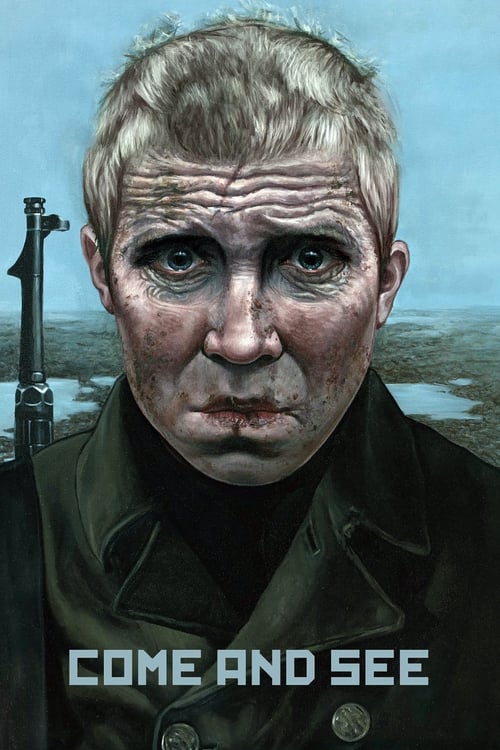
Elem Klimov's "Come and See" isn't merely a war film; it is an unblinking, visceral descent into the psychological abyss of conflict. Through the eyes of young Flyora, we witness the devastating dehumanization inflicted by the Eastern Front, rendered with a hallucinatory realism that bypasses traditional narrative for raw, sensory experience. Its unflinching portrayal of brutality and loss offers a profound, unforgettable testament to the destructive futility of war, leaving an indelible scar on the viewer's consciousness.
2. Seconds
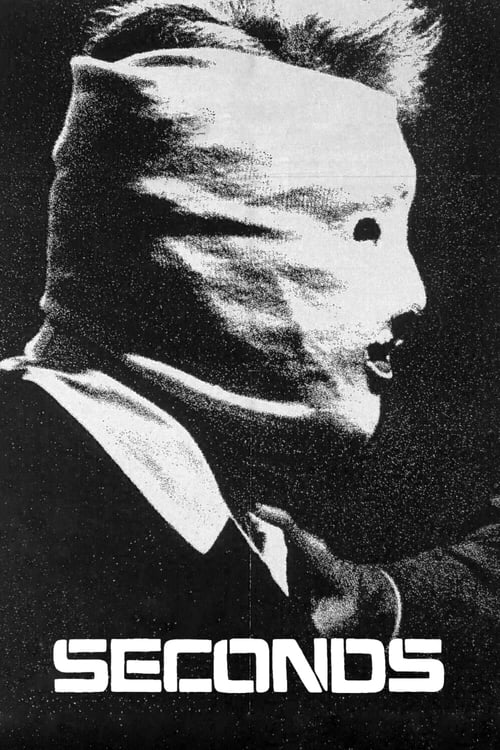
John Frankenheimer's "Seconds" is a chilling, prescient meditation on identity and the elusive pursuit of happiness. Rock Hudson, in a career-defining turn, plays a man who fakes his death to undergo a radical procedure, only to find his new life a hollow, meticulously orchestrated prison. Its stark, unsettling cinematography and themes of corporate control and existential angst resonate powerfully, dissecting the American dream with a surgeon's cold precision and questioning the very essence of selfhood.
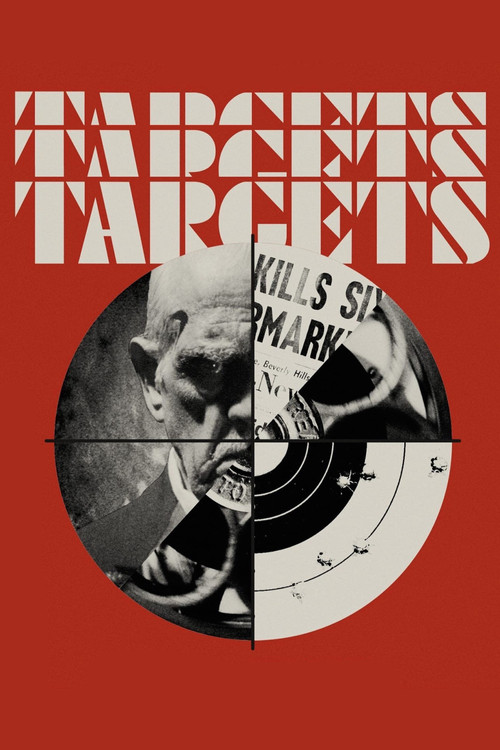
3. Targets
Peter Bogdanovich's directorial debut, "Targets," masterfully weaves two disparate narratives: an aging horror star's disillusionment and a clean-cut sniper's descent into madness. Starring Boris Karloff in his poignant final role, the film explores the shifting landscape of fear in America, where the manufactured scares of cinema are eclipsed by real-world violence. It's a remarkably assured and unsettling commentary on the erosion of innocence and the creeping dread of random acts, anticipating societal anxieties to come.
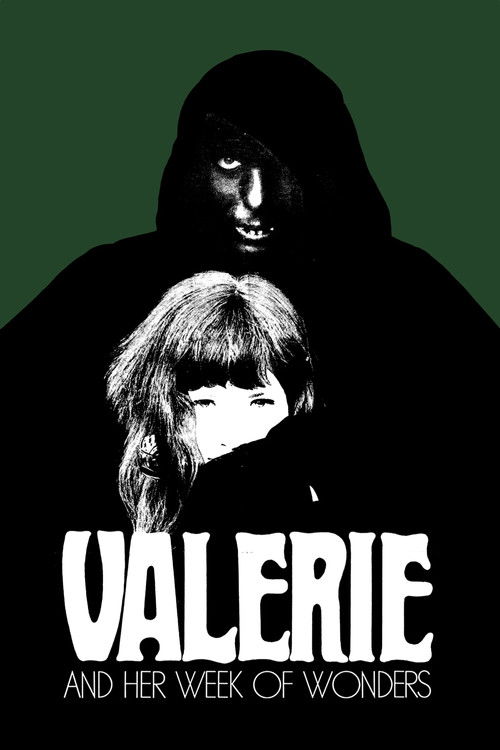
4. Valerie and Her Week of Wonders
Jaromil Jireš’s "Valerie and Her Week of Wonders" is a phantasmagoric journey through a young girl's burgeoning sexuality and repressed fears. A prime example of Czech New Wave surrealism, the film unfolds like a waking dream, populated by vampires, priests, and seductive relatives, all bathed in an intoxicating, almost pagan, atmosphere. Its visual poetry and dream logic eschew conventional narrative for an intensely personal, often disturbing, exploration of innocence lost and the subconscious terrors of adolescence.
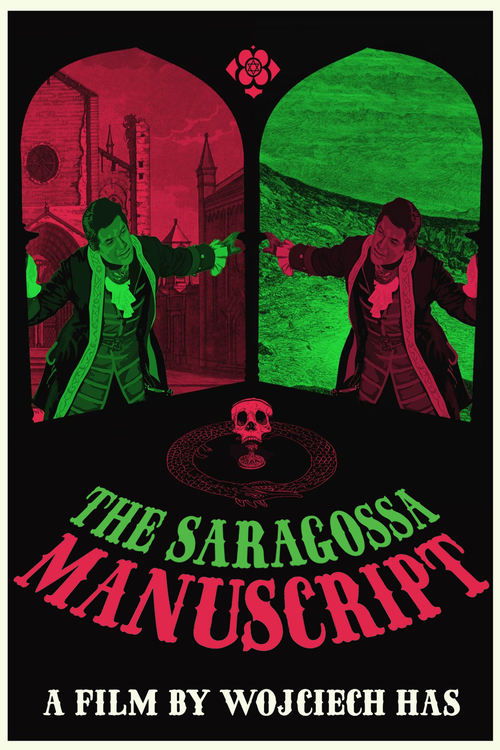
5. The Saragossa Manuscript
Wojciech Has's "The Saragossa Manuscript" is an audacious, labyrinthine epic of nested stories, drawing viewers into a baroque world of philosophical inquiry and gothic intrigue. Following a Napoleonic officer through a series of fantastical encounters, the film shifts seamlessly between tales of love, mysticism, and the supernatural, challenging perceptions of reality and narrative structure. Its opulent visuals and intellectual ambition craft a profoundly immersive, often bewildering, experience that remains unparalleled in its narrative complexity.
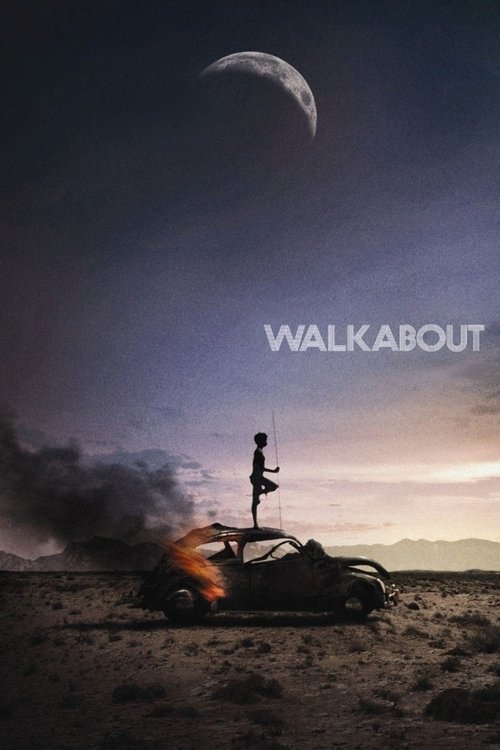
6. Walkabout
Nicolas Roeg's "Walkabout" is a visually stunning, deeply unsettling exploration of civilization versus nature, set against the breathtaking, indifferent expanse of the Australian outback. Two lost British siblings encounter an Aboriginal boy undergoing his ritualistic "walkabout," leading to a profound, tragic clash of cultures and perspectives. Roeg's elliptical editing and poetic imagery evoke a sense of primal wonder and impending doom, questioning the very notion of progress and the true meaning of survival.

7. Street of Shame
Kenji Mizoguchi's swansong, "Street of Shame," offers a poignant, unsentimental look into the lives of women working in a Tokyo brothel on the eve of Japan's anti-prostitution law. Mizoguchi, a master chronicler of female resilience amidst societal oppression, portrays each woman's struggle with dignity and despair. It's a stark, humanist drama, devoid of sensationalism, laying bare the economic realities and moral ambiguities that trap individuals, a powerful testament to his unwavering social commentary.
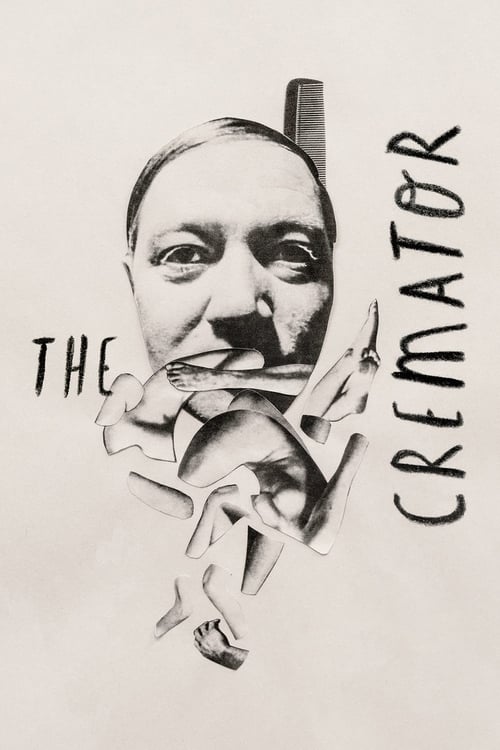
8. The Cremator
Juraj Herz's "The Cremator" is a chillingly unique black comedy, a macabre descent into the mind of a meek crematorium worker whose philosophical musings morph into a terrifying embrace of totalitarian ideology. Set against a subtly unsettling Prague, its expressionistic cinematography and darkly humorous narration create a suffocating atmosphere. This Czech New Wave gem masterfully blends horror with satire, offering a disturbing, unforgettable portrait of how ordinary men can be twisted by insidious doctrines.