

1 / 8
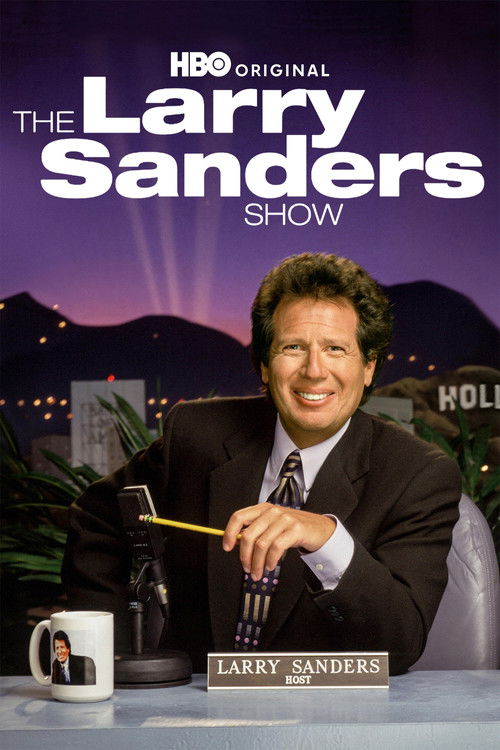
1. The Larry Sanders Show
Before every comedy tried to be a mockumentary, there was Larry Sanders. It peeled back the curtain on late-night TV with a cynical, often uncomfortable honesty that felt radical. The ensemble cast was perfect, showing the real neuroses behind the polished smiles. It wasn't just funny; it was a masterclass in blending cringe comedy with genuinely sharp character work, proving TV could be smart and deeply flawed, all at once.
2 / 8
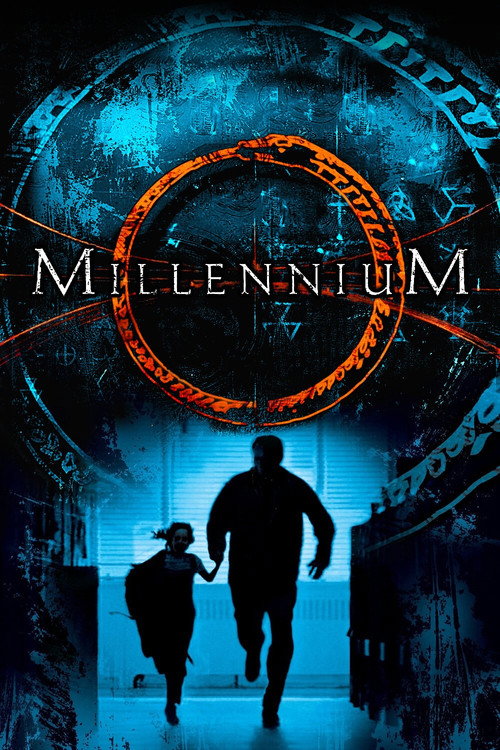
2. Millennium
Chris Carter’s follow-up to *The X-Files* was a different beast entirely. *Millennium* plunged into the darkest corners of the human psyche, chasing evil with a relentless, almost suffocating dread. It was serialized, sure, but each episode felt like a descent into a new hell, driven by Frank Black’s tortured visions. This show was grim, challenging, and way ahead of its time, pushing network boundaries for what a truly moody, psychological thriller could be.
3 / 8
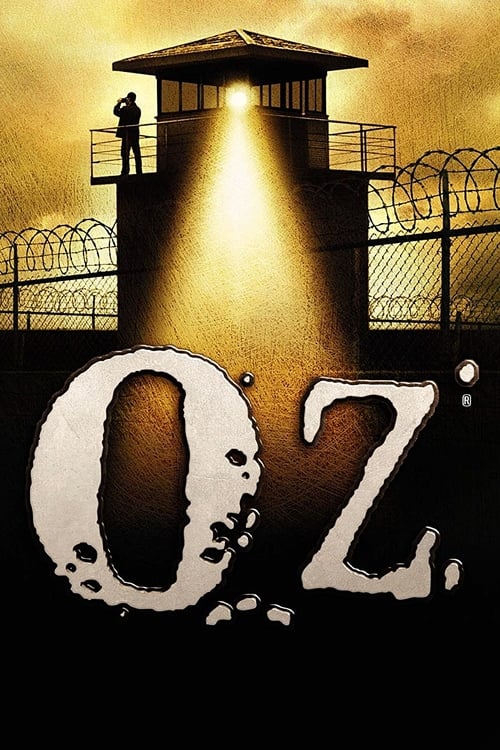
3. Oz
HBO didn't just dip its toe into prestige drama; it dove headfirst with *Oz*. This wasn't some network prison procedural; it was a brutal, unflinching look at life inside an experimental unit. The ensemble cast was massive, each character a walking powder keg, and the serialized storytelling meant actions had real, devastating consequences. It was raw, aggressive, and proved that cable could go places network TV wouldn't dare, establishing a new bar for adult drama.
4 / 8
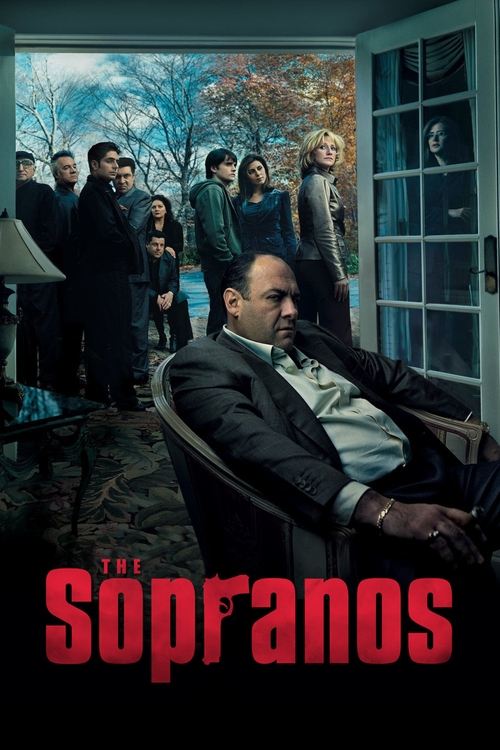
4. The Sopranos
The Sopranos didn't just change TV; it redefined it. Tony Soprano wasn't a hero; he was a complex, conflicted anti-hero you somehow rooted for and hated. This show brought cinematic scope and psychological depth to the small screen, with long-form storytelling that built intricate character arcs over seasons. It proved audiences would commit to morally ambiguous narratives and elevated television to an art form, setting the standard for everything that came after.
5 / 8

5. Six Feet Under
Dealing with death literally every episode, *Six Feet Under* was a masterclass in exploring family, grief, and the absurdity of life. It took the serialized, character-driven drama established by HBO and cranked up the emotional complexity. The Fisher family felt incredibly real, their flaws and triumphs laid bare. It blended dark humor with profound existentialism, proving that TV could tackle the biggest questions with grace, wit, and a healthy dose of morbid curiosity.
6 / 8
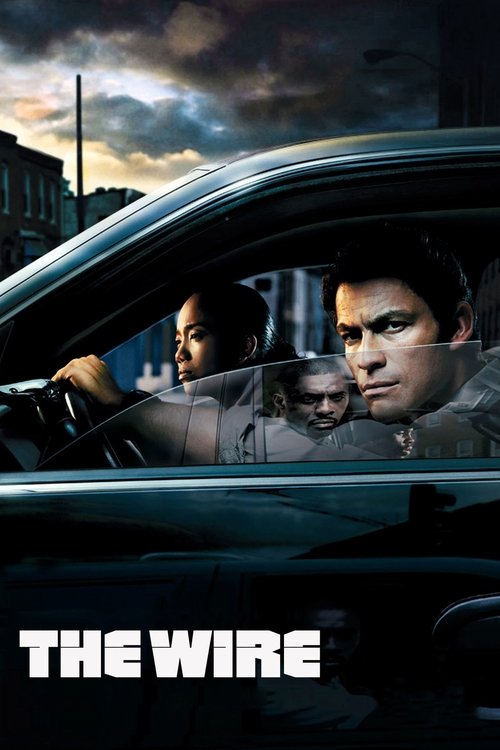
6. The Wire
*The Wire* wasn't just a cop show; it was an ambitious, novelistic examination of an entire city, from the streets to the institutions. Its serialized narrative unfolded with a relentless, almost documentary-like realism, showcasing multiple perspectives on crime, politics, and education. The ensemble was vast, each character meticulously drawn, and it demanded your full attention. It proved that television could be as complex and intellectually rigorous as the best literature, a true systemic masterpiece.
7 / 8
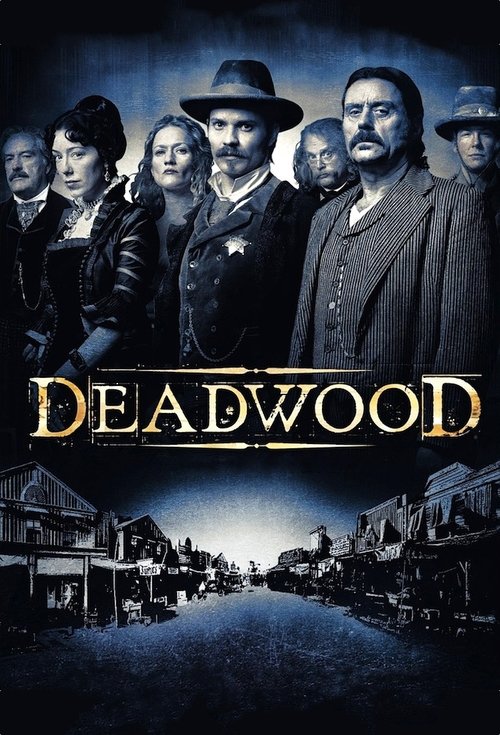
7. Deadwood
Imagine a Western, but grittier, more profane, and with dialogue so rich it felt like Shakespeare had a whiskey problem. *Deadwood* brought a historical period to life with an intensity and authenticity rarely seen. Its serialized structure allowed for deep character exploration within a brutal, lawless town. The language, the performances, the sheer audacity of its vision – it was raw, poetic, and proved that historical dramas didn't have to be stuffy. This was prestige TV with dirt under its fingernails.
8 / 8
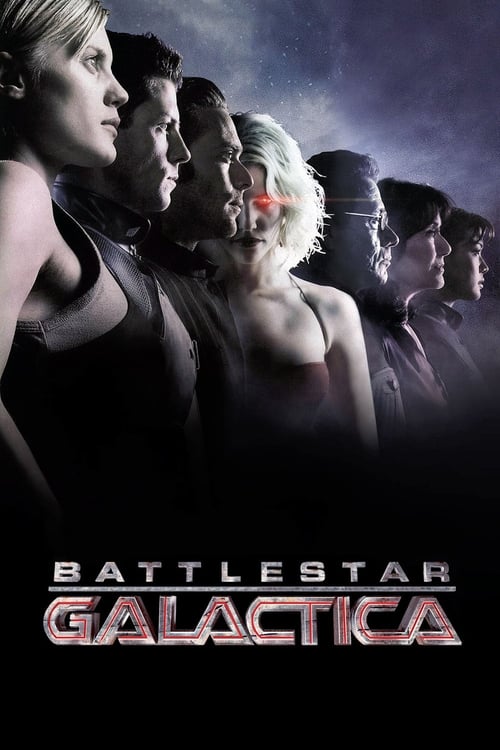
8. Battlestar Galactica
Forget everything you knew about space opera; *Battlestar Galactica* was a revelation. It took a cheesy 70s concept and reinvented it as a dark, morally complex, serialized drama about survival, faith, and what it means to be human. The show tackled heavy themes – terrorism, politics, religion – with a cinematic scope and character depth usually reserved for the most serious dramas. It proved sci-fi could be prestige television, pushing boundaries both intellectually and visually.