
1 / 8

1. Skull Snaps (Digitally Remastered)
This 1973 funk outfit’s self-titled record is a masterclass in raw, undeniable groove. Before digital samplers made breakbeats ubiquitous, Skull Snaps laid down foundational rhythmic patterns, particularly those legendary drums. The digitally remastered version just cleans the window to this pure analog power. It was a sleeper then, never charted, but its impact on early hip-hop's rhythmic backbone is undeniable, a true testament to the pre-programmed, human-driven funk.
2 / 8
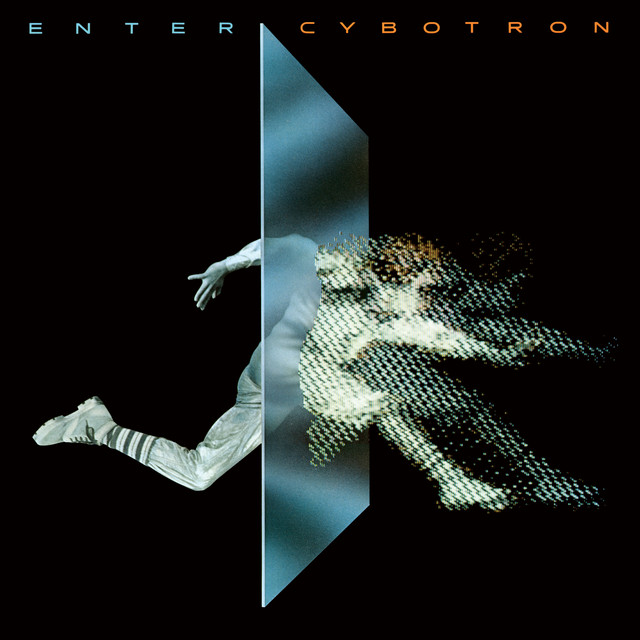
2. Enter (Deluxe Edition)
This one, a genuine enigma, likely an early industrial or darkwave artifact from the mid-80s, offered a bracing, often unsettling sonic landscape. Its original release was relegated to the furthest corners of the underground, yet its sparse, metallic textures and disquieting atmospheres carved out a unique space. The "Deluxe Edition" allows for re-evaluation, revealing proto-techno pulses beneath the starkness, demonstrating how much innovation truly occurred off the grid using rudimentary analog gear.
3 / 8

3. Deceit
This Heat's 1981 masterpiece is a stark, angular statement from the post-punk avant-garde. Its complex, often disorienting rhythmic shifts and fragmented instrumentation defied easy classification, pushing beyond typical rock structures. Recorded with a raw, almost confrontational intimacy in their Cold Storage studio, it’s a brilliant example of how analog tape and unconventional techniques could create such a uniquely unsettling, yet compelling, sonic world. It’s art-rock at its most uncompromising.
4 / 8

4. Decadence
While not a household name, this 1980s coldwave gem, "Decadence," delivered a potent, melancholic synth-driven atmosphere. Its intricate, shimmering synth lines and detached vocals built a world of urban ennui and nocturnal beauty. Eschewing the brighter pop leanings of some contemporaries, it burrowed deeper into the darker currents of European electronic music. This record proved that profound emotional resonance could be achieved through carefully sculpted analog synthesis and rhythmic precision.
5 / 8
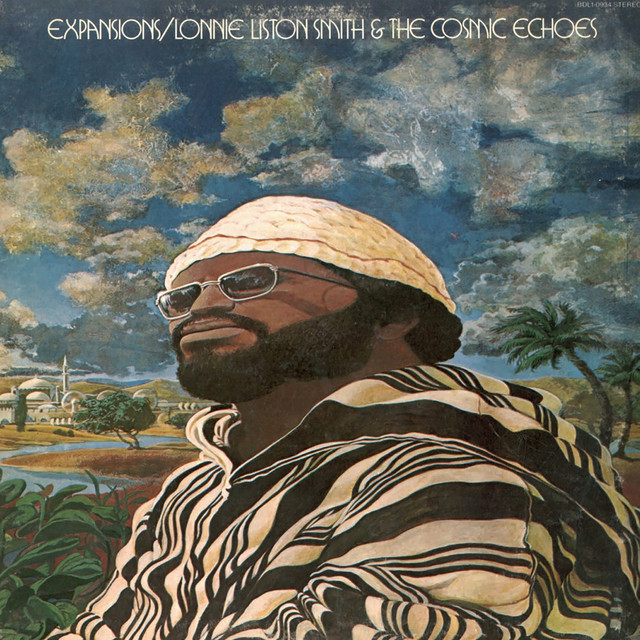
5. Expansions
Lonnie Liston Smith’s 1975 fusion landmark, "Expansions," is a journey into cosmic jazz-funk. Its expansive, almost spiritual grooves, driven by electric piano and soaring saxophone, created an uplifting yet deeply funky experience. The analog warmth of the Rhodes and Moog synths, combined with a tight rhythm section, produced a sound that was both accessible and adventurous. It was a testament to the era's boundless creativity, melding jazz sophistication with undeniable funk propulsion.
6 / 8

6. Dub Housing
Pere Ubu's 1978 sophomore effort, "Dub Housing," remains a quintessential art-punk document. Its jagged, unconventional arrangements and David Thomas's unique, often unsettling vocal delivery forged a sound entirely their own. The album’s production, raw and immediate, captures a band pushing against every established boundary, crafting dissonant yet strangely compelling narratives. It’s a masterclass in using the studio as an instrument, conjuring a uniquely American brand of post-hardcore disquiet.
7 / 8
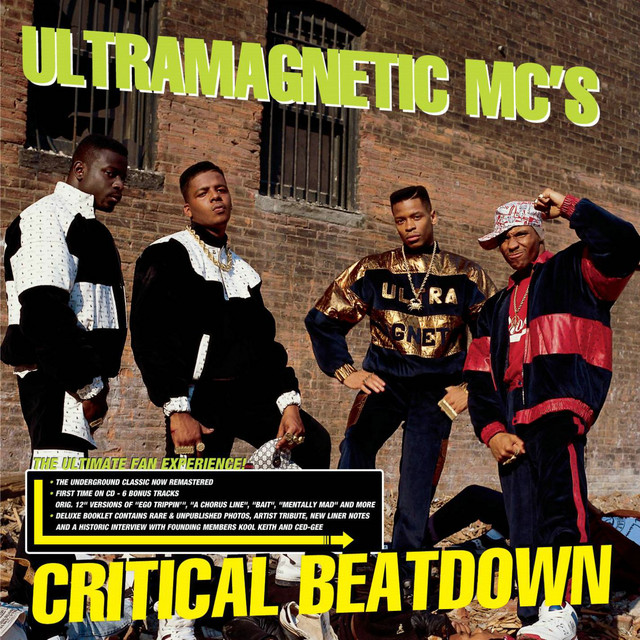
7. Critical Beatdown (Re-Issue)
Ultramagnetic MCs' 1988 debut, "Critical Beatdown," was an absolute game-changer for rap. Kool Keith's intricate, often surreal lyrical gymnastics over Ced Gee’s groundbreaking, sample-heavy production pushed the boundaries of the genre. The original analog production, full of raw breaks and inventive cuts, felt utterly futuristic. This re-issue solidifies its status as a foundational text, showcasing how much rhythmic and poetic innovation was possible before digital dominance.
8 / 8
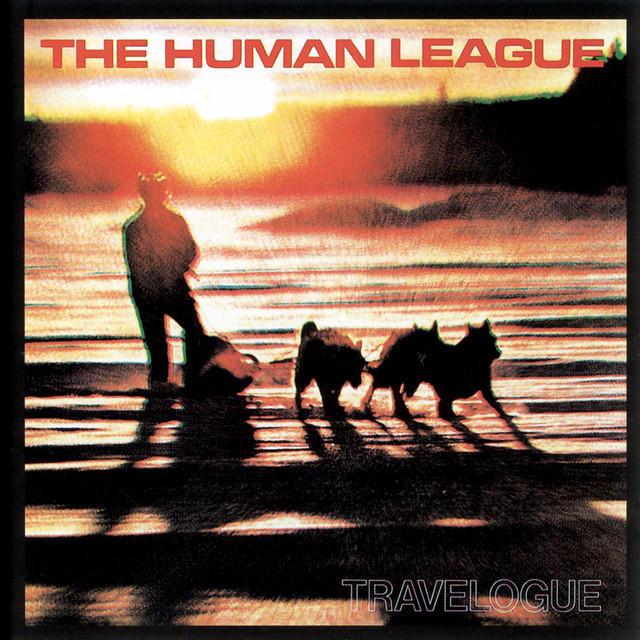
8. Travelogue
The Human League's "Travelogue" from 1980 is a fascinating precursor to their later pop dominance. This early work showcases a starker, more experimental synth-pop sound, built entirely on analog synthesizers and drum machines. The cold, almost clinical precision of the arrangements, coupled with Philip Oakey's detached vocals, created an atmosphere of technological futurism that was both unsettling and captivating. It’s a vital document of electronic music finding its voice before mainstream assimilation.