
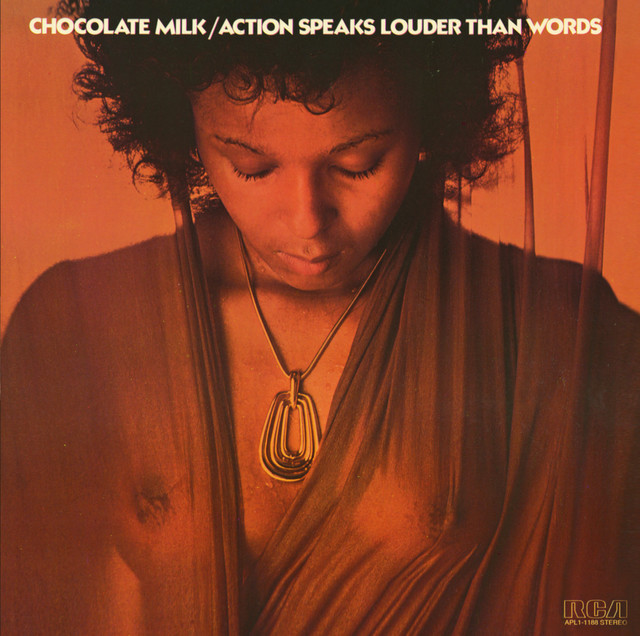
1. Action Speaks Louder Than Words
This track, a pillar of mid-70s New Orleans funk, lays down an undeniable groove. The rhythm section is tight, a masterclass in syncopation with a bassline that just *sits* perfectly in the pocket. Horn arrangements are precise, punctuated by those classic wah-wah guitars. It’s the kind of pre-digital studio work where every instrument breathes, contributing to a rich, organic tapestry that modern production often struggles to replicate. A foundational sound.
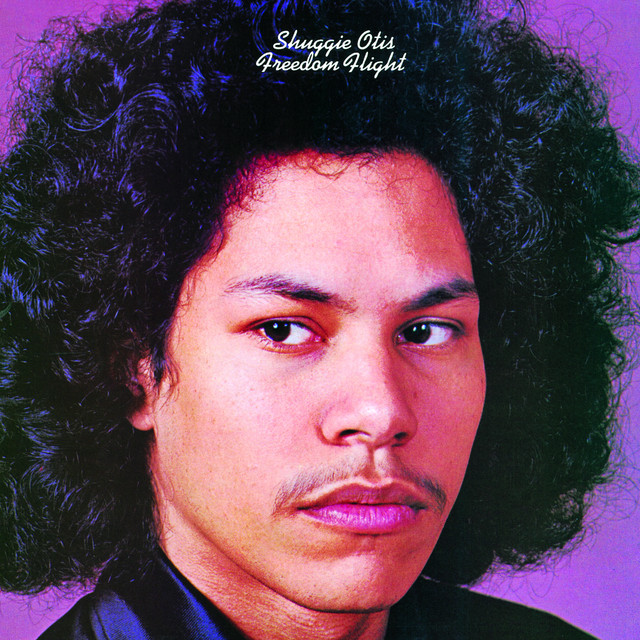
2. Freedom Flight
Otis’s "Freedom Flight" is a hazy, psychedelic blues-fusion journey. His guitar work is astonishingly inventive, weaving liquid lines over deep, soulful grooves. The album’s production, achieved entirely with pre-digital techniques, gives it an almost dreamlike quality, full of space and reverberation. It’s a testament to how far one mind could push the boundaries of blues and R&B, crafting something truly singular and ahead of its time.
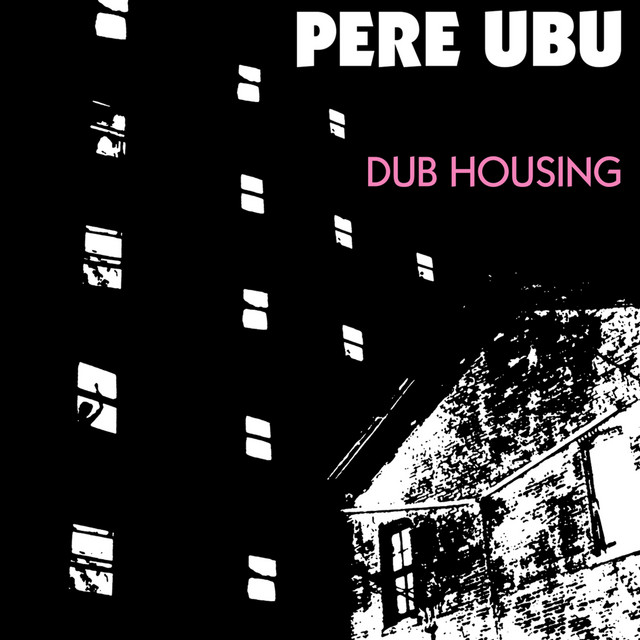
3. Dub Housing
Pere Ubu’s "Dub Housing" is an exercise in controlled chaos. It’s angular, dissonant, yet undeniably compelling post-punk. The raw, almost primitive recording techniques amplify its unsettling atmosphere; every clatter and synth squelch feels deliberately placed. It’s art-rock stripped bare, eschewing conventional melodies for a more textural, industrial-leaning soundscape. This album exemplifies the adventurous spirit of late-70s underground music.
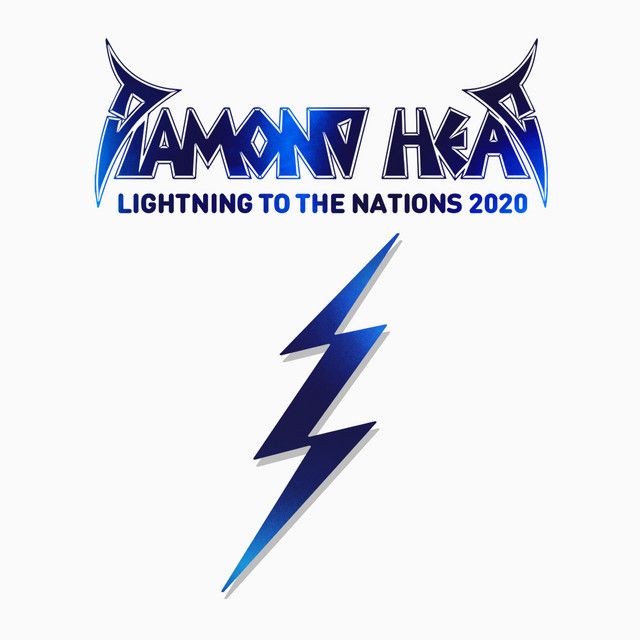
4. Lightning To The Nations 2020
While the original 1980 "Lightning To The Nations" was a raw, pre-digital blueprint for thrash, this 2020 re-recording is a curious beast. It attempts to recapture that proto-metal aggression with modern clarity, but inevitably sacrifices the grit and spontaneous energy of its cassette-era predecessor. The riffs remain iconic, certainly, yet the pristine digital sheen cannot fully replicate the sheer, unbridled *oomph* achieved through analog limitations.
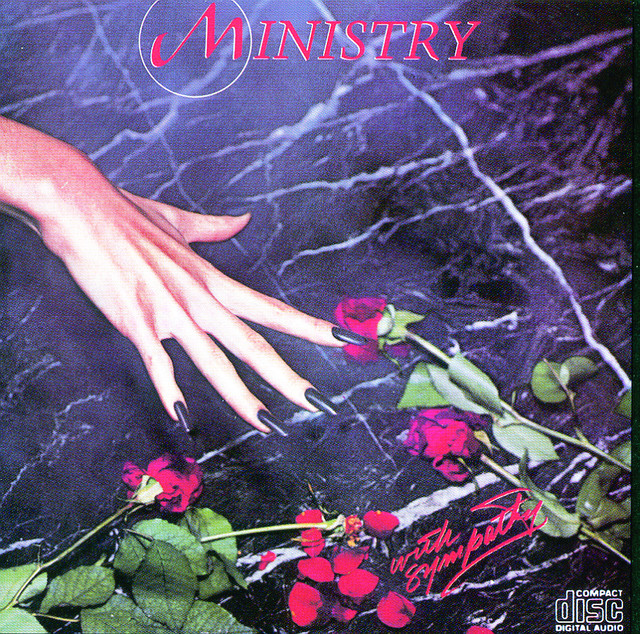
5. With Sympathy
Before the industrial onslaught, Ministry’s "With Sympathy" was a foray into polished synth-pop, albeit with a melancholic edge. Al Jourgensen’s vocals here are remarkably clean, almost New Romantic, layered over crisp drum machines and lush analog synthesizers. It’s a beautifully crafted artifact of early-80s darkwave, showcasing the era’s fascination with sonic textures and programmed beats before digital sampling completely reshaped the landscape.
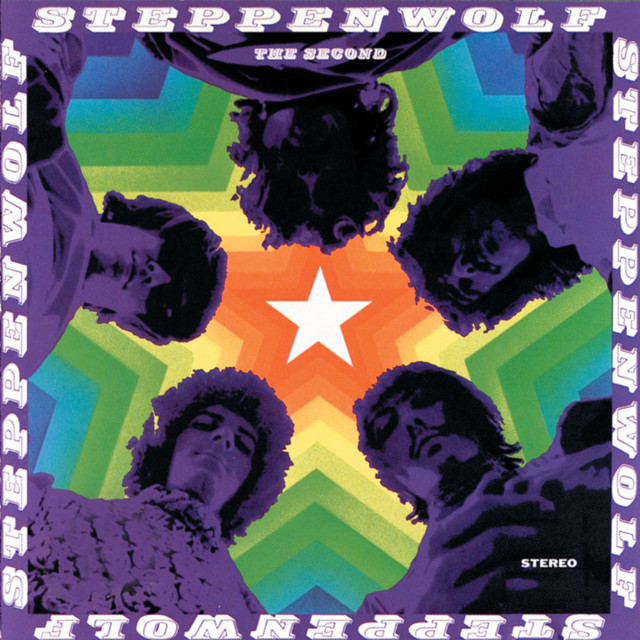
6. The Second
The Godz’ "The Second" is an absolute primal scream from the psychedelic era. It’s gloriously unpolished, almost brutally so, sounding like it was recorded in a garage on a single microphone. The raw, blues-infused improvisations and discordant vocals are a stark contrast to the era’s more polished productions. This is authentic, unfiltered sonic rebellion, a true testament to the raw power of pre-digital, experimental rock.
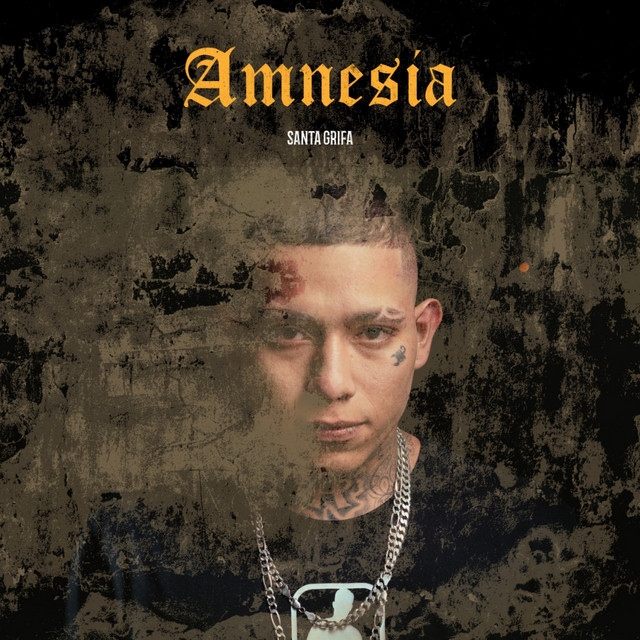
7. Amnesia
Richard H. Kirk, ever the sonic alchemist, delivered "Amnesia" as a masterclass in early electronic ambience and industrial abstraction. Utilizing analog synthesizers and drum machines, Kirk crafted intricate, often unsettling soundscapes that pre-figured much of the later ambient and techno movements. Its pre-digital construction lends a certain warmth and organic imperfection to the machine-generated rhythms and textures, creating a hypnotic, cerebral experience.

8. Atomizer
Big Black’s "Atomizer" is a relentless assault of machine-gun drumming and Steve Albini’s signature abrasive guitar. The album’s stark, almost clinical production emphasizes its mechanical aggression, a brutalist sound sculpted in the analog domain. Those programmed drum patterns, though synthetic, are imbued with a visceral power, driving a post-hardcore sound that felt utterly revolutionary and deeply unsettling for its time.