
1 / 8
1. Homicide: Life on the Street
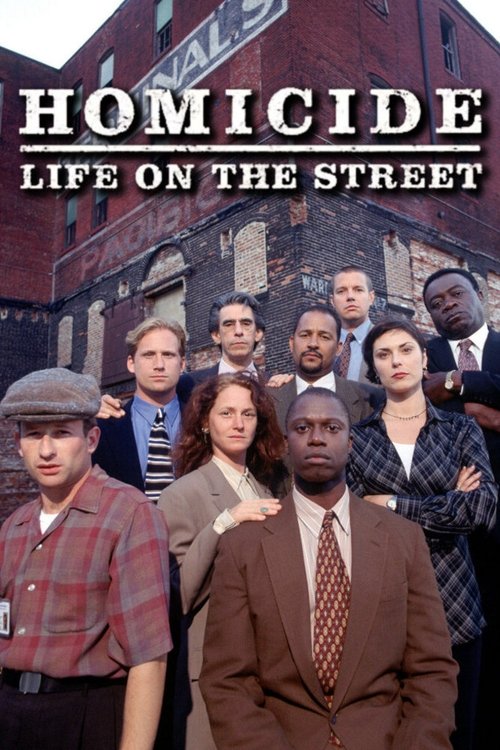
Before everyone was calling everything "cinematic," Homicide was out there in '93, shoving a camera in your face. Barry Levinson's influence made it feel less like a network procedural and more like a raw, ensemble character study. Its serialized arcs, where cases didn't always wrap up neatly, laid groundwork for the grittier, more adult dramas that would follow, proving networks could tackle darker material without flinching. It was appointment viewing for anyone tired of the usual cop show gloss.
2 / 8
2. Babylon 5
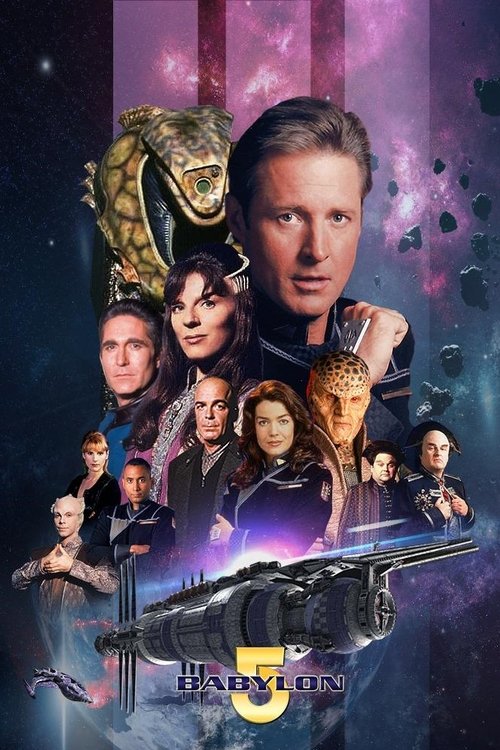
Forget monster-of-the-week; Babylon 5, starting in '94, was playing the long game. J. Michael Straczynski mapped out a five-year arc like a novel, demanding viewers commit to its complex mythology and character development. This wasn't just space opera; it was an ambitious, serialized narrative that built a coherent universe episode by episode. It practically invented the idea of "arc viewing" before DVRs were standard, priming audiences for the deep dives into story that streaming now enables.
3 / 8
3. Sports Night
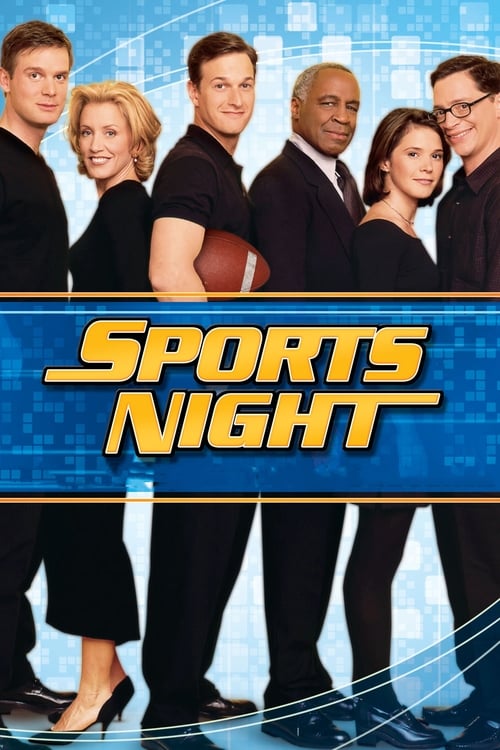
Before West Wing, there was Sports Night in '98. Sorkin's signature walk-and-talk, snappy, hyper-intelligent dialogue made a sports news show feel like a Broadway play. It was a half-hour comedy that wasn't afraid to get serious, exploring the ethics and personal lives behind the broadcast. The ensemble cast felt like a real family, bickering and supporting each other, showing how a tightly written workplace dramedy could elevate network television beyond simple laughs.
4 / 8
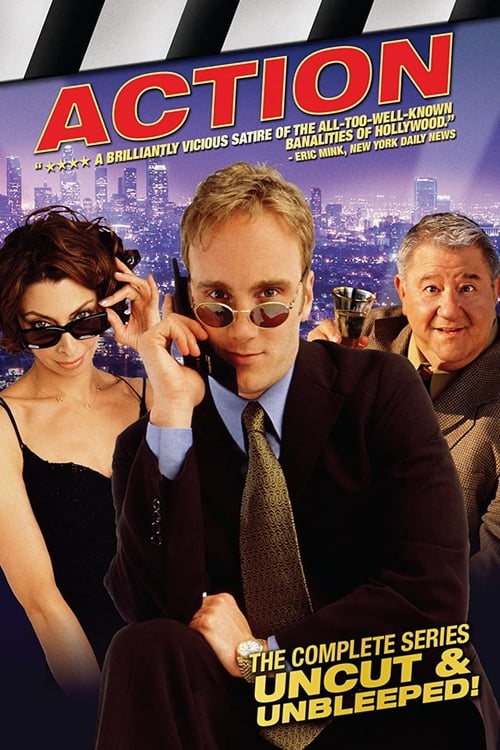
4. Action
Fox's '99 gem, Action, was so ahead of its time, it felt like cable smuggled onto network TV. It was a brutally cynical, hilarious take on Hollywood, starring a disgraced producer who'd sell his grandmother for a hit. The show's relentless profanity and shocking content pushed boundaries, exposing the seedy underbelly of the dream factory. It proved that audiences were ready for darker, more transgressive comedy, even if the network wasn't quite ready to fully commit to it.
5 / 8
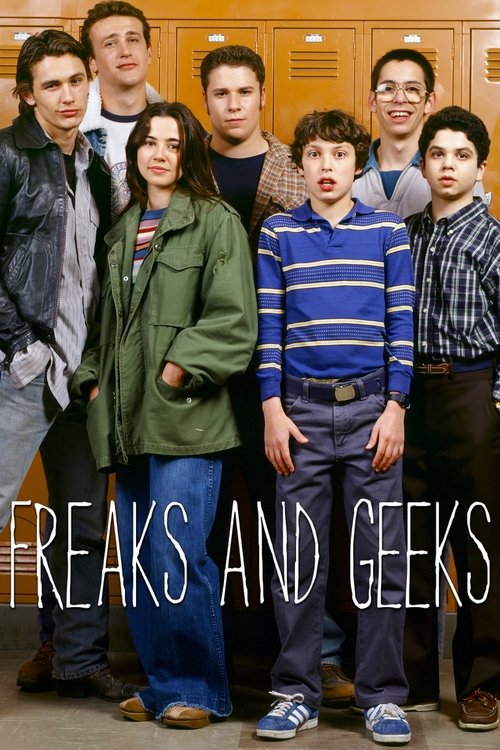
5. Freaks and Geeks
Freaks and Geeks, debuting in '99, showed that high school didn't have to be glossy. It was an honest, often painful, look at adolescence, with an ensemble cast of perfectly flawed characters you genuinely rooted for. Its single-camera, cinematic style, devoid of a laugh track, felt revolutionary for a network comedy. It paved the way for character-driven dramedies, proving that authentic, unvarnished storytelling about everyday struggles could resonate deeply, even if network executives didn't quite get it at the time.
6 / 8
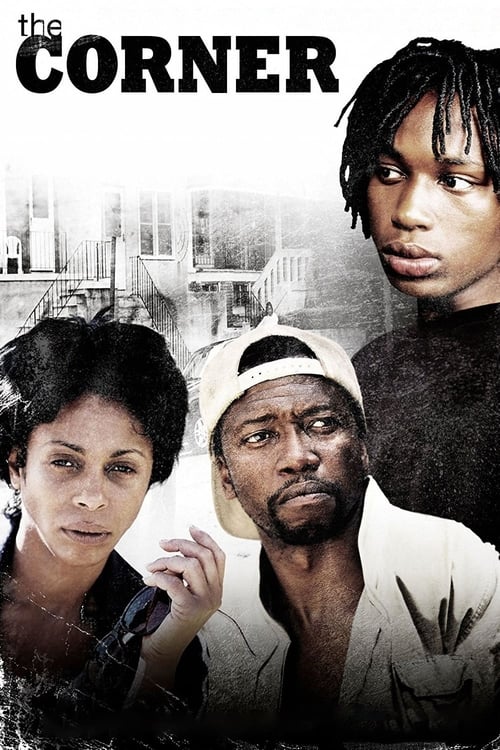
6. The Corner
Before The Wire, there was The Corner in 2000. This HBO miniseries, a raw, unflinching look at a drug-infested Baltimore neighborhood, established David Simon's immersive, systemic storytelling. It felt less like TV and more like a documentary-style cinematic experience, shot on location with a cast that blurred lines between actors and real people. This was peak early HBO risk-taking, proving cable could deliver deeply impactful, prestige drama that commercial networks wouldn't dare touch.
7 / 8
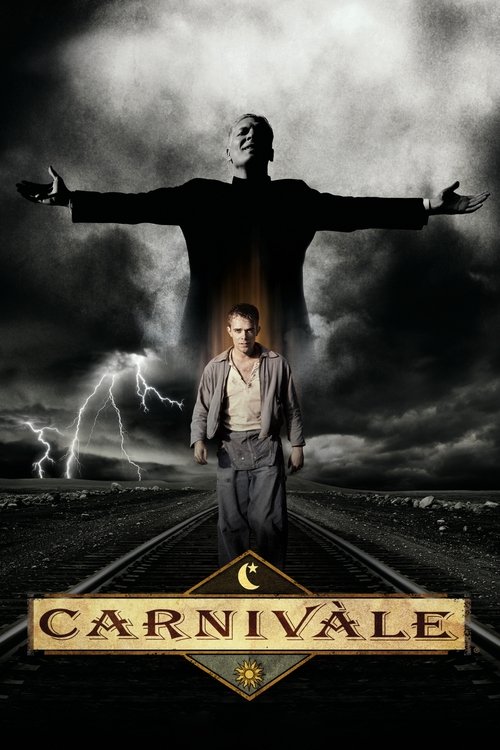
7. Carnivàle
Carnivàle, premiering in 2003 on HBO, was the kind of show that screamed "cable prestige." It was an expensive, deeply atmospheric, and utterly unique dive into a dust bowl carnival, packed with biblical allegory and a sprawling, serialized mythology. Viewers had to commit, with its slow burn and complex character web, but the payoff was a rich, cinematic experience. It solidified HBO's reputation for taking huge, ambitious swings that paid off in artistic depth, if not always in ratings.
8 / 8
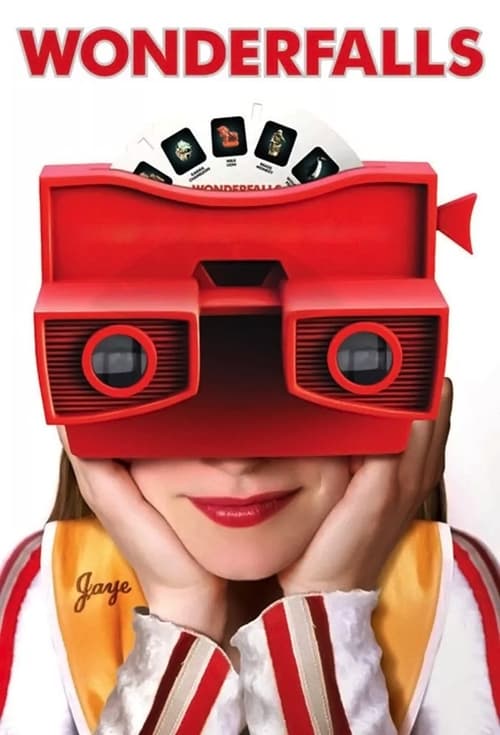
8. Wonderfalls
Bryan Fuller's Wonderfalls, which briefly graced our screens in 2004, was a quirky, serialized gem that saw inanimate objects talking to a disaffected gift shop clerk. Its unique blend of magical realism, sharp wit, and a charming ensemble cast was pure cult fodder. Though tragically short-lived, its passionate fanbase and the early "save our show" campaigns it inspired foreshadowed the power of engaged audiences and the potential for niche, serialized storytelling to find its home later on streaming.