
1 / 8
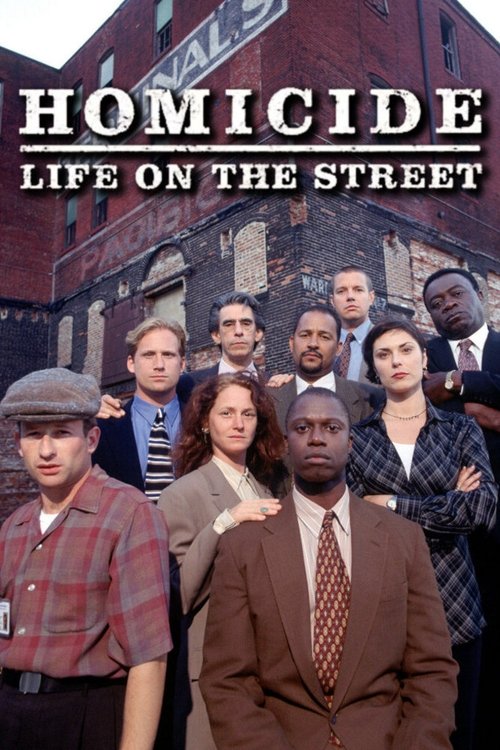
1. Homicide: Life on the Street
Before *The Wire*, there was *Homicide*. This show redefined the police procedural with its gritty, documentary-style filmmaking, handheld cameras, and overlapping dialogue. It was less about solving a case and more about the toll the job took on these Baltimore detectives. The ensemble cast was phenomenal, and the serialized character arcs meant you had to pay attention. It wasn't always pretty, but it was real, setting a new bar for broadcast drama.
2 / 8
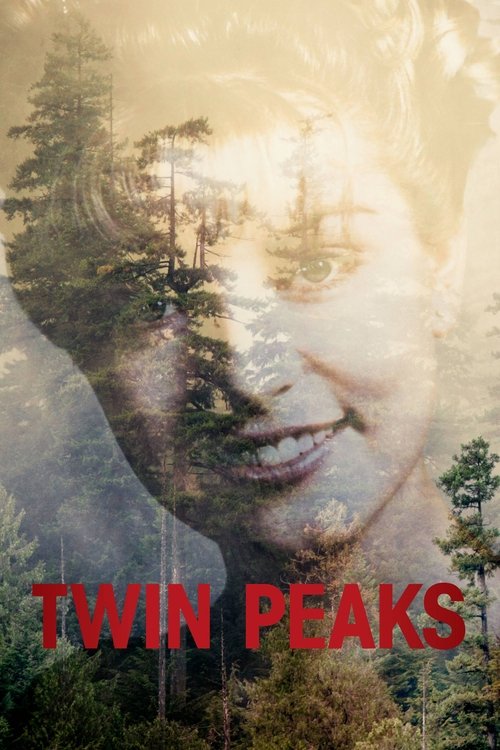
2. Twin Peaks
David Lynch brought his cinematic weirdness to network television, and the world was never the same. Who killed Laura Palmer? That mystery was just the tip of a surreal, darkly humorous, and genuinely unsettling iceberg. *Twin Peaks* blended genres, played with narrative, and proved that TV could be as artistically ambitious and thought-provoking as any film. It made you question everything you thought you knew about storytelling on the small screen.
3 / 8
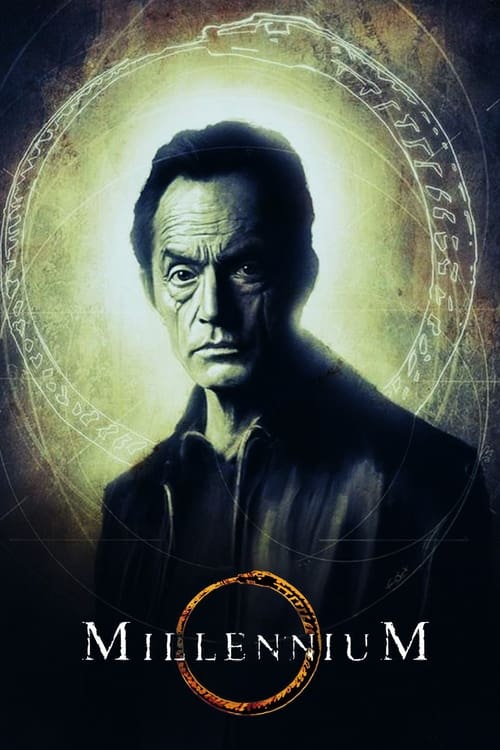
3. Millennium
From the mind behind *The X-Files*, *Millennium* plunged into a far darker, more disturbing world. Frank Black's ability to see into the minds of killers, coupled with the pervasive dread of the approaching turn of the century, made this a psychological horror masterpiece. It explored evil in a way network TV rarely dared, pushing boundaries for grim themes and serialized dread, laying groundwork for the grittier cable fare to come.
4 / 8
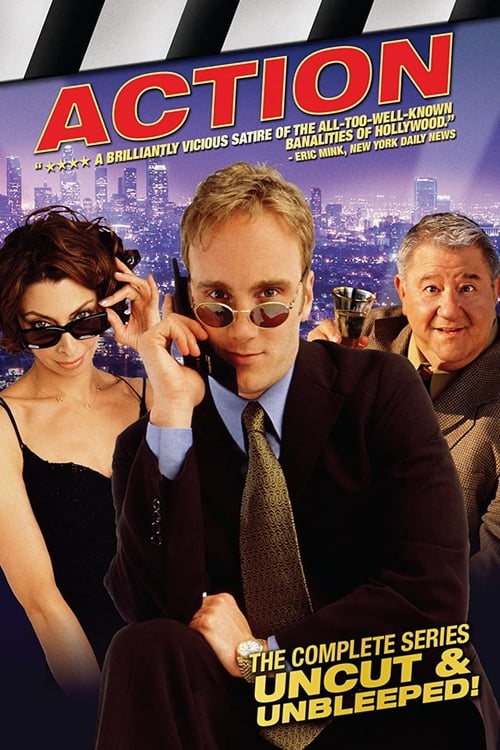
4. Action
This was a vicious, hilarious, and ultimately short-lived satire of Hollywood that was simply too smart and too profane for its time slot. Jay Mohr played a truly reprehensible studio executive, and Illeana Douglas was his equally cynical assistant. It tore down the fourth wall, skewered the industry, and operated on a level of dark comedy and meta-commentary that felt years ahead. A cult classic for a reason.
5 / 8
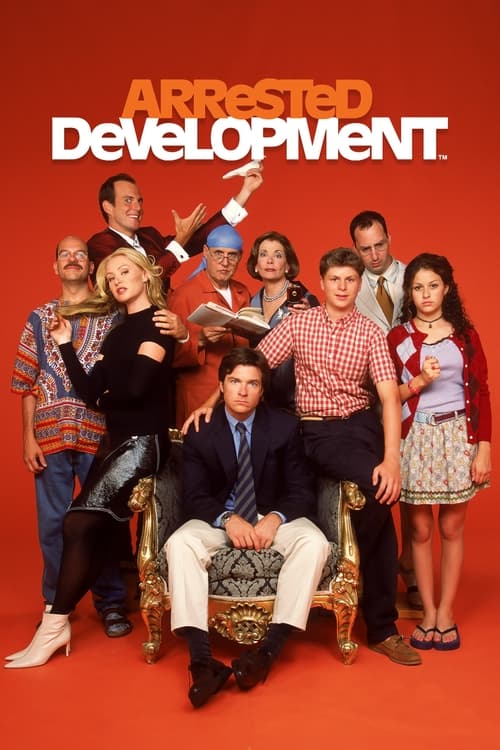
5. Arrested Development
The Bluth family saga perfected the mockumentary sitcom. *Arrested Development* was a densely layered comedic masterpiece, packed with running gags, callbacks, and visual jokes that demanded multiple viewings. It rewarded meticulous attention, eschewing traditional sitcom structure for a serialized narrative that felt revolutionary. It practically invented the binge-watch before streaming was even a thing, a blueprint for on-demand success.
6 / 8
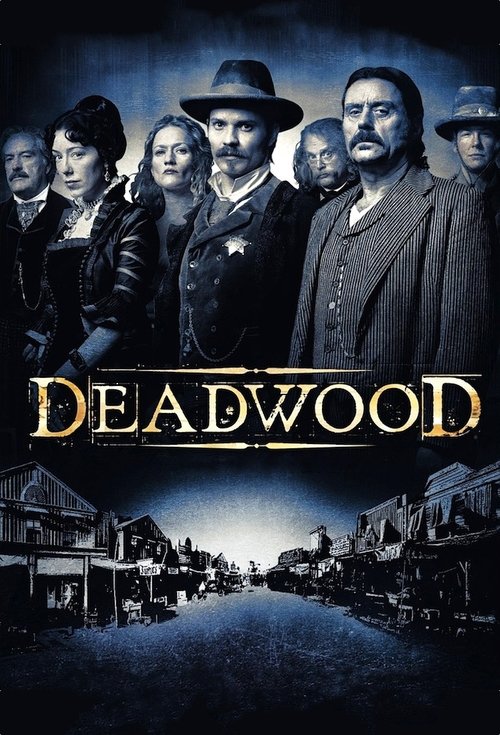
6. Deadwood
HBO, of course, was where something like *Deadwood* could thrive. It was a sprawling, profane, and utterly poetic Western, a masterclass in ensemble storytelling. The show didn't just depict history; it immersed you in the brutal, evolving language and moral complexities of a nascent town. Its cinematic scope and literary dialogue proved premium cable was the new frontier for truly ambitious, serialized drama.
7 / 8
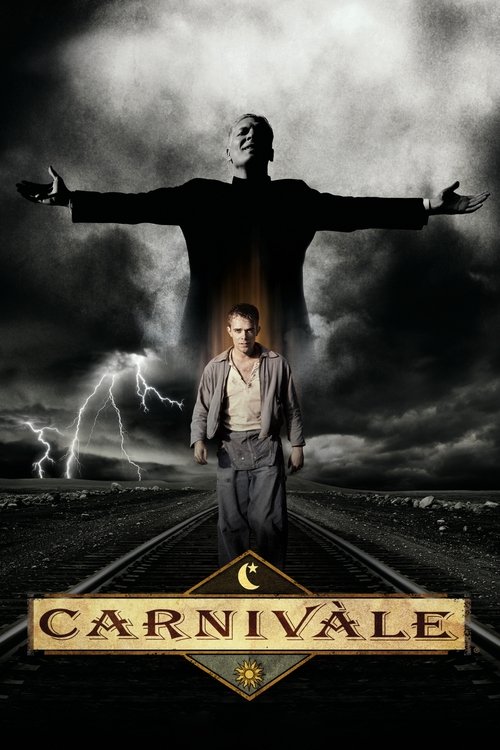
7. Carnivàle
This show was a visually stunning, deeply strange, and incredibly ambitious undertaking. Set during the Great Depression, it followed a traveling carnival and explored a cosmic battle between good and evil. *Carnivàle* was dense, atmospheric, and required a real commitment from its audience. It showcased HBO's willingness to back complex, serialized narratives that felt less like TV and more like a long-form, epic film.
8 / 8
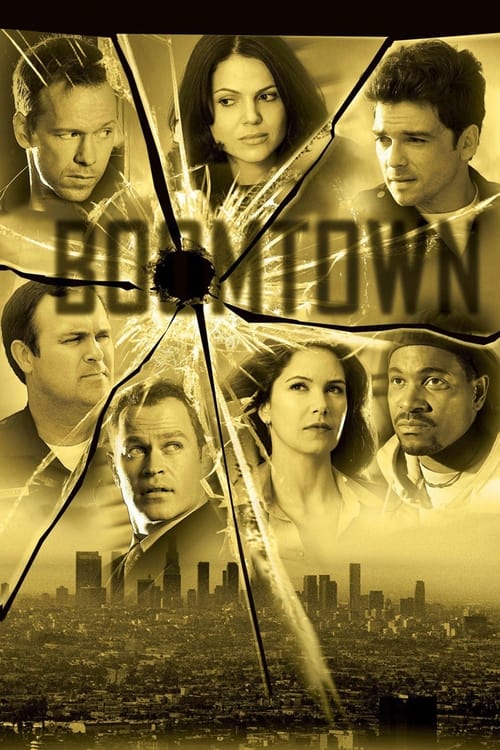
8. Boomtown
An unjustly forgotten gem that played with narrative structure in a way few shows before or since have. Each episode presented a crime from multiple, shifting perspectives – the cop, the victim, the suspect – forcing viewers to actively piece together the truth. Its innovative, non-linear storytelling was a masterclass in serialized drama, proving that broadcast TV could still push formal boundaries and demand intellectual engagement.