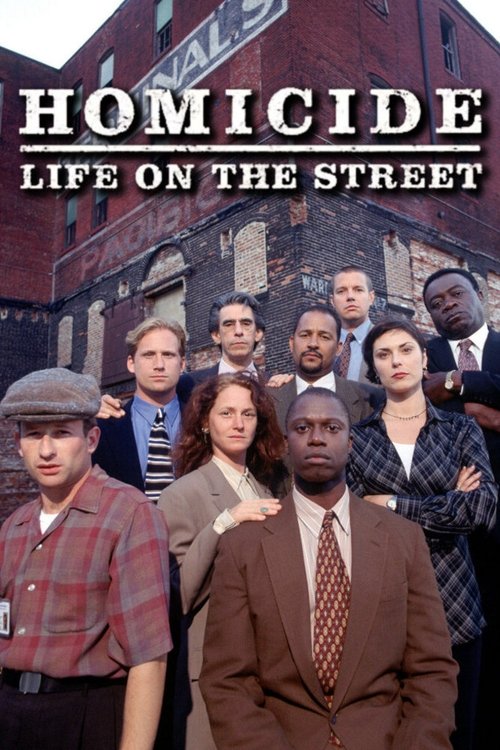
1. Homicide: Life on the Street
Before every cop show looked like a movie, *Homicide* dropped us into Baltimore's messy homicide unit. Barry Levinson and Tom Fontana made sure the handheld cameras and overlapping dialogue felt real, not just gritty for grit's sake. It was an ensemble masterclass, proving network TV could deliver serialized, character-driven drama that stuck with you, making you work to keep up. This wasn't background noise.
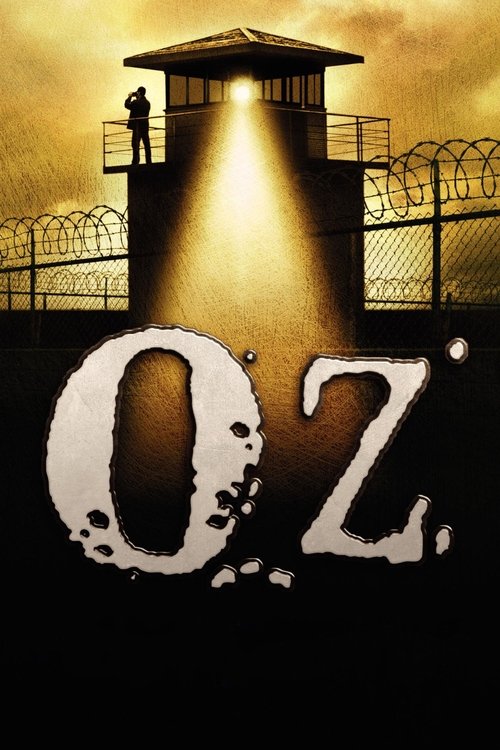
2. Oz
HBO went all in with *Oz*. No one had seen anything quite like this on TV – brutal, unflinching, and utterly serialized. It wasn't just a prison drama; it was a societal microcosm, forcing viewers to confront uncomfortable truths without easy answers. You felt the stakes, episode after episode. This was cable making a definitive statement: we're doing things networks won't touch.
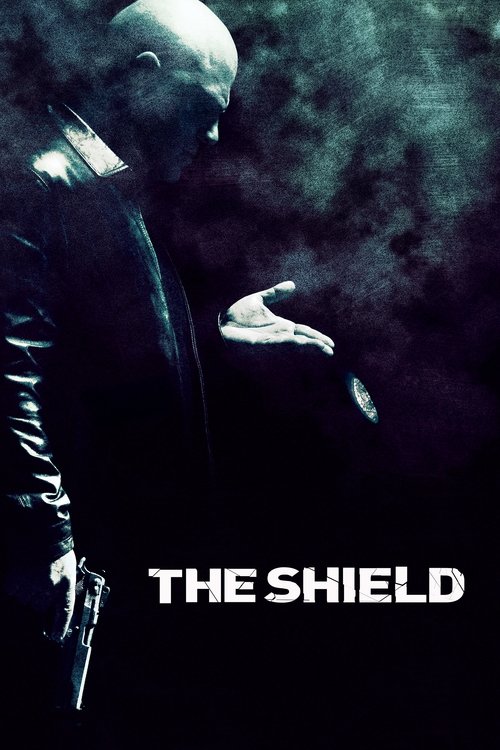
3. The Shield
FX threw its hat into the ring with *The Shield*, and Vic Mackey redefined the anti-hero long before everyone else jumped on that train. This wasn't about good guys and bad guys; it was about bad guys doing what they thought was good, and the audience squirming all the way. The serialized narrative and relentless pace made it impossible to just half-watch. You were either in or out.
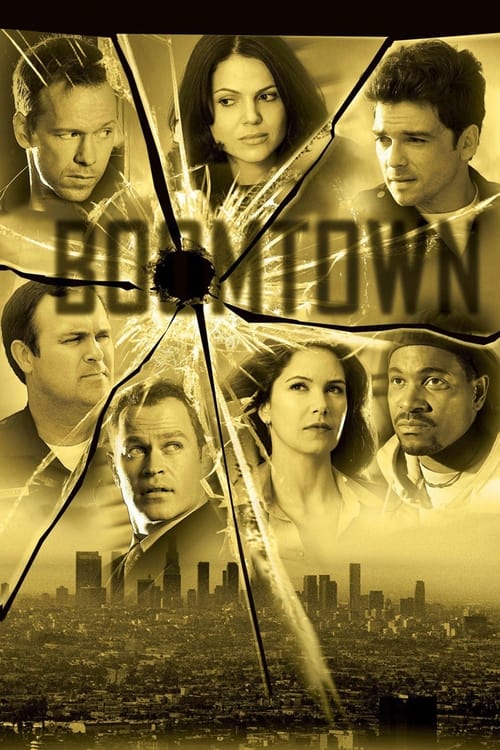
4. Boomtown
Graham Yost tried something genuinely ambitious here, telling a single crime from multiple perspectives. Each episode peeled back layers, giving you a Rashomon-style view of the events. It demanded your attention, piecing together the puzzle alongside the characters. Maybe it was too smart for its own good, too non-linear for primetime, but it showed what TV could be beyond simple A-to-B storytelling.

5. Tanner '88
Robert Altman and Garry Trudeau basically invented the political mockumentary with this one. Following a fictional presidential candidate during the real 1988 primaries, it blurred the lines between fiction and reality so effectively you often forgot what was staged. It was sharp, ahead of its time, and proved cable, specifically HBO, was willing to experiment with form and content in ways network TV wouldn't dare.
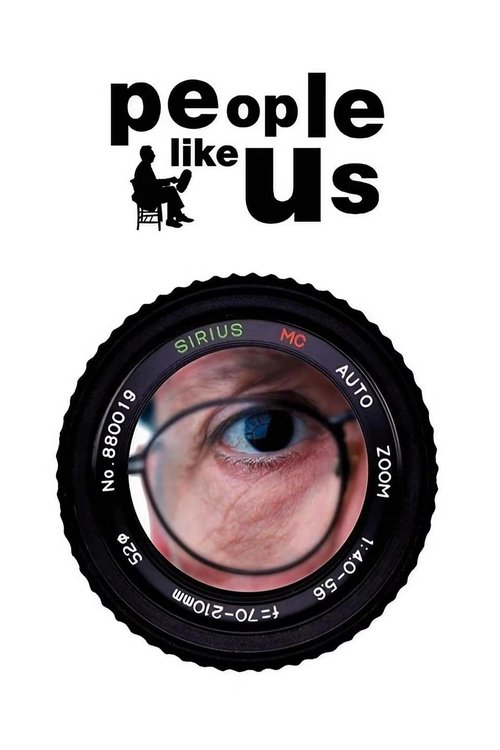
6. People Like Us
This British mockumentary was a quiet genius, a precursor to the observational, often cringeworthy humor that would define the genre. Chris Langham's character interviews various "ordinary" people, but it’s always his own awkwardness and subtle biases that shine through. It’s about the uncomfortable spaces in human interaction, the unsaid. You had to lean in to catch the nuances.
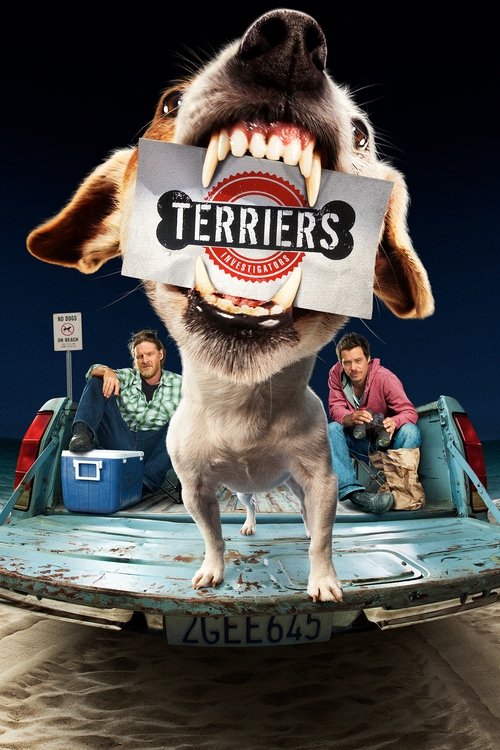
7. Terriers
This FX series was a genuine cult classic, a PI show that was more about the deeply flawed, human characters than the cases. It had a melancholic, lived-in feel, a serialized story that just got under your skin. Critics loved it, but it never quite found its audience. It’s the kind of show you discovered later, maybe through early streaming, and wondered how you missed such quality.
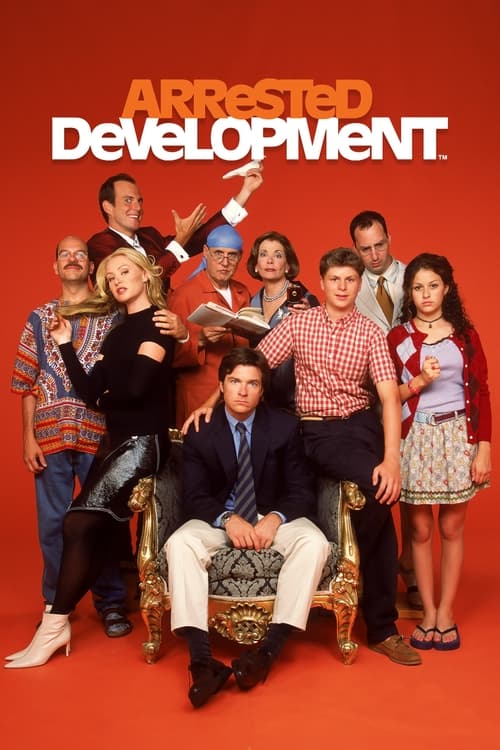
8. Arrested Development
This wasn't just a sitcom; it was a densely packed, meta-humor machine. Every episode built on previous gags, callbacks, and running jokes, rewarding repeat viewings long before binge-watching was a thing. You couldn't just have it on in the background; you had to pay attention, catch every subtle glance and throwaway line. It was a comedy that demanded your full intellectual engagement.