
1 / 8
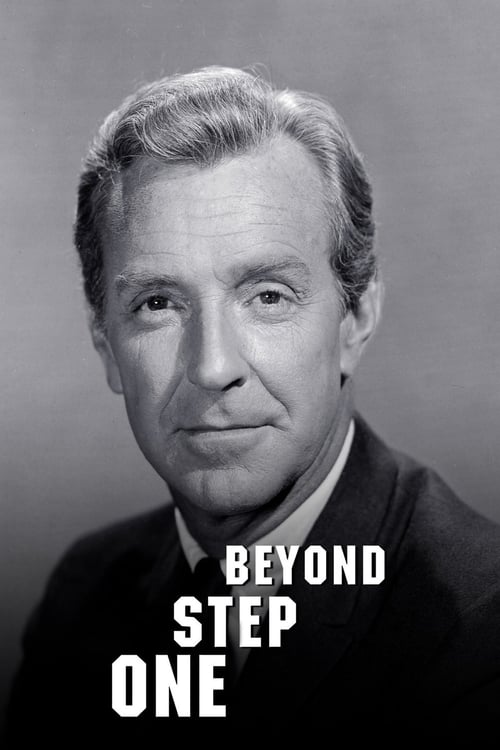
1. One Step Beyond
“One Step Beyond” always had that spooky, earnest feel, didn't it? John Newland, straight as an arrow, telling you these were *true* accounts of the inexplicable. Not quite “Twilight Zone” with its twisty fables, but more like a campfire story whispered in a dark room. The black-and-white, often a bit fuzzy from the kinescope, only added to the eerie, almost documentary-like atmosphere. You watched, and for a moment, you truly wondered.
2 / 8
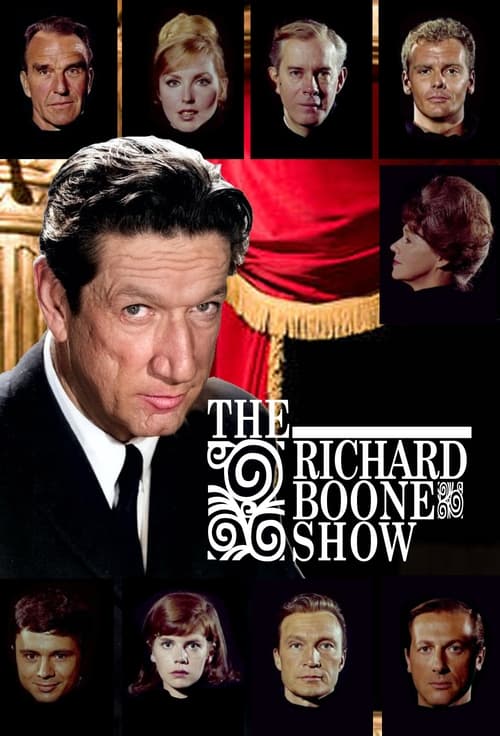
2. The Richard Boone Show
Richard Boone, a proper actor, trying something rather ambitious for the time: a repertory company on weekly television. Each episode was a new play, a new story, and the same familiar faces — Boone, Robert Blake, Harry Morgan – popping up in different roles. You watched for the craft, for the sheer audacity of it, really. It was a proper dramatic showcase, a bit like live theater but captured for the home screen, often feeling quite immediate and intimate in its approach.
3 / 8
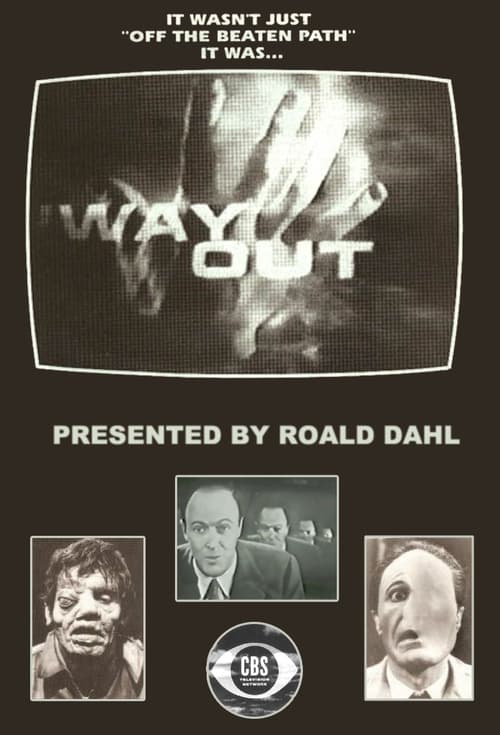
3. Way Out
Before he was Herman Munster, Fred Gwynne was introducing these strange, often unsettling tales on “Way Out.” It was definitely in the “Twilight Zone” neighborhood, but had a darker, more psychological edge, sometimes truly unnerving. The black-and-white cinematography was used to great effect, casting long shadows and creating a palpable sense of dread. And because it was often a live-on-tape production, there was an immediacy, a raw energy that made those bizarre twists hit harder.
4 / 8
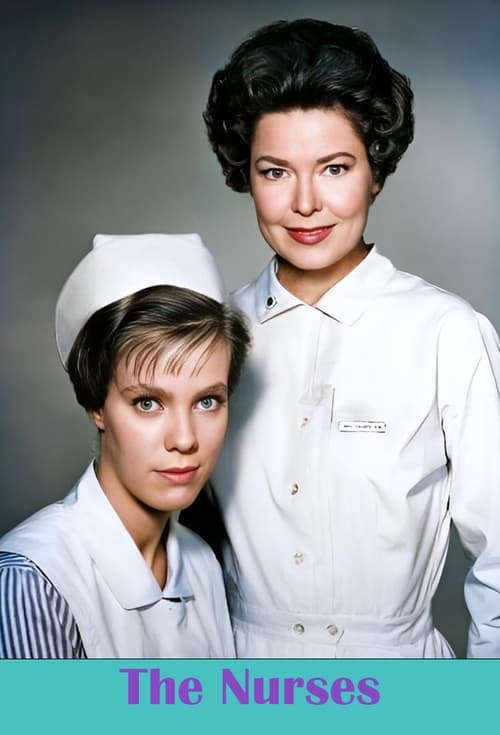
4. The Nurses
“The Nurses” brought the hospital drama right into your living room, usually in stark black-and-white, making the life-and-death stakes feel even more immediate. It wasn't just about the patients; it delved into the personal lives and moral dilemmas of the medical staff. There was a genuine attempt at character development, a step beyond the episodic “problem of the week,” hinting at longer story arcs and making you care about their ongoing struggles. Quite the melodrama for a Tuesday night.
5 / 8

5. The Many Loves of Dobie Gillis
Dobie Gillis, a young man perpetually pondering the meaning of life and, more importantly, finding a girl. This was an early sitcom that felt surprisingly fresh, with Dobie often breaking the fourth wall to confide in the audience. And then there was Maynard G. Krebs, the beatnik sidekick, a truly iconic character. It captured a certain youthful angst, all in charming black-and-white, and really set a template for character-driven comedy with a touch of the absurd.
6 / 8
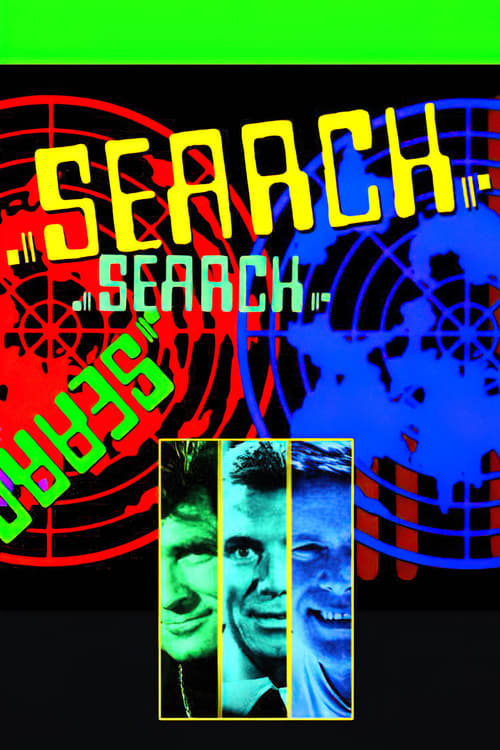
6. Search
“Search” was a bold swing for television, wasn't it? A spy thriller with a futuristic bent, where a team of agents used advanced surveillance tech – the “Probe” – to solve impossible cases. This was an early example of trying for a more complex, serialized narrative beyond just weekly adventures, tying plots together, even if loosely. It had that distinct early-70s vibe, a mix of grounded intrigue and almost fantastical gadgets, feeling very modern for its day.
7 / 8
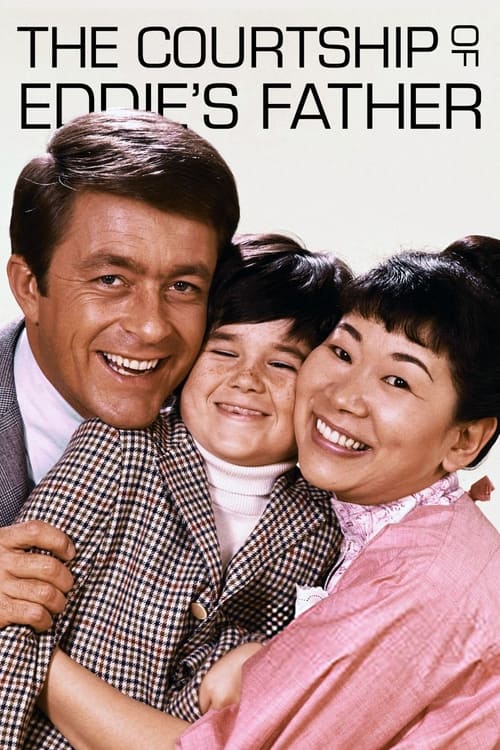
7. The Courtship of Eddie's Father
A genuinely warm and fuzzy sitcom, “The Courtship of Eddie's Father” was about a widower and his young son trying to navigate life and love. Bill Bixby was so good as Tom, and Brandon Cruz as Eddie was just delightful. It wasn't about big laughs, but rather gentle humor and heartfelt moments, exploring the bond between a father and son. It had a comforting, almost nostalgic quality even then, a quiet charm that still resonates.
8 / 8
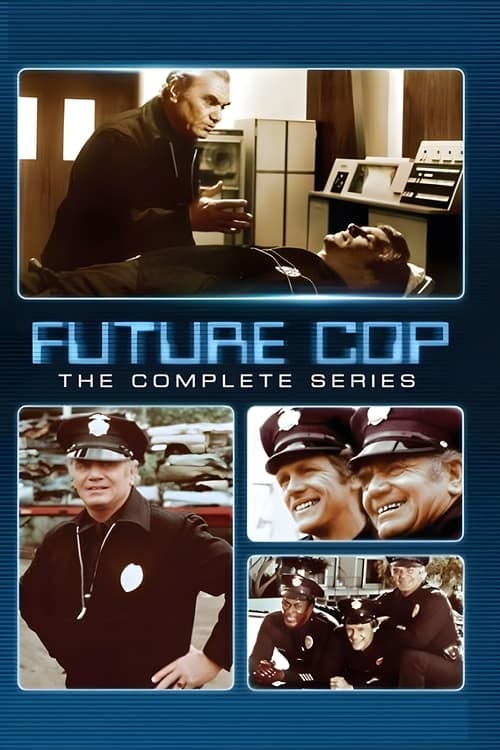
8. Future Cop
This was a bit of a curious one, “Future Cop.” It tried to blend the buddy-cop formula with a science fiction twist: an old-school detective paired with a young, experimental android partner. It started as a TV movie, and then briefly became a series. You could see the networks grappling with how to tell a longer story, how to merge different genres. It had that slightly clunky, earnest 70s feel, but the premise, an android learning humanity, was ahead of its time.