
1. Blade Runner 2049
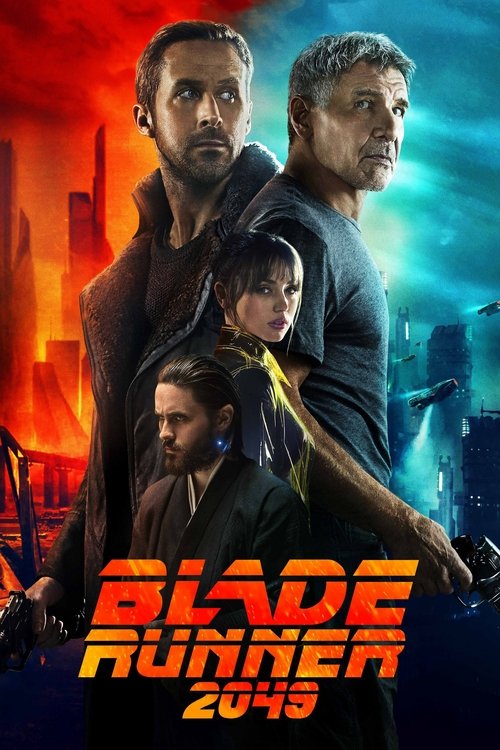
People expected a direct action sequel, but this film was always about mood and big questions. It’s a slow burn, for sure, yet the visual storytelling is incredible, building a world so rich and detailed it feels truly lived-in. And its exploration of what makes us real? That’s something future AI-driven narratives will definitely keep exploring, making it feel more relevant than ever.

2. Scott Pilgrim vs. the World
Maybe it was too much, too fast, for some people back then. But the movie’s kinetic energy, its comic book panel aesthetic, and video game mechanics? They totally predicted how we consume content today. It’s like a playable movie, and that blend of digital creativity with raw emotion feels so fresh, even now. It’s a pure joy to watch.
3. Speed Racer
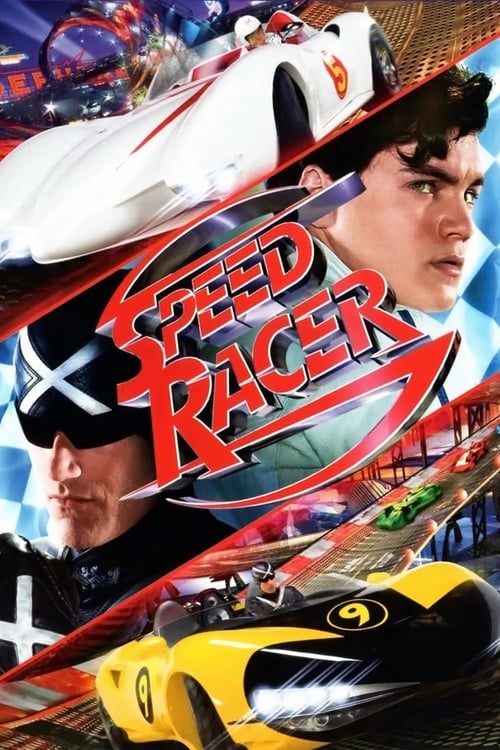
Okay, the colors! This one just went for it, creating a vibrant, cartoonish world that felt overwhelming to some. But it was ahead of its time, really. The Wachowskis built an entire digital canvas, pushing visual effects and immersive world-building far beyond what anyone expected. It’s a pure pop art spectacle that new VR experiences could learn a lot from.
4. Jupiter Ascending
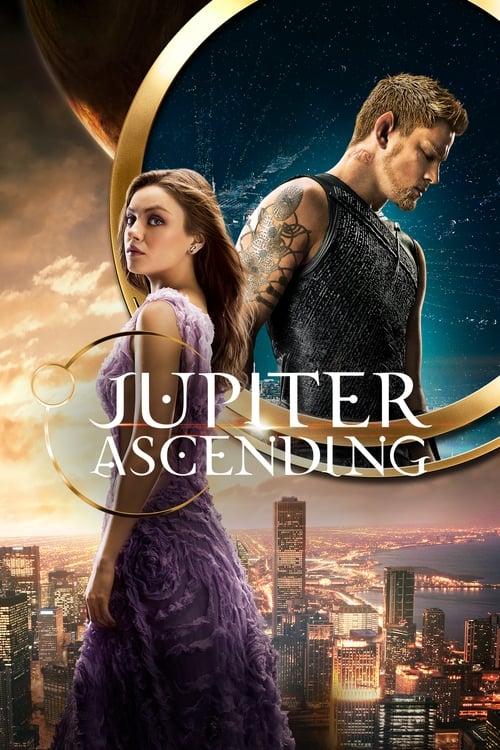
This film got a rough ride, with many calling its story messy. Yet, its sheer ambition and scope are breathtaking. The world-building, the creature designs, the wildly imaginative alien cultures – it’s all so unique. It dreamt big, pushing boundaries for what a space opera could look like, offering tons of visual inspiration for anyone building virtual universes.
5. The Matrix Reloaded
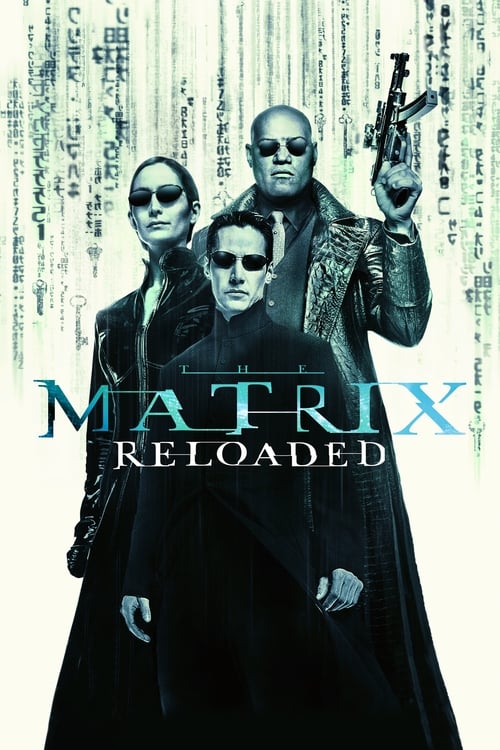
Coming after the original, expectations were sky-high. And while the philosophical detours might have felt clunky to some, this movie really expanded the universe, diving deeper into the simulation's mechanics. The action sequences, like the highway chase, were groundbreaking, showing us what was possible digitally. It pushed boundaries for what a sequel could be.

6. Waterworld
Seen as a huge flop, but honestly, this movie is super ambitious. The practical effects, building that huge floating city, were incredible. It presented a fully realized, post-apocalyptic future where the world is water, and that kind of immersive, unique setting is something virtual reality strives for. It’s got a surprisingly compelling adventure at its core.
7. Cloud Atlas
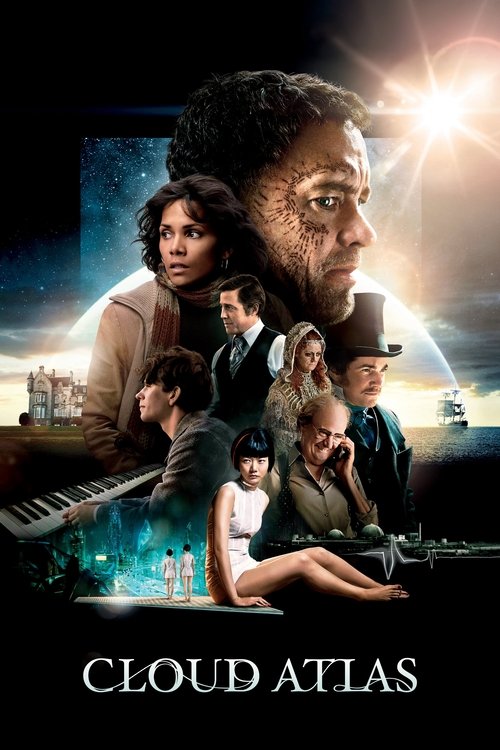
This one was labeled confusing, and yeah, it jumps through time and space a lot. But that’s its strength! The way it weaves together seemingly disparate stories to explore universal themes like connection and freedom is brilliant. It asks you to think, to piece things together, which is a storytelling technique that feels incredibly modern and challenging.
8. Dredd
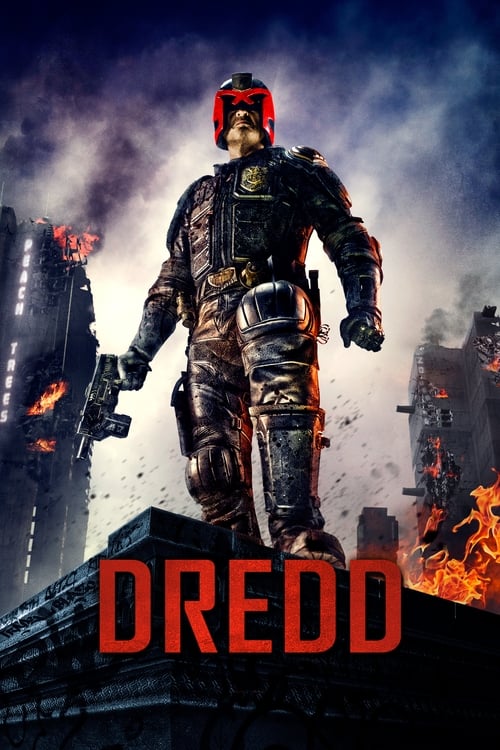
A lot of people probably skipped this because of the earlier movie, but it's such a tight, gritty action film. It nails the comic book's tone perfectly, creating an oppressive, rain-soaked future that feels incredibly real, even confined to one building. It’s pure, focused world-building, showing how powerful a contained, immersive narrative can be.