1. The Godfather
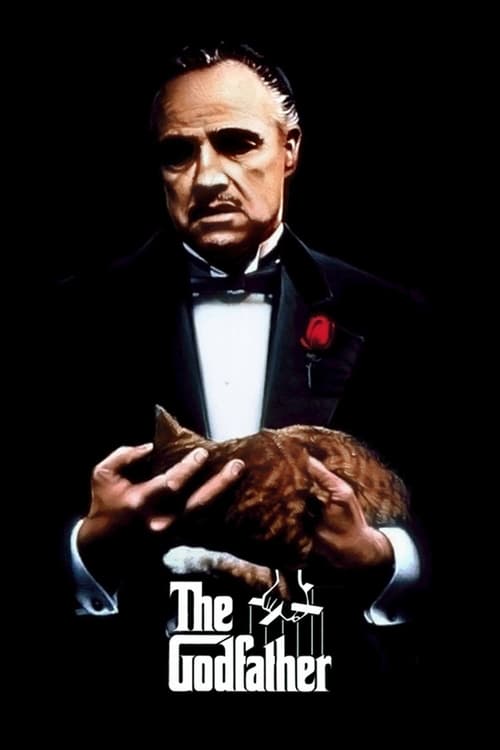
Michael Corleone’s trajectory from reluctant war hero to ruthless patriarch epitomizes Francis Ford Coppola's mastery of epic tragedy. This role, central to the film’s exploration of power, family, and the corrupted American Dream, reshaped cinematic gangster narratives. Al Pacino’s nuanced portrayal, marked by a chilling transformation, cemented the character as a cornerstone of performance art, reflecting profound societal shifts in loyalty and ambition across generations.
2. Pulp Fiction
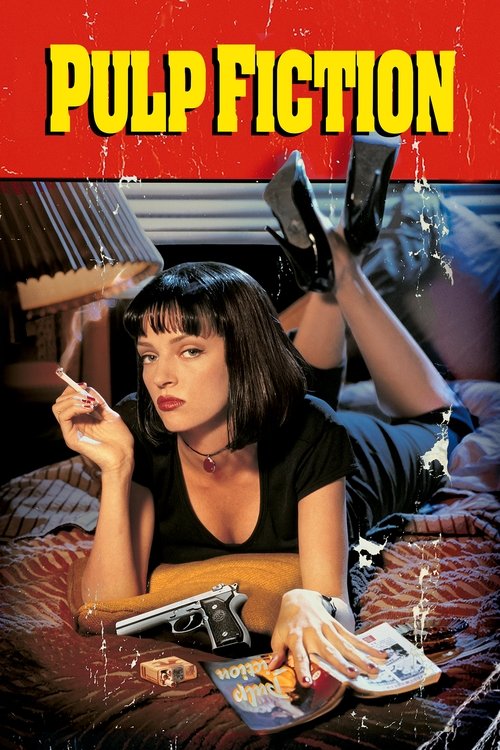
Jules Winnfield, brilliantly embodied by Samuel L. Jackson, transcends the archetypal hitman. Quentin Tarantino’s audacious dialogue and non-linear structure allowed this character to meditate on divine intervention and existential purpose amid brutal violence. Jules's pivotal decision to abandon his life of crime, rather than just perpetrating it, became a defining moment for 90s cinema, showcasing a sophisticated blend of pop culture pastiche and genuine moral inquiry.
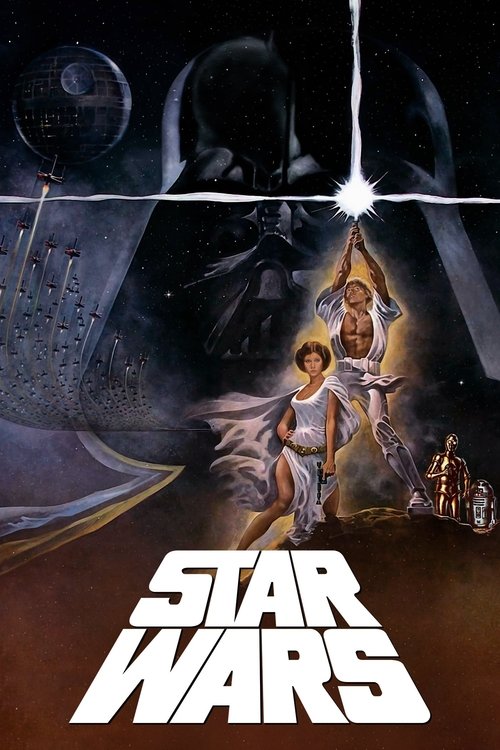
3. Star Wars
Luke Skywalker’s journey, from Tatooine farm boy to galactic savior, established the quintessential monomyth for a new generation. George Lucas, drawing on Joseph Campbell’s archetypes, crafted a character whose inherent goodness and struggle against overwhelming evil resonated deeply. This role not only anchored a technological spectacle but also instilled a profound sense of hope and adventure, fundamentally altering how audiences perceived epic fantasy and space opera on screen.

4. Silence of the Lambs: Breaking the Silence
Hannibal Lecter, as portrayed by Anthony Hopkins in *The Silence of the Lambs*, redefined cinematic villainy. His chilling intellectualism and refined menace, delivered with unnerving calm, transformed a supporting character into an unforgettable cultural icon. Jonathan Demme’s direction masterfully used Lecter not merely as a monster, but as a darkly magnetic oracle, reflecting societal fascination with the psychology of evil and the thin veil between genius and depravity, cementing psychological thrillers as serious drama.
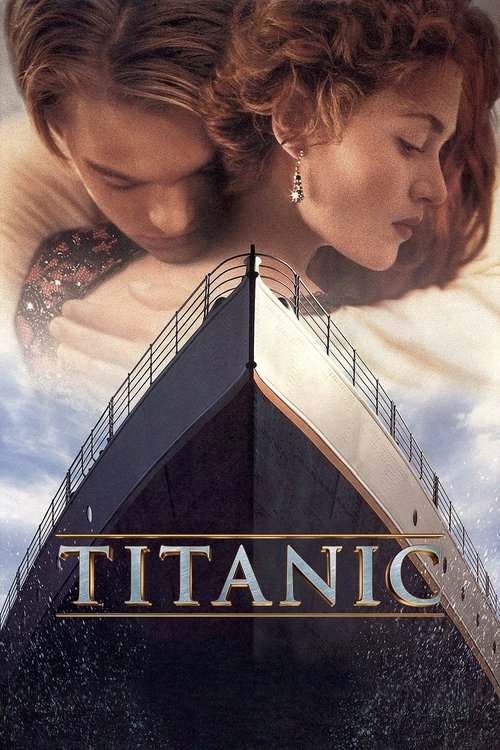
5. Titanic
Jack Dawson and Rose DeWitt Bukater became the enduring romantic archetypes against James Cameron’s monumental historical recreation. Their forbidden love affair, spanning class divides aboard a doomed vessel, captured the collective imagination, highlighting themes of freedom, sacrifice, and societal constraints. These roles transcended mere spectacle, offering a poignant human core to the disaster epic, ensuring their place as symbols of a tragic, yet intensely felt, cinematic romance.
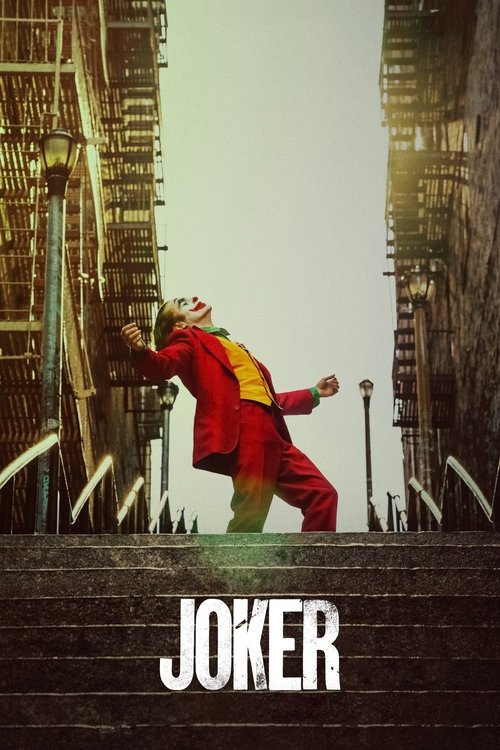
6. Joker
Arthur Fleck’s descent into madness, under Joaquin Phoenix's transformative performance, offered a stark, unsettling reflection on societal neglect and mental health. Todd Phillips's film eschewed typical superhero tropes, instead crafting a character study that forced audiences to confront uncomfortable truths about empathy and systemic failure. This portrayal wasn't merely a villain's origin; it was a potent, often disturbing, commentary on how society can inadvertently forge its own monsters.
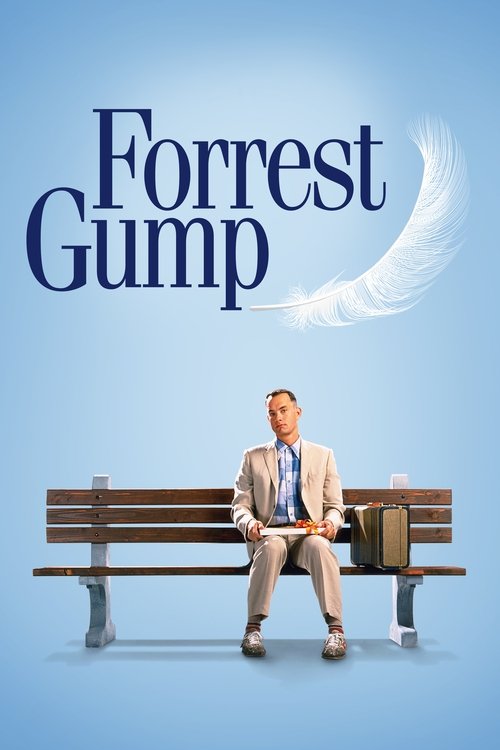
7. Forrest Gump
Forrest Gump, portrayed with disarming sincerity by Tom Hanks, traversed pivotal moments in American history with a unique, almost accidental, wisdom. Robert Zemeckis’s film skillfully blended sentimentality with technological innovation, crafting a character whose simple earnestness offered a reflective lens on monumental events. This role, embodying an optimistic spirit amidst chaos, resonated as a testament to perseverance and the unexpected paths destiny can carve, becoming an indelible part of the cultural lexicon.
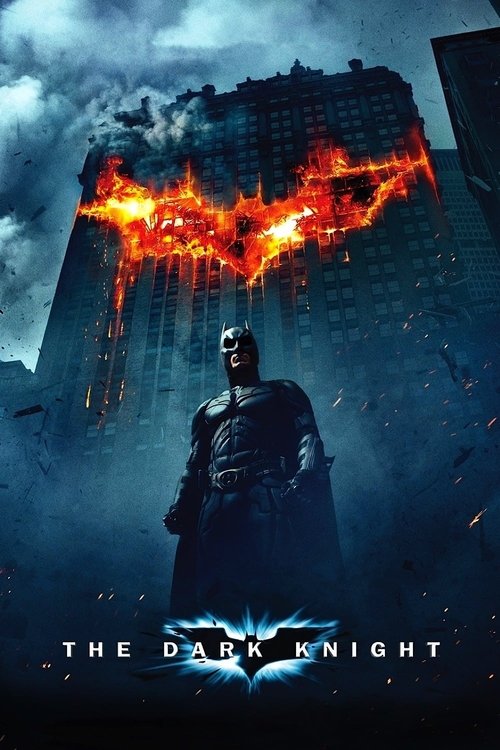
8. The Dark Knight
The Joker, as reimagined by Heath Ledger, fundamentally elevated the comic book antagonist beyond caricature. Christopher Nolan’s gritty, realistic vision allowed Ledger to embody pure, chaotic nihilism, questioning moral order and societal constructs. This performance wasn't simply a villainous turn; it was a profound philosophical challenge, cementing its place as a benchmark for character depth in genre cinema and redefining what audiences expected from a blockbuster antagonist.