

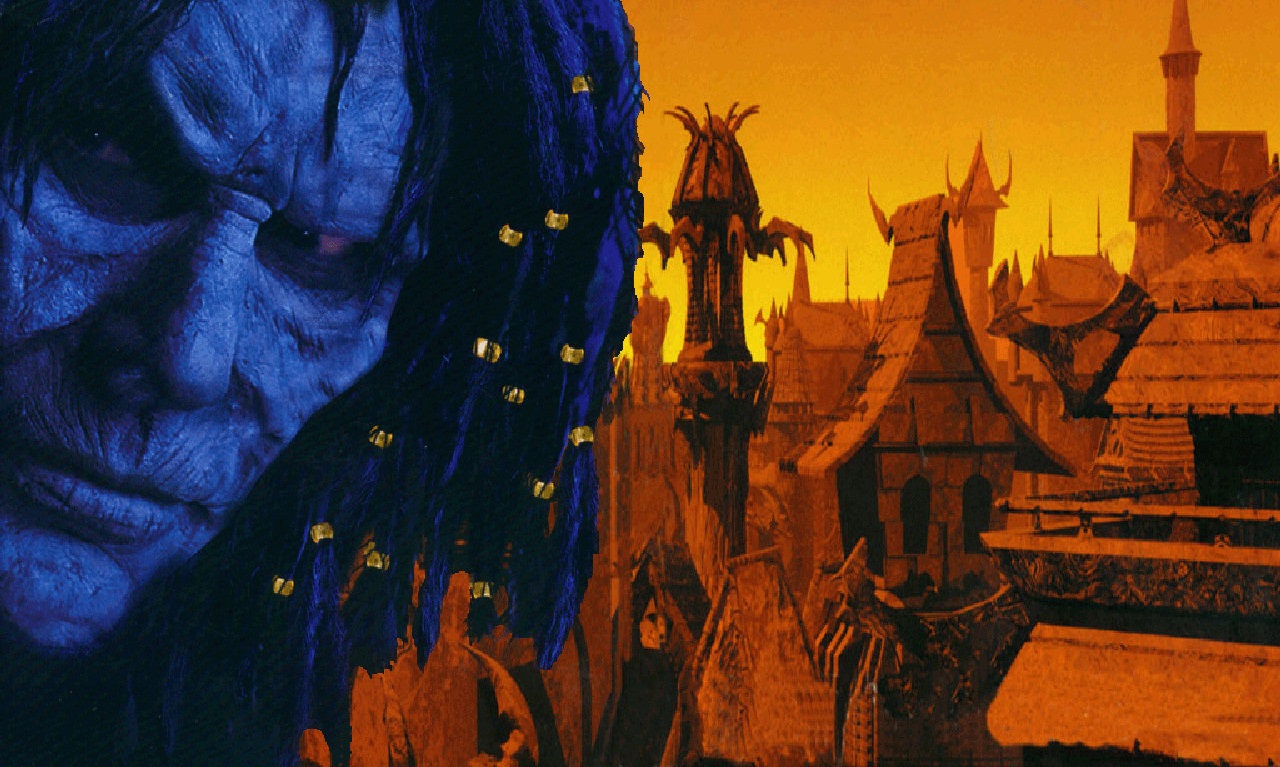
1. Planescape: Torment
Planescape: Torment didn't just tell a story; it interrogated existence itself. Released in an era often defined by high fantasy, this RPG dared to explore themes of identity, memory, and the nature of the soul with unparalleled depth. Its writing, often described as literary, pushed boundaries, proving that video games could be powerful vehicles for philosophical inquiry. The game's influence on narrative design, particularly for character-driven RPGs, remains profound, a benchmark for those seeking more than simple quest logs. It truly carved a unique niche, resonating with players who craved intellectual engagement.
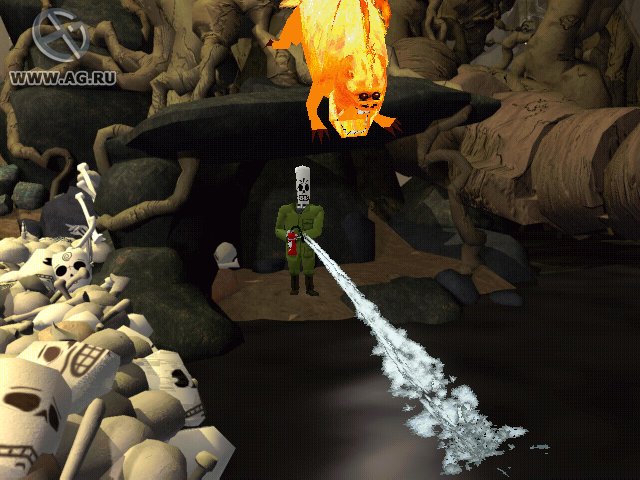
2. Grim Fandango
Grim Fandango, arriving in 1998, fused film noir with Mexican folklore, creating an aesthetic unlike anything seen before or since. Its smart, witty dialogue and memorable characters navigated a surprisingly mature story about life, death, and corruption in the Land of the Dead. While its tank controls occasionally frustrated, the game’s artistic vision and compelling narrative cemented its place as a point-and-click adventure game masterpiece. It demonstrated the power of unique cultural fusion in game design, leaving a lasting impression on how stories could be told.
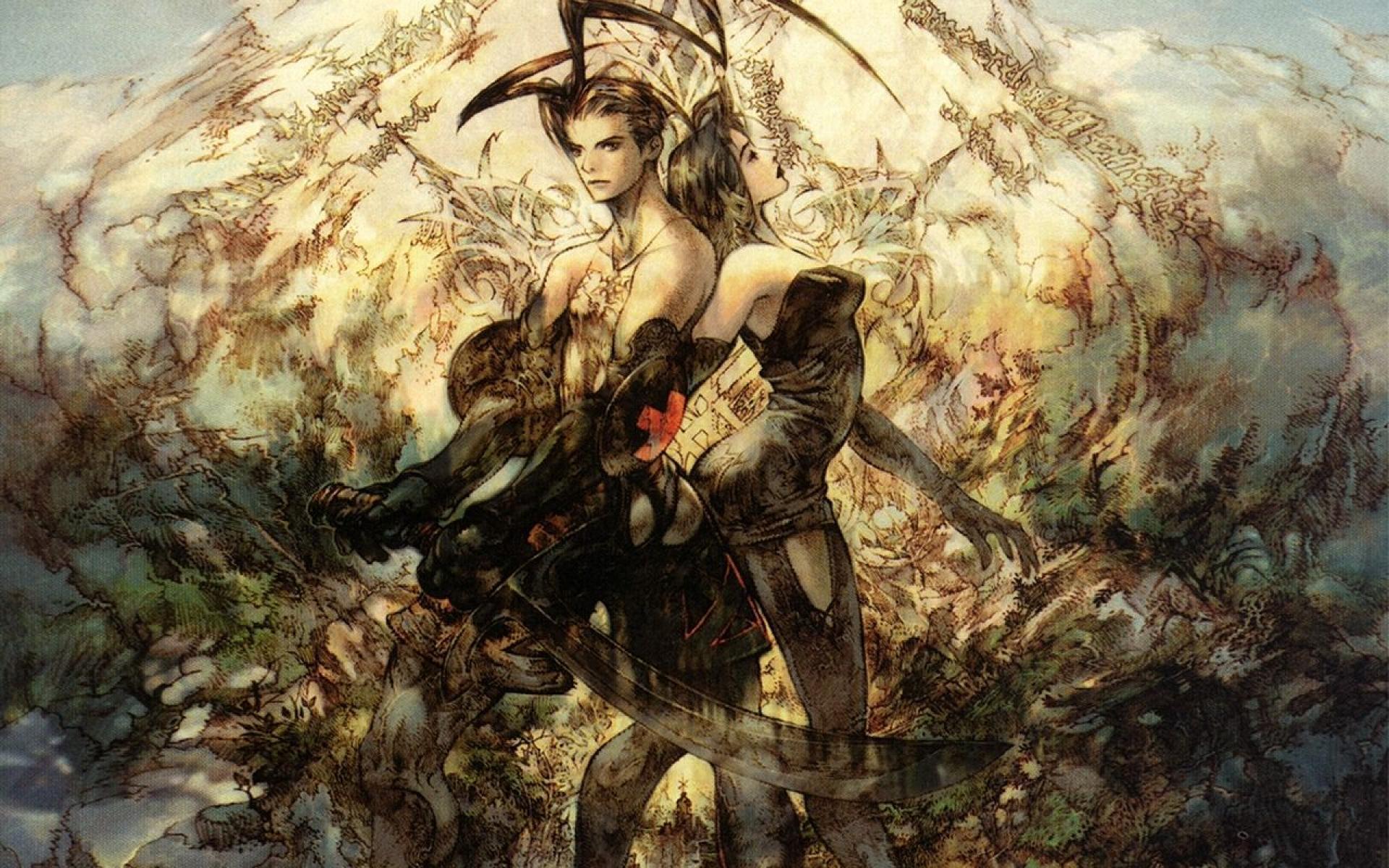
3. Vagrant Story (2000)
Vagrant Story, a 2000 PlayStation title, defied easy categorization. It offered an incredibly intricate, real-time combat system focused on targeting specific body parts and chaining attacks, alongside a deeply atmospheric, almost labyrinthine world. Its story, shrouded in political intrigue and ancient mysteries, unfolded through sparse dialogue and environmental storytelling, demanding player investment. The game’s unique blend of action, RPG mechanics, and unparalleled art direction for its era made it a cult classic, celebrated for its ambition and distinct identity that still inspires.
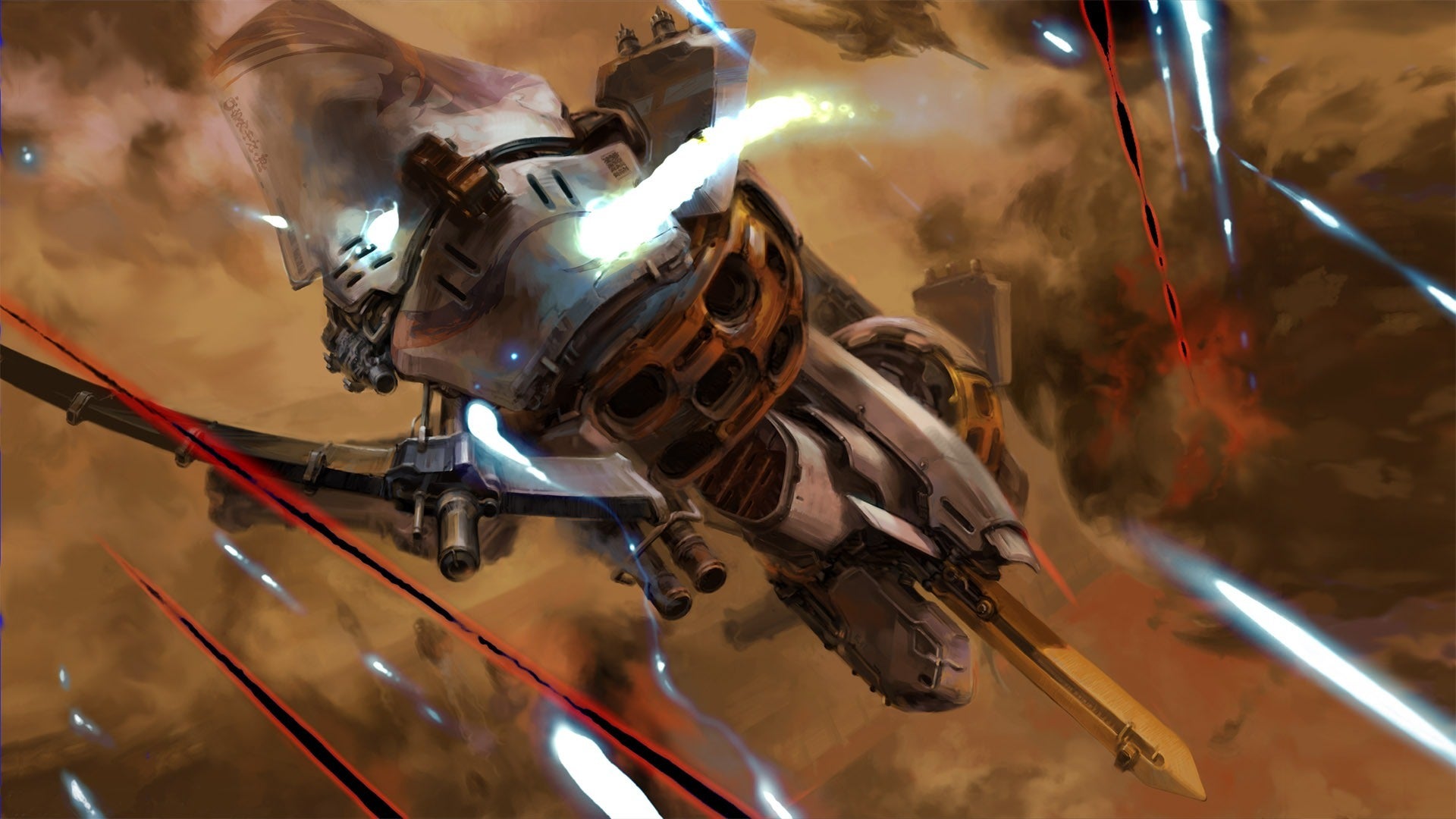
4. Ikaruga
Ikaruga, a 2001 shmup, isn't just about dodging bullets; it's a precise dance of polarity. Players absorb enemy shots of one color while being vulnerable to the other, flipping between black and white to chain combos and survive. This core mechanic elevated the genre, transforming bullet hell into a strategic puzzle. Its minimalist aesthetic and relentless difficulty pushed players to master intricate patterns, proving that innovative design could reinvigorate established genres. Its influence on modern arcade-style games, emphasizing mechanical purity, is undeniable.
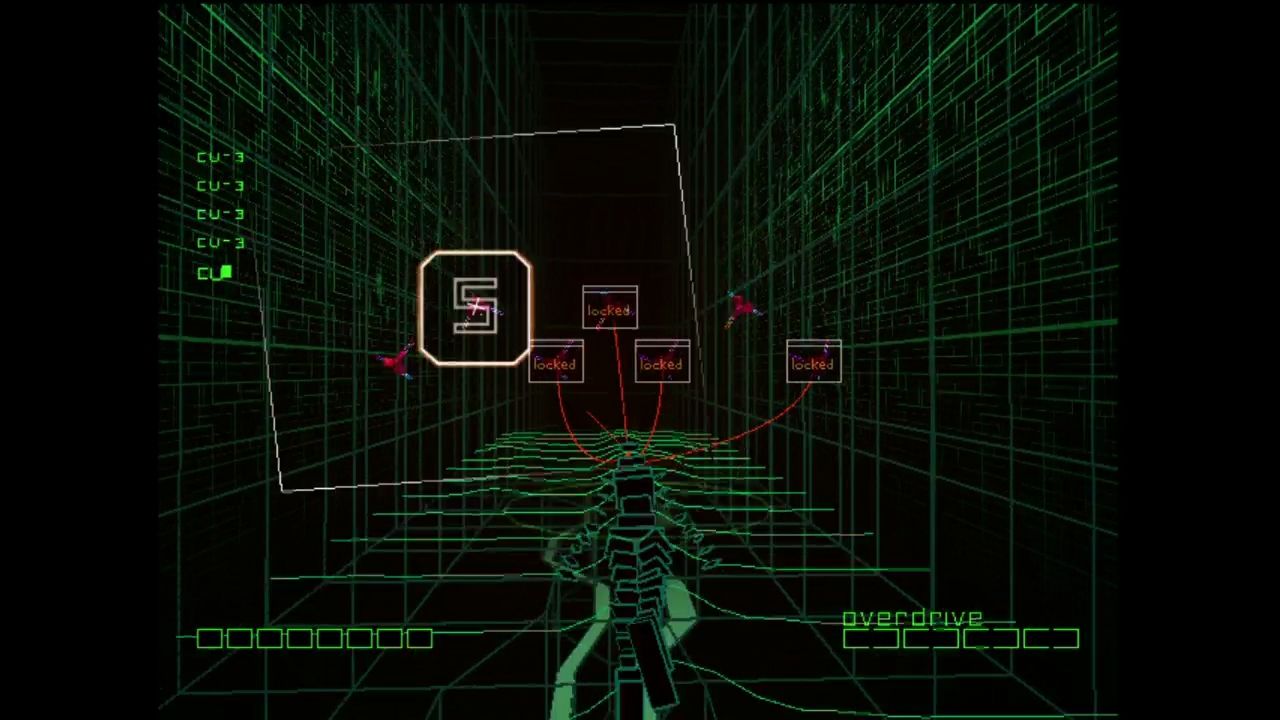
5. Rez
Rez, released in 2001, wasn't just a game; it was an experience. It pioneered synesthesia in interactive entertainment, where every action, from targeting enemies to destroying bosses, contributed to an evolving electronic soundtrack and mesmerizing visual effects. This rail-shooter transcended typical genre conventions, creating a trance-like state for players. Its fusion of sound, sight, and gameplay demonstrated the untapped potential of sensory immersion in interactive media, influencing countless rhythm and abstract art games that followed its unique, hypnotic beat.
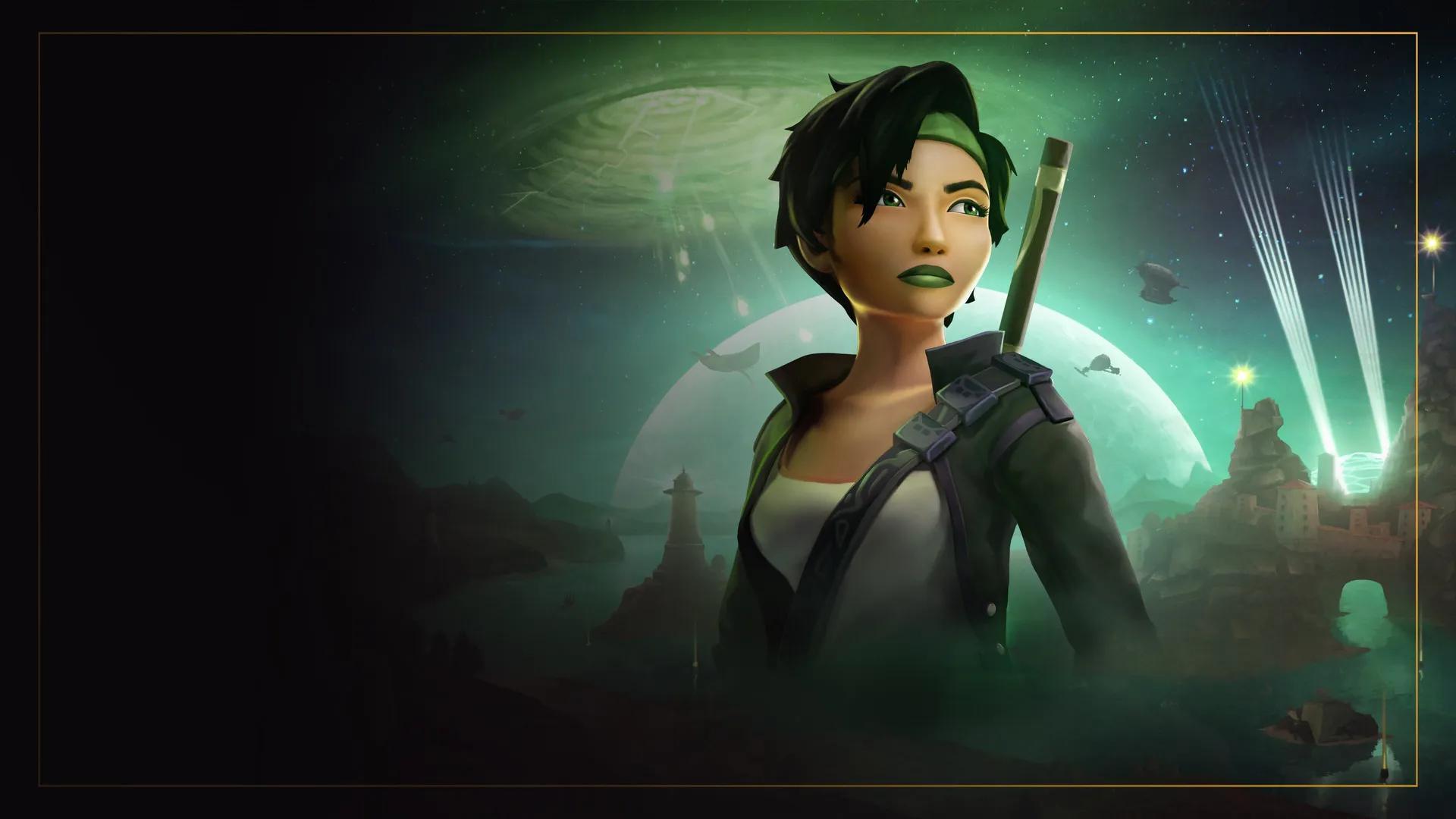
6. Beyond Good & Evil - 20th Anniversary Edition
The recent "20th Anniversary Edition" reminds us why Beyond Good & Evil, originally from 2003, endured. It wove together stealth, combat, photography, and an endearing narrative starring Jade, a photojournalist exposing government conspiracy. Its vibrant, imaginative world and strong characterizations were ahead of their time, offering a compelling critique of media manipulation. Though not a massive commercial success initially, its unique blend of gameplay and heartfelt storytelling garnered a dedicated following. Its themes of resistance and truth-seeking resonate strongly even today.
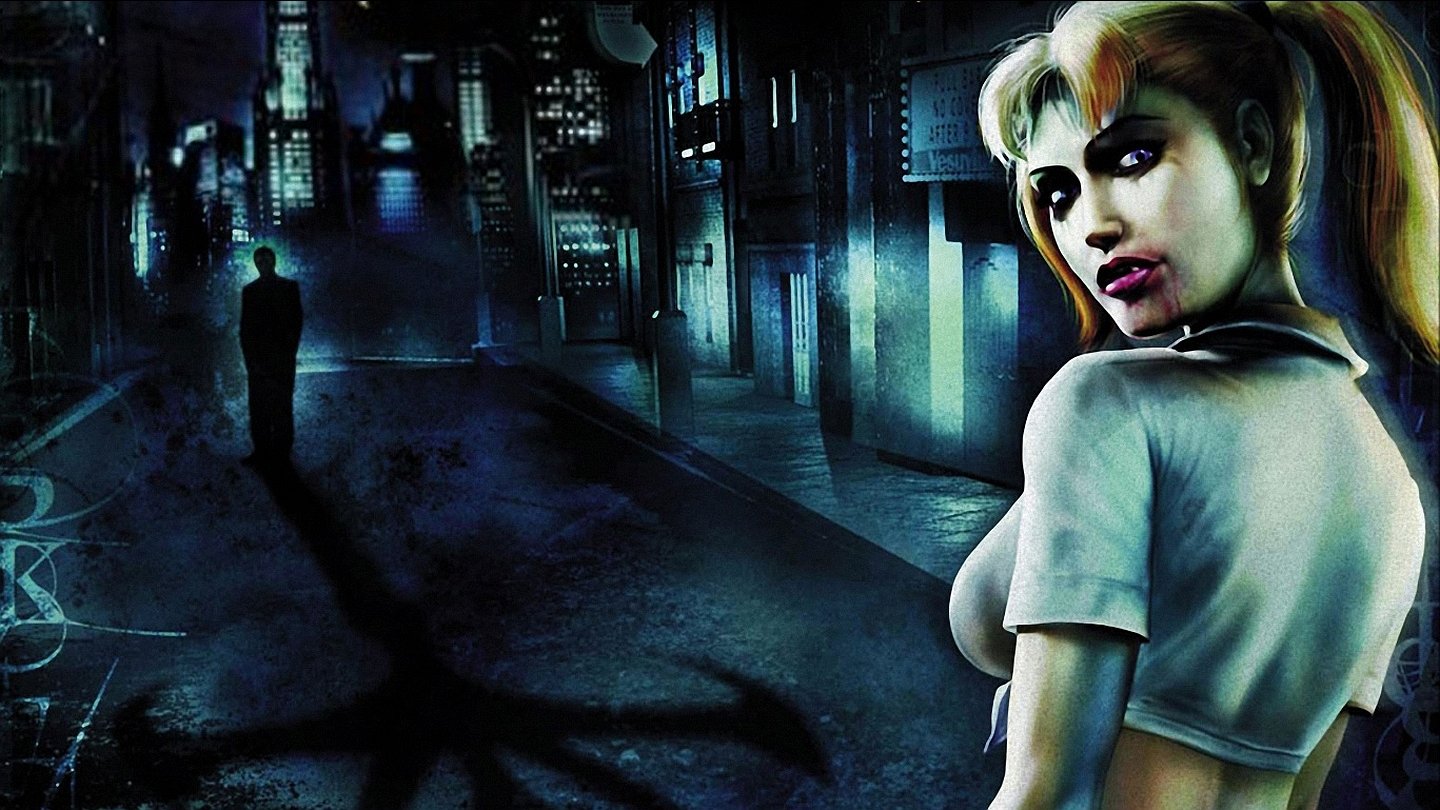
7. Vampire: The Masquerade - Bloodlines
Vampire: The Masquerade - Bloodlines, a 2004 RPG, arrived notoriously buggy, yet its ambition shone through. It offered unparalleled player freedom within its dark, atmospheric Los Angeles, shaped by intricate dialogue choices and diverse vampiric disciplines. The game’s rich narrative and deep character interaction, steeped in the World of Darkness lore, created a truly immersive role-playing experience. Its cult status grew from devoted fans patching its flaws, recognizing a masterpiece beneath the technical issues. Bloodlines remains a benchmark for reactive storytelling in RPGs.
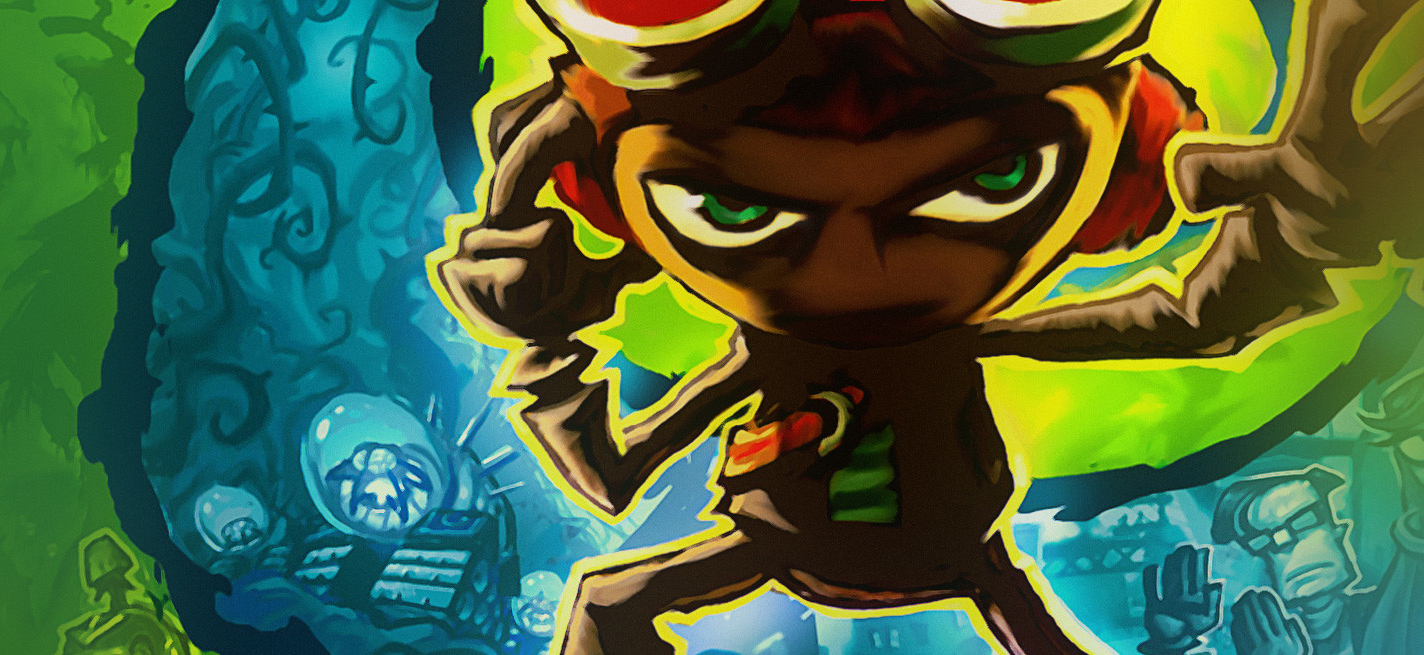
8. Psychonauts
Psychonauts, a 2005 platformer, stands as a testament to imaginative world-building. Players jump into the minds of others, each level a uniquely twisted psychological landscape reflecting the inhabitant's inner turmoil. Its sharp, witty writing, memorable characters, and innovative level design—like the Milkman Conspiracy or Waterloo World—created an experience brimming with personality. While not a commercial giant initially, its critical acclaim cemented its status. It proved that platformers could offer profound narrative depth alongside creative gameplay, leaving a distinctive cultural footprint.