


1. Gospel Train (Expanded Edition)
This expanded dive into foundational gospel lays bare the blueprint for so much. You hear the raw, unvarnished power, the spiritual fervor that eventually bled into rhythm and blues, then rock and roll. It's not just hymns; it's a primal scream and a joyful shout, a direct conduit to the soul. The additional tracks often reveal deeper grooves or alternate takes, showing the spontaneous combustion that made this music a true sonic shock, echoing through every great vocalist that followed. The very bedrock of American music.
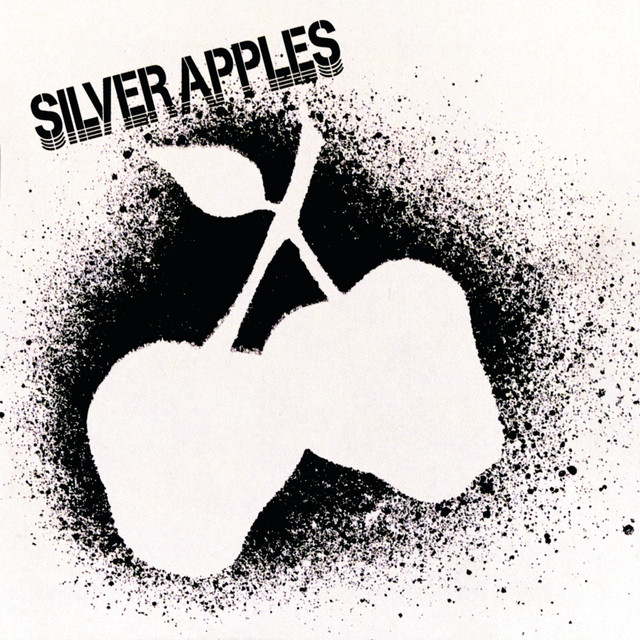
2. Silver Apples
From '68, this is where the future started buzzing. Simeon Coxe III, with his homemade oscillators and primitive drum machines, crafted a sound so utterly alien, it still sounds detached from time. It's minimalist, repetitive, and utterly hypnotic, a proto-electronic pulse that informed krautrock's motorik rhythms and industrial's stark repetition. The vocals float, almost detached, over these mechanical landscapes. This wasn't just psychedelic; it was a cold, metallic vision of a sound yet to be fully realized, a true analog shockwave.
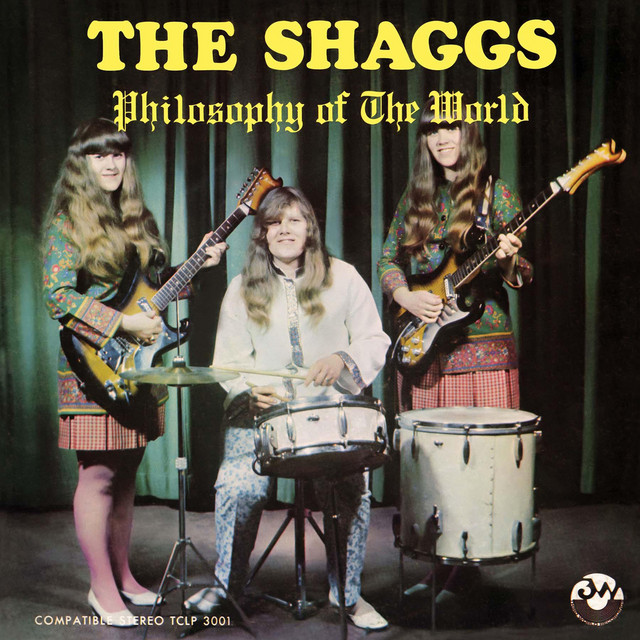
3. Philosophy of the World
The Shaggs, from 1969, are a phenomenon. This isn't polished, it isn't "good" by conventional metrics, but it possesses an unfiltered, naive genius that few ever touch. Every off-key strum, every wandering vocal, is a testament to raw, unadulterated expression. It's the ultimate outsider art, preceding punk's embrace of amateurism by years, yet utterly punk in spirit. A truly disorienting listen, it challenges every notion of musical competence, revealing a purity that's both unsettling and profoundly moving.
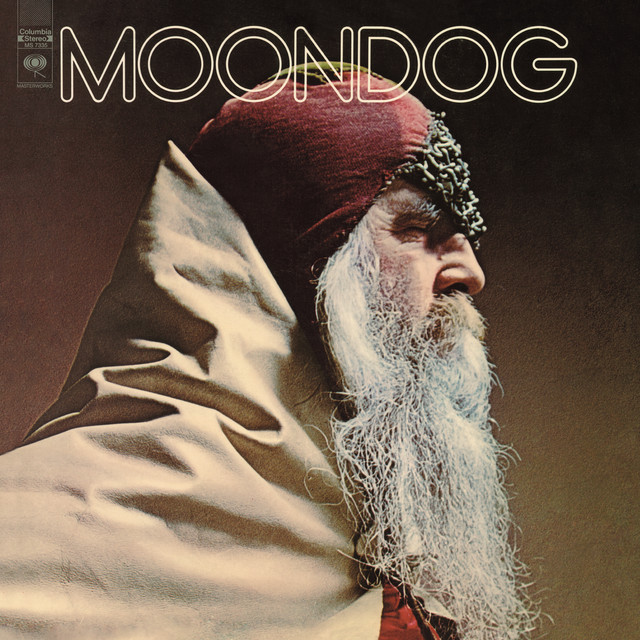
4. Moondog
The self-titled 1969 release by the "Viking of 6th Avenue" remains a marvel. Moondog's compositions, intricate and often rhythmic, blend classical structures with his unique vision of "trimba" – complex polyrhythms. It's like minimalist bebop, or a street corner Stravinsky. His approach to counterpoint and melody is utterly distinctive, often evoking a timeless, almost ancient quality despite its undeniable avant-garde nature. A true individualist, he carved out a sonic space that defies easy categorization, a quiet revolution in sound.

5. Futuresick
Though a contemporary blast, *Futuresick* channels the unbridled ferocity of early '80s hardcore and the snarling energy of '77 punk. It's a sonic sledgehammer, built on raw, overdriven guitar riffs and a relentless, pummeling rhythm section. There’s no pretense, just a visceral, almost guttural urgency that strips away adornment. It’s a shock not of novelty, but of pure, distilled aggression, proving that the foundational blueprints for raw, impactful rock still resonate, still demand attention. A primal roar for the modern age.
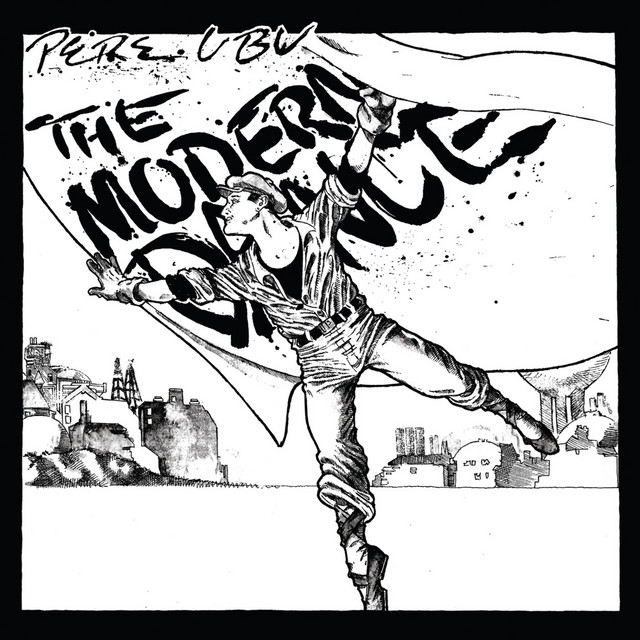
6. The Modern Dance
Pere Ubu's 1978 debut is a cornerstone of post-punk, a jagged, industrial-tinged assault on rock's conventions. David Thomas's caterwaul vocals, the clanging guitar work, and the prominent, almost avant-garde synthesizers create a disorienting, yet utterly compelling, soundscape. It's tense, angular, and relentlessly experimental, pulling from early electronic minimalism and the raw power of garage rock. This wasn't just a departure; it was a deconstruction, laying the groundwork for countless bands who sought to dismantle and rebuild popular music.
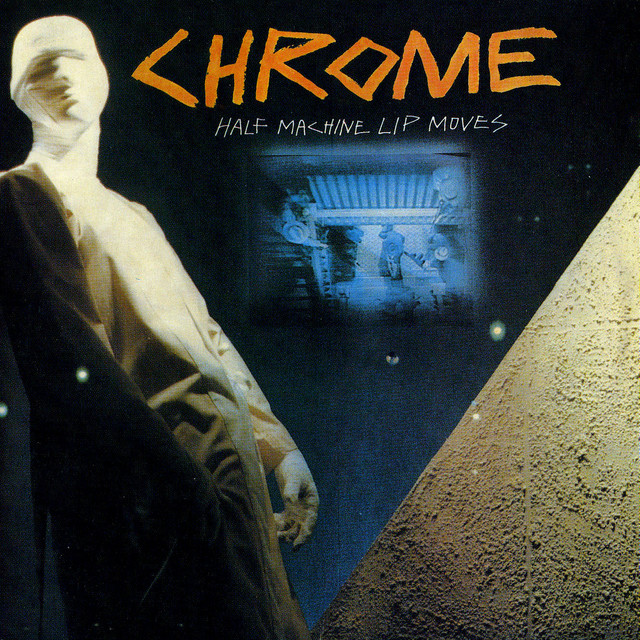
7. Half Machine Lip Moves / Alien Soundtracks
Chrome, across these two 1978/79 LPs, forged a sound so utterly deranged it still feels radioactive. They took proto-industrial noise, fused it with psychedelic guitar squall, and then doused it in a punk rock nihilism. The drum machines throb, the vocals are often buried in tape hiss, and the overall effect is one of glorious, chaotic decay. It's abrasive, visionary, and utterly uncompromising. This wasn't just experimental rock; it was a blueprint for noise, for industrial, for any music daring to be truly ugly and beautiful simultaneously.

8. Your Idol (Huntrix Version)
This *Huntrix Version* offers a contemporary electro-industrial throb that feels like it crawled out of some forgotten early '80s factory. The rhythms are stark, almost mechanical, reminiscent of Front 242 or Nitzer Ebb, but with a modern sheen that’s still deeply unsettling. It strips away melodic comforts, focusing instead on texture and relentless, percussive drive. It's a jolt of cold, hard electronic minimalism, proving the enduring power of machines to create a stark, almost confrontational sonic experience that demands a bodily response.

9. Fireside Favourites
The Bonzo Dog Doo-Dah Band, 1968, was a glorious, anarchic mess. This album is a vaudevillian explosion filtered through a psychedelic lens, taking the absurdity of early jazz and novelty records and weaponizing it with proto-punk attitude. It’s witty, chaotic, and utterly unpredictable, a delightful subversion of pop music norms. You hear echoes of Frank Zappa, but with a distinctly British, surrealist bent. It's a joyful, jarring shock, proving that experimentation could be both intelligent and riotously funny.

10. A Very Carper Christmas
This modern holiday offering, while not from the "analog age," presents its own kind of shock. It's a deliberate, almost perverse dive into the saccharine, a calculated kitsch that echoes the manufactured sentimentality of mid-century holiday records, but with a knowing wink. The arrangements are often unexpectedly sparse or strangely layered, creating a mild dissonance. It’s less about a grand sonic revelation and more about the jarring juxtaposition of earnest jingle bells with a subtle, almost unsettling, contemporary production. A festive oddity.