1 / 8
1. Grand Theft Auto V
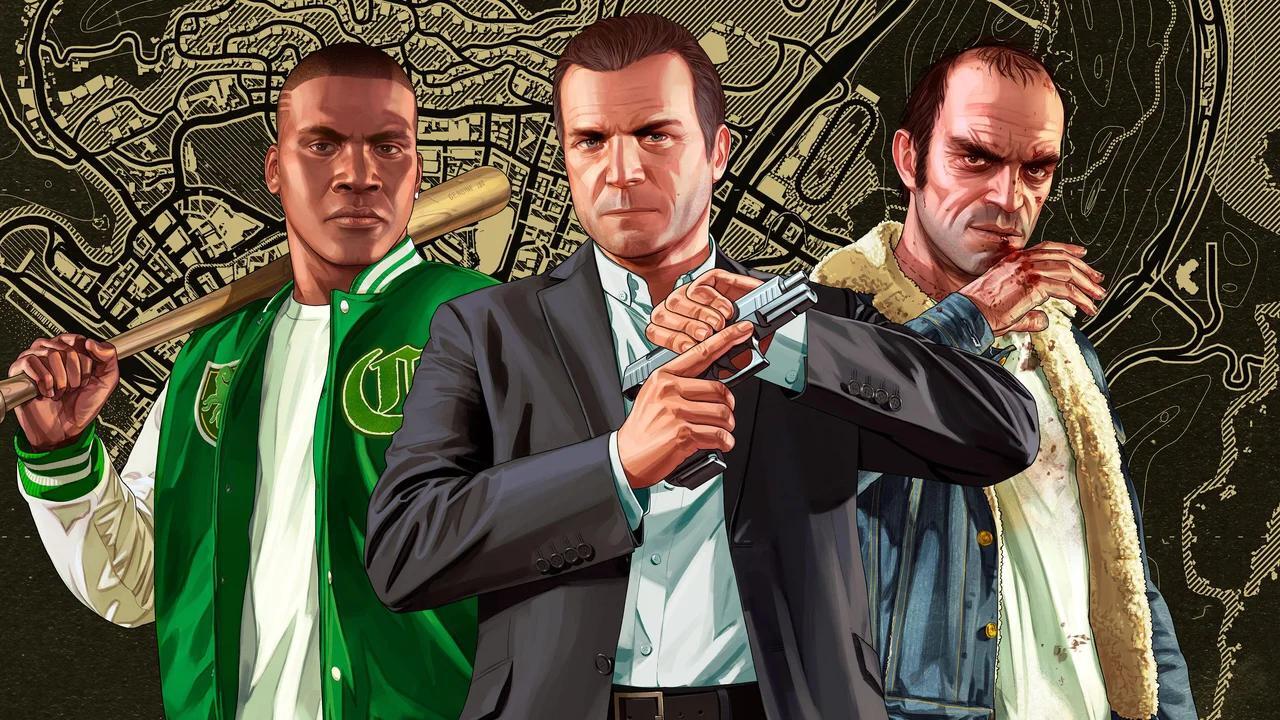
Rockstar's sprawling open-world opus always courts trouble, and GTA V was no exception. Its depiction of violence, particularly a contentious torture scene, sparked predictable outrage from media watchdogs and moral crusaders. Yet, the game's biting satire and commercial success underscored a growing chasm: what society found shocking, players often saw as commentary, or simply entertainment. It proved, once again, that video games were a potent mirror, albeit a distorted one, reflecting and amplifying cultural anxieties. The controversy just cemented its iconic status.
2 / 8
2. No Man's Sky
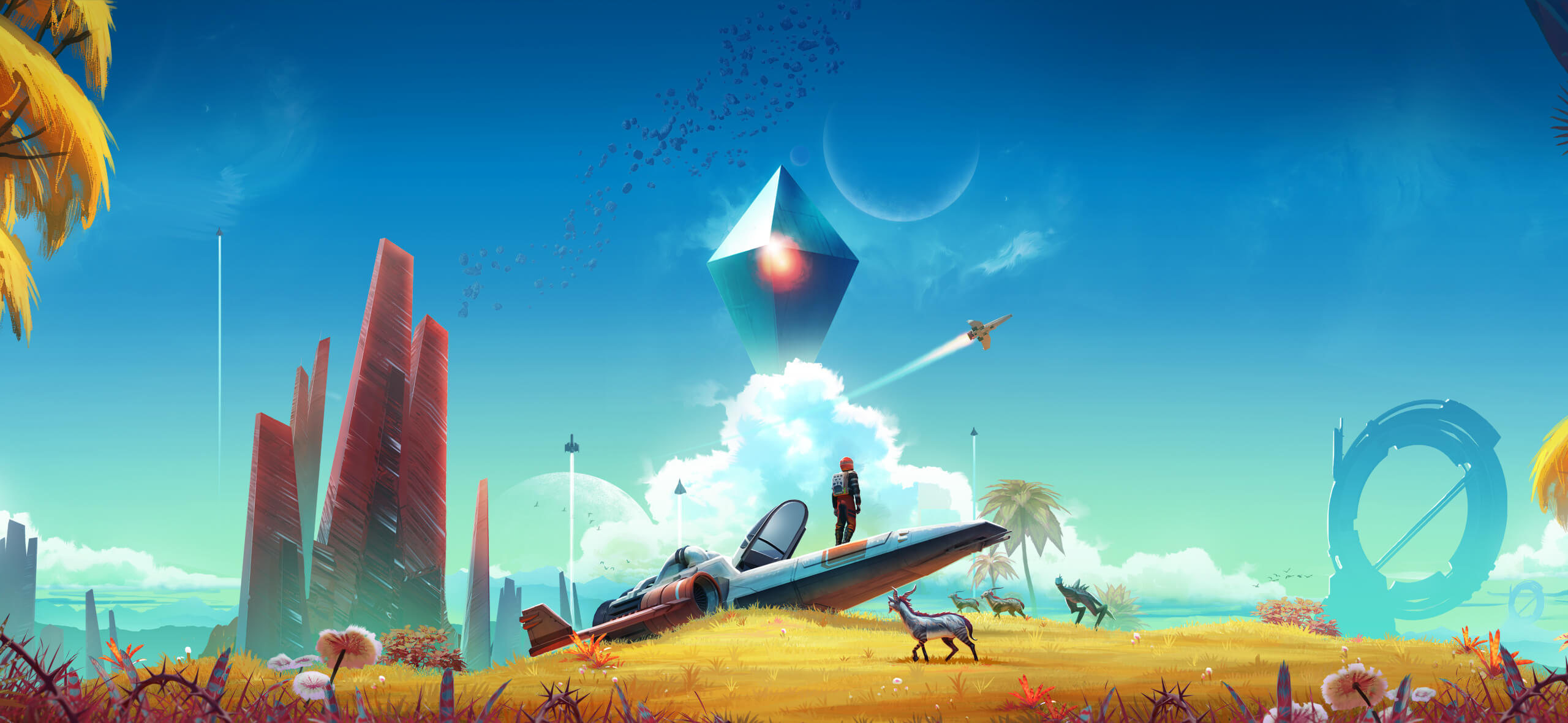
Ah, No Man's Sky. Few games have sailed into such a storm of hype, only to crash so spectacularly upon release. Promising infinite discovery and unparalleled freedom, the initial launch felt barren, missing features eagerly discussed by its developers. The ensuing backlash was fierce, a potent lesson in managing expectations and the dangers of over-promising. However, the remarkable turnaround through years of dedicated updates transformed it into a redemption story, proving that even the most damaged reputations can be rebuilt, byte by painful byte.
3 / 8
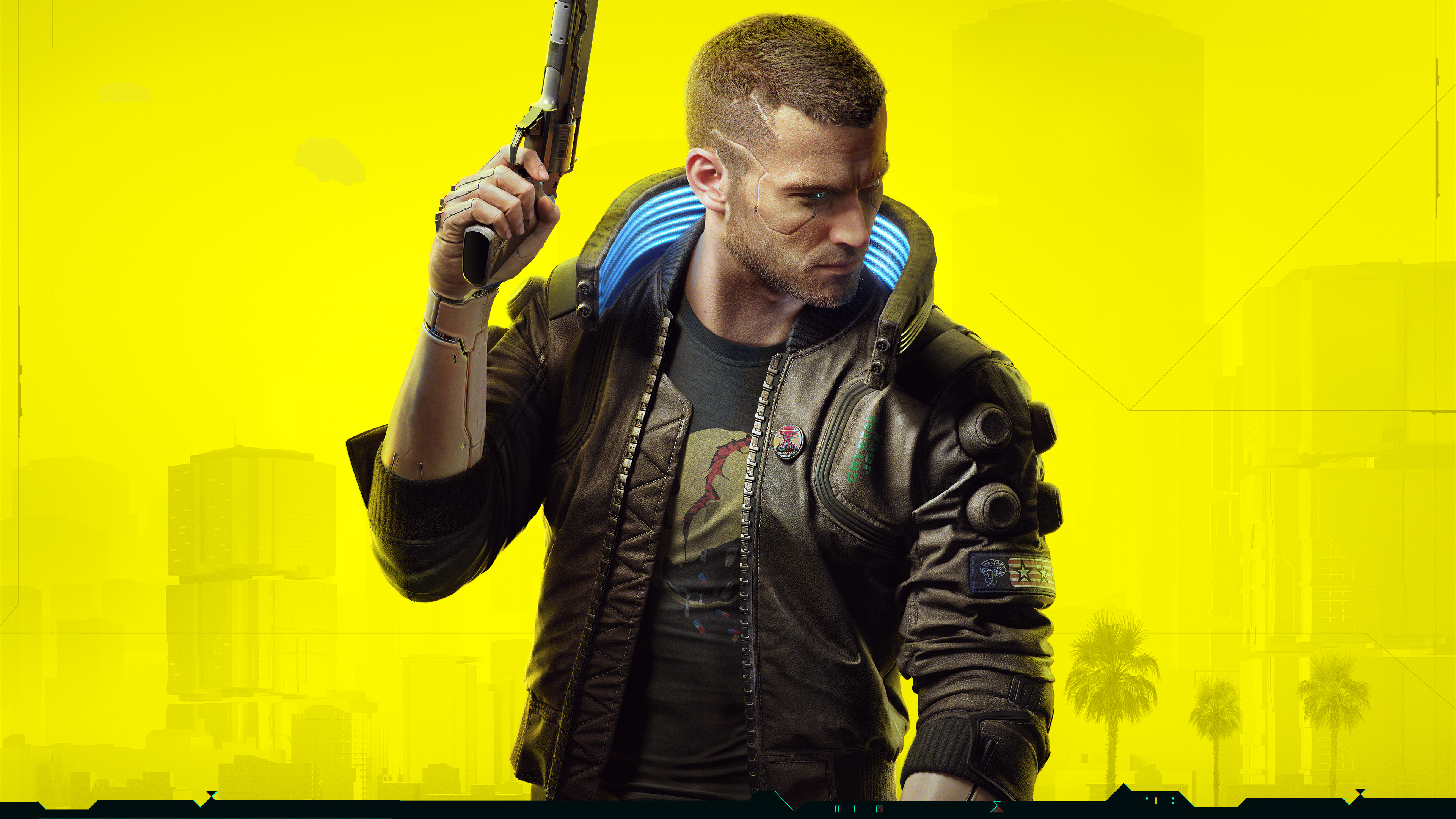
3. Cyberpunk 2077
The anticipation for Cyberpunk 2077 was astronomical, fueled by CD Projekt Red's stellar reputation. But the launch was a spectacular train wreck, especially on base consoles. Performance issues, rampant bugs, and misleading marketing led to refunds, delistings, and a profound erosion of trust. It wasn't just a game release; it was a cautionary tale about unchecked hype and corporate pressure, exposing the fragility of consumer faith. The ensuing scramble to patch and fix served as a stark reminder of the industry's often-flawed development cycles.
4 / 8
4. Mortal Kombat
Before the ESRB, there was Mortal Kombat. Its gruesome fatalities, a visual spectacle of spine rips and heart extractions, didn't just push boundaries; they obliterated them. The arcade classic ignited a firestorm of parental concern and political debate, directly leading to congressional hearings on video game violence. This wasn't just about a game; it was about the very legitimacy of the medium. Ultimately, the controversy forced the industry to self-regulate, giving birth to the rating systems we now take for granted.
5 / 8
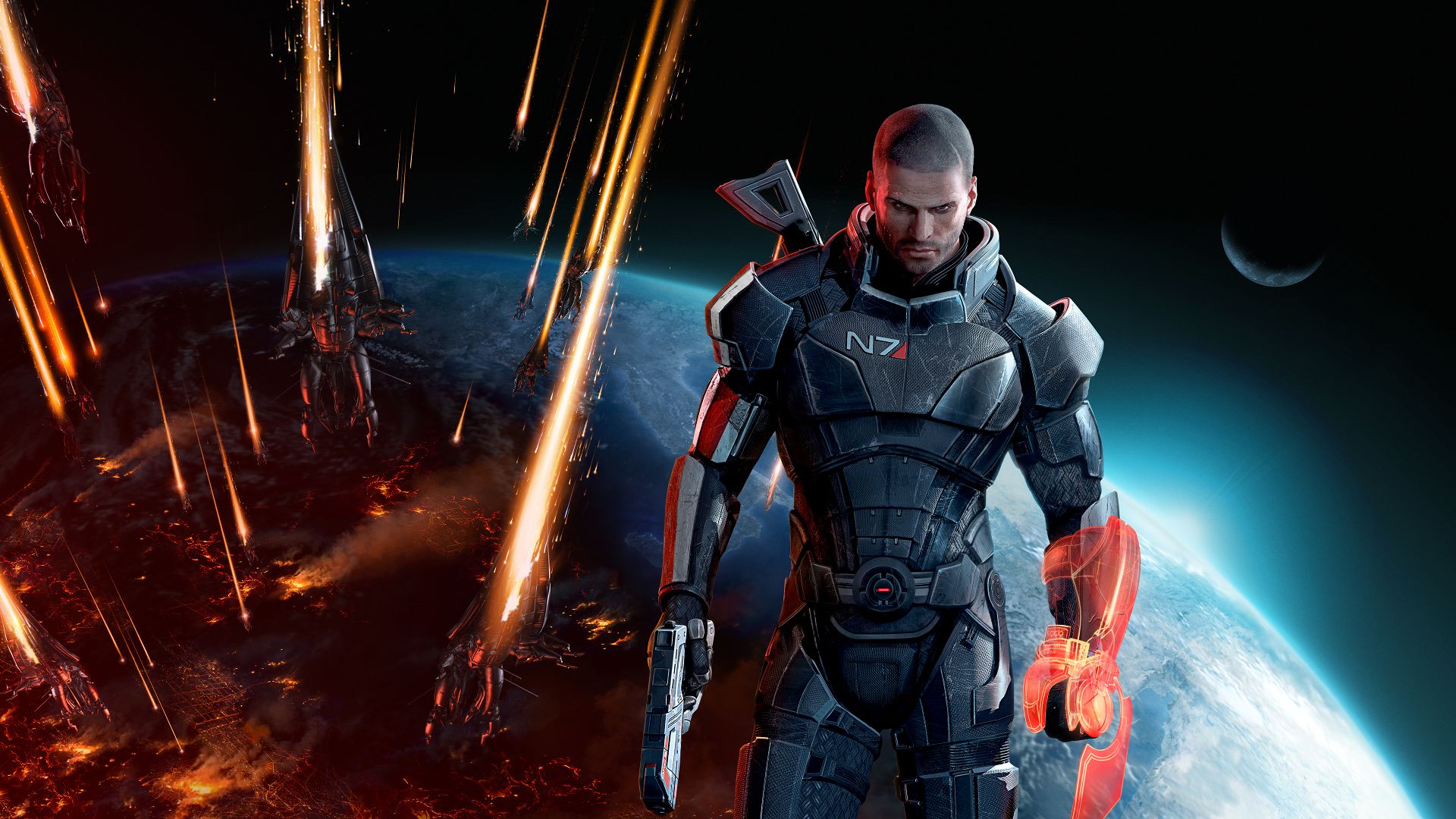
5. Mass Effect 3
The ending of Mass Effect 3 remains a case study in fan entitlement and developer response. After hundreds of hours guiding Commander Shepard, players felt betrayed by a trio of largely identical, unsatisfying conclusions. The outrage was unprecedented, leading to petitions, charity drives, and intense online discourse. BioWare's eventual release of an "Extended Cut" DLC, altering and clarifying the endings, marked a significant moment. It showed the power of a dedicated fanbase, but also questioned where creative control truly lies.
6 / 8
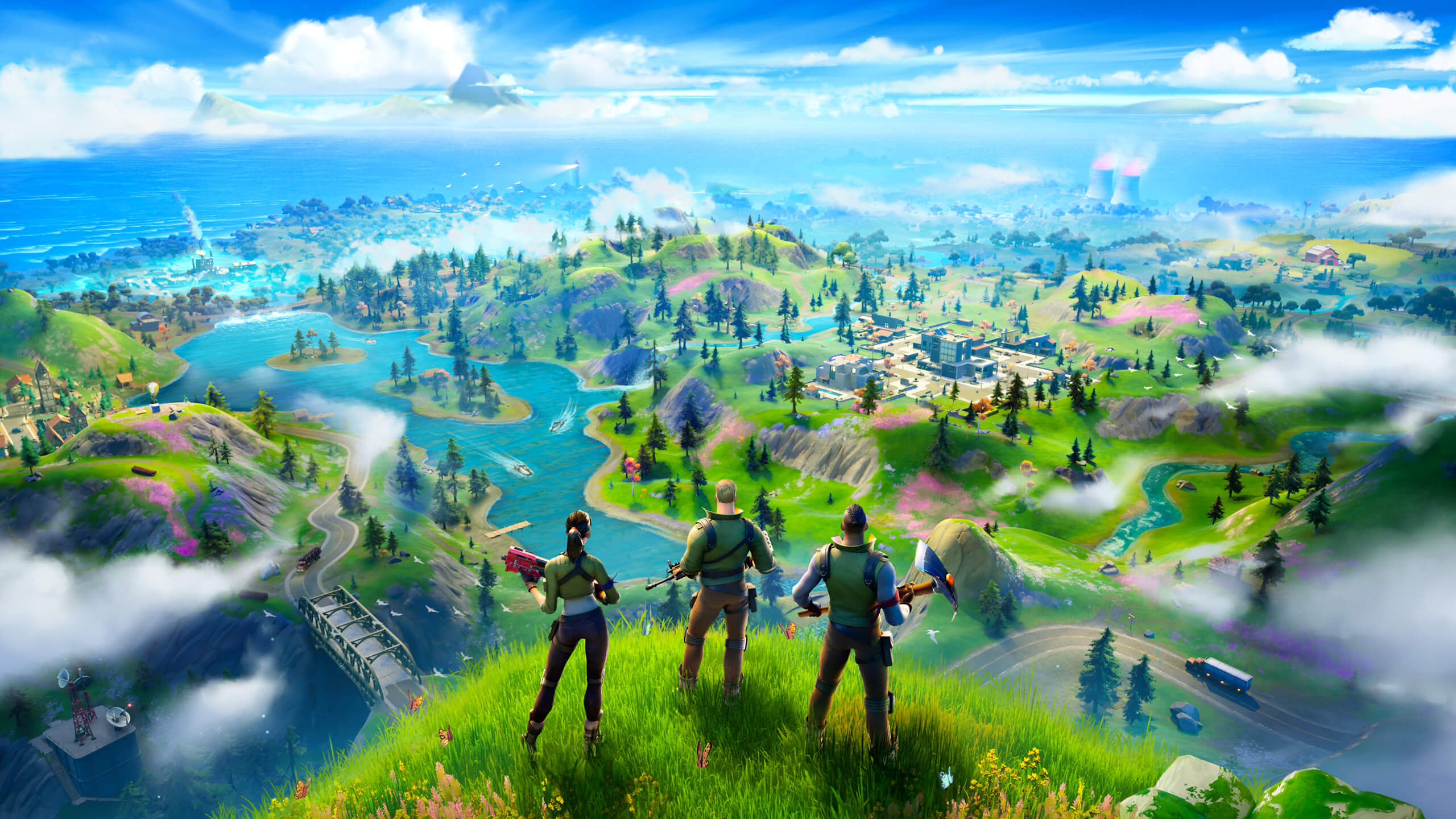
6. Fortnite Battle Royale
Fortnite wasn't merely a game; it became a global phenomenon, a digital playground for millions. Its free-to-play model, coupled with addictive battle royale mechanics and constant updates, drew in unprecedented numbers, especially younger players. The controversy wasn't about violence, but rather its perceived addictiveness, the psychological impact on children, and the ethics of its cosmetic-driven monetization. It forced conversations about screen time, parental controls, and the pervasive influence of games on contemporary youth culture.
7 / 8
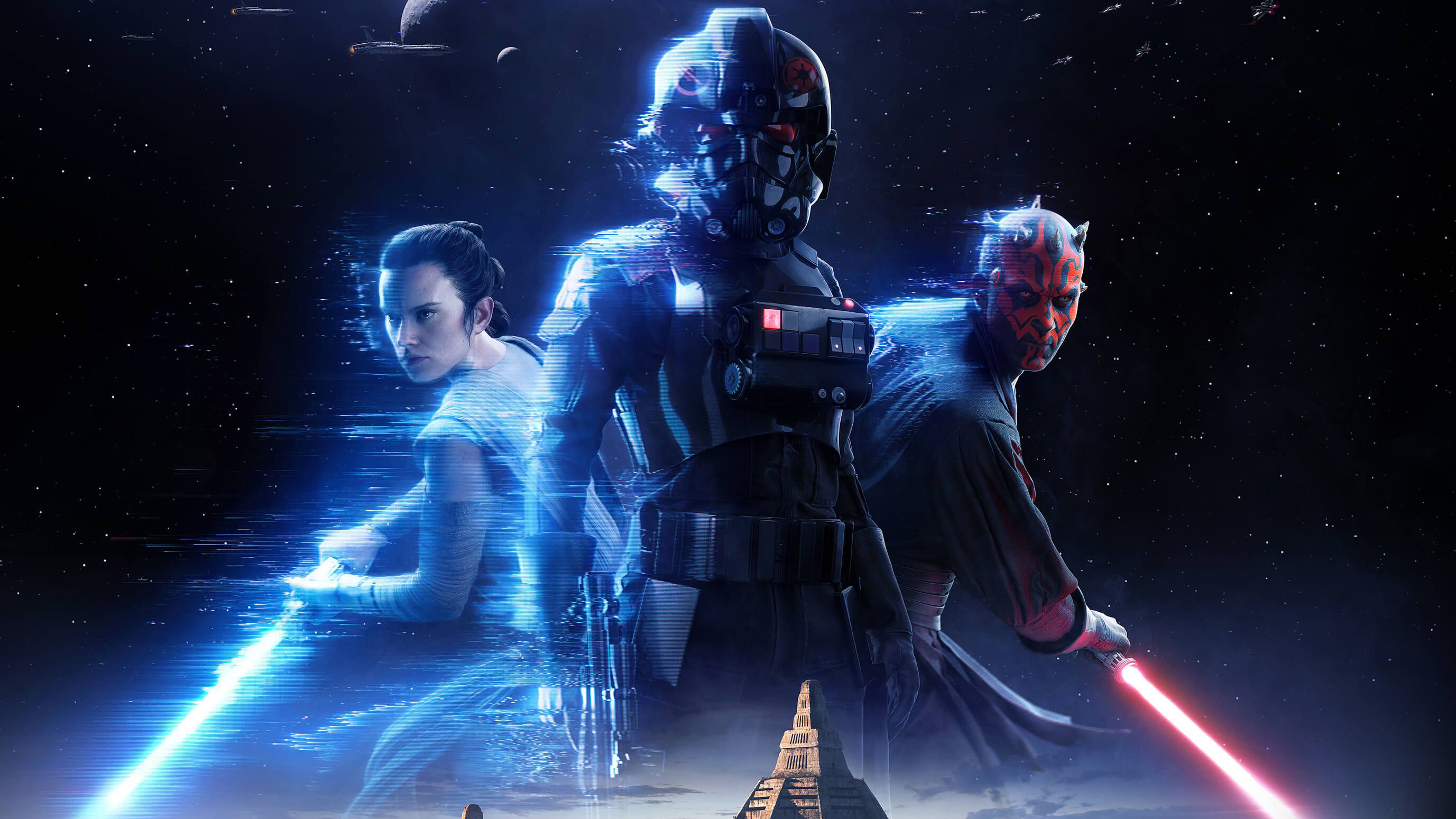
7. STAR WARS Battlefront II
Electronic Arts found itself in the crosshairs with STAR WARS Battlefront II, not for gameplay, but for its predatory monetization. The game's progression system was inextricably linked to loot boxes, making it feel distinctly pay-to-win. The outrage, amplified by the beloved Star Wars brand, was immense, leading to widespread condemnation, government investigations into loot box legality, and a public relations nightmare for EA. It became a flashpoint, crystallizing player resentment towards aggressive microtransactions.
8 / 8
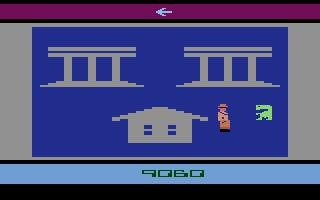
8. E.T. the Extra-Terrestrial
E.T. for the Atari 2600 is less a game and more a historical artifact of failure. Rushed to market, it was universally panned for its confusing gameplay and technical shortcomings. The ensuing commercial disaster contributed significantly to the infamous video game crash of 1983, a dark age for the industry. The legend of millions of unsold cartridges being buried in a New Mexico landfill wasn't just a rumor; it was a testament to how badly a beloved license could be mishandled, almost sinking an entire medium.