
1 / 12

1. Chameleon
Herbie Hancock's "Chameleon" from *Head Hunters* is a masterclass in jazz-funk fusion, its legendary bassline a primal pulse. Recorded with analog warmth, the track’s interlocking grooves and improvisational spirit showcase virtuosity while maintaining an irresistible danceability. It's a testament to how complex musicality could translate into mainstream appeal, bridging sophisticated jazz structures with raw, infectious funk. The track’s innovative use of synthesizers alongside acoustic instruments defined a sound.
2 / 12

2. Eyes Across the Moon (Remixes)
While perhaps a New Order B-side from the '80s, the "Remixes" aspect evokes the burgeoning club culture that transformed tracks. Before digital workstations, these reworkings often involved tape edits, dub delays, and re-sequencing, creating extended sonic journeys. It speaks to a time when DJs and producers carved new dimensions from existing material, using analog gear to craft hypnotic, spacious grooves that were central to post-disco and early electronic dance music’s evolution.
3 / 12

3. Blue Monday
New Order’s "Blue Monday" remains the quintessential 12-inch single, a stark, propulsive statement born from the post-punk ashes. Its meticulous drum machine programming, iconic synth bass, and icy atmospherics laid the blueprint for electronic dance music. Recorded on analog equipment, the track’s cold precision and emotional depth proved that machines could possess soul, defining an era where synthesizers moved from novelty to essential instrumentation for pop and club culture.
4 / 12
4. A Forest
The Cure’s "A Forest" is a foundational pillar of darkwave, an immersive journey into melancholic atmosphere. Robert Smith's haunting guitar arpeggios, layered with shimmering chorus and cavernous reverb, create a sonic landscape both vast and intimate. Captured with pre-digital studio techniques, its mood is palpable, a masterclass in building tension and emotional weight through texture rather than sheer volume. It perfectly encapsulates the introspective, gothic side of post-punk.
5 / 12
5. Love Sensation
Loleatta Holloway’s "Love Sensation" is a towering achievement in disco and post-disco, powered by her electrifying vocal performance. Produced with raw, analog energy, its dynamic arrangement, driving bassline, and soaring strings epitomize the genre's grandeur. Crucially, its iconic vocal sample became a cornerstone of early house music, demonstrating how pre-digital recordings could be recontextualized to ignite entirely new electronic subgenres, immortalizing its soulful power.
6 / 12

6. TOP ITALIAN TRADITIONAL SONGS
Considering the era, "traditional Italian songs" for a 1980s critic often meant the emergent, highly stylized Italo Disco. Characterized by its driving electronic rhythms, distinctive synth melodies, and often dramatic vocals, Italo Disco became Italy's unique contribution to global dance culture. These pre-digital productions, often crafted in small, independent studios, showcased innovative use of synthesizers and drum machines, forming a distinct, influential sound tradition that reverberated across clubs worldwide.
7 / 12
7. Head Hunters
Herbie Hancock’s *Head Hunters* album redefined jazz-fusion, injecting raw funk and psychedelic textures into the genre's improvisational framework. Recorded with a deep understanding of analog studio dynamics, its grooves were both complex and undeniably infectious. The album’s adventurous arrangements, propelled by slap bass and pioneering synthesizer work, proved that jazz could embrace accessible rhythms without sacrificing artistic integrity, influencing generations of funk, R&B, and electronic artists.
8 / 12
8. The Pearl
Harold Budd and Brian Eno’s *The Pearl* is an ambient masterpiece, a testament to the evocative power of carefully crafted soundscapes. Its delicate piano phrases, submerged in Eno’s signature analog treatments and subtle sonic washes, create an atmosphere of serene melancholy. This pre-digital recording emphasizes space, texture, and sustained tonal beauty, demonstrating how the studio itself could become an instrument, sculpting ethereal worlds designed for deep listening and contemplation.
9 / 12
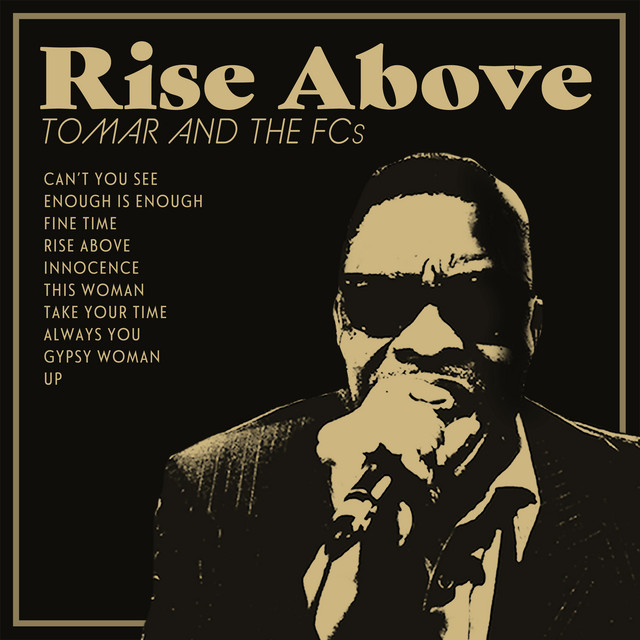
9. Rise Above
Black Flag’s "Rise Above" from *Damaged* is a blistering, visceral declaration of hardcore punk’s ethos. Raw, unpolished, and delivered with seething intensity, its power comes from its uncompromising aggression and directness. Recorded with minimal fuss in analog studios, the track captures the furious energy of a band pushing against societal norms, distilling frustration into pure, unadulterated sonic attack. It's an essential, foundational blast of pre-digital rebellion.
10 / 12

10. Kashmir (Live from Knebworth, 1979)
Led Zeppelin's "Kashmir" from Knebworth '79 is a monumental live document, capturing the band's epic grandeur in a pre-digital era. The sheer scale of the performance, with its iconic riff, symphonic scope, and Plant's commanding vocals, is amplified by the raw energy of the analog recording. It’s a powerful reminder of rock music’s primal impact when experienced live, showcasing a band at the peak of their prowess, resonating through massive sound systems.
11 / 12

11. Atomic Dog
George Clinton’s "Atomic Dog" is P-Funk at its most audacious and infectious. Its deep, psychedelic groove, synthesized vocals, and playful yet complex arrangements showcase a masterful command of analog studio trickery. The track’s iconic bassline and catchy hooks make it an undeniable party anthem, a testament to Clinton's genius in blending funk, R&B, and experimental soundscapes into something wholly unique and enduringly influential, a true pre-digital funk landmark.
12 / 12
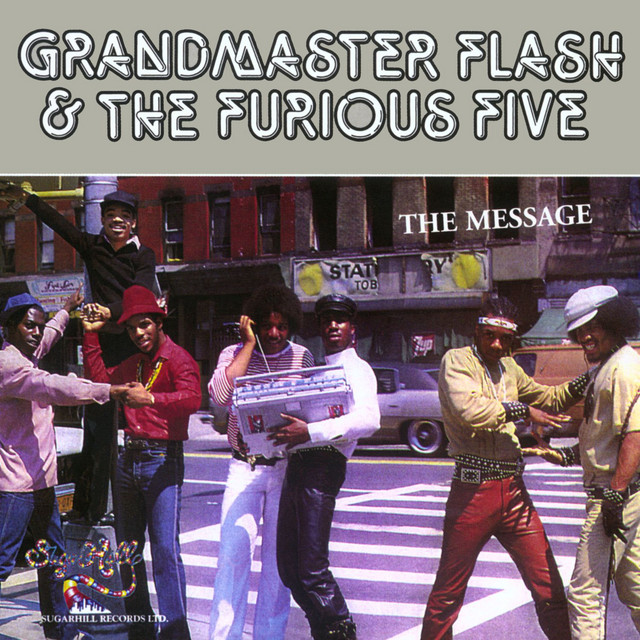
12. The Message
Grandmaster Flash & The Furious Five’s "The Message" was a seismic shift in early rap, transforming the genre from party anthems to potent social commentary. Its stark, minimalist beat, created with rudimentary drum machines and analog samples, provided a gritty backdrop for Melle Mel’s unflinching lyrics. This pre-digital production proved that raw rhythmic patterns and street-level poetry could articulate profound truths, laying the groundwork for conscious hip-hop and cementing rap’s artistic credibility.