
1 / 8
1. Super Mario Bros.
Before Pong, video games were largely a novelty, confined mostly to labs. This simple, two-dimensional tennis simulation, however, took the arcade world by storm. It wasn't just a game; it was an invitation, a clear demonstration of interactive entertainment's commercial viability. Pong proved that digital play could capture imaginations and dollars, setting the foundational blueprint for an entire industry that would soon reshape leisure time globally. Its minimalist design belied its massive cultural impact.
2 / 8
2. The Legend of Zelda: Ocarina of Time
The genius of Tetris lies in its universal appeal, transcending language and culture with falling blocks. Conceived in Soviet Russia, its addictive puzzle mechanics made it a killer app for the Game Boy, transforming portable gaming into a mainstream phenomenon. It taught us that complex satisfaction could come from simple rules and infinite replayability. Tetris proved that a game didn't need elaborate narratives or graphics to become a global obsession, only pure, elegant design.
3 / 8

3. DOOM (2016)
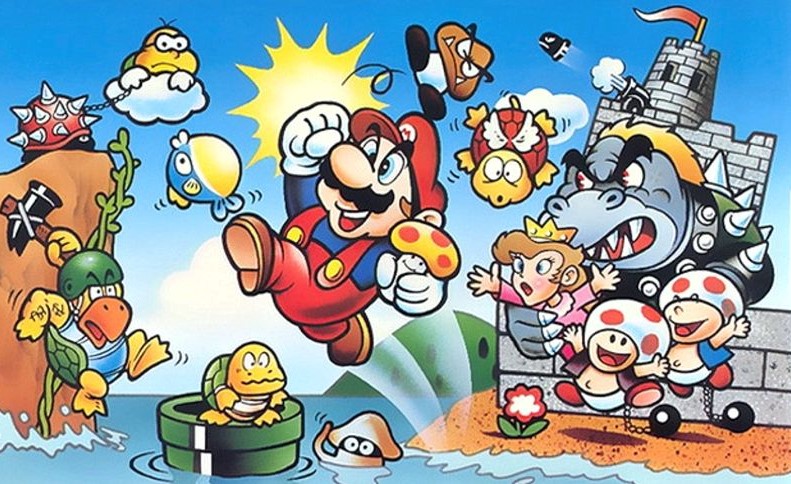
Mario's debut on the NES wasn't just a game; it was a cultural reset for the industry after the 1983 crash. Its vibrant world, precise platforming, and innovative level design established many conventions we now take for granted. It showed how a character could become an icon, how secrets could reward exploration, and how a game could feel truly expansive despite technical limitations. This title didn't just save gaming; it defined an era and set new standards for joyous interaction.
4 / 8
4. Grand Theft Auto III
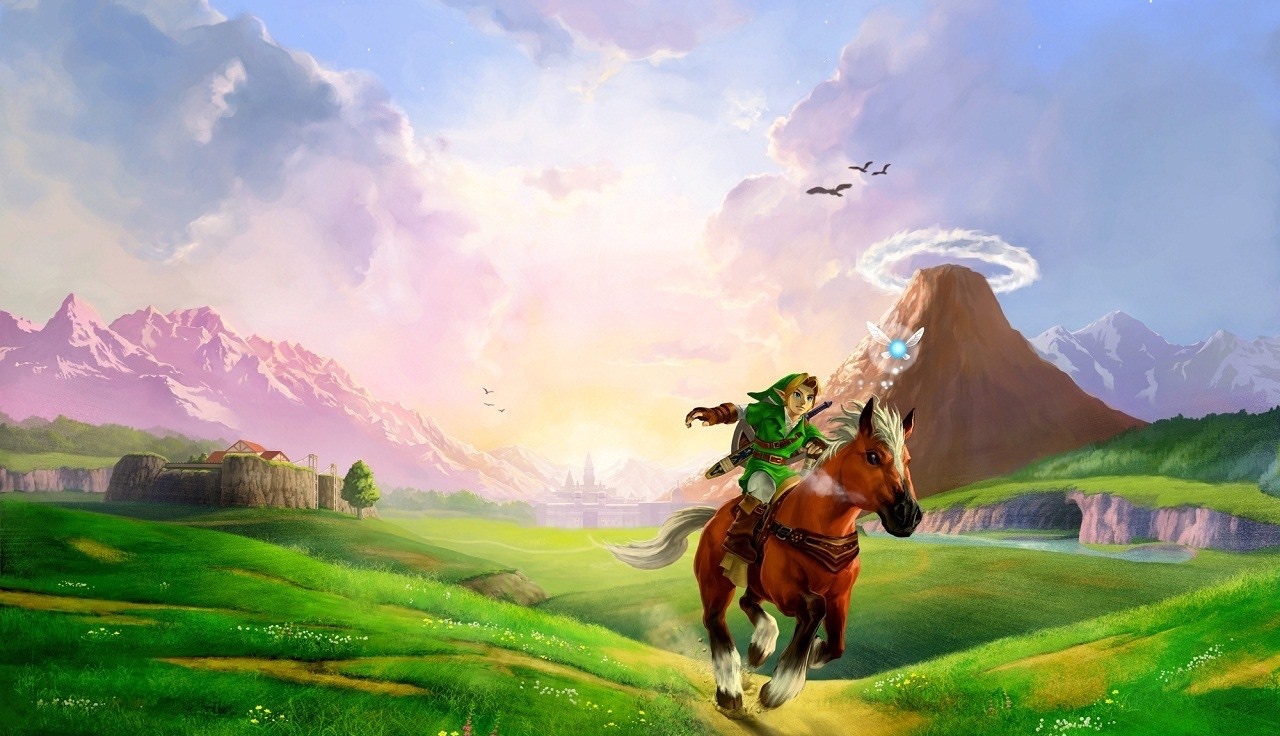
Ocarina of Time didn't just translate action-adventure into 3D; it authored the playbook. Its Z-targeting system, contextual button prompts, and seamless world design became industry standards. The sense of epic scope, the intertwining of time travel and narrative, and the emotional resonance of its story captivated millions. It demonstrated how deeply players could connect with a digital world and its inhabitants, defining what a truly immersive, grand 3D adventure could be.
5 / 8

5. World of Warcraft
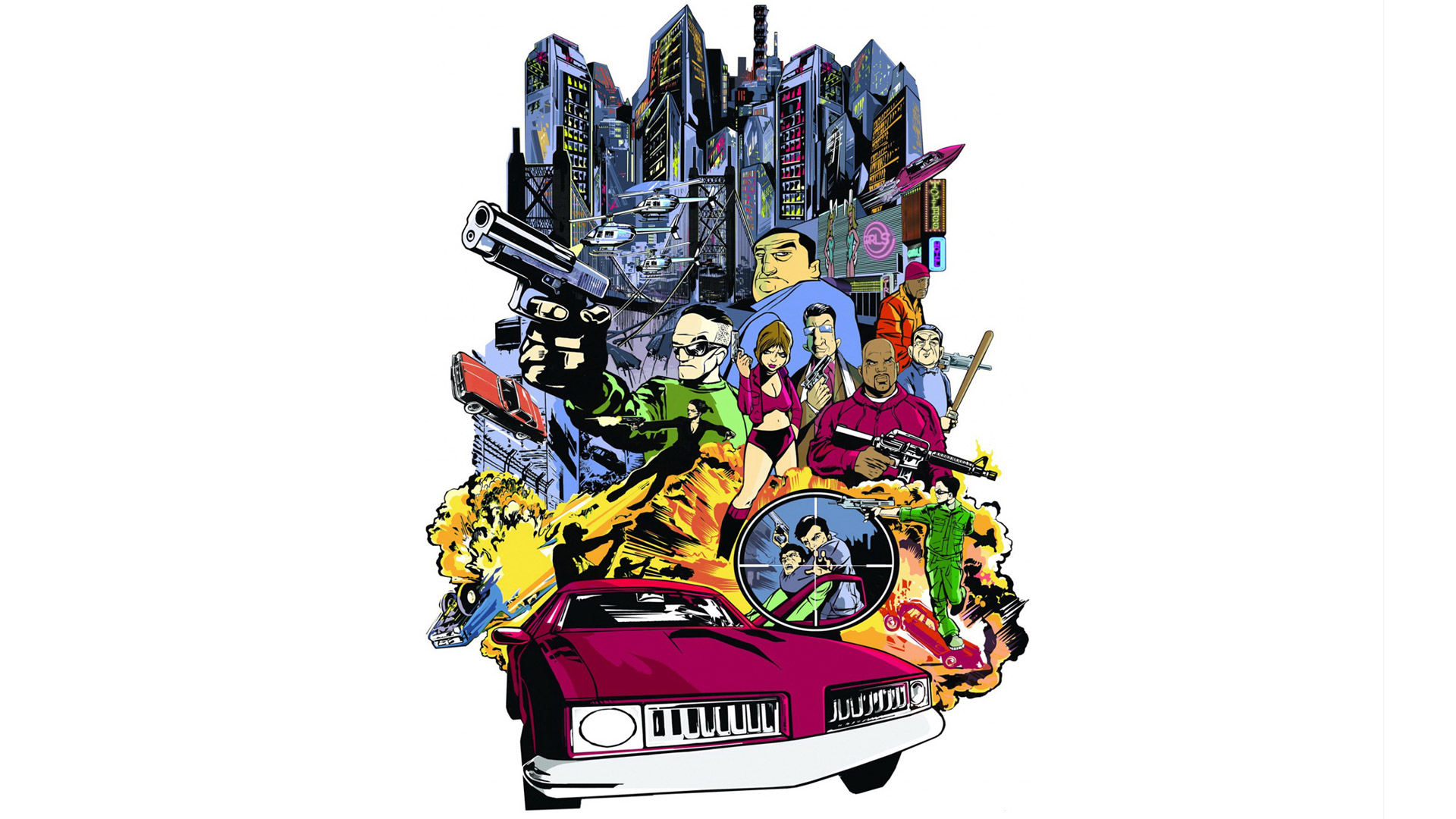
Grand Theft Auto III blew open the doors to the modern open-world genre. Suddenly, an entire city was your playground, offering unprecedented freedom to explore, create chaos, or follow a gritty narrative. Its mature themes, non-linear progression, and emergent gameplay sparked both controversy and adoration. It showed the industry the power of player agency within a dynamic, living environment, fundamentally shifting expectations for scale and interaction in digital worlds.
6 / 8
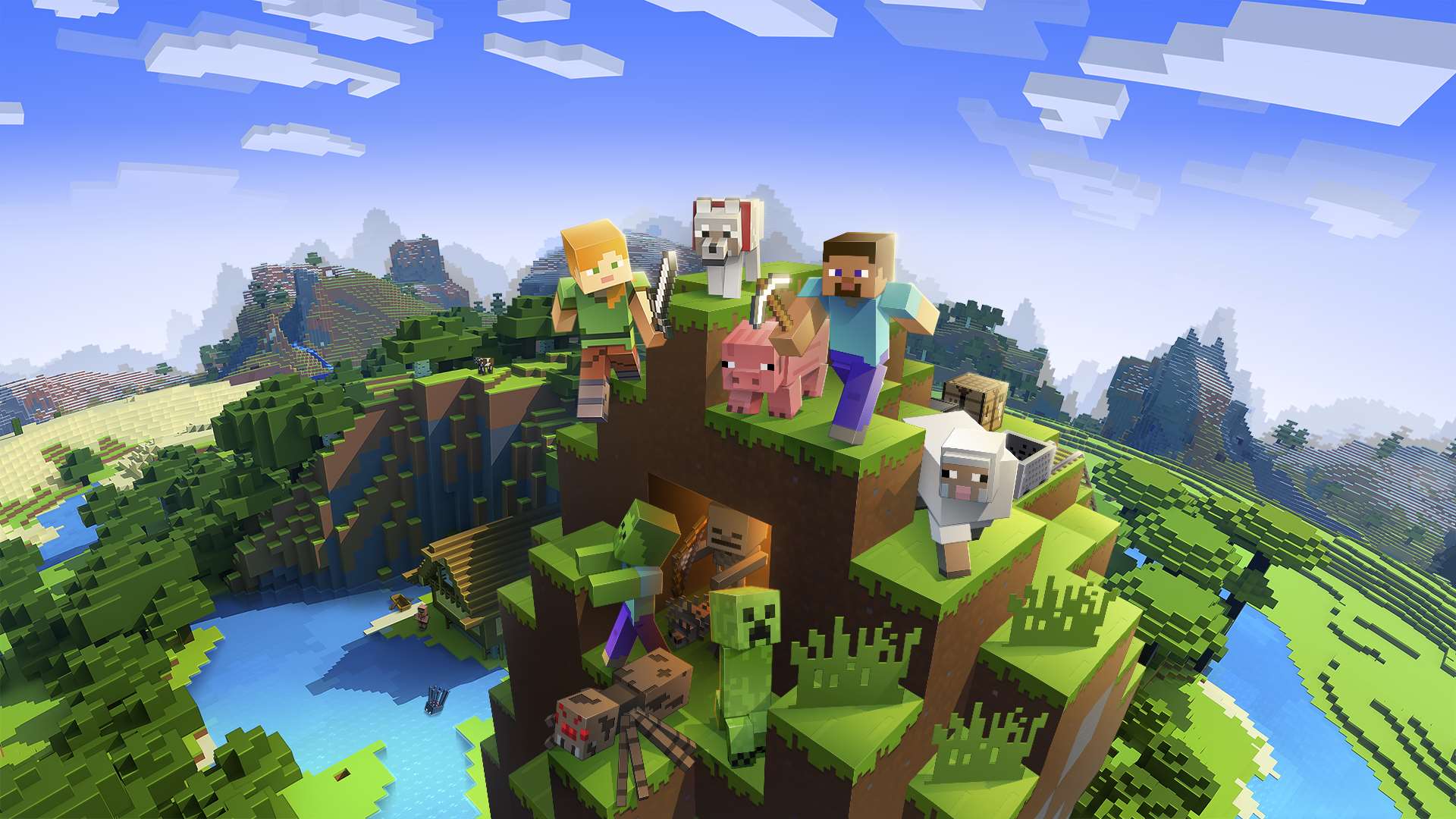
6. Minecraft
World of Warcraft transformed online gaming from a niche pursuit into a global cultural phenomenon. It refined the MMORPG formula, making it accessible while retaining depth, fostering vast communities and persistent virtual economies. Its impact extended beyond the screen, influencing social interactions, language, and even real-world economies. WoW proved that shared digital spaces could become second homes for millions, establishing a blueprint for persistent online worlds.
7 / 8

7. Tetris (1984)
Minecraft arrived like a digital sandbox, empowering players with unparalleled creative freedom. Its blocky aesthetic belied a depth that allowed for construction, exploration, and survival on an epic scale. It democratized game design, turning players into creators and fostering a massive community built around shared ingenuity. This game fundamentally redefined what play could be, emphasizing emergent storytelling and the boundless potential of player-driven content.
8 / 8

8. Pong (1972)
DOOM (2016) was a masterclass in modernizing a classic, proving that old-school intensity could thrive with contemporary polish. It rejected cover mechanics and regenerating health, forcing aggressive, visceral combat. The "push-forward" combat loop, where health and ammo are regained by engaging enemies, fundamentally reshaped FPS design. It demonstrated how thoughtful iteration, respecting a franchise's roots while innovating, could deliver an intensely satisfying and influential experience.