


1. Good Times Go
Bernard Edwards’ bassline is an architectural marvel; Tony Thompson’s drumming, a clinic in precision and pocket. This wasn't just disco; it was a masterclass in rhythmic economy, each beat perfectly placed, each syncopation a calculated thrill. The sheer tightness, achieved through relentless rehearsal and analog engineering, laid down a groove so universally potent, it became the rhythmic bedrock for an entirely new musical lexicon. Its influence is indelible.

2. Rapper's Delight
To lift Chic’s "Good Times" so brazenly, yet craft something so utterly transformative, was audacious. The genius here wasn't in the original rhythm, but in its repurposing. The vocalists' interplay, their nascent lyrical acrobatics, riding that familiar, buoyant bassline and crisp drum pattern, proved that a foundational groove could be a canvas for entirely new narratives. It birthed a genre, proving rhythmic appropriation could be innovation.

3. Blue Monday
This track’s pulse, driven by the LinnDrum and a relentless sequencer, was a cold, mechanical revelation. It was the sound of the future, meticulous in its programming, yet possessing an undeniable, hypnotic drive. The sheer length, the stark, almost industrial precision, demonstrated how electronic instrumentation, when wielded with vision, could conjure a rhythmic force far beyond conventional drumming, defining the very essence of early 80s electronic music.
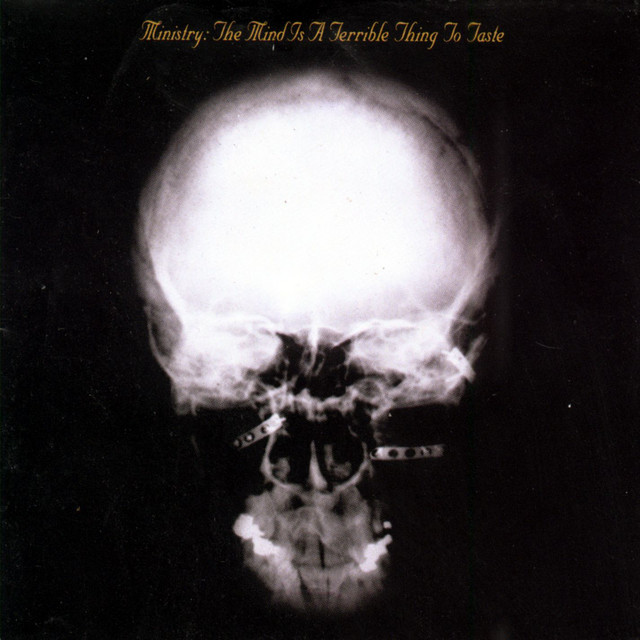
4. The Mind Is a Terrible Thing to Taste
This album, particularly tracks like "Thieves," was a rhythmic bludgeon. It fused the cold, programmed aggression of industrial electronics with the raw, untamed fury of metal. The drum machines weren't mimicking human drummers; they were superseding them, delivering machine-gun percussion that felt both precise and utterly chaotic. It was a sonic assault, pushing rhythmic boundaries into a realm of mechanized, distorted ferocity, a true pre-digital studio masterpiece of controlled mayhem.

5. Chameleon
Paul Jackson’s bassline here is legendary, a sinuous, funky beast that navigates complex harmonic changes with effortless swagger. Harvey Mason’s drums are equally masterful, a foundation of intricate yet deeply grooving syncopation. This wasn't just jazz-funk; it was a rhythmic dialogue, a sophisticated interplay between instruments that felt spontaneous yet incredibly tight. It showcased how academic complexity could meet visceral funk, creating an irresistible, intellectual dance.
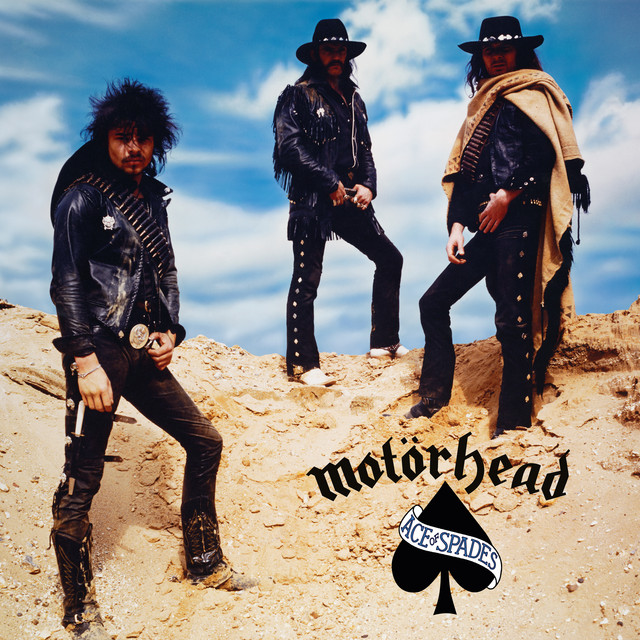
6. Ace of Spades
Phil "Philthy Animal" Taylor’s drumming on this track is simply relentless: a blur of speed and power, driving the whole enterprise forward with unbridled aggression. Coupled with Lemmy’s propulsive bass, it created a blueprint for speed metal. The raw, untamed energy, captured in an analog studio environment, wasn't about nuance; it was about sheer, unadulterated velocity and precision, cementing a rhythmic ethos that would define an entire subgenre.
7. Can You Feel It
Larry Heard's creation was a revelation of sparse elegance. The classic house beat, likely a Roland TR-707 or 909, felt both familiar and entirely new. It wasn't about rhythmic complexity, but rather the subtle, almost spiritual groove it established. The repetition, the gentle ebb and flow, created a hypnotic, soulful pulse that defined early deep house, proving that profound emotional impact could emerge from minimal, machine-generated rhythms.

8. Low (2017 Remaster)
The rhythmic innovation on Bowie’s *Low* was profound, particularly on tracks like "Sound and Vision" and the experimental B-side. Dennis Davis’s drumming, often heavily processed and detached, felt almost synthetic, yet utterly human. This wasn't just a beat; it was an atmosphere, a stark, often unsettling pulse that underscored the album's art-rock and ambient leanings. It redefined what drums could *sound* like, pushing textural and rhythmic boundaries in a pre-digital landscape.