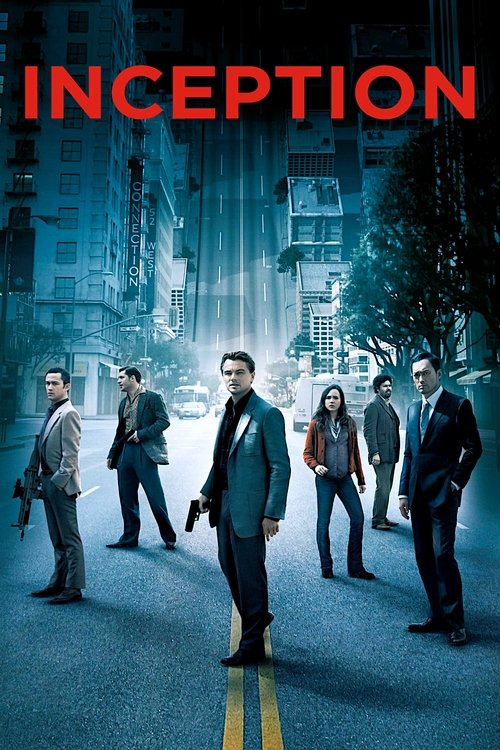
1. Inception
“Inception” showed us how deeply layered and complex realities could be, even if they were just dreams. Imagine experiencing those multiple dreamscapes in VR, where every shift in perspective feels real. It’s like a blueprint for future interactive narratives, where storytellers don't just show you a world, they invite you to *build* it alongside them, maybe even changing the outcome with your choices. This film really made us think about what's real.
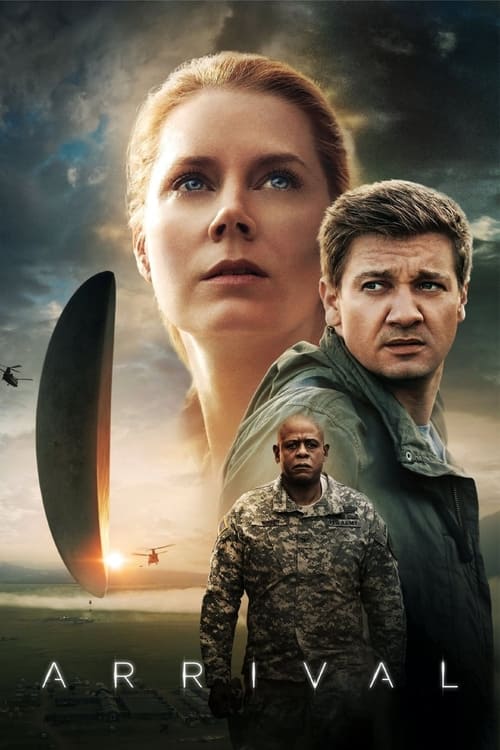
2. Arrival
“Arrival” really got us thinking about language and how understanding different perspectives can change everything. If AI could help us decode alien communication like Louise does, imagine the stories we could tell, or even experience. It’s not just about what's said, but how it’s perceived. This film makes you wonder if AI could one day process information in ways that literally bend our perception of time, opening up entirely new narrative structures.
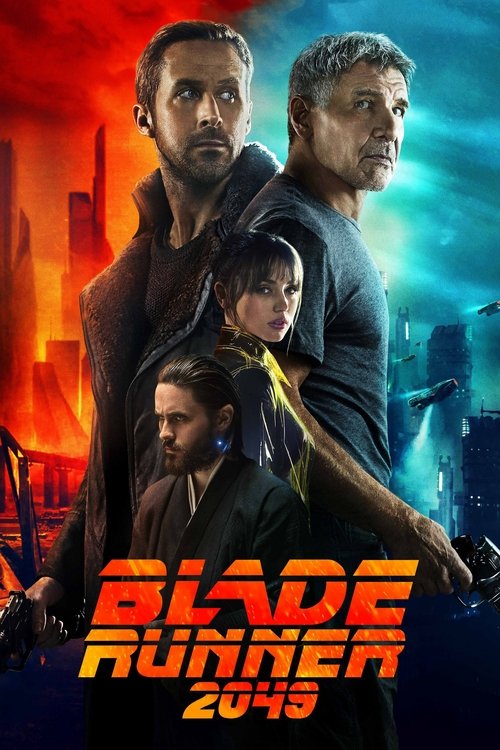
3. Blade Runner 2049
“Blade Runner 2049” kept us guessing about what makes someone real, especially with K and Joi. It’s a powerful look at AI companions and simulated realities. When we think about VR, imagine creating characters with that much depth, whose emotions and memories feel so genuine you question their origin. This film sets a high bar for AI-driven character development, showing us how technology can craft incredibly compelling, almost human, story elements.
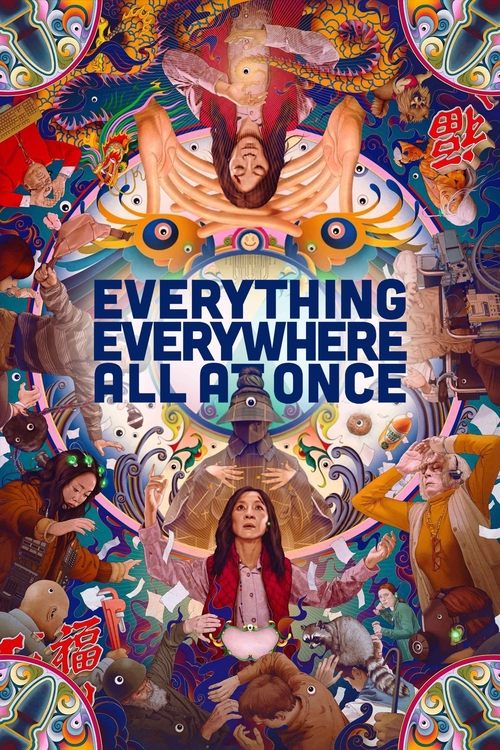
4. Everything Everywhere All at Once
“Everything Everywhere All at Once” was a wild ride through endless possibilities, showing how every choice branches off into a new reality. With AI-powered narrative generation and VR, we could literally jump between these alternate versions of a story, experiencing how tiny decisions create massive changes. It’s like a sandbox for narrative exploration, letting creators and audiences play together in a truly dynamic, ever-unfolding story-verse. The potential for interactive storytelling here is huge.
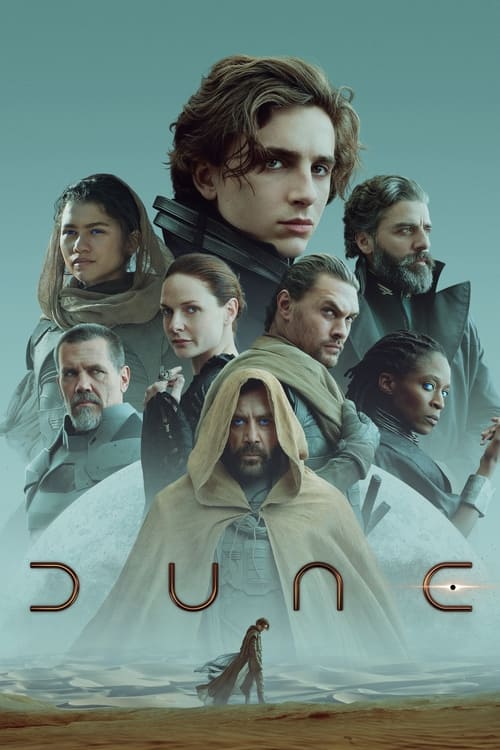
5. Dune
“Dune” builds such an incredibly immersive world, from the desert landscapes of Arrakis to the intricate political structures. Imagine stepping into that universe with VR, feeling the sand, hearing the thrum of a ornithopter, truly experiencing the scale. It's not just about seeing; it's about being there. Future content creation, powered by AI for generating hyper-realistic environments and textures, could make these vast, detailed stories feel absolutely tangible.
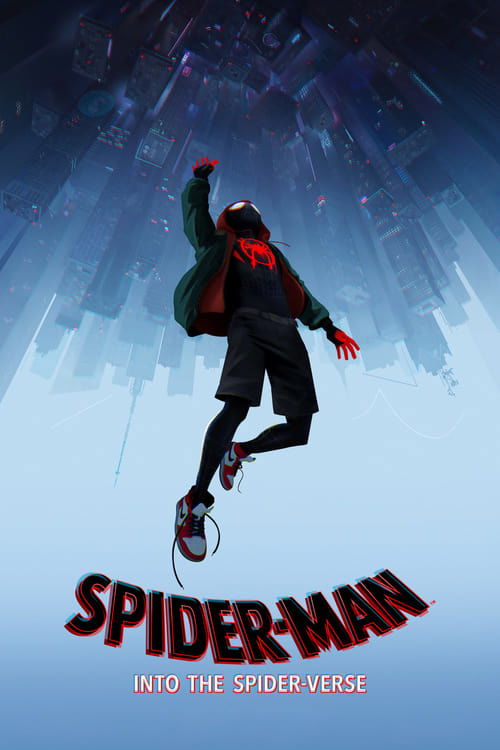
6. Spider-Man: Into the Spider-Verse
“Spider-Man: Into the Spider-Verse” completely blew us away with its visual style, blending different animation techniques and character designs seamlessly. This film shows how much creativity is possible when you break traditional boundaries. With AI, creators could generate entire worlds and characters in countless artistic styles, making every narrative a unique visual experience. It hints at a future where stories aren't just told, but visually sculpted in entirely new, exciting ways.

7. Her
“Her” explored the deeply personal connection we can form with artificial intelligence. Samantha's growth and emotional intelligence felt so real, making us wonder about the future of AI companions. Imagine an AI that could not just understand your preferences but also anticipate your emotional needs, crafting personalized stories or experiences just for you. This film really gets us thinking about AI as a collaborative partner in shaping our narratives, both fictional and personal.
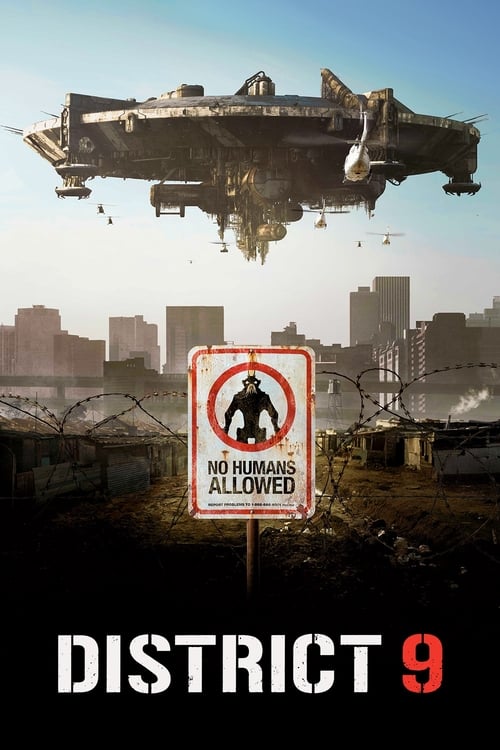
8. District 9
“District 9” used its sci-fi premise to deliver powerful social commentary, making us confront issues of prejudice and segregation through a unique lens. If stories like this were experienced in VR, placing you directly into the shoes of characters navigating these harsh realities, the impact would be even more profound. It points to a future where AI-driven simulations and VR can create empathy-building narratives that feel incredibly immediate and personal.